
The global economy relies heavily on a segment of the workforce that often operates outside traditional office environments: the deskless employees. These individuals, comprising the vast majority of the global workforce, are the backbone of numerous industries, directly serving customers, maintaining operations, and delivering essential services. From healthcare professionals and retail associates to manufacturing workers and delivery drivers, their daily contributions are critical. However, effectively reaching and engaging this dispersed workforce presents a significant challenge for many organizations. A persistent communication and engagement gap can lead to substantial business risks, including decreased productivity, higher turnover, and a diluted company culture. Addressing this challenge is not just an HR imperative but a strategic necessity for organizational success in the modern business landscape.
The inherent nature of deskless roles—which often do not involve sitting at a desk, logging into a company laptop, or regularly checking corporate email—creates a unique set of communication hurdles. Important updates may fail to reach their intended audience, fostering a sense of detachment from the company’s mission and values. This disconnect can manifest as inconsistent recognition, a perceived lack of inclusion, and employees feeling like mere cogs in a machine rather than valued members of a collaborative team. For HR leaders, this situation represents both a complex problem and a significant opportunity to innovate and strengthen their people strategies.
The good news is that effectively connecting with deskless employees does not necessitate a complete overhaul of existing human resources frameworks. Instead, it calls for practical, thoughtful approaches tailored to the realities of frontline work. By implementing strategic communication and engagement initiatives, organizations can bridge this divide, fostering a more informed, included, and appreciated workforce. This guide explores actionable strategies to enhance communication, boost engagement, and cultivate stronger connections between corporate messaging and the employees who are at the forefront of customer interaction.
The Escalating Importance of Deskless Workforce Engagement
The benefits of successfully engaging deskless employees are tangible and far-reaching. When these individuals feel informed, included, and valued, the positive impact on the business is often immediate. Enhanced connection directly influences employee retention, boosts productivity, elevates the customer experience, and strengthens overall company culture. Employees who understand the company’s objectives and how their specific roles contribute to those goals are more likely to remain with the organization, perform at a higher level, and deliver exceptional service to customers. This is particularly critical in industries characterized by high turnover rates, where each departure incurs significant costs associated with recruitment, onboarding, and training.

Furthermore, deskless employees frequently serve as the public face of an organization. Their daily interactions with customers, patients, guests, passengers, and partners directly shape brand perception. A disconnected or unsupported frontline team can inadvertently project a negative experience that quickly ripples outward, impacting customer loyalty and business reputation. In essence, frontline engagement is not merely an HR function; it is a crucial operational strategy with a direct impact on the bottom line.
Navigating the Obstacles in Deskless Communication
Industries heavily reliant on deskless workers often face a common set of challenges in disseminating information and fostering engagement:
- Limited Access to Technology: Many deskless roles do not provide consistent access to company computers or dedicated email accounts.
- Time Constraints and Dynamic Schedules: Frontline employees often work in shifts with demanding schedules, making it difficult to allocate time for formal communication or training sessions.
- Geographical Dispersion: Teams may be spread across multiple locations, making centralized communication efforts challenging to implement effectively.
- High Turnover Rates: Industries with a significant deskless workforce often experience higher rates of employee churn, requiring continuous efforts to onboard and integrate new staff.
- Language and Literacy Barriers: In diverse workforces, ensuring messages are understood across different language proficiencies and literacy levels is paramount.
Strategic Pillars for Engaging the Deskless Workforce
To overcome these obstacles and foster a more connected and engaged deskless workforce, organizations can adopt several key strategies. These approaches prioritize accessibility, clarity, and consistency, ensuring that communication efforts resonate with employees wherever and however they work.
1. Implement Mobile-First Communication Platforms
For the majority of the global workforce, the mobile phone is not merely a convenience; it is the primary digital channel. If employees do not regularly use desks, laptops, or corporate email, communication must occur on the devices they use daily. A mobile-first platform ensures that employees can easily access company news, schedules, policy updates, benefits information, recognition programs, and other essential resources without needing to find a shared computer or wait until their shift ends. This accessibility reduces friction, a common barrier to message comprehension and engagement.
Mobile-first tools empower HR teams to:
- Deliver timely updates: Push notifications can alert employees to critical information instantly.
- Provide on-demand access to resources: Employees can access HR policies, training materials, and company directories from anywhere.
- Facilitate two-way communication: Features like instant messaging and feedback forms allow for immediate interaction.
- Share engaging multimedia content: Videos and infographics are easily consumable on mobile devices.
The key is to design communication specifically for mobile consumption, rather than simply shrinking desktop content onto a smaller screen. This ensures messages are clear, concise, and impactful for frontline workers.
2. Empower Managers as Communication Champions
Managers are often the most trusted and influential source of information for deskless employees. Even the most sophisticated communication strategy can falter if managers are not equipped to deliver messages clearly and consistently. Conversely, when managers are skilled communicators, they can transform company updates into meaningful conversations that employees understand and remember.
HR leaders should view managers not just as conduits for information but as active communication champions. This involves training them to:
- Understand key messages: Ensure managers grasp the context and importance of corporate communications.
- Translate corporate jargon: Help managers rephrase official announcements into language that resonates with their teams.
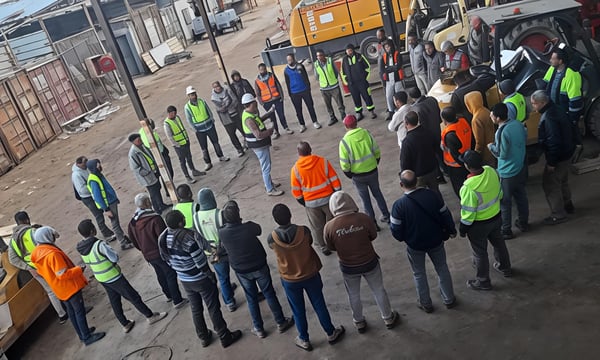
- Facilitate team discussions: Encourage managers to hold brief team huddles to discuss updates and answer questions.
- Gather feedback: Equip managers with the skills to solicit and relay employee feedback to HR.
Providing managers with talking points, short scripts, or weekly briefings can significantly improve message alignment. Inconsistent communication across different locations or shifts can quickly erode employee trust and lead to confusion.
3. Leverage Digital Signage and Physical Displays
While mobile platforms are crucial, they are not the sole solution. Not every employee can check an app or read a message during their shift. Digital signage and physical displays in common areas—such as break rooms, locker rooms, time-clock stations, and production areas—serve as vital reinforcement tools. These displays can highlight important updates in places employees naturally pass through. Similarly, bulletin boards, posters, and printed summaries can be effective in environments where phone use is limited or impractical.

This "second space" communication strategy meets employees in shared physical spaces, rather than interrupting their work. These areas are ideal for displaying:
- Key company announcements: New policies, upcoming events, or important operational changes.
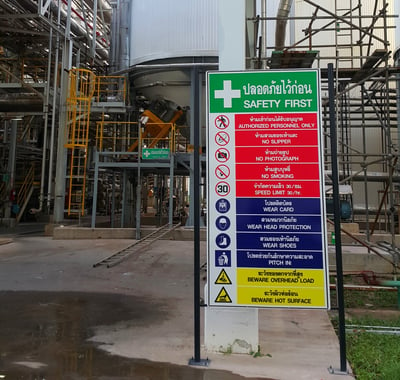
- Safety and compliance information: Reminders about protocols and procedures.
- Recognition highlights: Celebrating team achievements and individual successes.
- Employee testimonials or success stories: Sharing positive experiences and reinforcing culture.
The content displayed should be easily scannable and quickly understandable, prioritizing headlines, visuals, and concise messages over lengthy text.
4. Prioritize Short-Form, Visual Content
Deskless employees often operate under time constraints and with limited attention spans during their workdays. Communication that requires extended focus or a quiet environment may be ineffective. Therefore, prioritizing short-form, visual content is paramount. If a message requires ten uninterrupted minutes and a cup of coffee to absorb, it is likely not optimized for the frontline.
Effective short-form content can include:
- Infographics: Visually summarizing data or key information.
- Short videos: Explaining procedures, introducing new products, or sharing company news.
- "How-to" guides: Providing quick, actionable instructions.
- Q&A formats: Addressing common employee questions directly.
The goal is clarity and comprehension, not oversimplification. Employees need sufficient information to understand and act on a message, but the core point should not be obscured by excessive detail. A good rule of thumb is to shorten, clarify, and visualize any message whenever possible.

5. Establish Two-Way Communication Channels
Communication should not be a one-way broadcast. If deskless employees only hear from the company during policy changes or urgent announcements, their connection will feel transactional. Employees need avenues to respond, ask questions, and share ideas. Two-way communication fosters trust by demonstrating that the organization is actively listening, not just issuing directives.
HR teams can create feedback loops through:
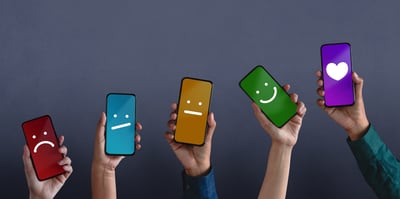
- Pulse surveys: Short, frequent surveys to gauge sentiment on specific topics.
- Suggestion boxes (digital or physical): Providing a simple way for employees to submit ideas.
- Dedicated feedback channels: Using communication platforms to allow for comments and questions on announcements.
- Regular town hall meetings (virtual or in-person): Creating opportunities for open dialogue.
The format of feedback collection is less important than the follow-through. Ignoring employee input quickly teaches them that their feedback is not valued. Closing the loop by sharing what was heard, what actions are being taken, and what the next steps are builds credibility and encourages continued participation. Even when the answer is "not right now," transparency is crucial.
6. Recognize and Reward Deskless Employees Frequently
Recognition is one of the simplest yet most effective tools for building connection with deskless employees, and it is also one of the easiest to overlook. Frontline workers are constantly on the move, solving problems in real-time and performing essential tasks. When this effort goes unnoticed, disengagement can follow. Consistent recognition, however, reinforces feelings of value, belonging, and motivation.
Effective recognition programs for deskless workers are:
- Timely: Acknowledging contributions soon after they occur.
- Specific: Clearly articulating what is being recognized.
- Visible: Ensuring recognition is shared appropriately within the team or organization.
- Inclusive: Accessible to all employees, regardless of their role or location.
For deskless workforces, robust recognition programs often include:
- Peer-to-peer recognition: Empowering colleagues to acknowledge each other’s efforts.
- Spot bonuses or gift cards: Providing tangible rewards for exceptional performance.
- Public acknowledgments: Shout-outs in team meetings, newsletters, or company-wide platforms.
- Opportunities for development: Offering training or advancement prospects as recognition.
Accessibility is critical. If recognition is confined to desktop systems or corporate events, many deskless employees will miss it entirely. An inclusive and immediate recognition experience makes it more meaningful.
7. Invest in Onboarding and Training for Deskless Workers
The initial period of employment, particularly the first six months, can significantly shape the employee experience for deskless workers. Inconsistent, confusing, or overly administrative onboarding can prevent new hires from fully engaging with the company. This is a costly mistake in high-turnover industries. Early experiences establish whether employees feel confident, supported, and inclined to stay.
Effective onboarding for deskless employees should help them quickly understand:
- Company culture and values: What the organization stands for and how it operates.
- Their role and its importance: How their work contributes to the larger mission.
- Key contacts and resources: Who to go to for support and where to find information.
- Essential tools and systems: How to use the technology and processes required for their job.
Onboarding should extend beyond the first week. Ongoing training and development are equally vital, particularly when delivered in formats compatible with frontline work. Micro-learning modules, short videos, and mobile-friendly training materials allow employees to build skills without significant disruption to their work schedules. This approach also conveys a powerful message: professional growth and development are opportunities available to all employees, not just those in traditional office settings.
8. Measure, Learn, and Continuously Improve
To genuinely enhance communication and engagement for deskless employees, measurement must be an integral part of the strategy. This involves moving beyond simply tracking whether a message was sent to understanding whether it was seen, understood, and acted upon. The right metrics can help HR teams identify what is working, pinpoint areas of deficiency, and demonstrate how communication efforts influence business outcomes.
Key metrics to consider include:
- Message readership and engagement rates: How many employees are opening and interacting with communications.
- Employee feedback and survey scores: Gauging sentiment and satisfaction levels.
- Participation in recognition programs: Tracking the adoption and impact of recognition initiatives.
- Retention rates: Monitoring the impact of engagement strategies on employee turnover.
- Productivity and performance indicators: Linking communication efforts to operational improvements.
Measurement facilitates the refinement of communication approaches over time and builds a compelling business case for further investment. It ensures that engagement strategies evolve with the workforce, rather than remaining static and based on outdated assumptions. A frontline communication strategy built on guesswork is likely to fall behind.
Building a More Connected Frontline Team
Connecting with deskless employees requires more than good intentions; it demands the right tools, consistent habits, and a strategy thoughtfully designed around the realities of frontline work. Organizations that prioritize this vital segment of their workforce can foster greater loyalty, improve operational efficiency, and cultivate a more positive and productive work environment for everyone. By embracing mobile-first communication, empowering managers, leveraging diverse communication channels, and consistently recognizing employee contributions, businesses can bridge the engagement gap and build a truly connected frontline team.
Reward Gateway | Edenred is dedicated to helping organizations effectively reach, engage, and recognize their deskless employees. Our solutions are designed for today’s dynamic workforce, offering mobile-first communication, robust employee recognition, and powerful feedback and engagement tools. We empower HR leaders to create more connected experiences for every employee, ensuring that no one is left behind in the communication loop. If your organization is ready to build a stronger, more engaged frontline, Reward Gateway | Edenred can provide the strategic support and innovative solutions needed to drive real results.