
The engine of global commerce and essential services hums not from corner offices, but from the hands and feet of the deskless workforce. These are the individuals serving customers, stocking shelves, caring for patients, navigating delivery routes, operating machinery, preparing food, and fundamentally keeping businesses operational. Representing the vast majority of the global workforce, their daily efforts are indispensable. Yet, a significant chasm often exists in how effectively companies communicate with and engage these critical employees. This disconnect presents a tangible business risk, potentially impacting company culture, employee recognition, and overall morale, leading to a perception of working for the company rather than with it.
For Human Resources leaders, this challenge presents a crucial opportunity to reimagine and strengthen their engagement strategies. Fortunately, effectively connecting with deskless employees does not necessitate a complete overhaul of existing people strategies. Instead, it calls for practical, thoughtful approaches tailored to the realities of frontline work. This guide explores actionable strategies designed to bolster communication, enhance engagement, and forge stronger connections between corporate directives and the employees on the front lines.
The Growing Imperative of Frontline Engagement
When deskless employees feel informed, included, and valued, the benefits to the business are swift and substantial. Enhanced connection directly influences employee retention, productivity, customer experience, and the overall organizational culture. Employees who understand business operations and the significance of their contributions are more likely to remain with the company, perform at higher levels, and deliver superior customer experiences. This is particularly critical in industries characterized by high turnover, where each departure incurs significant costs in hiring, onboarding, and training.
The obstacles commonly faced by deskless industries are well-documented and include:

- Limited Access to Traditional Communication Channels: Many deskless workers do not have regular access to company laptops, email, or desktop computers during their shifts.
- Time Constraints: Frontline roles often demand constant attention and immediate action, leaving little time for reviewing lengthy communications.
- Shift Work and Varied Schedules: Coordinating communication across different shifts and employee schedules can be a logistical challenge.
- Language and Literacy Barriers: Diverse workforces may require communication in multiple languages and formats accessible to varying literacy levels.
- Lack of Dedicated Communication Time: Unlike office-based roles, deskless workers may not have designated periods for reviewing internal communications.
Beyond internal benefits, the brand itself is also impacted. Deskless employees are frequently the primary point of contact for customers, patients, guests, and partners. A disconnected, unsupported, or uninformed frontline employee can quickly project a negative experience outward, affecting the organization’s reputation and customer loyalty. In essence, frontline engagement is not merely an HR initiative; it is a critical operational strategy with a direct impact on business success.
Strategies for Cultivating a Connected Frontline Workforce
1. Embracing Mobile-First Communication Platforms
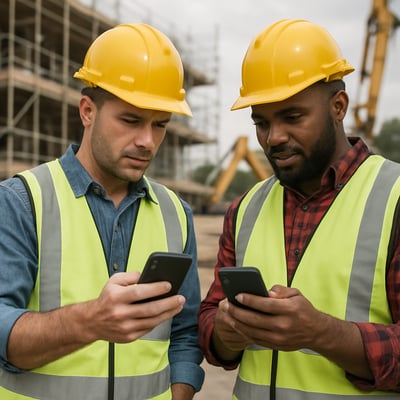
For the deskless workforce, mobile devices are not a luxury but the primary channel for accessing information and staying connected. In an era where smartphones are ubiquitous, a mobile-first communication strategy ensures that vital company updates, schedules, policy changes, benefits information, and recognition reach employees where they are.
Implementing a dedicated mobile application or a responsive web-based platform allows deskless employees to easily access necessary information without needing to find a shared computer or wait until their shift concludes. This accessibility significantly reduces friction in the communication process, a common barrier to message comprehension and engagement.
Mobile-first tools empower HR teams by:
- Ensuring Consistent Reach: Delivering messages directly to employees’ personal devices, regardless of their location or shift.
- Facilitating Real-Time Updates: Providing immediate access to urgent announcements and schedule changes.
- Enhancing Information Accessibility: Making company news, policies, and resources readily available on demand.
- Streamlining Feedback Collection: Offering simple ways for employees to share their thoughts and concerns.
The key lies in designing communication specifically for the mobile experience, prioritizing conciseness and clarity over simply adapting desktop content for smaller screens.
2. Empowering Managers as Communication Champions
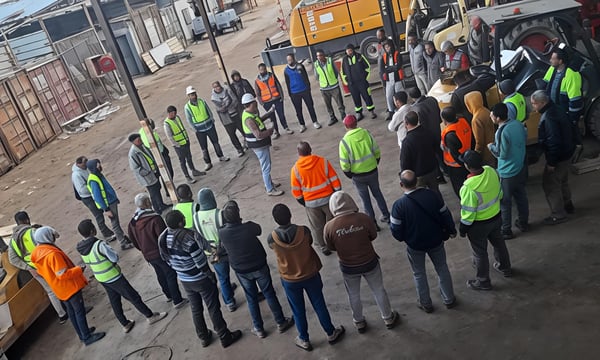
Frontline managers often serve as the most trusted and influential conduits of information for their teams. Therefore, even the most sophisticated communication strategy can falter if managers are not equipped to effectively relay messages. Conversely, when managers are skilled communicators, they can transform corporate updates into meaningful conversations that resonate with employees and are easily retained.
HR leaders must view managers not merely as message distributors but as vital communication champions. This involves providing them with the necessary training and resources to:
- Understand Key Messages: Ensuring managers grasp the context and importance of company communications.
- Deliver Information Clearly and Concisely: Equipping them with talking points and best practices for clear articulation.
- Facilitate Two-Way Dialogue: Encouraging managers to listen to employee feedback and address concerns promptly.
- Provide Consistent Messaging: Ensuring uniformity in communication across different teams and locations.
Regular briefings, short talking points, or weekly updates can significantly aid managers in staying aligned with corporate messaging. Inconsistencies in communication across departments or shifts can quickly erode employee trust and create a sense of unfairness.
3. Leveraging Digital Signage and Physical Displays
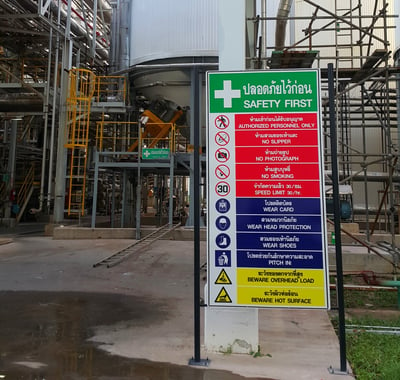
While digital channels are paramount, traditional methods still hold significant value for deskless employees who may not always have the opportunity to check their phones during a shift. Digital signage and well-placed physical displays in common areas—such as break rooms, locker rooms, time clock stations, and production floors—can serve as effective reinforcement for important updates.
Bulletin boards, posters, and printed summaries are particularly useful in environments where phone usage is restricted or impractical. This "second space" communication strategy meets employees in areas they naturally frequent, without interrupting their work. These displays can be utilized to highlight:
- Company News and Achievements: Celebrating successes and sharing organizational milestones.
- Safety Reminders and Procedures: Reinforcing critical safety protocols.
- Employee Recognition: Publicly acknowledging outstanding contributions.
- Upcoming Events and Initiatives: Informing employees about important dates and programs.
- Key Policy Updates: Providing easily digestible summaries of important policy changes.
The content displayed should be visually appealing, concise, and easy to scan, focusing on headlines and key takeaways rather than lengthy text blocks.
4. Prioritizing Short-Form, Visual Content
Deskless employees often operate under time constraints and may have limited attention spans for prolonged communications. Messages that require extended periods of uninterrupted focus may not be suitable for a frontline audience. Consequently, short-form, visual content is significantly more effective.
This approach can encompass:
- Infographics: Visually representing data and information in an easily digestible format.
- Short Videos: Delivering messages through engaging and dynamic visual storytelling.
- Bullet Points and FAQs: Breaking down complex information into clear, actionable points.
- GIFs and Memes (used appropriately): Injecting personality and increasing engagement for less formal communications.
The objective is clarity and comprehension, ensuring employees receive enough information to understand and act on a message without being overwhelmed. A guiding principle should be to shorten, clarify, and visualize content whenever possible.
5. Establishing Two-Way Communication Channels
Effective communication is a dialogue, not a monologue. If deskless employees only receive information from the company during policy changes or urgent announcements, the connection can feel purely transactional. Employees need avenues to respond, ask questions, and share their insights.

Two-way communication fosters trust by demonstrating that the organization is actively listening. HR teams can cultivate these feedback loops through:
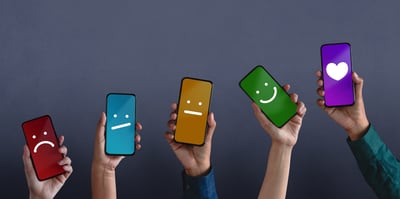
- Pulse Surveys: Short, frequent surveys to gauge sentiment and gather immediate feedback.
- Suggestion Boxes (Digital or Physical): Providing accessible channels for employees to submit ideas and concerns.
- Open Forums or Q&A Sessions: Dedicated times for employees to interact directly with leadership.
- Dedicated Feedback Channels within Communication Apps: Allowing employees to comment on posts or send direct messages.
The success of these channels hinges on follow-through. Failing to act on employee feedback or communicate the outcomes of suggestions can quickly lead to disengagement. Transparency in sharing what was heard, what actions are being taken, and what the next steps are builds credibility, even when immediate implementation is not possible.
6. Frequent Recognition and Reward Programs
Recognition stands out as one of the most straightforward yet impactful methods for fostering connection with deskless employees, and it is often the easiest to overlook. Frontline workers are frequently engaged in fast-paced environments, solving problems in real-time and performing essential duties that sustain business operations. When this effort goes unacknowledged, disengagement can set in. Consistent recognition, however, can significantly enhance feelings of value, connection, and motivation.
Effective recognition programs are:
- Timely: Acknowledging contributions soon after they occur.
- Specific: Clearly articulating what is being recognized.
- Personalized: Tailoring recognition to individual preferences and contributions.
- Visible: Ensuring that recognition is seen by peers and leadership.
- Frequent: Integrating recognition into the regular workflow.
For deskless workforces, robust recognition programs often incorporate:
- Peer-to-Peer Recognition: Enabling employees to recognize each other’s contributions.
- Manager Spot Bonuses or Small Rewards: Providing immediate tangible appreciation.
- Public Shout-Outs: Highlighting achievements in team meetings or internal communications.
- Service Anniversary Awards: Acknowledging long-term commitment.
Accessibility is paramount; recognition that is only available through desktop systems or during infrequent corporate events will likely be missed by many deskless employees. An inclusive and immediate recognition experience amplifies its impact.
7. Investing in Onboarding and Training
The initial months of employment can significantly shape the long-term experience of deskless workers. Inconsistent, confusing, or overly bureaucratic onboarding processes can prevent new hires from fully engaging with the company. In high-turnover industries, this represents a substantial financial and operational loss.
Early experiences are crucial in building employee confidence, providing support, and fostering a sense of belonging, thereby influencing retention. Effective onboarding for deskless employees should enable them to quickly understand:
- Company Mission and Values: Connecting their role to the broader organizational purpose.
- Key Policies and Procedures: Providing essential operational guidelines.
- Team Structure and Key Contacts: Facilitating integration with their colleagues and support network.
- Available Resources and Tools: Ensuring they know where to find help and information.
- Performance Expectations: Clarifying their responsibilities and how success is measured.
Onboarding should extend beyond the first week. Ongoing training and development are equally vital, particularly when delivered in formats that align with frontline work. Micro-learning modules, short instructional videos, and mobile-friendly training platforms allow employees to enhance their skills without requiring extended absences from their duties. This investment also conveys a powerful message: opportunities for growth and development are available to all employees, not just those in traditional office settings.
8. Continuous Measurement, Learning, and Improvement
To effectively enhance communication and engagement for deskless employees, a robust measurement framework is essential. This involves moving beyond simply tracking whether a message was sent to understanding whether it was received, comprehended, and acted upon. The right metrics can illuminate what strategies are effective, identify persistent gaps, and demonstrate the influence of communication on key business outcomes.
Valuable metrics may include:
- Read/Open Rates: Tracking the percentage of employees who access communications.
- Engagement Metrics: Monitoring likes, comments, and shares on internal platforms.
- Survey Participation Rates: Assessing the level of employee involvement in feedback mechanisms.
- Employee Net Promoter Score (eNPS): Gauging overall employee loyalty and satisfaction.
- Turnover Rates: Analyzing the impact of engagement initiatives on retention.
- Productivity and Performance Data: Correlating communication efforts with operational results.
Regular measurement allows for the refinement of strategies over time and builds a compelling case for continued investment in frontline engagement. It ensures that communication strategies remain dynamic and responsive to the evolving needs of the workforce, rather than being based on outdated assumptions. A frontline communication strategy rooted in guesswork is likely to fall behind the curve.
Conclusion: Building a Connected Frontline with Reward Gateway | Edenred
Connecting deskless employees requires more than good intentions; it demands the right tools, consistent practices, and a strategic approach that genuinely reflects how frontline employees operate. Reward Gateway | Edenred is dedicated to helping organizations effectively reach, engage, and recognize their deskless workforce through solutions meticulously designed for today’s diverse employment landscape. From mobile-first communication platforms and employee recognition programs to robust feedback and engagement tools, we empower HR leaders to cultivate more connected experiences for every member of their organization, transcending the traditional boundaries of desk-based work.
By bridging the communication divide between corporate messaging and frontline teams, organizations can foster a more engaged, informed, and valued workforce, driving tangible business results and creating a more positive and productive work environment for all. If your organization is ready to build a stronger, more connected frontline, Reward Gateway | Edenred offers the expertise and solutions to help you achieve your goals.