
In the contemporary professional landscape, the imperative for managers to acknowledge and appreciate employee contributions is widely understood. Extensive research consistently underscores the profound impact of recognition on employee motivation, productivity, creativity, and overall workplace connection. However, the translation of this knowledge into consistent, practical application often presents a significant hurdle for many leaders. Common sentiments expressed include, "I know I should, but I forget," "I know I should, but I don’t know where to start," and "I know I should, but I don’t know what to say." These hesitations can lead to missed opportunities to foster a positive and engaged workforce. This article delves into the critical need for effective employee appreciation, exploring the data-backed benefits, the prevalent challenges, and providing actionable strategies and concrete examples to help managers bridge the recognition gap and cultivate more motivated and high-performing teams.
The Business Case for Meaningful Appreciation
The financial and operational advantages of consistent and meaningful employee appreciation are compelling. Data indicates that a significant majority of employees, approximately 75%, report that recognition serves as a powerful motivator to increase their work effort. Furthermore, an impressive 78% of employees believe that recognition holds intrinsic value, even in the absence of monetary rewards. Conversely, the lack of recognition is a substantial driver of employee turnover, with one in four individuals actively seeking new employment citing this as a primary reason for their search. This sentiment is corroborated by research from Gallup, which found that well-recognized employees are 45% less likely to have left their positions after a two-year period.
When employees feel genuinely valued through authentic expressions of appreciation, their propensity to go the extra mile significantly increases, directly contributing to enhanced team performance and improved customer satisfaction. Recognition acts as a catalyst for motivation, which in turn fuels innovation, fosters stronger collaboration, and ultimately drives superior business outcomes. The tangible benefits extend beyond individual performance to encompass the overall health and success of the organization.

The Pervasive Recognition Gap in Organizations
Despite the clear benefits, a substantial disparity often exists between employee expectations regarding appreciation and the reality of their experiences. Gallup’s research further highlights this disconnect, revealing that only 22% of employees feel they receive the appropriate level of recognition for their work. This deficit leaves a significant portion of the workforce feeling undervalued and overlooked.
A key contributing factor to this gap is the uncertainty many managers experience regarding how to effectively express appreciation. This lack of confidence can lead to inertia, preventing them from seizing opportune moments to bolster morale and engagement. However, a positive feedback loop can be established: when managers proactively incorporate recognition into their routines – whether through impromptu acknowledgments in meetings, brief hallway conversations, or formal commendations – it often inspires others to follow suit, gradually building a robust and sustainable culture of appreciation. This ripple effect is crucial for embedding recognition as a core organizational value.
Actionable Strategies: 30 Employee Appreciation Message Examples
To equip managers with the tools to overcome the common hesitations, a collection of 30 message templates, categorized by common workplace scenarios, has been curated. These examples offer a range of tones and lengths, suitable for various communication channels, from quick digital messages to more detailed formal acknowledgments. While these templates serve as a valuable starting point, their impact is significantly amplified when customized with specific details about the employee’s actions, the company values they exemplified, and the tangible results of their contributions.
Messages for Everyday Hard Work and Dedication:
These messages acknowledge the consistent effort and commitment employees demonstrate on a daily basis, often in the absence of major project milestones. They focus on recognizing the sustained contribution to the team’s overall functioning.
Messages for Project Success and Milestones:
These templates are designed to celebrate the successful completion of projects, the achievement of significant milestones, or overcoming challenging phases. They highlight the culmination of effort and the positive outcome.
Messages for Teamwork and Collaboration:
This category focuses on appreciating employees who excel at working with others, fostering a collaborative environment, and contributing to collective success. They emphasize the importance of synergy and shared effort.
Messages for Work Anniversaries and Tenure:
Recognizing employee loyalty and commitment through work anniversaries is a powerful way to show appreciation for their long-term dedication. These messages acknowledge the duration of their service and their ongoing contributions.
Messages for Remote and Hybrid Employees:
In today’s distributed work environments, it’s crucial to ensure that remote and hybrid employees feel equally valued and recognized. These messages are tailored to acknowledge their unique contributions and challenges.
Messages for Employee Appreciation Day:
This dedicated day provides a formal opportunity to express gratitude. These templates offer ways to make the celebration meaningful and impactful for individuals and the team.
Crafting Effective Employee Appreciation Messages
The most impactful appreciation messages share several common elements that elevate them beyond generic platitudes. These core components ensure sincerity, relevance, and a lasting positive impression.
- Specificity: Clearly articulate the specific action, behavior, or achievement being recognized. Vague praise can feel insincere; concrete examples demonstrate that the manager has paid attention.
- Impact: Explain the positive effect of the employee’s contribution. How did their action benefit the team, the project, the customer, or the company’s goals?
- Values Alignment: Connect the employee’s actions to the organization’s core values. This reinforces desired behaviors and demonstrates how individuals contribute to the company culture.
- Authenticity: The message should sound genuine and come from the heart. Avoid jargon or overly corporate language. Sincerity is paramount.
- Timeliness: Delivering recognition as close as possible to the event or achievement maximizes its impact and reinforces the desired behavior.
By adhering to these principles, managers can ensure their messages resonate deeply and contribute to a more positive and productive work environment.
Strategic Timing for Maximum Impact
To optimize the effectiveness of employee appreciation messages, it is beneficial to integrate them into various practical touchpoints throughout the work cycle.
- Post-Achievement Recognition: Immediately following the successful completion of a task, project milestone, or exceptional performance.
- In-Team Meetings: Dedicating a segment of regular team meetings to acknowledge individual or team achievements.
- One-on-One Check-ins: Incorporating appreciation into regular performance reviews or informal one-on-one discussions.
- Project Handovers or Closures: Acknowledging contributions as projects conclude.
- Company-Wide Communications: Highlighting achievements in newsletters, internal announcements, or town hall meetings.
- Work Anniversaries and Milestones: Formal recognition of long-term commitment.
- Informal "Shout-Outs": Utilizing internal communication platforms like Slack or Microsoft Teams for spontaneous and immediate appreciation.
Common Pitfalls to Avoid in Appreciation Messaging
While the intent behind appreciation is positive, certain mistakes can undermine its effectiveness and even create unintended negative consequences. Awareness of these common pitfalls is crucial for maintaining authenticity and impact.
- Vagueness: Offering general praise without specific examples leaves employees questioning what they did to earn the commendation.
- Infrequent Recognition: Sporadic appreciation can lead employees to feel their efforts are not consistently valued.
- Inauthenticity: Messages that sound forced, insincere, or like they are merely going through the motions can be counterproductive.
- Favoritism: Perceived bias in who receives recognition can breed resentment and damage team morale.
- Over-Reliance on Monetary Rewards: While financial incentives have their place, consistent non-monetary appreciation fosters a deeper sense of value.
- Ignoring Negative Feedback: A focus solely on positive reinforcement without addressing areas for improvement can create an imbalanced feedback loop.
- Generic Messages: Using the same template for everyone without personalization diminishes the individual impact of the recognition.
By proactively addressing these potential missteps, organizations can ensure their appreciation efforts are genuine, equitable, and truly impactful.
Building a Holistic Culture of Appreciation Beyond Messages

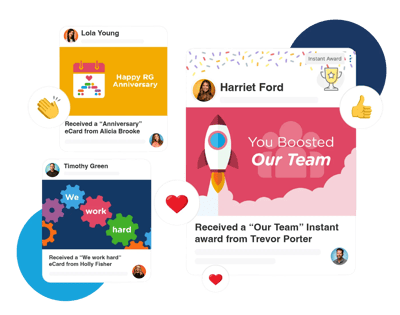
While well-crafted appreciation messages are a powerful tool, they are most effective when integrated into a broader, systemic culture of recognition. Technology platforms, such as those offered by Reward Gateway | Edenred, can significantly enhance and streamline recognition efforts across organizations. These solutions can provide features like automated recognition reminders for managers, notifications for significant achievements, AI-powered assistance for crafting compelling recognition narratives, and robust social recognition functionalities. The integration of technology can make appreciation a more ingrained and habitual practice.
Indeed, research from the "Building Human Workplaces" report indicates that a significant 84% of individuals believe technology simplifies their work processes. By making recognition a more systemic and accessible part of the work environment, it becomes easier for managers to consistently acknowledge contributions, fostering sustained employee motivation and engagement. This systemic approach ensures that appreciation is not an afterthought but a fundamental aspect of how the organization operates.
Frequently Asked Questions About Employee Appreciation Messages
Q: What content should be included in an employee appreciation message?
A: Focus on the specific actions or behaviors of the employee, the values or objectives they supported, and the positive impact their contribution had on the team, project, or company.
Q: How often should managers send employee appreciation messages?
A: Consistency is key. Ideally, managers should aim to send appreciation messages at least weekly. However, the most impactful recognition occurs shortly after an achievement or when an employee goes above and beyond. Scheduling dedicated time to review progress and send recognition can help build this habit.

Q: What is the distinction between employee appreciation and employee recognition?
A: Appreciation is the broader expression of gratitude and valuing individuals for who they are and their overall presence. Recognition is more specific, acknowledging and celebrating particular work, achievements, or performance.
Q: Should employee appreciation messages be public or private?
A: Both approaches have merit. Public praise can boost team morale and visibility, while private messages foster deeper personal connections. Often, a blended approach is most effective, with a default towards public recognition to cultivate a visible culture of appreciation across teams.
Q: Can I use the same appreciation message for multiple employees?
A: While using a standardized message is better than no recognition at all, especially when time is limited, it is far more impactful to personalize messages. Employees rarely perform identical tasks, and tailored messages ensure individuals feel truly seen and valued for their unique contributions.
Q: What are some low-cost methods for showing employee appreciation beyond messages?
A: Beyond written or verbal messages, consider offering flexible work arrangements, providing small, thoughtful perks (e.g., a favorite snack), publicly discussing their accomplishments in a team meeting, or dedicating time to actively listen to their ideas and concerns. These gestures can be incredibly impactful without significant financial outlay.
Conclusion: The Power of a Culture of Appreciation

Meaningful employee appreciation messages represent a simple yet profoundly effective strategy for bridging the recognition gap that many organizations currently face. By adopting a deliberate approach rooted in specificity, sincerity, and timeliness, and by integrating these messages into a comprehensive culture of recognition, managers can significantly enhance employee engagement, improve retention rates, and boost overall performance. Platforms like Reward Gateway | Edenred are designed to support this mission, empowering businesses to cultivate vibrant and appreciative work environments that not only attract but also retain top talent. The ultimate goal is to foster a workplace where every employee feels valued, understood, and motivated to contribute their best.
Ready to cultivate a more appreciative workplace within your organization? Explore how Reward Gateway | Edenred’s suite of employee engagement solutions can help you create a better place to work for everyone.