Reward Gateway | Edenred, an organization committed to enhancing the workplace experience for businesses worldwide, actively champions employee involvement in community service. The company provides all its employees with a dedicated allocation of Volunteer Time Off (VTO). This policy grants employees extra paid time off specifically designated for them to step away from their professional duties and engage in volunteer activities within their communities. This initiative aligns with Reward Gateway | Edenred’s core mission of fostering a better world of work, one organization at a time, by recognizing and celebrating the personal commitment of its employees to contribute their time and energy to societal betterment.
The impetus behind individual volunteerism often stems from a confluence of personal conviction and a desire for community. For many, like the author of the original piece, a sense of privilege can fuel a profound belief in the imperative to create opportunities for others. This conviction drives a personal mission to contribute to positive societal shifts, recognizing that acknowledging one’s own advantages necessitates a commitment to empowering others to access similar opportunities. Beyond altruism, there’s also a recognized human need for connection and a sense of belonging, often found among like-minded individuals who share a common aspiration to leave the world in a better state than they found it. This pursuit of community and shared purpose can be a significant motivator for engaging in volunteer work.
Research from Baylor University highlights a compelling link between gratitude and generosity. An article published by the university’s research division suggests that "experimental data in psychology showing that when you induce gratitude, people are more generous with their time, money and volunteering – not only to the person who just benefited them, but to a stranger to whom they don’t have a relationship with, who might not ever pay it back again to them." This scientific insight suggests that fostering a sense of gratitude can unlock a greater propensity for altruistic behavior, extending beyond immediate beneficiaries to encompass broader acts of kindness and community support. While the author admits their initial foray into volunteering wasn’t driven by an explicit understanding of this research, the post-hoc realization of this connection validates the innate human drive toward generosity, suggesting it may be a deeply ingrained aspect of our social nature.
The Genesis of Giving: Personal Journeys and Societal Observations
The journey into volunteerism is rarely a monolithic experience; it is often shaped by individual life circumstances, personal observations, and a growing awareness of societal needs. For many, the catalyst can be direct exposure to hardship, whether it be witnessing the struggles of children supporting their families, observing the impact of limited access to healthcare, or confronting the realities of housing insecurity firsthand. These experiences can create a profound internal dissonance, prompting a desire to act.
The realization that one’s time is the most valuable resource to offer often dawns in early adulthood. Balancing full-time employment, potentially alongside part-time work, can present significant logistical challenges. However, the conviction to make a difference can lead individuals to carve out time during evenings and weekends, often fueled by the boundless energy and optimism of youth. The initial belief that one possesses unlimited capacity to take on numerous commitments can be a powerful, albeit sometimes unsustainable, driving force. This period is often characterized by a strong will to contribute, leading to the adage, "where there’s a will, there’s a way."
As individuals navigate different life stages, the opportunities and demands of volunteerism can evolve. Identifying a suitable niche and establishing healthy boundaries for time commitment can prove challenging. Early in their volunteer journeys, many individuals find themselves overextending, leading to an imbalance in their personal lives. This phase, often rated as a less-than-ideal 3 out of 10 in terms of personal well-being, serves as a crucial learning experience, highlighting the importance of self-care and sustainable engagement.
Finding Balance: The Art of Sustainable Volunteerism
The process of determining where to volunteer and how much time to dedicate is often the most intricate aspect of engaging in community service. To safeguard physical well-being, personal enrichment, and career performance, a strategic scaling back of volunteer time is often necessary. A commitment of one day per week, for instance, can strike a more sustainable pace, fostering a healthier work-life balance while maintaining a sense of engagement and the crucial connection with like-minded individuals. This approach allows for tangible contributions to prioritized causes and organizations without leading to burnout.
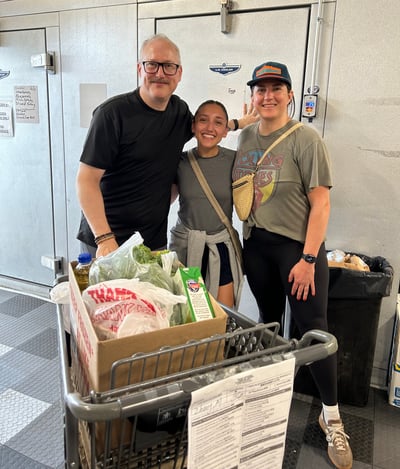
As life circumstances continue to evolve, so too can volunteer commitments. A transition to volunteering once a month, or adjusting based on personal capacity, reflects an understanding that one must give what they can, when they can. This ebb and flow is a natural part of life, and the ability to adapt one’s volunteer engagement to changing personal and professional demands is a hallmark of mature and sustainable altruism. The potential for increased participation in the future remains, contingent on the evolving rhythms of life.
The Power of Collective Action: Amplifying Impact Through Shared Effort
The concept of collective impact underscores the idea that "greater than the sum of our parts" is achievable through coordinated efforts. Imagine the potential if every adult in America were to volunteer just one day per month. This would translate into an estimated 100 million volunteer hours monthly, a staggering figure that illustrates the immense capacity for positive change when individuals unite for a common cause.
The enduring motivation for many volunteers stems from a deep sense of gratitude for their own blessings and a powerful desire to extend that sense of security and well-being to others. This intrinsic drive can serve as a potent inspiration for others to become involved. The call to action is often framed with a low barrier to entry: if an initial volunteer experience with a particular organization doesn’t resonate, the advice is to simply disengage and seek out another. Many organizations now offer virtual orientations, allowing prospective volunteers to gauge the level of commitment required and the overall organizational structure before making a definitive commitment. With a vast array of causes and organizations available, there is a high probability that a suitable fit exists for every individual. Once a group is found, the sign-up process is often streamlined through dedicated apps, enabling volunteers to easily integrate their contributions into their existing schedules.
While the ideal scenario might be to structure one’s life entirely around volunteerism, the realities of modern life often make this impractical. However, the understanding that even a few hours dedicated after work, once a month, can profoundly impact another person’s life—and potentially one’s own—is a powerful motivator. This sentiment highlights the accessible nature of making a difference and the reciprocal benefits that often accompany acts of service.

National Volunteer Month: A Time for Reflection and Engagement
April’s designation as National Volunteer Month, culminating in National Volunteer Week, provides a structured opportunity for individuals, organizations, and communities to celebrate and amplify the spirit of volunteerism. It is a period for reflection on the contributions of volunteers and an encouragement for greater participation.
Reward Gateway | Edenred, in its commitment to fostering employee engagement and community involvement, often aligns its internal initiatives with such national observances. The company’s proactive approach to providing VTO demonstrates a clear understanding of the benefits of volunteerism, not only for the community but also for employee morale, team building, and the overall organizational culture. By actively supporting and encouraging its employees to dedicate time to causes they care about, Reward Gateway | Edenred reinforces its mission to create a more positive and impactful world of work.
The 2026 HR Planning Calendar, mentioned in the original context, likely serves as a resource for organizations to plan and implement engagement strategies throughout the year. Such calendars often highlight key dates like National Volunteer Month and National Volunteer Week, providing frameworks for companies to organize volunteer events, recognize employee contributions, and cultivate a culture of community and belonging. These initiatives can range from company-sponsored volunteer days to providing resources and information that empower employees to find and engage with volunteer opportunities that align with their personal interests and values. The ultimate aim is to foster a workplace where employees feel connected to their communities and inspired to make a positive impact, thereby enhancing overall employee engagement and satisfaction.
The implications of widespread volunteerism are far-reaching. Beyond the direct services provided to those in need, volunteerism strengthens social cohesion, builds civic capacity, and fosters a more resilient and compassionate society. It allows individuals to develop new skills, gain diverse perspectives, and build meaningful relationships. For organizations, supporting volunteerism can enhance their brand reputation, attract and retain talent, and contribute to a more engaged and motivated workforce. As the data suggests, even small, consistent acts of kindness and service can accumulate into significant societal benefits, underscoring the enduring power of collective goodwill and individual commitment.