
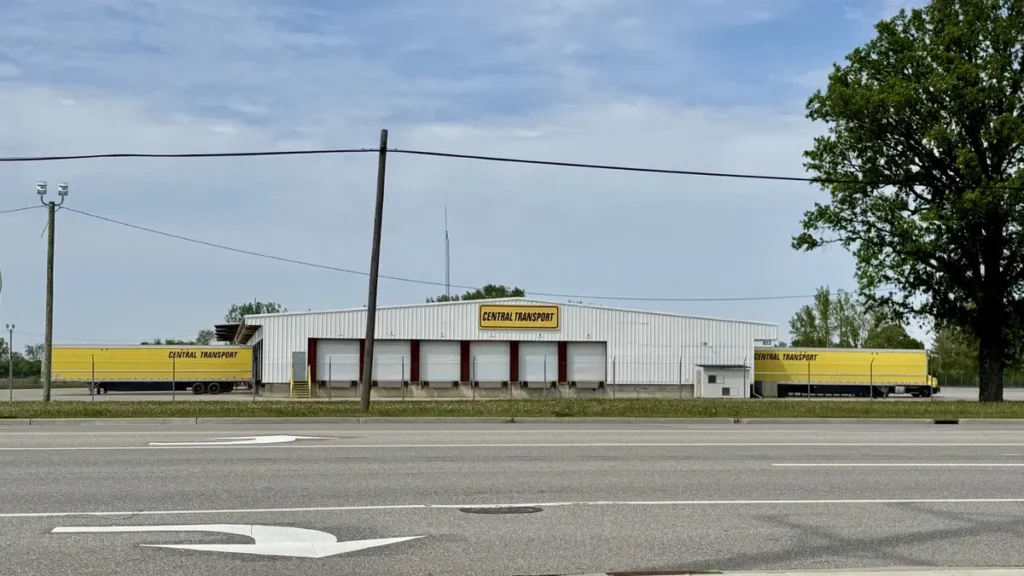
Central Transport, a prominent Michigan-based less-than-truckload (LTL) carrier, has agreed to pay $5.5 million to resolve a federal lawsuit brought by the U.S. Equal Employment Opportunity Commission (EEOC). The settlement addresses allegations that the company systematically failed to hire qualified women drivers across the country over the past decade, opting instead for less qualified male applicants and subjecting female candidates to different, more stringent hiring procedures. The resolution, announced by the EEOC on May 15, signifies a significant victory for gender equality in a historically male-dominated industry and underscores the federal agency’s commitment to enforcing civil rights in employment.
The lawsuit, filed in the U.S. District Court for the District of Arizona, asserted that Central Transport’s hiring practices constituted unlawful sex discrimination, violating Title VII of the Civil Rights Act of 1964 and the Civil Rights Act of 1991. These foundational civil rights statutes prohibit discrimination based on sex, race, color, religion, and national origin in employment. The EEOC’s investigation revealed a pattern where women applicants for truck driving positions were repeatedly overlooked, even when they possessed the requisite qualifications, while male counterparts with lesser credentials were hired. Specific examples cited in the EEOC’s findings included Central Transport locations in Phoenix, Arizona, and El Paso, Texas, where no women truck drivers were hired for several years despite numerous qualified female applicants.
The Legal Framework and EEOC’s Role
The EEOC is the federal agency responsible for enforcing federal laws that make it illegal to discriminate against a job applicant or an employee because of a person’s race, color, religion, sex (including pregnancy, gender identity, and sexual orientation), national origin, age (40 or older), disability, or genetic information. The agency investigates charges of discrimination, conciliates disputes between employers and employees, and, when necessary, files lawsuits to ensure compliance with federal anti-discrimination laws.
In this case, the allegations against Central Transport date back to at least 2016, as outlined in the case documents. The EEOC first attempted to resolve the matter through its administrative conciliation process, a standard procedure designed to achieve voluntary compliance before litigation. However, when these efforts proved unsuccessful, the EEOC proceeded with filing a lawsuit, signaling the gravity of the alleged discriminatory practices and the agency’s determination to secure justice for the affected women.
Mary Jo O’Neill, regional attorney for the EEOC’s Phoenix district office, emphasized the ongoing challenge of sex discrimination in certain sectors. "Unfortunately, sex discrimination in hiring continues to be a problem in some industries," O’Neill stated, while also acknowledging Central Transport’s willingness to resolve the case through a settlement. This willingness, despite the carrier’s denial of the allegations, reflects a strategic decision to avoid prolonged and potentially more costly litigation.
Central Transport: A Profile in the LTL Sector
Central Transport is a major player in the less-than-truckload (LTL) shipping sector, operating an extensive network of over 200 facilities across the United States. LTL carriers specialize in transporting freight that does not require the entire space of a truck, consolidating shipments from multiple customers into a single trailer. This business model relies heavily on a robust and efficient driver workforce. The company’s significant footprint underscores the broad impact of its alleged discriminatory practices, affecting potential employees across numerous states.
Despite the settlement, Central Transport has maintained its denial of the allegations. According to case documents signed by an attorney for the carrier, the company asserts its commitment to ensuring that "no employee or candidate will be discriminated against on the grounds of race, color, religion, sex, pregnancy, national origin, age, disability or genetic status in all areas of its operations and employment practices." This statement, while standard for companies facing such lawsuits, stands in contrast to the findings and the terms of the consent decree, which mandate significant changes to the company’s hiring processes.

The Settlement Agreement: Financial Compensation and Systemic Reforms
The consent decree, signed by Central Transport, the EEOC, and Arizona Federal Court Judge John Tuchi, outlines both financial compensation for the victims and comprehensive injunctive relief designed to prevent future discrimination. The $5.5 million settlement will be distributed among the four original complainants and a broader class of other qualified women truck drivers who applied for positions with Central Transport but were not hired due to the alleged discriminatory practices.
The financial compensation is structured with a specific allocation: 25% of the payments are designated as back pay wages, while the remaining 75% constitutes compensatory damages. This split acknowledges both the lost earnings potential and the non-economic harm, such as emotional distress and reputational damage, suffered by the applicants. Eligibility criteria for recipients are straightforward: an applicant must be a woman, have submitted an application, possess a valid commercial driver’s license (CDL), and have been denied employment by Central Transport.
Beyond monetary compensation, the settlement imposes substantial requirements aimed at reforming Central Transport’s hiring ecosystem:
- Fair Recruitment and Hiring: Central Transport must allow affected applicants to reapply for positions and participate in the company’s recruitment and hiring processes free from sex-based discrimination and retaliation for their involvement in the lawsuit. This provision aims to provide a second, fair chance for women who were previously denied opportunities.
- Independent Policy Review: The carrier is mandated to hire an outside consultant. This consultant will conduct a thorough review of Central Transport’s existing hiring policies, practices, and procedures to ensure full compliance with Title VII of the Civil Rights Act of 1964. This external oversight is critical for identifying and rectifying systemic biases.
- Compliance Monitor: A dedicated monitor will be appointed to supervise Central Transport’s adherence to the terms of the consent decree. This role is crucial for ensuring that the agreed-upon changes are not merely cosmetic but are effectively implemented and sustained over time.
- Anti-Discrimination Training: The company is required to provide comprehensive training on its anti-discrimination policies to its employees, particularly those involved in recruitment and hiring. This training must also cover recordkeeping obligations, emphasizing the importance of transparent and documented hiring decisions.
- Mandatory Data Reporting: Central Transport must comply with mandatory, annual data reporting for sizable businesses under EEO-1 reports. These reports provide demographic data about an employer’s workforce by race/ethnicity, gender, and job category, enabling the EEOC to monitor employment patterns and identify potential disparities.
Broader Implications for the Trucking Industry and Beyond
This settlement sends a strong message across the trucking industry and to all employers: discriminatory hiring practices, particularly those targeting women in traditionally male-dominated fields, will not be tolerated. The trucking industry has historically struggled with diversity, with women making up a small percentage of the overall driver workforce. According to the American Trucking Associations (ATA), women accounted for approximately 7.9% of all truck drivers in 2022, a figure that, while slowly rising, still highlights a significant gender gap. Organizations like the Women In Trucking Association actively advocate for increased female participation and address the unique challenges women face, such as lack of adequate facilities, safety concerns, and biases in recruitment.

The Central Transport case underscores the persistent barriers women can encounter when seeking entry into these professions. By allegedly subjecting women to different hiring procedures and favoring less qualified men, the company not only deprived qualified women of employment opportunities but also potentially perpetuated a cycle of underrepresentation. Such actions can create a hostile environment, discourage future female applicants, and limit the talent pool available to an industry constantly facing driver shortages.
The robust injunctive relief stipulated in the consent decree is particularly significant. Mandating external review, a compliance monitor, and extensive training goes beyond simple financial penalties. It aims to instigate lasting cultural and procedural changes within Central Transport, potentially serving as a blueprint for other companies grappling with similar issues. The requirement for detailed EEO-1 reporting ensures ongoing transparency and accountability, allowing the EEOC to track the company’s progress in fostering an inclusive hiring environment.
Moreover, this settlement reinforces the EEOC’s commitment to using its enforcement powers to dismantle systemic discrimination. It serves as a stark reminder for all businesses that proactive measures to ensure equitable hiring practices are not merely good corporate citizenship but a legal imperative. Companies must scrutinize their recruitment processes, job qualifications, and interview procedures to eliminate unconscious biases and ensure that decisions are based solely on merit and legitimate business needs, rather than gender stereotypes.
The resolution of the lawsuit against Central Transport is a pivotal moment for gender equality in the transportation sector. It not only provides redress for the women who were denied opportunities but also sets a precedent for how the trucking industry, and indeed all industries, must approach diversity and inclusion. As the industry continues to evolve and seek solutions to workforce challenges, embracing qualified individuals from all backgrounds, free from discriminatory barriers, will be essential for sustainable growth and a truly equitable future.






