
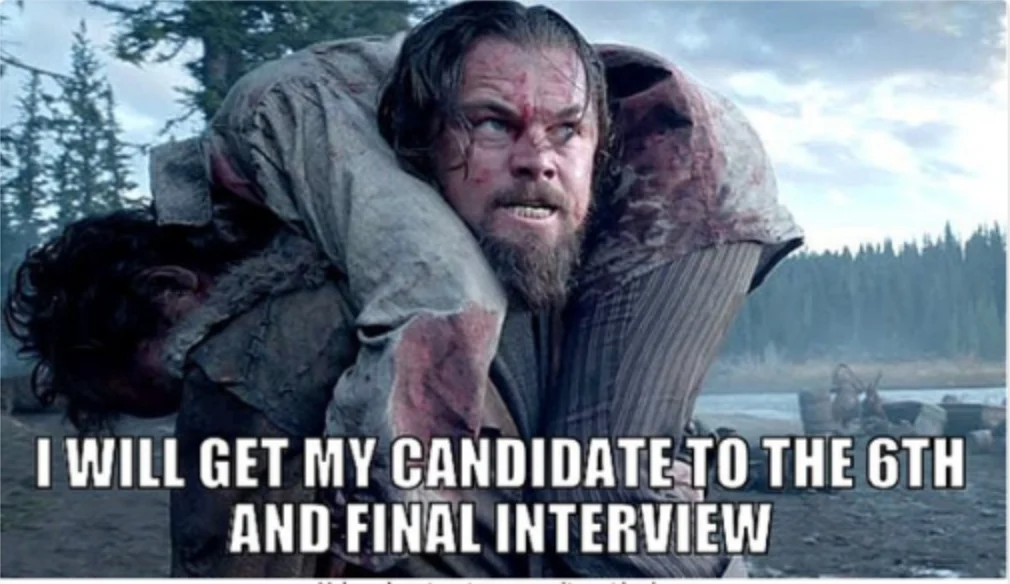
The landscape of talent acquisition, a field traditionally characterized by formal processes and strategic precision, has found an unexpected, yet profoundly expressive, outlet in the form of internet memes. These humorous, relatable images, often paired with witty captions, have become a universal language among recruiters and job seekers alike, offering a candid glimpse into the daily triumphs, frustrations, and absurdities of the hiring journey. Far from mere internet jokes, these memes serve as a cultural barometer, reflecting significant shifts and persistent challenges within the modern job market, from technological integration to evolving candidate expectations. This article delves into the various facets of recruitment highlighted by these popular digital artifacts, examining their role in fostering community, critiquing industry practices, and signaling broader trends.
The Digital Transformation of Recruitment: A Historical Context
Recruitment has undergone a profound transformation over the past few decades, moving from a primarily paper-based, local endeavor to a globally connected, digital-first industry. Early recruitment efforts relied heavily on classified advertisements, word-of-mouth referrals, and local employment agencies. The advent of the internet in the late 20th century, however, revolutionized the process, introducing job boards, corporate career pages, and, eventually, professional networking platforms. This digital shift not only broadened the talent pool but also introduced new complexities, necessitating advanced sourcing strategies, sophisticated applicant tracking systems (ATS), and a heightened focus on employer branding. As the industry digitized, so too did its shared experiences, paving the way for the rise of memes as a powerful form of collective commentary.
LinkedIn: The Unofficial Battleground for Talent
Among the most frequently parodied aspects of modern recruitment is LinkedIn, the professional networking behemoth. While indispensable for talent acquisition, its quirks and pervasive influence often become the subject of comedic relief. Industry data underscores its importance: approximately 92.6% of HR professionals and recruiters consider a candidate’s LinkedIn profile at least "useful" in hiring decisions, with over 22.3% deeming it "critical." This statistic, while affirming LinkedIn’s utility, also hints at the platform’s overwhelming presence, sometimes bordering on intrusive. Memes frequently depict recruiters as relentless digital detectives, meticulously sifting through profiles, or candidates grappling with the platform’s specific etiquette and the pressure to maintain an impeccably curated professional persona. The humor often arises from the shared understanding that despite its professional veneer, LinkedIn is also a highly competitive, sometimes performative, arena.
Navigating the Candidate Landscape: From Unicorns to Ghosting
The candidate experience, a critical component of successful recruitment, is rife with material for memes. These humorous reflections often underscore the delicate balance recruiters must strike between employer demands and candidate realities.
- The Elusive "Purple Squirrel Unicorn": Recruiters frequently face job descriptions that list an impossible array of skills, experience, and personality traits, leading to the mythical "purple squirrel unicorn" candidate. Memes on this theme highlight the unrealistic expectations hiring managers sometimes harbor, forcing recruiters into an often fruitless search for a non-existent ideal. This perpetuates a cycle of frustration for both recruiters, who struggle to find suitable matches, and candidates, who feel inadequate despite their qualifications.
- The Gauntlet of Applications and Interviews: The application process itself is a common source of meme-worthy exasperation. Candidates lament having to manually re-enter information already present in an uploaded resume, a redundant step that can deter even highly motivated applicants. The multi-stage interview process, often involving numerous rounds, tests, and assessments, is another target. Memes playfully depict candidates enduring their "sixth interview" or questioning the true intent behind extensive pre-hiring assignments, sometimes dubbed "unpaid skill-based assignments." This raises a pertinent ethical concern within the industry regarding fair compensation for pre-employment work and the balance between thorough assessment and candidate exploitation.
- The Ghosting Phenomenon: Perhaps one of the most widely recognized and frustrating aspects of modern recruitment is "ghosting," where either a candidate or an employer abruptly ceases communication without explanation. This trend has become so prevalent that it frequently appears in recruitment memes, reflecting the collective exasperation. Industry reports indicate that a significant percentage of candidates experience ghosting, leading to feelings of disrespect and uncertainty. Conversely, recruiters also experience candidate ghosting, particularly after extending an offer, creating workflow disruptions and wasted effort. Memes on this topic serve as both a coping mechanism and a subtle call for improved communication and professionalism on both sides of the hiring equation.
The Recruiter-Hiring Manager Dynamic: A Tale of Two Perspectives
The relationship between recruiters and hiring managers is a complex interplay of conflicting priorities, deadlines, and expectations, providing ample comedic fodder.
- The Shifting Goalposts of Job Descriptions (JDs): Memes frequently satirize the hiring manager who provides a vague or unrealistic job description, only to later criticize the candidates sourced. The frustration intensifies when job requirements are changed at the last minute, forcing recruiters to restart their search or adjust their outreach strategies. This highlights the critical need for clear, collaborative communication between recruiters and hiring managers from the outset to ensure alignment on candidate profiles and role expectations.
- Budgetary Constraints and Unrealistic Expectations: Another common theme revolves around limited recruitment budgets versus ambitious hiring targets. Memes often show recruiters struggling to meet demands with insufficient resources, or the stark reality of how a meticulously planned recruitment strategy is often scaled back to a bare-bones approach by senior management. This reflects a persistent challenge in HR: advocating for necessary investment in talent acquisition despite perceived cost pressures.
- Candidate Presentation and First Impressions: The occasional disconnect between a candidate’s casual interview attire and the hiring manager’s professional expectations is also a source of lighthearted humor. While not a universal issue, memes depicting a hiring manager’s judgmental gaze at a casually dressed candidate underscore the enduring importance of professional presentation, even in increasingly relaxed corporate cultures.
The Offer Stage: High Stakes and Unexpected Twists
The moment a job offer is extended marks a critical juncture, often fraught with tension and unexpected turns. Memes capture the emotional rollercoaster recruiters experience during this phase.
- The Vanishing Act: A recurring meme depicts the despair of a recruiter when a seemingly perfect candidate, after expressing enthusiasm and progressing through multiple interview rounds, suddenly disappears after receiving an offer. This "now you see them, now you don’t" scenario is a stark reminder of the competitive talent market and the numerous factors influencing a candidate’s final decision.
- Salary Expectations and Negotiations: Salary discussions are a central component of the offer stage, and memes often highlight the awkwardness or absurdity that can arise. The struggle to reconcile a company’s budget with a candidate’s compensation expectations is a common narrative. Memes also poke fun at vague salary ranges in job descriptions or candidates who, despite expressing immense interest, ultimately decline due to a better offer, often with a humorous, understated explanation. This points to the growing demand for salary transparency, which many candidates now view as a non-negotiable aspect of a fair hiring process.
- The "We’re Family" Red Flag: In an era where work-life balance and employee well-being are paramount, the once-charming phrase "we’re like a family here" has become a red flag for many job seekers. Recruitment memes often depict candidates interpreting this statement as a veiled warning of unpaid overtime, blurred boundaries, and excessive demands on personal time. This shift reflects a broader cultural movement towards healthier workplace boundaries and a rejection of performative corporate loyalty.
The Rise of AI and Automation in Hiring
The integration of artificial intelligence (AI) into recruitment processes is a significant trend, and memes have been quick to reflect both its promise and its paradoxes. AI-powered tools are increasingly used for resume parsing, candidate matching, and even initial screening, promising efficiency and objectivity. However, this has also led to a counter-movement where candidates utilize AI tools to optimize their resumes to bypass ATS filters. Memes humorously depict this "AI vs. AI" battle, suggesting a dystopian future where robots recruit robots. This highlights concerns about the potential for depersonalization in hiring, the need to ensure ethical AI use to avoid bias, and the enduring importance of human judgment in assessing soft skills and cultural fit.
Beyond Corporate: Military Recruitment’s Unique Challenges
While many recruitment memes focus on corporate hiring, military recruitment faces its own distinct set of pressures and public perceptions. Memes about army and marine recruiters often tap into the unique humor found in the juxtaposition of civilian life and military discipline, the rigorous demands of service, and the specific challenges of convincing individuals to commit to a career path with such profound implications. These memes often reflect a different kind of "sales" pitch, one that emphasizes duty, camaraderie, and a sense of purpose, distinct from the perks and benefits often highlighted in corporate recruitment.
The Broader Implications: Memes as a Mirror of the Industry
The proliferation of recruiter memes is more than just a passing internet fad; it’s a significant cultural phenomenon with tangible implications for the talent acquisition industry.
- Employer Branding and Reputation: The shared humor and frustrations expressed through memes contribute to a collective understanding of what it’s truly like to work with certain companies or within the industry as a whole. A company’s recruitment practices, if consistently depicted negatively in viral memes, can significantly impact its employer brand and its ability to attract top talent. Conversely, companies that embrace humor and acknowledge industry realities can build stronger connections with candidates.
- Advocating for Change: Memes serve as a subtle, yet powerful, form of social commentary. By amplifying common pain points—like ghosting, unrealistic JDs, or convoluted hiring processes—they exert pressure on organizations to re-evaluate and refine their strategies. They provide a platform for collective voice, implicitly advocating for greater transparency, efficiency, and respect for both recruiters and candidates.
- Coping Mechanism and Community Building: For professionals navigating the often stressful and demanding world of recruitment, memes offer a vital coping mechanism. Sharing a laugh over a relatable challenge can alleviate stress, foster a sense of camaraderie, and build a stronger professional community where experiences are validated and understood.
Conclusion: The Enduring Power of Shared Laughter in a Dynamic Field
Recruiter memes, in their witty and often poignant simplicity, offer a unique and valuable lens through which to view the contemporary talent acquisition landscape. They encapsulate the industry’s rapid evolution, the complex interplay between technology and human interaction, and the perennial challenges of connecting the right talent with the right opportunities. From the digital dominance of LinkedIn to the ethical dilemmas of AI, and the perennial quest for the "purple squirrel," these memes are more than just jokes; they are reflections of an industry in constant flux, striving for efficiency, equity, and human connection. As the world of work continues to transform, these humorous insights will undoubtedly continue to emerge, serving as a reminder that even in the most professional of spheres, a good laugh can be the most insightful commentary of all. Companies like Ongig, focused on optimizing job descriptions for clarity, inclusivity, and compelling engagement, play a crucial role in addressing many of the underlying issues that give rise to these relatable recruitment narratives.






