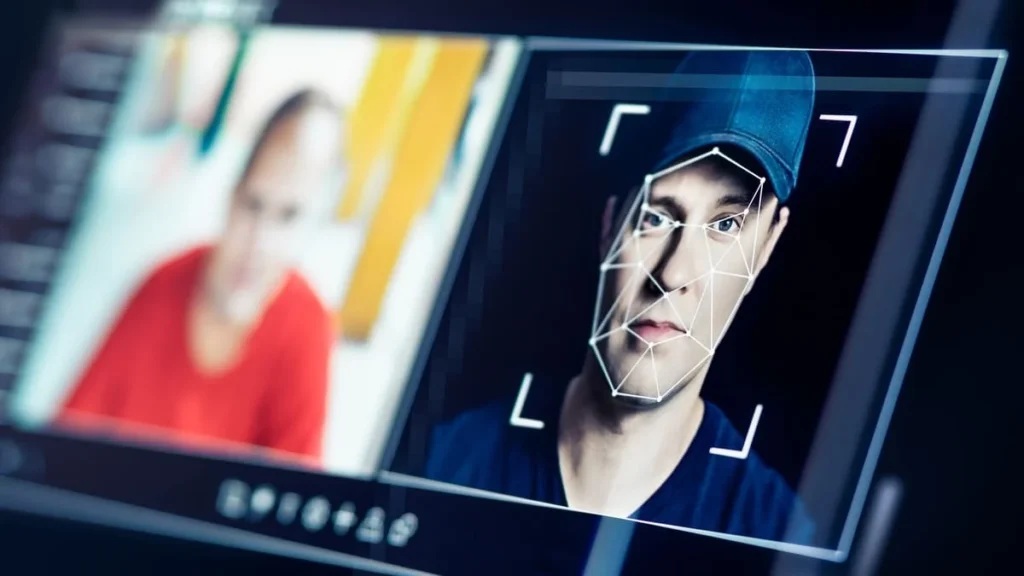
Organizations worldwide are increasingly integrating artificial intelligence into their strategies for verifying critical risk information, a move driven by mounting pressure to respond swiftly to evolving health, safety, and security threats. However, a recent study by International SOS issues a stark warning to HR and business leaders: an over-reliance on AI without robust human judgment risks amplifying misinformation and deepfake threats, creating unprecedented dangers for employees and operational stability. The research underscores a critical juncture in corporate risk management, where technological advancement must be meticulously balanced with human discernment to navigate a landscape fraught with synthetic content and targeted deception.
The "Risk Outlook 2026 Pulse Check," a comprehensive survey conducted by International SOS, gathered insights from nearly 300 senior decision-makers across 53 countries. Its findings reveal that a significant 60% of these leaders believe AI’s primary value lies in its capacity to verify or validate information from diverse sources at speed. This conviction highlights the growing appeal of AI as a powerful tool for sifting through vast amounts of data, identifying patterns, and flagging potential risks that might otherwise overwhelm human analysts. In an era defined by rapid change and complex global challenges, the promise of AI to enhance situational awareness and accelerate response times is undeniable.
Yet, the same report casts a long shadow over this enthusiasm, exposing the profound vulnerabilities organizations face. More than four in ten (42%) organizations admitted to having been directly affected by false, misleading, or unverified information, or confessed to lacking the necessary visibility to even comprehend its full impact. This statistic is a powerful testament to the pervasive nature of digital deception and its tangible consequences for corporate operations and employee welfare. Respondents articulated that "fake signals," "synthetic content," and "targeted impersonation" are not merely abstract threats but active disruptors, injecting operational uncertainty and complicating the already arduous task of protecting employees during fast-moving crises.
The Evolving Landscape of Digital Deception
The rise of AI has coincided with, and in some ways accelerated, the proliferation of sophisticated digital deception techniques. Fake signals, for instance, can manifest as fabricated intelligence reports, manipulated social media trends, or even falsified sensor data designed to mislead decision-makers about a developing threat. Synthetic content, often generated by advanced AI models, includes highly realistic but entirely fabricated images, audio, and video that can mimic real events or individuals. Targeted impersonation, a particularly insidious form of deception, leverages AI to create convincing personas or deepfakes of trusted figures—from company executives to public health officials—to disseminate false information or illicitly gain access to sensitive data.
The implications of these threats extend far beyond mere reputational damage. In a corporate context, misinformation can lead to misguided investments, compromised security protocols, and, most critically, endanger employees by providing false safety advice during natural disasters, security incidents, or public health crises. The report specifically highlighted an emerging and particularly chilling threat: AI-generated deepfakes. Dr. Irene Lai, Global Medical Director at International SOS, starkly warned that convincing fake videos of healthcare professionals delivering erroneous advice during disease outbreaks could become "the new frontier of biowarfare." This foresight underscores a future where misinformation is not just an inconvenience but a weaponized tool capable of inciting panic, undermining public health efforts, and creating widespread chaos.
The Indispensable Role of Human Judgment
Against this backdrop of advanced AI and sophisticated deception, International SOS firmly asserts that human judgment must remain the bedrock of decision-making, especially when employee health, wellbeing, and security are at stake. Cvete Koneska, Global Security Director at International SOS, articulated this nuanced perspective: "While AI can help surface, synthesise and prioritise information at speed, verification remains a high-stakes task where careful human judgment remains indispensable, particularly when decisions can impact people’s health, safety and security." Koneska emphasized that a "misplaced reliance on AI at this stage can amplify misinformation risks and delay critical decisions rather than improve them." The most "prudent approach," she concluded, is a "human-led model of integrating AI into risk management."
This "human-led model" is crucial because, despite AI’s impressive capabilities in data processing and pattern recognition, it fundamentally lacks the capacity for contextual understanding, ethical reasoning, and critical evaluation that humans possess. AI models, particularly those trained on vast datasets, can sometimes perpetuate biases present in the data, leading to skewed or inaccurate assessments. They struggle with ambiguous situations, nuanced social cues, and the ability to discern intent—all elements critical in real-world risk scenarios. A human analyst can cross-reference information with qualitative data, assess the credibility of sources based on past interactions, and apply ethical frameworks to potential responses, faculties that remain beyond AI’s current grasp. Therefore, AI should function as an intelligent assistant, a force multiplier for human capabilities, rather than an autonomous decision-maker in high-stakes environments.
Gaps in Crisis Preparedness and Governance
Beyond the technological challenges, the International SOS research also exposed significant organizational deficiencies in crisis response and risk governance. A concerning finding was that only one in ten (10%) organizations felt they could respond "very quickly" to emerging risks. Even more alarming, one in five (20%) admitted they were "not quick to respond at all." This sluggishness in response time is a critical vulnerability in an environment where threats can materialize and escalate within hours, if not minutes. The delay in action can exacerbate crises, increase potential harm to employees, and inflict greater financial and reputational damage on the organization.

The report further highlighted substantial gaps in risk governance frameworks. Nearly one in five (17%) respondents confessed to being unclear about the precise procedures to follow once new risks emerged. A quarter (25%) lacked clarity over the specific triggers that necessitate escalation to higher management or specialized teams. Furthermore, only around one in five organizations expressed strong clarity regarding how global and local responses should be harmonized and aligned. This fragmentation in understanding and execution can lead to a host of problems during a crisis, including duplicated efforts, inconsistent responses across different regions or departments, and increased pressure on employees who are forced to operate in an environment of ambiguity and uncertainty. International SOS warned explicitly that such unclear decision-making processes could heighten the risk of employee burnout, a significant concern for HR departments already grappling with workforce wellbeing challenges.
HR’s Pivotal Role in a Hybrid Risk Landscape
For human resources teams, these findings are a clarion call to action, reinforcing the imperative for robust governance, transparent communication channels, and comprehensive employee wellbeing support as organizations increasingly embed AI into their risk management strategies. HR is uniquely positioned to bridge the gap between technological capabilities and human needs, ensuring that AI adoption is ethical, effective, and employee-centric.
Firstly, HR must play a leading role in developing clear policies and ethical guidelines for the use of AI in risk verification and other sensitive areas. This includes defining acceptable uses of AI, establishing protocols for data privacy and security, and ensuring transparency about how AI influences decisions that affect employees. Secondly, robust communication channels are paramount. During a crisis, HR must ensure that employees receive accurate, timely, and verified information, actively combating the spread of internal misinformation and providing reliable sources of truth. This involves leveraging internal communication platforms effectively and training leaders to disseminate information responsibly.
Thirdly, employee wellbeing support is more critical than ever. The stress and anxiety generated by rapidly evolving situations, compounded by the threat of misinformation and deepfakes, can take a severe toll on mental health. HR teams need to ensure access to mental health resources, provide clear guidance on managing stress during crises, and foster a culture of psychological safety where employees feel empowered to raise concerns or seek help without fear of reprisal. Finally, HR should champion training and awareness programs to educate both employees and leaders on identifying deepfakes and misinformation, promoting critical thinking, and understanding the limitations of AI. Equipping the workforce with digital literacy skills is a vital defense mechanism against sophisticated deception.
Overcoming Organizational Inertia: Speed vs. Stability
James Wood, Security Director for Northern Europe at International SOS, pinpointed a fundamental organizational challenge: "The biggest barriers are not about awareness of risk, but at the point of decision. Organisations are often structured for stability, not volatility. That slows action when speed matters most." This observation highlights a systemic issue where traditional hierarchical structures and bureaucratic processes, designed for predictable environments, become liabilities in dynamic, high-stakes situations. The need for multiple layers of approval or a lack of empowered decision-makers can critically impede an organization’s ability to respond effectively when every second counts.
To overcome this inertia, organizations must cultivate a culture of agility and empower cross-functional teams to make rapid, informed decisions during crises. This involves investing in leadership training that emphasizes decisive action under pressure, establishing clear lines of authority for emergency situations, and implementing scenario planning exercises to test and refine response protocols. Developing a framework that prioritizes speed of action without compromising due diligence is essential. This often means decentralizing certain decision-making powers to those closest to the emerging threat, while maintaining a clear escalation matrix for situations requiring broader strategic oversight.
The Path Forward: A Synergistic Approach to Risk Management
The journey ahead for corporate risk management demands a sophisticated and synergistic approach. It is not a matter of choosing between AI and human intelligence, but rather integrating them into a powerful, complementary system. Organizations must strategically invest in advanced AI tools that not only process information at speed but also incorporate explainability features, allowing human analysts to understand the AI’s reasoning and detect potential biases. Simultaneously, there must be a renewed emphasis on developing and nurturing human capabilities in critical thinking, ethical judgment, and emotional intelligence—skills that AI cannot replicate.
Developing clear, actionable crisis response protocols, regularly reviewing and updating risk management frameworks, and fostering a culture of transparency and psychological safety are non-negotiable steps. Leaders must champion a proactive stance, recognizing that effective risk management is an ongoing process of adaptation and learning. By combining the analytical power of AI with the irreplaceable wisdom and discernment of human experts, particularly within a strategically empowered HR function, organizations can build truly resilient systems capable of safeguarding their people and operations in an increasingly complex and deceptive world. The future of corporate security and employee welfare hinges on this delicate, yet powerful, partnership.