
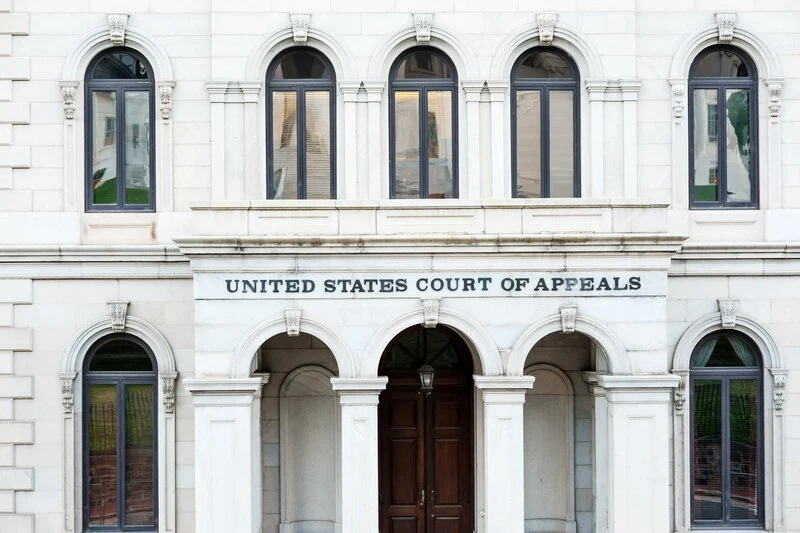
The United States Court of Appeals for the Fourth Circuit issued a pivotal and highly contentious ruling on Thursday, voting en banc to grant the federal government’s motion to stay a lower court’s permanent injunction. This injunction had previously blocked the Department of Defense (DOD) from enforcing long-standing policies that prohibit individuals living with Human Immunodeficiency Virus (HIV) from enlisting in the various branches of the U.S. Armed Forces. The decision, which comes amid a shifting legal and medical landscape regarding HIV treatment and transmission, represents a significant, albeit temporary, victory for the Pentagon as it seeks to maintain its traditional authority over medical accession standards.
The stay effectively pauses the lower court’s order, allowing the DOD to continue its practice of denying enlistment to HIV-positive applicants while the broader legal merits of the case are argued on appeal. The split within the Fourth Circuit was palpable, reflecting a deep judicial divide over the balance between military deference and the constitutional rights of individual citizens. In a sharply worded dissent that highlighted the mounting frustration among some members of the judiciary, one appellate judge characterized the federal government’s legal strategy as obstructive, writing that "the government is playing games!" with the lives of prospective service members and the mandates of the court.
The Legal Conflict and the En Banc Intervention
The current legal battle centers on the DOD’s "accession" standards, which differ from its "retention" standards. While the military has recently modernized its policies to allow current service members living with HIV to remain on active duty and even deploy if they are virally suppressed, it has maintained a strict ban on new recruits entering the service with a pre-existing HIV diagnosis.
In the underlying district court case, the judge ruled that these categorical bans were based on "outdated science" and violated the Equal Protection Clause of the Fifth Amendment. The district court found that because modern antiretroviral therapy (ART) can render the virus undetectable and untransmittable (U=U), the military’s concerns regarding medical readiness and battlefield blood safety were no longer legally sufficient to justify a blanket exclusion.
However, the Fourth Circuit’s decision to grant a stay suggests that a majority of the full court believes the government has a "likelihood of success on the merits" or that the military would suffer "irreparable harm" if forced to change its enlistment protocols before the appellate process is complete. By moving the case to an en banc hearing—where all active judges on the circuit participate rather than a standard three-judge panel—the Fourth Circuit signaled the exceptional importance of the constitutional and national security issues at stake.
A Chronology of HIV Policy in the U.S. Military
To understand the weight of the Fourth Circuit’s stay, it is necessary to examine the timeline of military HIV policy, which has evolved significantly over the last four decades:
- 1980s – Early 1990s: At the height of the HIV/AIDS epidemic, the DOD implemented strict bans on both enlistment and retention. Service members who tested positive were often dishonorably discharged or restricted to non-deployable roles.
- 2018: Advocacy groups, including Lambda Legal and OutServe-SLDN, filed a series of lawsuits (notably Roe v. Austin and Harrison v. Austin) challenging the military’s "Deploy or Get Out" policy, which targeted HIV-positive service members for separation.
- April 2022: A landmark ruling in the Eastern District of Virginia ordered the DOD to stop discharging or denying commissions to service members solely because they are living with HIV and are virally suppressed.
- June 2022: Secretary of Defense Lloyd Austin issued a memorandum officially updating the DOD’s policy. The new guidance stated that service members with undetectable viral loads would no longer be restricted from worldwide deployment or from commissioning as officers.
- 2023–2024: Litigation shifted focus toward "accession" (enlistment). Plaintiffs argued that if HIV-positive individuals are fit to serve and deploy once inside the military, there is no rational basis to prevent them from joining in the first place.
- Late 2025: A federal district court issued a permanent injunction against the enlistment ban, prompting the DOD’s immediate appeal to the Fourth Circuit.
- June 2026: The Fourth Circuit grants the stay, reinstating the ban pending the final outcome of the appeal.
Medical Advancements vs. Military Deference
At the heart of the government’s defense is the doctrine of "military deference," a legal principle where courts are generally reluctant to second-guess the professional judgment of military commanders regarding personnel and readiness. The DOD argues that even if the risk of transmission is low, the administrative and logistical burden of managing a chronic condition like HIV from the moment of enlistment could hamper military efficiency.
Supporting data provided by the government in previous filings suggests that the military views the "accession" phase as a period where the highest standards of physical fitness and "deployability" must be met without the need for ongoing specialized medical care. They argue that unlike current service members, in whom the military has already invested significant training, new recruits do not yet possess the "sunk cost" value that would justify the medical management of a chronic infection.
Conversely, medical experts and the plaintiffs point to overwhelming data regarding the efficacy of ART. According to the Centers for Disease Control and Prevention (CDC), individuals who take ART as prescribed and achieve an undetectable viral load have effectively no risk of transmitting HIV to their sexual partners and an extremely low risk of transmission through blood exposure in a controlled environment.
Advocates also point out that the military currently allows individuals with other manageable chronic conditions—such as certain types of asthma or controlled diabetes—to seek waivers for enlistment. The categorical exclusion of HIV, they argue, is a vestige of 1980s-era stigma rather than a reflection of 21st-century medicine.
The Dissent: "The Government is Playing Games!"
The split in the Fourth Circuit was punctuated by a fiery dissent that accused the Department of Justice and the DOD of tactical delays. The dissenting opinion argued that the government has repeatedly moved the goalposts during litigation, acknowledging the science of U=U in one context (retention) while denying its relevance in another (enlistment).
"The government continues to rely on hypothetical risks that its own updated policies for active-duty members have already debunked," the dissent noted. The phrase "playing games" refers to what the dissenting judges see as an attempt to run out the clock and delay the inevitable integration of HIV-positive recruits, thereby prolonging a discriminatory practice that has no basis in modern science.
The dissent further argued that the stay causes real-world harm to hundreds of qualified applicants who wish to serve their country but are being turned away based on a medical status that does not affect their ability to perform military duties.
Official Responses and Reactions
The Department of Defense has remained relatively reserved in its public comments, citing the ongoing nature of the litigation. However, a spokesperson for the Pentagon reiterated that "medical standards for accession are designed to ensure that every recruit is capable of performing their duties in any environment, including austere locations with limited access to specialized medical care."
Advocacy groups were quick to condemn the Fourth Circuit’s decision to grant the stay. Peter Perkowski, an attorney representing the plaintiffs, stated, "Every day this stay remains in place is another day that the U.S. military is deprived of talented, dedicated individuals who are perfectly capable of serving. The science is settled; it is only the policy that is lagging behind."
On the other side, some conservative legal foundations and former military officials have supported the DOD’s cautious approach. They argue that the primary purpose of the military is combat lethality, not social progression, and that any change to medical standards must be thoroughly vetted by military medical professionals rather than mandated by civilian courts.
Broader Impact and Implications
The Fourth Circuit’s decision has implications that reach far beyond the specific individuals named in the lawsuit.
1. Recruitment Crisis
The U.S. military is currently facing one of its most severe recruitment shortfalls in decades. By maintaining barriers to entry for groups that are medically fit to serve, critics argue the DOD is exacerbating its own manpower problems. Opening enlistment to HIV-positive individuals who are virally suppressed would expand the pool of eligible recruits at a time when the military is struggling to meet its quotas.
2. Civil Rights Precedent
The final ruling in this case could set a significant precedent for how the Americans with Disabilities Act (ADA) and the Rehabilitation Act are applied to the military. While the military is often exempt from certain employment laws, a ruling that its medical standards must be grounded in "current medical knowledge" would represent a major shift in how the courts oversee DOD personnel policy.
3. International Standards
Other nations have already moved toward more inclusive policies. Countries like the United Kingdom have recently updated their regulations to allow individuals living with HIV to join the armed forces, provided they have an undetectable viral load. The outcome of the U.S. case will determine whether the American military remains an outlier among its closest allies.
4. The Path to the Supreme Court
Given the en banc split and the fundamental constitutional questions involved, legal analysts believe this case is on a direct path to the U.S. Supreme Court. A stay by the Fourth Circuit provides a temporary reprieve for the DOD, but it also increases the likelihood that the nation’s highest court will eventually have to weigh in on whether "military deference" can shield the government from evolving scientific realities.
As the case moves forward, the legal community will be watching closely to see if the Fourth Circuit’s final decision on the merits will align with its decision to grant the stay. For now, the "games" described by the dissent continue, leaving the future of HIV-positive recruits in a state of judicial limbo.








