
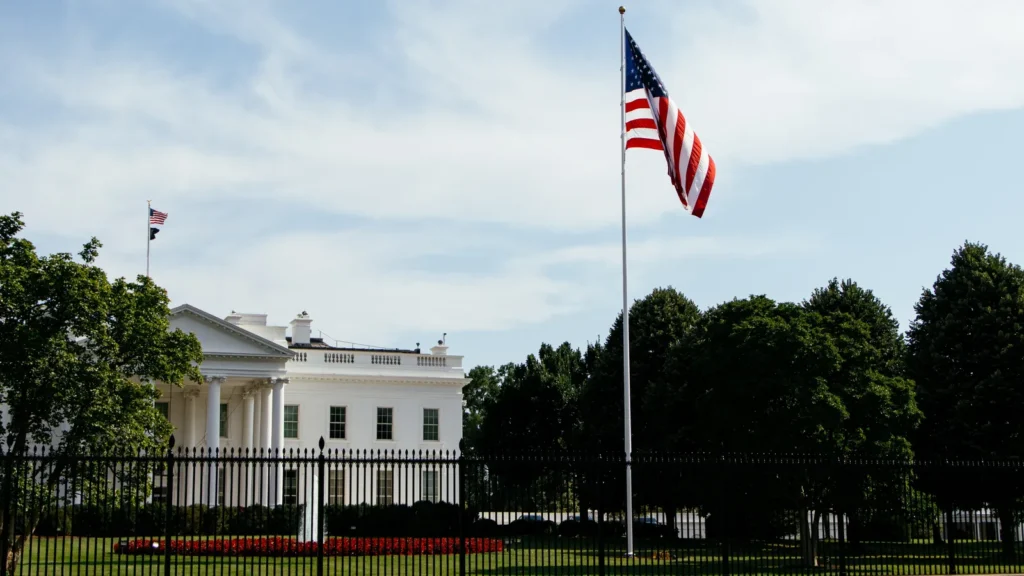
Federal agencies, including the U.S. Department of Labor (DOL), the Equal Employment Opportunity Commission (EEOC), and the Department of Homeland Security (DHS), have submitted a comprehensive series of updates to new and existing regulatory efforts to the White House Office of Management and Budget (OMB). These filings, made public on a recent Friday, outline ambitious timelines for forthcoming proposed and final rules that promise to significantly reshape federal employment law compliance across various sectors. Key areas targeted for reform include worker classification, work hours for minors, protections for pregnant workers, the application of disparate impact liability theory, and the H-1B visa program for skilled foreign workers. This concerted effort underscores the Trump administration’s overarching agenda to recalibrate federal regulations, particularly within the critical antidiscrimination and wage-and-hour frameworks.
A Broader Push to Reshape Federal Employment Landscape
The current administration’s regulatory push is not an isolated event but rather a continuation of a consistent strategy to streamline or roll back what it perceives as burdensome regulations and to align federal interpretations with a more employer-centric philosophy. This approach has been evident across multiple departments and agencies, aiming to foster what it describes as increased clarity and reduced administrative costs for businesses. Critics, however, argue that such changes could weaken worker protections and civil rights. The updates provided to the OMB offer a detailed roadmap of these impending shifts, setting the stage for significant public debate and potential legal challenges in the coming months and years.
Department of Labor Outlines Key Wage and Hour Reforms
The Department of Labor’s submissions reveal several critical initiatives focused on wage-and-hour issues, a perennial area of contention between employers and employees.
Independent Contractor Rule: A Return to "Economic Reality"
Perhaps one of the most anticipated and impactful items clarified by the DOL is the timeline for its independent contractor rule. The proposed version, initially published in February, seeks to redefine the distinction between employees and independent contractors under the Fair Labor Standards Act (FLSA). The DOL has now set an ambitious target of October 2026 for the final rule’s implementation.
This proposal represents a significant pivot, aiming to return the agency’s interpretation closer to the standard adopted during the Trump administration’s previous term. At its core, the rule will center on an "economic reality test." This test emphasizes two primary factors to determine a worker’s classification: the degree of control the worker exercises over their work and their opportunity for profit or loss based on their initiative or investment. This approach contrasts sharply with the "ABC test" or other multi-factor tests favored by some states and previous administrations, which often make it more difficult for businesses to classify workers as independent contractors.
The DOL projects that this rule, once finalized, will entail an initial, one-time regulatory familiarization cost of approximately $488 million for businesses. However, it also estimates a substantial cost savings of nearly $683 million, which it attributes to "increased clarity" in classification standards. This anticipated clarity is intended to reduce legal disputes and administrative burdens for employers, particularly in industries heavily reliant on gig workers or contract labor, such as transportation, delivery services, and certain tech sectors. The ongoing debate over worker classification has profound implications for benefits, taxes, and worker protections, making this rule a central battleground in the future of work.
Joint Employment Standards: A Continuing Effort
In a related but distinct effort, the DOL confirmed its ongoing work on a proposed rule interpreting joint employment standards under the FLSA. The agency initially announced this proposal in April, aiming to clarify when multiple entities can be considered joint employers responsible for the same worker. While a timeline for a final rule has not yet been provided, this initiative is crucial for businesses that rely on staffing agencies, franchises, or subcontracting models, as it dictates the scope of their legal liabilities and obligations towards workers.
Revisiting Tip Credits: A Perennial Regulatory Dance
The DOL also announced a new wage-and-hour regulatory effort targeting "tip credits" against the FLSA’s minimum wage requirements, with a proposed rule expected by August. This area has been a continuous subject of regulatory adjustments across successive administrations, reflecting the complexities of compensation in service industries.
The practice of taking a tip credit allows employers to pay tipped employees less than the federal minimum wage, provided the employees’ tips make up the difference. However, controversies often arise when employees perform both tipped and non-tipped work, a scenario known as a "dual job." The Biden administration, for instance, previously sought to clarify when employers could take a tip credit in such situations, only to see its proposal struck down by a federal judge and subsequently discarded. The new proposal from the current administration is expected to revisit these clarifications, likely aiming for an interpretation that offers greater flexibility for employers in managing tip pools and compensation structures. The hospitality industry, particularly restaurants and bars, will be closely watching these developments.
Child Labor Laws: Adapting to Evolving Workforce Needs
Another significant proposal from the DOL, anticipated by September, aims to amend its regulatory standards under the FLSA concerning permissible work hours for 14- and 15-year-olds. This move follows a broader trend at state and local levels to ease child labor restrictions, often cited as a response to persistent labor shortages in various sectors.
In recent years, several states have either proposed or enacted legislation to allow younger workers to take on more hours or work in previously restricted occupations. Proponents argue that these changes provide valuable work experience for minors and help businesses fill essential roles, especially in retail and food service. Critics, however, raise concerns about the potential impact on minors’ education, health, and safety, emphasizing the historical purpose of child labor laws to protect young workers from exploitation. The DOL’s federal proposal will likely seek to balance these competing interests, potentially adjusting the hours, types of work, or conditions under which 14- and 15-year-olds can be employed, bringing federal standards into closer alignment with some of these state-level relaxations.
EEOC Signals Enforcement Shift and Data Collection Changes
The Equal Employment Opportunity Commission (EEOC), the federal agency responsible for enforcing workplace civil rights laws, has also outlined a series of significant changes, signaling a shift in its enforcement priorities and data collection practices.
The End of EEO-1 Reporting?
One of the most notable announcements from the EEOC in recent weeks was its plan to discontinue annual demographic data reporting requirements, such as the EEO-1 report. The agency has now clarified that a Notice of Proposed Rulemaking (NPRM) on this proposal will be released this month, initiating a public comment period set to conclude in September.
The EEO-1 report, which requires private employers with 100 or more employees (or federal contractors with 50 or more employees) to submit workforce demographic data by race/ethnicity, sex, and job category, has been a cornerstone of federal civil rights enforcement for decades. The EEOC, in a statement accompanying the OMB notice, described this data collection as "not mandated by statute, but was an agency-created requirement, which imposed a significant financial and administrative burden on America’s employers, including thousands of small businesses."
While the administration frames this as a measure to reduce regulatory burden, the potential cessation of EEO-1 reporting has drawn criticism. Attorneys and civil rights advocates argue that this data is invaluable for identifying patterns of discrimination, guiding enforcement actions, and informing policy decisions. Without this centralized dataset, the EEOC’s ability to proactively detect and investigate systemic discrimination could be significantly hampered. Despite the news, HR departments have generally been advised to retain their EEO-1 reporting processes, both to prepare for any potential resumption of the program under future administrations and to comply with applicable state and local data collection requirements, which often mirror federal standards.
Rescinding Decades-Old Interpretive Guidance
Beyond EEO-1, the EEOC also announced the proposed rescission of several decades-old interpretive rules, reflecting a broader effort to reinterpret or discard guidance documents deemed outdated or inconsistent with current administrative policy.
One such document targeted for rescission addresses disparate impact liability in the context of national origin discrimination. Disparate impact theory holds that certain employment practices that appear neutral on their face may still be discriminatory if they have a disproportionately negative effect on a protected group and are not job-related and consistent with business necessity. The Trump administration has generally sought to limit regulators’ reliance on disparate impact, viewing it as an overly broad tool that can lead to unintended consequences for employers. Rescinding this guidance aligns with that broader strategy, potentially making it more challenging for individuals to bring successful disparate impact claims based on national origin.
Similarly, the EEOC proposes to rescind a 1979 interpretive rule on affirmative action programs. Affirmative action, designed to remedy past or present discrimination by promoting equal opportunity, has been a contentious legal and political issue for decades. The rescission of this guidance could signal a further retreat from federal encouragement or enforcement of such programs, particularly in light of recent Supreme Court decisions that have significantly curtailed affirmative action in college admissions and could impact employment practices.
Furthermore, the commission seeks to rescind a 1979 appendix to its guidelines on sex-based discrimination. The EEOC noted that this appendix, written shortly after the passage of the Pregnancy Discrimination Act (PDA), is now "outdated" and predates the 2022 enactment of the Pregnant Workers Fairness Act (PWFA). The PWFA significantly expanded protections for pregnant workers, requiring employers to provide reasonable accommodations for pregnancy, childbirth, or related medical conditions, unless doing so would impose an undue hardship. While the rescission of an outdated appendix might seem procedural, Commissioner Kalpana Kotagal has voiced concerns that removing such guidance without robust replacements could create a regulatory void and foster uncertainty for employers.
Commissioner Kotagal’s Dissent: A Warning on Worker Protections
The EEOC’s regulatory changes have not been met with unanimous approval within the commission itself. Kalpana Kotagal, the EEOC’s sole Democratic commissioner, publicly expressed her strong opposition, stating in a LinkedIn post that she voted against the agency’s regulatory agenda.
Kotagal argued that the potential rollback of EEO-1 reporting could "kneecap its ability to investigate discrimination," depriving the agency of critical data needed to identify and address systemic issues. She further contended that the other proposed updates, particularly the rescissions of interpretive rules, would ultimately "weaken workers’ civil rights protections." Her statement underscored deep concerns about the implications of these changes: "I fear that the rescissions will leave a void that will sow uncertainty for employers and ultimately undermine equal employment opportunity," Kotagal wrote. "This is an unforced error; we should be standing up for workers, not weakening their civil rights." Her dissent highlights the ideological fault lines within the agency and signals potential future conflicts over the interpretation and enforcement of civil rights laws.
DHS Eyes Yet Another H-1B Visa Program Update
The Department of Homeland Security (DHS) is also preparing significant updates to the H-1B visa program, which allows U.S. employers to temporarily employ foreign workers in specialty occupations. This program, vital for sectors like technology, healthcare, and engineering, has been a frequent target for reform under various administrations.
Building on Previous Reforms
Employers have already had to navigate substantial changes to the H-1B program in recent years. The Trump administration previously issued changes to prevailing wage rates for visa holders, implemented wage-based selection criteria for visa petitions aimed at prioritizing higher-paid workers, and proposed a controversial $100,000 fee on new H-1B visas – a measure that subsequently faced numerous legal challenges. These prior reforms were generally framed as efforts to protect U.S. workers and ensure the program served its intended purpose.
New Proposed Reforms for August
Last week’s regulatory agenda indicated that DHS is pursuing even further updates. The agency announced it would propose a new rule in August seeking comprehensive H-1B program reform. This proposal is expected to include several key revisions:
- Cap Exemption Eligibility: Revisions to who qualifies for exemptions from the annual H-1B cap (currently 85,000, including 20,000 for those with U.S. master’s degrees). This could affect universities, non-profits, and government research organizations that are typically cap-exempt.
- Greater Scrutiny for Violators: Increased oversight and stricter penalties for employers found to have violated the program’s requirements, such as wage violations or fraudulent petitions.
- Increased Oversight over Third-Party Placements: Enhanced monitoring of situations where H-1B workers are placed at third-party client sites, a common practice in the IT consulting industry, to ensure compliance and prevent potential abuses.
DHS explicitly stated that "These changes are intended to improve the integrity of the H-1B nonimmigrant program and better protect U.S. workers’ wages and working conditions." This language reflects a continued emphasis on balancing the needs of employers for skilled foreign talent with the imperative to safeguard the domestic labor market. The tech industry, in particular, which heavily relies on H-1B visas to fill specialized roles, will be closely monitoring these proposed changes, as they could impact hiring strategies, operational costs, and access to global talent pools.
Implications and The Road Ahead
The collective regulatory agenda presented by the DOL, EEOC, and DHS represents a significant pivot in federal employment and immigration policy. The proposed changes, if finalized, would likely lead to a more employer-friendly regulatory environment, particularly in areas like worker classification and civil rights enforcement, while also tightening certain aspects of skilled immigration.
For businesses, these updates promise a period of both potential relief from perceived burdens and significant adjustment as new rules are implemented. The projected cost savings from the independent contractor rule, for example, could be welcomed by many enterprises. However, the continuous flux in regulations, particularly those that have been contentious, can also create uncertainty and administrative overhead as companies strive to maintain compliance.
For workers and civil rights advocates, the proposals, especially those from the EEOC, are likely to be viewed with concern, raising questions about the future of worker protections and the enforcement of anti-discrimination laws. The strong dissent from Commissioner Kotagal underscores the potential for legal challenges and sustained advocacy from labor unions and civil rights organizations.
The timelines provided by the agencies indicate that many of these changes are still in their proposed stages, meaning they will be subject to public comment periods, further review, and potential modifications. This process allows stakeholders to voice their opinions and potentially influence the final shape of these regulations. However, the direction of travel is clear: the Trump administration is pushing forward with a broad and impactful restructuring of federal employment law and immigration policies, setting the stage for a transformative period in the American workplace. The long-term impact of these reforms will depend on their final versions, their implementation, and the potential for future administrations to once again recalibrate the regulatory landscape.






