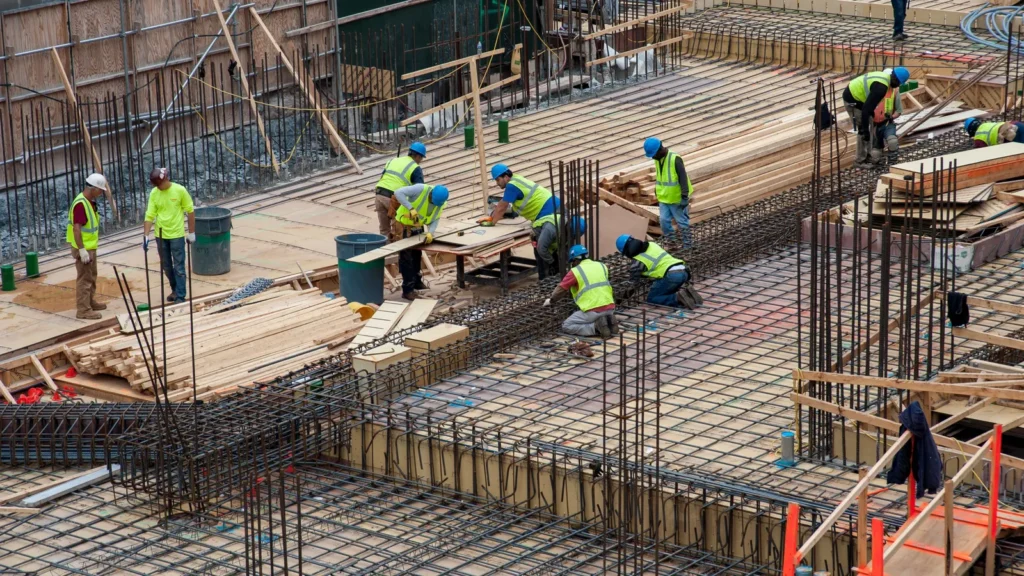
A recent federal investigation has brought to light alarming instances of missed payroll, unpaid overtime, and retaliatory practices within the construction sector, underscoring the deeply entrenched and persistent nature of labor violations that continue to plague the industry. The findings, as detailed by an attorney involved, serve as a stark reminder of the vulnerabilities faced by construction workers and the complex enforcement challenges that confront regulatory bodies. These revelations are not isolated incidents but rather symptomatic of broader structural issues within an industry characterized by intricate subcontracting chains and intense price competition, creating fertile ground for the exploitation of labor.
The Persistent Problem of Wage Theft in Construction
Wage theft encompasses a range of illegal practices where employers deny workers their rightful pay. This can include failing to pay minimum wage, withholding overtime pay, illegal deductions from wages, forcing employees to work off the clock, or misclassifying employees as independent contractors to avoid paying benefits and taxes. In the construction industry, these practices are particularly pervasive due to several factors, including the project-based nature of work, the transient workforce, and the extensive use of subcontractors. The federal probe’s findings—specifically identifying missed payroll and unpaid overtime—are among the most common forms of wage theft. Missed payroll can leave workers in immediate financial distress, unable to meet basic living expenses, while unpaid overtime systematically deprives them of premium wages for extra hours worked, which are often demanded in the fast-paced and deadline-driven construction environment.
Retaliation, the third major violation identified, adds another layer of injustice. Workers who report wage theft or other unsafe labor practices often face severe repercussions, such as termination, demotion, reduced hours, or blacklisting. This creates a chilling effect, discouraging workers from coming forward and perpetuating a cycle of exploitation. The threat of retaliation is a powerful deterrent, especially for vulnerable workers who may fear losing their jobs, being deported, or facing other forms of intimidation. The presence of retaliation in the federal probe’s findings signifies a deliberate attempt to suppress complaints and maintain illicit labor practices without accountability.
The Mechanics of Exploitation: Fissured Workplaces and Subcontracting
At the heart of the persistent wage theft issue in construction lies the prevalent industry structure often described as a "fissured workplace." This term, popularized by researchers, refers to a business model where large firms outsource significant portions of their operations, delegating responsibilities like payroll and direct employment to numerous smaller subcontractors. While this model can offer flexibility and cost efficiencies, it also creates significant opacity and complicates accountability.
Jenn Round, director of the Beyond the Bill program for the Workplace Justice Lab at Northwestern University, articulated this phenomenon clearly: "Wage theft persists in construction and in a number of other low-wage industries because work is often pushed through layers of subcontractors, where intense price competition and thin margins create strong incentives to cut corners on pay." In such a system, general contractors (GCs) at the top of the chain often set the terms and deadlines for projects but are not the direct employers of the workers performing the labor. Instead, smaller, often less capitalized, subcontractors bear the immediate responsibility for payroll.
This multi-tiered subcontracting model can lead to a race to the bottom, where subcontractors, facing intense pressure to bid low, are incentivized to cut labor costs through illegal means. Workers at the bottom of these chains are frequently the most vulnerable. They may be immigrants, non-unionized, or temporary workers, often with limited knowledge of their rights or fear of jeopardizing their employment by speaking up. Furthermore, a common tactic is the misclassification of these workers as "independent contractors" rather than employees. This allows firms to avoid paying minimum wage, overtime, social security contributions, unemployment insurance, and workers’ compensation, transferring significant financial burdens and risks onto the workers themselves and the public.
The complexity of these contracting chains makes it incredibly difficult to pinpoint responsibility when violations occur. Larger firms higher up the chain can often shield themselves from liability, claiming they are not the direct employers, even though they benefit directly from the underpaid labor. This structural arrangement inherently complicates enforcement efforts, as Round noted, "The same fissured structures that drive wage theft also make it much harder to enforce the law, because the companies that benefit most from the work are often not the ones directly employing the workers." Informal practices, such as cash payments or poor recordkeeping, further obscure violations, making it challenging for enforcement agencies to gather sufficient evidence and hold the most influential firms accountable.
Federal Oversight and Enforcement Challenges
Federal agencies, primarily the U.S. Department of Labor (DOL), are tasked with enforcing labor laws such as the Fair Labor Standards Act (FLSA), which mandates minimum wage, overtime pay, and recordkeeping. However, their efforts are often hampered by the very structures that facilitate wage theft. Investigating complex subcontracting networks requires significant resources, time, and expertise. The DOL’s Wage and Hour Division (WHD) has a vast mandate but limited personnel to cover millions of workplaces across various industries.
When a federal probe like the one highlighted in the news uncovers violations, it often involves a painstaking process. This typically begins with a complaint from a worker or a tip from a concerned party. The WHD then initiates an investigation, which may involve interviewing workers, examining payroll records, and reviewing contracts. The challenge is often in connecting the dots across multiple subcontractors and establishing liability, especially when records are deliberately incomplete or falsified. The ultimate goal is to recover back wages for affected workers and assess penalties against the violating employers.
In the case of SCA General Contracting, which was mentioned in the original report, Construction Dive contacted the company and its legal representatives for comment but did not receive a response prior to publication. This silence is often typical in such situations, as companies facing federal probes may decline to comment publicly while investigations or legal proceedings are ongoing. This lack of transparency further underscores the difficulties in securing accountability and obtaining a full picture of the circumstances surrounding the violations.
A Deeper Look at the Data: The Scale of Wage Violations
Wage theft is not a minor infraction; it represents a significant economic burden on workers and a substantial problem for the national economy. According to various studies, wage theft costs American workers billions of dollars annually. For instance, a 2017 study by the Economic Policy Institute estimated that employers steal billions from workers each year through minimum wage violations alone, with additional billions lost to overtime violations. While precise figures for the construction industry vary, it is consistently identified as one of the sectors with the highest rates of wage theft.
Federal data from the Department of Labor frequently highlights construction among the top industries for FLSA violations. Over recent years, the DOL’s Wage and Hour Division has recovered hundreds of millions of dollars in back wages for workers nationwide, with a substantial portion coming from the construction sector. These figures, however, represent only a fraction of the actual wage theft occurring, as many violations go unreported due to workers’ fear of retaliation, lack of awareness of their rights, or the perceived futility of reporting.
The impact of wage theft is particularly severe on low-wage workers and those in precarious employment situations. A single instance of missed payroll or unpaid overtime can have cascading effects, leading to missed rent payments, food insecurity, and inability to cover medical expenses. This directly contradicts the principles of fair labor and economic justice, undermining the financial stability of countless families. Moreover, it creates an unfair competitive advantage for unscrupulous contractors who cut labor costs illegally, putting ethical businesses that comply with labor laws at a significant disadvantage.

Legal Frameworks and Worker Protections
The primary federal law governing wages and hours is the Fair Labor Standards Act (FLSA) of 1938. It established minimum wage, overtime pay eligibility, recordkeeping, and child labor standards affecting full-time and part-time workers in the private sector and in federal, state, and local governments. For construction workers, understanding their rights under the FLSA is crucial, particularly regarding the 1.5 times regular pay for hours worked over 40 in a workweek.
Beyond the FLSA, several states have their own wage and hour laws that often provide greater protections than federal law. Some states have also implemented "responsible contractor" or "wage theft" laws that hold general contractors jointly liable for the wage violations of their subcontractors. These laws are critical in addressing the "fissured workplace" problem by ensuring that firms higher up the chain cannot simply wash their hands of responsibility. The growing concern over wage theft has led to increased legislative efforts to expand liability, acknowledging that violations like unpaid overtime and withheld wages can affect hundreds or even thousands of construction workers, making it imperative to hold all parties accountable.
Anti-retaliation provisions are also embedded in various labor laws, including the FLSA. These provisions protect workers who exercise their rights, such as filing a complaint or participating in an investigation, from adverse employment actions. However, enforcing these provisions remains challenging due to the difficulty of proving a direct link between the protected activity and the retaliatory action, and the power imbalance between employers and employees.
The Human Cost: Impact on Construction Workers
The consequences of wage theft extend far beyond monetary loss. For construction workers, it can mean a life of chronic financial instability and stress. Imagine a construction worker, already toiling in physically demanding and often hazardous conditions, discovering their paycheck is short, or worse, entirely missing. This not only impacts their ability to pay bills but also erodes trust in their employers and the system. The psychological toll of being exploited, coupled with the fear of speaking out, can be immense.
Workers who are consistently underpaid may be forced to work longer hours, take on additional jobs, or rely on predatory lending, further trapping them in a cycle of poverty. The lack of proper overtime pay means they are not fairly compensated for the extra effort and sacrifice they make. Misclassification as independent contractors deprives them of essential benefits like health insurance, retirement contributions, and unemployment benefits, leaving them vulnerable in times of illness, injury, or economic downturns. These practices not only harm individual workers but also depress wages across the industry, impacting the broader working class.
Industry Reactions and Calls for Accountability
The revelations from federal probes often spark renewed calls for greater accountability within the construction industry. Reputable general contractors and industry associations frequently express concern over wage theft, recognizing that such practices undermine fair competition and tarnish the industry’s reputation. Compliant contractors, who invest in proper payroll systems, benefits, and training, find themselves at a disadvantage when competing against firms that illegally cut labor costs. This creates an uneven playing field where ethical business practices are penalized.

Legal experts advise general contractors to proactively mitigate their exposure to wage violations by carefully vetting subcontractors and establishing robust contractual agreements. This includes demanding transparency in payroll records, ensuring subcontractors are properly licensed and insured, and incorporating clauses that hold subcontractors responsible for labor law compliance. Some GCs are also implementing more rigorous oversight mechanisms, such as periodic payroll audits of their subcontractors.
Worker advocacy groups and labor unions play a crucial role in bringing these issues to light and fighting for worker rights. They provide legal aid, organize workers, and lobby for stronger legislative protections. Their efforts are essential in empowering workers to report violations and ensuring that their voices are heard, especially in an industry where individual workers may feel powerless.
Strategies for Mitigating Risk and Ensuring Compliance
For general contractors, the imperative is clear: proactive measures are essential to avoid entanglement in wage theft allegations. This begins with a comprehensive due diligence process for all subcontractors. Beyond simply checking references, GCs should scrutinize a subcontractor’s history of labor law compliance, review their safety records, and verify their insurance and licensing. Contracts should be meticulously drafted to include clear stipulations regarding wage and hour laws, payroll documentation requirements, and indemnification clauses that protect the GC from a subcontractor’s labor violations.
Furthermore, implementing regular, unannounced audits of subcontractor payrolls and timekeeping records can serve as a powerful deterrent and early detection mechanism. Training for project managers and site supervisors on recognizing potential red flags—such as workers appearing to work excessive hours without corresponding overtime, or unusual payment methods—is also vital. Cultivating a culture of compliance from the top down, where ethical labor practices are prioritized alongside project timelines and budgets, is paramount.
For workers, awareness and access to resources are key. Education campaigns that inform workers of their rights under federal and state labor laws, how to recognize wage theft, and how to safely report violations without fear of retaliation are crucial. Providing multilingual resources and confidential reporting channels can empower vulnerable populations to come forward. Legal aid organizations and unions also offer invaluable support, guiding workers through the complex process of filing complaints and pursuing justice.
The Path Forward: Policy and Practice
Addressing systemic wage theft in the construction industry requires a multi-pronged approach involving strengthened regulatory frameworks, enhanced enforcement, and industry-wide commitment to ethical practices. Policy reforms could include expanding joint liability laws to hold all tiers of contractors accountable, increasing penalties for repeat offenders, and allocating more resources to federal and state labor agencies for investigations. Some jurisdictions are also exploring innovative enforcement models, such as "stop-work orders" for severe violations or "contractor registration" systems that can revoke licenses for non-compliance.
Practically, industry leaders must foster a culture of transparency and accountability. This means moving beyond the traditional cost-cutting mentality to recognize the long-term benefits of a fairly compensated and stable workforce. Investing in technologies that streamline payroll and timekeeping, offering training on labor compliance, and collaborating with labor organizations can contribute to a more just and sustainable construction sector. The continued exposure of wage theft through federal probes serves as a critical, albeit uncomfortable, mirror reflecting the industry’s need for significant reform. Only through concerted effort can the construction industry truly build a foundation of fairness and integrity for all its workers.