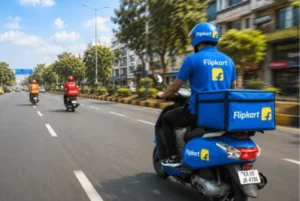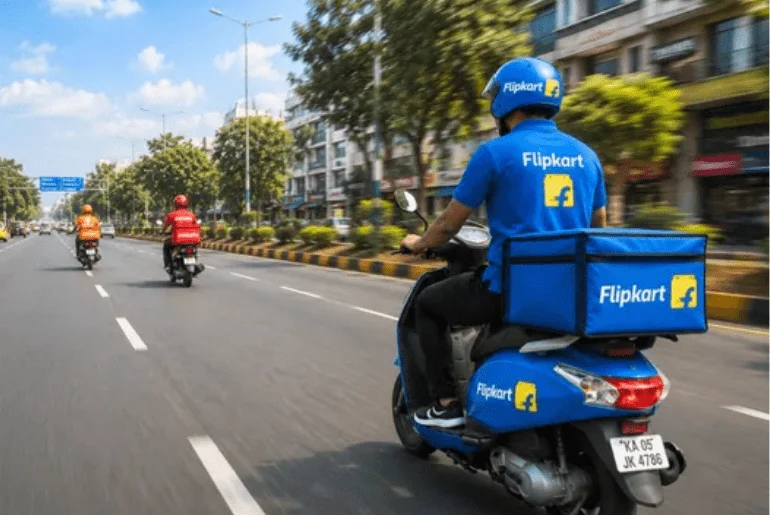
Bengaluru, India – E-commerce giant Flipkart has officially commenced pilot testing for its anticipated food-delivery service, "Eat In," among its employees in Bengaluru. This strategic move signals the company’s determined entry into India’s fiercely competitive online food delivery sector, currently dominated by established players Zomato and Swiggy. The initial testing phase is a critical precursor to a broader rollout, with plans to expand the pilot to all Flipkart employees within the city around September 15, before ultimately opening the service to the general consumer market.
The launch of "Eat In" is initially designed to operate seamlessly within the existing Flipkart main application, leveraging the company’s vast user base and integrated digital ecosystem. While this approach allows for immediate accessibility and reduces the friction of adopting a new standalone application, Flipkart has indicated that a separate, dedicated app for the food delivery service may be introduced later as the service scales and garners significant traction. Bengaluru, a prominent tech hub and a key market for online services, is slated to be the inaugural operational city for "Eat In," with subsequent expansion planned for other major urban centers across India.
A Strategic Expansion into the ‘Super App’ Vision
Flipkart’s foray into food delivery is not an isolated venture but rather a calculated component of its broader corporate strategy to evolve its platform into a comprehensive ‘super app.’ This strategic pivot aims to offer a multitude of services beyond its core e-commerce offerings, thereby increasing user engagement, retention, and overall lifetime value. The company has been steadily diversifying its portfolio, with recent notable entries including the microdrama segment, providing short-form video content. This expansion complements its wider group ecosystem, which already encompasses fashion e-tailer Myntra, travel booking platform Cleartrip, financial services provider super.money, and its quick commerce initiative, Flipkart Minutes. The addition of food delivery is a natural progression in this journey, seeking to capture a larger share of the Indian consumer’s digital spending and daily needs.
The concept of a ‘super app,’ popularized by Asian tech giants like WeChat in China and Grab and Gojek in Southeast Asia, involves integrating various essential services—from e-commerce and payments to ride-hailing and food delivery—into a single, unified platform. For Flipkart, backed by global retail behemoth Walmart, this strategy aims to create a sticky ecosystem where users can fulfill diverse requirements without leaving the app, fostering brand loyalty and leveraging cross-promotional opportunities across its various verticals. This approach mirrors global trends where major tech players are consolidating services to create more integrated and indispensable user experiences.
The Indian Food Delivery Market: A Landscape of Growth and Intense Competition
Flipkart’s entry comes at a pivotal time for India’s online food delivery market, a sector characterized by exponential growth, evolving consumer preferences, and an increasingly competitive landscape. According to various industry reports, the Indian online food delivery market was valued at approximately $4.5 billion in 2022 and is projected to reach over $20 billion by 2029, exhibiting a compound annual growth rate (CAGR) exceeding 20% during this forecast period. This robust growth is driven by factors such as increasing internet penetration, smartphone adoption, urbanization, a burgeoning youth population, and changing lifestyles that favor convenience and on-demand services.
However, the market is also notoriously challenging, marked by thin margins, high customer acquisition costs, and intense competition for both restaurant partnerships and delivery personnel. For years, Zomato and Swiggy have held a near-duopoly, investing heavily in logistics, technology, and marketing to build extensive networks and brand recognition. Both companies have expanded their offerings beyond core food delivery to include grocery delivery (Swiggy Instamart, Zomato’s Blinkit acquisition), dine-out services, and subscription models to enhance customer loyalty and diversify revenue streams. Their robust infrastructure, deep restaurant relationships, and established user bases present significant barriers to entry for new players.
The market has also seen the rise of new, value-focused models that are disrupting traditional commission structures. Rapido’s "Ownly," for instance, has gained significant traction by operating on a zero-commission model for restaurants, allowing eateries to retain a larger share of their revenue. This approach has resonated particularly well in Bengaluru, where Ownly has reportedly surpassed 50,000 daily orders, demonstrating a strong appetite for alternative models among both restaurants and consumers. Similarly, Swiggy’s lower-cost offering, "Toing," has also made strides, achieving a similar level of weekly active users as Zomato, indicating a strong demand for more economical food delivery options and highlighting the market’s sensitivity to pricing. These developments suggest a dynamic market segment increasingly sensitive to pricing and commission structures, which Flipkart will need to navigate strategically.
Timeline and Phased Rollout
The timeline for Flipkart’s food delivery initiative underscores a methodical, phased approach, beginning with internal testing before a broader public launch:
- July 2023: Flipkart officially confirmed its intentions to venture into the food delivery segment, signaling its strategic direction to the market and stakeholders. This initial announcement generated considerable buzz, setting the stage for subsequent developments.
- Late August/Early September 2023: Pilot testing of "Eat In" commences among a select group of Flipkart employees in Bengaluru. This phase is crucial for refining the operational logistics, user experience, and backend technology in a controlled environment, allowing for real-world feedback without immediate public pressure.
- Around September 15, 2023: The pilot is expected to expand to encompass all Flipkart employees in Bengaluru. This larger-scale internal stress test will provide more extensive data on service efficiency, delivery times, customer satisfaction, and potential bottlenecks before a public rollout.
- Post-September 2023 (Projected): Following successful internal testing and necessary refinements, "Eat In" is anticipated to be launched for public consumers in Bengaluru, marking its official commercial debut. This transition will be accompanied by marketing efforts to onboard restaurants and attract a broad user base.
- Future Expansion: Post-Bengaluru launch, Flipkart plans to progressively expand "Eat In" to other major Indian cities, carefully evaluating market conditions, logistical capabilities, and competitive dynamics in each new locale. The introduction of a standalone "Eat In" application is also a potential future development as the service matures and establishes its own distinct brand identity.
Inferred Industry Reactions and Flipkart’s Potential Differentiators
While Flipkart has maintained a characteristic silence on specific details during this pilot phase, industry analysts and competitors are undoubtedly observing its moves closely. From Flipkart’s perspective, this expansion aligns perfectly with its stated mission to serve Indian consumers comprehensively.
-
Inferred Statement from Flipkart (Hypothetical): "Our entry into food delivery with ‘Eat In’ is a natural extension of our commitment to bringing convenience and value to Indian consumers. By leveraging our robust technological infrastructure, extensive logistics network, and deep understanding of the Indian market, we aim to provide a seamless and delightful food ordering experience. This move strengthens our super app vision, allowing us to cater to an even broader spectrum of our customers’ daily needs within a single, trusted ecosystem, thereby enriching their digital journey with Flipkart."
-
Market Analysts’ Perspective (Inferred): "Flipkart’s entry significantly intensifies competition in India’s food delivery market. While Zomato and Swiggy have established strong moats, Flipkart brings a massive existing customer base, a powerful brand, and considerable financial backing from Walmart. Their success will hinge on their ability to build a reliable and diverse restaurant network, ensure efficient and cost-effective last-mile delivery, and offer competitive pricing or unique value propositions that resonate with consumers. The ‘super app’ play is clear, and food delivery is a crucial piece for driving daily engagement and consolidating market influence."
-
Competitors’ Stance (Inferred): Leading players like Zomato and Swiggy are likely to respond by further strengthening their service offerings, optimizing delivery times, expanding restaurant partnerships, and potentially innovating with new pricing models or loyalty programs to retain their market share. They might emphasize their years of specialized experience, established networks, and superior restaurant selection as key differentiators against a new entrant. Aggressive marketing campaigns and enhanced customer service could also be part of their defensive strategy.
Broader Impact and Implications for the Indian Digital Economy
Flipkart’s entry into food delivery carries significant implications for various stakeholders and the broader Indian digital economy:
-
Increased Competition and Innovation: The arrival of a heavyweight like Flipkart will undoubtedly spur greater competition, potentially leading to more aggressive pricing strategies, enhanced service quality, and accelerated innovation across the sector. Consumers stand to benefit from more choices, potentially better deals, and improved overall service levels. This competitive pressure could also drive technological advancements in delivery logistics and customer experience.
-
Pressure on Margins: For all players, including Flipkart, the intensely competitive environment may put further pressure on already thin margins, necessitating operational efficiencies and diversified revenue streams beyond traditional commissions. This could lead to a focus on premium services, subscription models, or advertising revenue to bolster profitability.
-
Logistics and Gig Economy: The expansion will create additional demand for delivery personnel, impacting the gig economy. Flipkart may leverage its existing logistics infrastructure from e-commerce and grocery delivery, potentially creating synergies and optimizing delivery routes. However, attracting, training, and retaining a quality delivery fleet while ensuring fair wages and working conditions remains a significant challenge across the industry, and Flipkart will need to address this to ensure reliable service.
-
Restaurant Ecosystem Impact: Restaurants, particularly smaller and independent establishments, may welcome another platform, which could offer more favorable commission structures or wider reach. This could provide an alternative to the existing duopoly, potentially increasing their bargaining power and fostering a healthier ecosystem for food businesses. However, managing multiple platforms also adds operational complexity for restaurants.
-
Acceleration of the ‘Super App’ Trend: Flipkart’s aggressive push reinforces the trend towards integrated ‘super apps’ in India. This could encourage other large digital platforms to consider similar expansions, reshaping how Indian consumers interact with digital services and potentially leading to a few dominant platforms controlling a wide array of daily digital activities.
-
Data and Personalization: With food delivery integrated into the Flipkart app, the company will gain access to a richer dataset of consumer behavior, enabling more sophisticated personalization and cross-selling opportunities across its various services. For instance, grocery shopping data could inform food recommendations, and vice-versa, creating a more cohesive and tailored user experience. This data advantage could be a significant differentiator for Flipkart.
-
Investment and Funding Landscape: The increased competition and strategic importance of the sector may attract further investment, both from domestic and international venture capitalists, fueling growth and innovation. Investors will be keenly watching how Flipkart’s entry impacts the valuations and strategic decisions of existing players.
In conclusion, Flipkart’s strategic pivot into the food delivery market with "Eat In" marks a significant development in India’s dynamic digital landscape. While challenges abound in this fiercely competitive sector, Flipkart’s formidable resources, extensive customer base, and clear ‘super app’ vision position it as a formidable contender. The coming months will be crucial in observing how "Eat In" differentiates itself and reshapes the contours of India’s rapidly evolving online food delivery ecosystem. The move underscores the continued quest by tech giants to capture a greater share of the Indian consumer’s wallet and attention, driving innovation and expanding the scope of digital convenience across the nation.