A federal district court has become the battleground for a high-profile lawsuit where a former employee, identified as Mayers, has accused entertainment mogul Curtis "50 Cent" Jackson of orchestrating a prolonged campaign of harassment and retaliation. The plaintiff alleges that this pattern of intimidation began after she declined to engage in illegal activities at Jackson’s behest, culminating in what she described as an increasingly toxic and fear-driven workplace environment. The lawsuit, Mayers v. Jackson, sheds light on the challenges of workplace ethics, particularly within organizations led by powerful public figures, and raises significant questions about executive accountability and employee protection.
The Allegations Unveiled: A Culture of Fear
According to Mayers’ detailed complaint, the work environment under Jackson’s purview deteriorated significantly during her tenure. She claims that Jackson fostered a culture where fear, humiliation, loyalty tests, and punishment were the primary tools of management. "Jackson ran his workplace the same way he built his public persona: through fear, humiliation, loyalty tests, and punishment," the plaintiff stated in court documents. This assertion draws a stark parallel between Jackson’s aggressive public image, cultivated during his rise as a rapper and entrepreneur, and his alleged management style behind closed doors.
The lawsuit further details specific instances contributing to the "increasingly toxic" atmosphere. Among these, Mayers recounts an alleged incident where Jackson falsely accused one of his bodyguards of stealing a vehicle and a substantial amount of cash. Such accusations, if true, underscore a pattern of distrust and arbitrary power dynamics that Mayers contends defined her employment. The plaintiff’s filing powerfully encapsulates this alleged dynamic: "Money bought power. Power demanded obedience. Anyone who refused became a target." This statement suggests a workplace where dissent or non-compliance was met with severe repercussions, creating an environment where employees felt pressured to conform, even to questionable demands.
The precise nature of the "illegal activities" Mayers allegedly refused to conduct remains unspecified in the initial court filings. However, the implication of such refusal leading to sustained harassment points to serious ethical and legal breaches, potentially encompassing a range of illicit financial, operational, or personal demands. Whistleblower protection laws are designed to shield employees from retaliation when they report or refuse to participate in illegal activities, making these allegations a critical focus of the legal proceedings.
Curtis "50 Cent" Jackson: A Public Figure Under Scrutiny
Curtis Jackson, globally recognized as "50 Cent," has built an empire spanning music, film, television, and various business ventures. From his explosive debut album Get Rich or Die Tryin’ to his success as an actor and producer with shows like Power, Jackson has cultivated an image of a shrewd, uncompromising, and often controversial figure. His public persona is characterized by resilience, ambition, and a willingness to confront adversaries head-on. This very persona, as alleged by Mayers, became the blueprint for his workplace management.
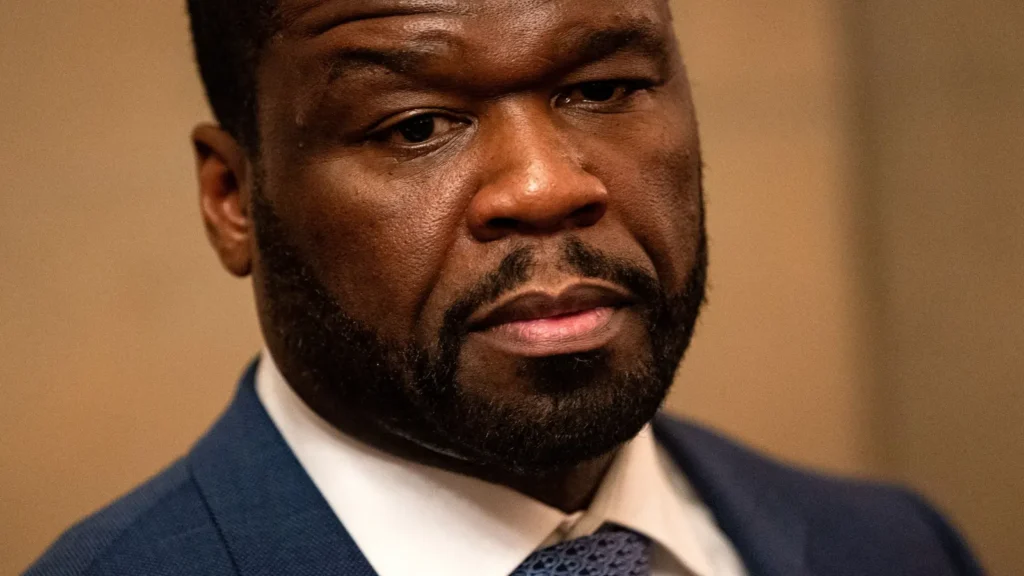
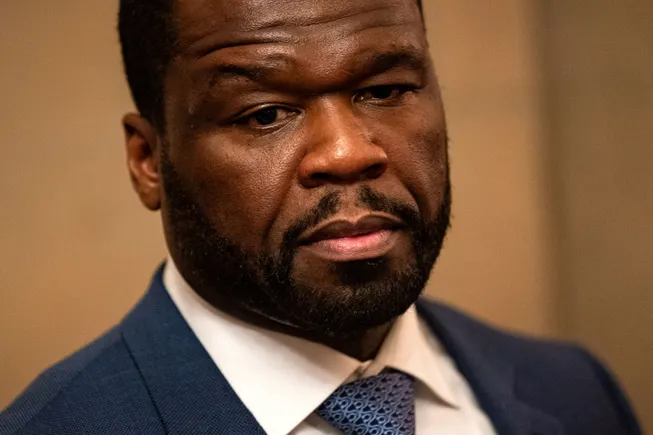
Jackson’s high public profile means that allegations of misconduct carry significant weight, impacting not only his personal reputation but also the various brands and enterprises associated with him. The image of him visiting Capitol Hill, as captured in June 2024, reflects his broader engagement and influence beyond entertainment, making any accusations of unethical or illegal behavior in his private operations particularly damaging to his public standing and business interests. The entertainment industry, notorious for its intense pressures and often unconventional work environments, has seen numerous instances where the personal conduct of its leaders clashes with established corporate ethics and legal standards.
Chronology of Claims and Legal Proceedings
While the exact start date of Mayers’ employment is not specified, her complaint suggests a period of engagement with Jackson’s organization that predates the alleged harassment. The sequence of events, as laid out by the plaintiff, began with her refusal to engage in undisclosed illegal activities. This refusal, according to Mayers, triggered a "years-long string of alleged harassment," implying a sustained period of adverse treatment rather than an isolated incident. This harassment, which Mayers claims was designed to intimidate and retaliate, ultimately led to or was closely followed by her termination.
The lawsuit was filed in a federal district court, indicating that the claims likely involve federal statutes, such as those protecting whistleblowers or prohibiting workplace discrimination and retaliation. The publication date of May 4, 2026, places the lawsuit in the recent past, suggesting that the legal proceedings are either ongoing or have recently commenced. Such cases typically involve extensive discovery, where both parties exchange evidence, followed by motions, potential settlement discussions, and ultimately, a trial if no resolution is reached. The longevity of the alleged harassment period could also suggest that Mayers may be pursuing claims for emotional distress, lost wages, and other damages associated with a hostile work environment and wrongful termination.
The Legal Landscape of Workplace Misconduct
Workplace harassment and retaliation claims are governed by a complex web of federal and state laws. At the federal level, statutes such as Title VII of the Civil Rights Act of 1964 prohibit discrimination and harassment based on protected characteristics. More directly relevant to Mayers’ claims might be whistleblower protection laws, which safeguard employees who report illegal activities or refuse to participate in them. These laws vary in scope but generally aim to prevent employers from taking adverse actions—like termination, demotion, or harassment—against employees for engaging in protected conduct.
Proving a claim of retaliation requires demonstrating that an employee engaged in a protected activity (e.g., refusing an illegal order), suffered an adverse employment action (e.g., harassment, termination), and there was a causal connection between the two. The "years-long string of alleged harassment" described by Mayers could be crucial evidence in establishing this causal link, showing a pattern of retaliation following her initial refusal. The challenges in such cases often include gathering sufficient evidence, especially when the alleged misconduct occurs in less formalized settings or involves powerful individuals who can influence subordinates. Legal experts note that the burden of proof rests on the plaintiff, who must present compelling evidence to support their claims against a well-resourced defendant.
HR’s Dilemma: When Leaders Misbehave
The allegations against Curtis "50 Cent" Jackson highlight a persistent and thorny challenge for Human Resources professionals: addressing misconduct when the perpetrator is an executive or organizational leader. HR Dive, a prominent publication for HR professionals, has frequently emphasized the difficulties practitioners face in such scenarios. When leaders are behind offending behavior, HR professionals can face immense pressure, including threats, harassment, and retaliation, for attempting to hold them accountable. This necessitates not only courage but also a meticulous and impartial approach to handling complaints.
In severe cases, HR departments may find it necessary to escalate investigations beyond internal channels, seeking assistance from external legal counsel or independent investigators to ensure objectivity and avoid conflicts of interest. Notifying the C-suite or the board of directors is often a critical, albeit daunting, step when allegations involve top executives. The independence and authority of HR can be severely tested, especially in organizations where the founder or a celebrity figure holds significant personal power, making it difficult for standard protocols to be enforced without fear of reprisal.

Even when HR conducts a thorough and well-documented investigation into misconduct, its findings can sometimes face resistance, dismissal, or outright belittlement from leadership. In such instances, HR professionals are advised to consult with legal counsel to determine the appropriate next steps, which might include further external reporting or advising the organization on its legal obligations and risks. Building a robust network of peers and developing detailed intake processes for complaints can also provide vital support and guidance, ensuring that all allegations are handled systematically and fairly, regardless of the accused’s position.
Prevalence and Impact of Toxic Work Environments
The "toxic" workplace environment described by Mayers is not an isolated phenomenon. Research consistently shows that a significant percentage of employees experience or witness some form of workplace toxicity. A 2022 MIT Sloan Management Review study found that toxic culture is a significant driver of employee turnover, even more so than compensation. Elements contributing to toxicity include disrespect, non-inclusive behavior, unethical conduct, and abusive management.
The costs of toxic workplaces are substantial, extending beyond legal liabilities to include decreased productivity, high employee turnover, damage to reputation, and difficulties in recruitment. For employees, prolonged exposure to such environments can lead to severe psychological distress, including anxiety, depression, burnout, and a loss of trust in management and institutions. Studies suggest that employees in toxic environments are more likely to experience health problems and have lower job satisfaction. The allegations against Jackson, if proven, underscore how an individual leader’s behavior can permeate an entire organization, creating a detrimental atmosphere for all employees.
Echoes in the Entertainment Industry
The entertainment industry, with its unique blend of creativity, high stakes, and often unconventional power structures, has been a recurring stage for allegations of workplace misconduct. Mayers’ lawsuit against Curtis Jackson finds parallels in other recent high-profile cases involving pop culture icons.
In 2024, rapper and designer Ye (formerly Kanye West) faced accusations of racial discrimination, antisemitism, retaliation, and fostering a hostile work environment. These claims, emerging from his various enterprises, highlighted a pattern of erratic and allegedly abusive behavior that created an untenable situation for employees. Similarly, just weeks before the publication of this article, YouTube personality MrBeast, known for his elaborate philanthropic stunts, was accused by a former employee of violating the Family and Medical Leave Act (FMLA), along with other laws, and engaging in harassment, particularly following her return from maternity leave.
These cases collectively point to a broader issue within celebrity-led organizations: the potential for a lack of structured, compliance-oriented workplace culture. When an organization revolves heavily around a singular, powerful personality, the lines between personal behavior and corporate governance can blur, leading to environments where standard HR practices, legal compliance, and ethical conduct are sometimes overlooked or overridden by the leader’s will.
Reactions and Potential Defense

While Curtis "50 Cent" Jackson’s legal team has not yet issued a public statement specifically addressing Mayers’ lawsuit, it is typical in such high-profile cases for defendants to vigorously deny the allegations. A common defense strategy would involve asserting that the claims are baseless, without merit, or part of an attempt to extort money. Jackson’s representatives would likely argue that all employment actions were legitimate and non-retaliatory, and that his workplace adheres to all applicable labor laws. They may also challenge the plaintiff’s credibility or the sufficiency of her evidence.
Mayers’ legal team, on the other hand, would focus on presenting compelling evidence to corroborate her claims of harassment, retaliation, and a hostile work environment. This would likely include witness testimonies, internal communications, performance reviews, and any documentation of her refusal of illegal activities and the subsequent adverse treatment. Expert testimony on workplace culture and psychological impact might also be introduced to strengthen her case.
Broader Implications for Corporate Governance and Celebrity Enterprises
The lawsuit against Curtis Jackson serves as a stark reminder for all organizations, but especially those founded or heavily influenced by prominent individuals, about the critical importance of robust corporate governance and an unwavering commitment to ethical leadership. The "money bought power" dynamic alleged by Mayers underscores the need for checks and balances, independent oversight, and clear channels for reporting misconduct that are insulated from the influence of powerful executives.
For celebrity enterprises, which often operate with a less formalized structure than traditional corporations, establishing a strong HR function and a culture of compliance is paramount. This includes implementing clear codes of conduct, providing anti-harassment training, establishing transparent complaint mechanisms, and ensuring that all employees, regardless of their position, are held to the same standards of professional conduct. Such measures are not just legal requirements; they are essential for fostering a healthy, productive, and sustainable work environment.
Conclusion
The allegations made by Mayers against Curtis "50 Cent" Jackson represent a significant legal and ethical challenge. The lawsuit not only seeks justice for an individual but also casts a critical spotlight on workplace dynamics within high-profile organizations. As the legal proceedings unfold, this case will undoubtedly be closely watched for its implications on executive accountability, whistleblower protections, and the ongoing struggle to ensure that all workplaces, regardless of who is at the helm, are free from harassment, intimidation, and illegal demands. The outcome could set an important precedent for how power is wielded and how employees are protected in the increasingly scrutinized world of celebrity-led businesses.