
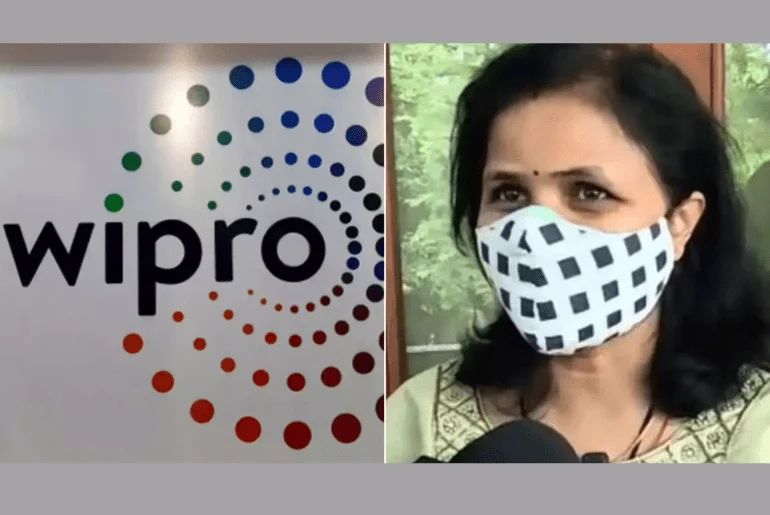
A serious allegation of religious harassment, pervasive workplace discrimination, and coerced resignation has been brought against Wipro, a global information technology giant, by a former employee. The accusations have culminated in a formal police complaint and a legal notice, thrusting into the spotlight the critical importance of robust and effective grievance-handling mechanisms within large corporate organisations, particularly in India’s booming yet complex IT sector. This high-profile case, emerging from Pune, India, underscores the intricate challenges companies face in fostering truly inclusive workplaces and the potential repercussions when employees feel their concerns are not adequately addressed through internal channels.
Detailed Chronology of Allegations and Actions
The sequence of events, as narrated by the former employee during a recent press conference in Pune, paints a troubling picture of her tenure at Wipro’s Hinjawadi office. While specific start and end dates of her employment were not detailed, the allegations describe a sustained period of distress that ultimately led to her departure and subsequent legal action.
The core of the complaint revolves around persistent religious pressure. The former employee claims that a particular colleague repeatedly subjected her to attempts to influence her religious beliefs. This alleged interference extended beyond mere discussion, encroaching upon her personal life and creating an environment of discomfort and coercion within the professional setting. Such allegations, if substantiated, represent a grave violation of an individual’s fundamental rights to religious freedom and a severe breach of workplace decorum and ethical conduct.
According to the complainant, these issues were not kept private. She reportedly escalated her concerns to senior officials within Wipro. The complaint asserts that despite these attempts to seek internal redressal, no "meaningful action" was taken by the management to address the alleged harassment. This perceived inaction is a central point of contention, suggesting a potential failure of Wipro’s internal dispute resolution framework to either acknowledge the severity of the issue or to intervene effectively.
The situation allegedly escalated further, culminating in what the former employee describes as a forced resignation. She claims that during a team meeting in August 2023 – a date significantly predating the public disclosure, indicating a period of internal struggle before external action – she was pressured into resigning. A critical aspect of this allegation is her claim that she was not afforded an adequate opportunity to present her side of the story or defend her position before her resignation was swiftly accepted. This particular charge raises questions about due process and employee rights during termination or resignation proceedings within the company.
Following her resignation, the woman further alleges that a complaint was subsequently filed against her before the company’s internal ombuds mechanism. The nature and outcome of this counter-complaint remain unclear, but its existence adds another layer of complexity to the unfolding narrative, hinting at a potentially contentious internal environment preceding her public allegations.
The decision to go public with the allegations via a press conference in Pune marks a significant turning point. This move typically signifies an employee’s belief that all internal avenues for justice have been exhausted or proved ineffective. Immediately following the public disclosure, a formal complaint was reportedly lodged with the Hinjawadi Police Station, initiating a criminal investigation into the matter. Concurrently, a legal notice seeking substantial compensation for damages incurred due to the alleged harassment, discrimination, and forced resignation has been served on Wipro. These legal steps underscore the seriousness with which the former employee and her legal counsel are pursuing the case. As of the latest reports, authorities have commenced their investigation, gathering evidence and statements from all parties involved.
Wipro: A Global IT Powerhouse Under Scrutiny
Wipro Limited stands as one of India’s pre-eminent global information technology, consulting, and business process services companies. Founded in 1945, it has grown exponentially to become a multinational conglomerate with a significant global footprint, employing hundreds of thousands of individuals across various continents. Its reputation as a major employer and a key player in the global technology landscape is considerable. Companies of Wipro’s stature are expected to adhere to the highest standards of corporate governance, ethical conduct, and workplace fairness, not only to comply with local laws but also to maintain their brand image, attract top talent, and retain client trust in an increasingly competitive and socially conscious global market.
The Indian IT sector, a cornerstone of the nation’s economy, is renowned for its diverse workforce, drawing talent from myriad cultural, linguistic, and religious backgrounds. This diversity is often touted as a strength, fostering innovation and global collaboration. However, managing such a vast and varied workforce also presents unique challenges in ensuring a uniformly inclusive and respectful environment. Allegations of discrimination, particularly religious discrimination, strike at the heart of these diversity and inclusion (D&I) initiatives that many leading IT firms heavily invest in. This case, therefore, is not merely about an individual grievance but touches upon the broader principles of workplace ethics and the practical implementation of D&I policies within large corporations.
The Legal and Regulatory Landscape in India
India’s legal framework offers several protections against workplace harassment and discrimination. At its core, the Constitution of India guarantees fundamental rights, including the right to freedom of religion (Article 25) and the right against discrimination on grounds of religion, race, caste, sex, or place of birth (Article 15). These constitutional provisions form the bedrock of any legal challenge against religious discrimination in the workplace.
While India does not have a single, comprehensive federal law specifically addressing all forms of workplace discrimination similar to the EEOC in the United States, various statutes offer recourse. The Industrial Disputes Act, 1947, provides for remedies in cases of unfair termination. The Protection of Women from Sexual Harassment (POSH) Act, 2013, though specific to sexual harassment, has significantly influenced corporate governance by mandating internal complaints committees (ICCs) and setting standards for grievance redressal. While the current allegations do not fall under the purview of sexual harassment, the POSH Act has created an expectation for robust, impartial, and time-bound internal investigation mechanisms for all forms of workplace misconduct. The absence of "meaningful action" in the present case, as alleged, would be seen as a failure to uphold the spirit of such mandates.
Furthermore, actions like criminal intimidation, assault, or abetment, if proven, could fall under various sections of the Indian Penal Code (IPC), leading to criminal prosecution, which is the path the former employee has taken by filing a police complaint. A civil suit for damages, as indicated by the legal notice, would seek financial compensation for mental agony, loss of livelihood, and other related harms. The legal journey for such cases can be protracted, often requiring substantial evidence and a strong legal strategy.
The Critical Role of Effective Grievance Mechanisms
This case profoundly underscores the "critical importance of maintaining robust workplace grievance systems." For any large organization, especially one operating across multiple jurisdictions and cultures, an effective grievance mechanism is not just a regulatory compliance checkbox but a fundamental pillar of ethical governance and a healthy corporate culture.
An effective system should possess several key characteristics:
- Accessibility: Employees must know how and where to report issues without undue barriers.
- Confidentiality: Assurance that complaints will be handled discreetly to protect the complainant from retaliation.
- Impartiality: The investigation process must be unbiased, fair, and objective, free from internal politics or undue influence.
- Promptness: Timely investigation and resolution are crucial to prevent escalation and maintain trust.
- Transparency (where appropriate): While details might be confidential, the process itself should be clear.
- Non-Retaliation Policy: A strong, enforced policy against any form of reprisal for raising legitimate concerns.
- Appropriate Action: When allegations are substantiated, disciplinary action must be taken, and remedies provided.
The former Wipro employee’s decision to approach the police and media, bypassing or feeling let down by internal channels, highlights a potential breakdown in trust in these mechanisms. If employees perceive that their concerns, particularly those involving sensitive issues like religious discrimination, are ignored or mishandled by senior officials, it erodes faith in the system and can lead to external escalation, significant reputational damage, and costly legal battles.
Broader Implications for Corporate India and HR Practices
The allegations against Wipro, regardless of their eventual legal outcome, carry significant implications for the company and the broader corporate landscape in India.
Reputational Risk: For a global brand like Wipro, public allegations of harassment and discrimination can have a substantial impact on its brand image. This can affect client relationships, investor confidence, and its ability to attract and retain top talent. In an era where Environmental, Social, and Governance (ESG) factors are increasingly important to investors and consumers, workplace ethics and employee well-being are under intense scrutiny.
Employee Morale and Trust: Such incidents can deeply impact the morale of existing employees. If colleagues perceive that harassment goes unaddressed or that internal mechanisms are ineffective, it can foster an environment of fear, distrust, and disengagement. This can lead to increased attrition, reduced productivity, and a general decline in psychological safety within the organization. Employees need to feel safe and valued, and that their company will protect them from undue pressure or discrimination.
Review of HR Best Practices: This case serves as a stark reminder for all corporations to periodically review and strengthen their HR policies, anti-harassment training programs, and grievance redressal systems. It emphasizes the need for proactive measures, continuous employee education on workplace conduct, and robust training for managers on how to handle sensitive employee complaints effectively and empathetically. Leadership commitment to fostering an inclusive culture, where employees feel safe raising concerns without fear of retaliation, is paramount.
Legal Precedent and Scrutiny: Depending on how this case unfolds, it could set an important precedent for how religious discrimination and alleged forced resignations are handled in the Indian corporate sector. It may also lead to increased scrutiny from labor authorities and human rights organizations on the efficacy of corporate grievance mechanisms.
The Digital Age and Transparency: In today’s hyper-connected world, news travels fast. Social media platforms can amplify individual complaints, turning them into public relations crises almost instantaneously. This reality demands greater transparency and more prompt, definitive responses from corporations when faced with serious allegations. While companies must respect due process, they also need to communicate their commitment to fairness and investigation effectively to prevent speculation and manage public perception.
Anticipated Responses and Expert Commentary
While Wipro has not yet publicly responded to the specific claims at the time of reporting, standard corporate practice in such situations would involve a carefully worded statement. Such a statement would likely acknowledge the receipt of the complaint, affirm the company’s commitment to a thorough and impartial investigation in accordance with its internal policies and legal obligations, and reiterate its zero-tolerance policy towards harassment and discrimination of any kind. They would likely emphasize their dedication to fostering an inclusive and respectful workplace for all employees.
Police authorities, represented by the Hinjawadi Police Station, have confirmed the initiation of an investigation. Their statements would typically assure the public of a fair and unbiased inquiry, urging cooperation from all parties and promising to follow due process to ascertain the facts.
Legal experts, commenting generally on such cases, would highlight the importance of documentary evidence – emails, internal communications, witness testimonies, medical records (if applicable to stress-related issues) – in substantiating claims of harassment and forced resignation. They would also underscore the complexity of proving intent in discrimination cases and the potential for a lengthy legal battle, involving both criminal and civil proceedings. The burden of proof rests heavily on the complainant to demonstrate the veracity of their allegations.
HR and workplace culture experts would likely emphasize that beyond legal compliance, companies must cultivate a culture of psychological safety where employees feel genuinely empowered to speak up without fear of adverse consequences. They would advocate for regular audits of internal grievance processes and for leadership to visibly champion diversity, equity, and inclusion initiatives.
Conclusion: A Call for Workplace Fairness
As the investigation into these serious allegations proceeds, the case involving the former Wipro employee serves as a powerful reminder of fundamental principles: the inviolable right to religious freedom, the imperative of non-discrimination in the workplace, and the necessity for every employee to be treated with dignity and respect. It underscores that allegations involving discrimination or harassment demand meticulous handling, transparent processes, and an unwavering commitment to workplace fairness from both management and human resources teams. The outcome of this investigation will not only have significant implications for Wipro but will also contribute to the ongoing discourse about corporate accountability and the safeguarding of employee rights within India’s dynamic and globally integrated corporate sector.








