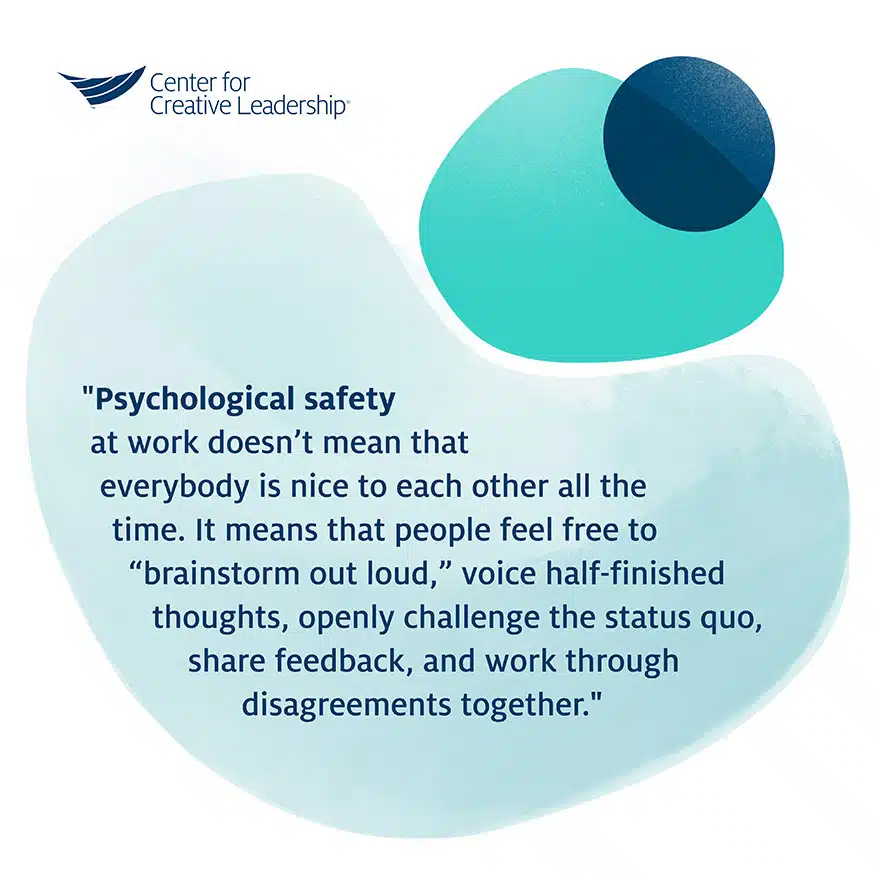
Psychological safety is the bedrock upon which high-performing, innovative, and resilient organizations are built. It is not merely a perk or a “nice-to-have” initiative, but a fundamental organizational climate where individuals feel secure enough to express their ideas, ask questions, voice concerns, and admit mistakes without fear of punishment, humiliation, or reprisal. This shared expectation among team members ensures that speaking up, taking calculated risks, or soliciting feedback is met with understanding and respect, rather than embarrassment or rejection.
At its core, psychological safety is about creating an environment where people can bring their authentic selves to work. It means fostering a culture where candid communication, constructive disagreement, and continuous learning are not just tolerated, but actively encouraged. This is particularly crucial in today’s rapidly evolving business landscape, where adaptability, innovation, and effective problem-solving are paramount for survival and success.
The Importance of Psychological Safety in the Workplace
The impact of psychological safety extends far beyond individual comfort; it directly influences an organization’s bottom line and its ability to thrive. Research consistently highlights that diverse perspectives are vital for identifying complex problems and generating creative solutions. However, this diversity of thought can only be fully leveraged if all team members feel empowered to share their unique insights.
A significant barrier to unlocking this potential is a lack of psychological safety. When employees fear speaking up, their valuable perspectives remain unheard, innovative ideas are stifled, and the organization is less equipped to anticipate and prevent potential failures. The consequences are tangible: initiatives that are not working may continue unchecked, crucial opportunities for improvement are missed, and valuable talent can become disengaged.
Compelling data underscores this challenge. According to recent Gallup engagement survey data, a concerning statistic reveals that only three out of ten employees strongly agree that their opinions count at work. This sentiment is often amplified for members of social identity groups that have historically faced marginalization. For individuals from underrepresented backgrounds, the workplace may present additional hurdles to feeling safe enough to voice their true thoughts and concerns.
Conversely, when psychological safety is present, employees are more likely to engage in interpersonal risk-taking behaviors that are essential for innovation. These behaviors include speaking up with reservations, asking clarifying questions, offering dissenting opinions respectfully, and proposing novel ideas. The result is a more dynamic, robust, and inclusive organizational culture that is better positioned to adapt to change and seize opportunities.
The Evolving Landscape: Psychological Safety in the Hybrid and Remote Era
The widespread adoption of hybrid and remote work models has introduced new complexities to cultivating psychological safety. Leaders now face the challenge of building trust and fostering open communication when physical proximity is limited and interactions are often mediated by screens. Establishing rapport and ensuring everyone feels heard can require more intentional effort.
However, these distributed work arrangements also present unique opportunities. Leaders can leverage virtual platforms to foster deeper connections and enhance psychological safety, provided they are mindful and deliberate in their approach. For instance, video conferencing can allow for more focused observation of individuals, enabling leaders to better gauge emotions and values through active listening. This can be particularly beneficial in cultures where direct eye contact for extended periods might be perceived as uncomfortable.
Furthermore, for some individuals, the digital medium can offer a less intimidating avenue for expressing vulnerable thoughts or complex ideas. The ability to formulate responses carefully before sharing can empower individuals to contribute more effectively. Leaders who acknowledge the courage it takes to share honestly in any setting, and respond with appreciation, can significantly bolster psychological safety.
Creating More Psychological Safety at Work: A Leader’s Guide
Cultivating a psychologically safe workplace is a proactive endeavor, primarily driven by leadership. Here are eight key strategies leaders can implement:
-
Make Psychological Safety an Explicit Priority: Openly discuss the importance of psychological safety with your team, linking it to organizational goals such as innovation, engagement, and inclusion. Model the desired behaviors, such as asking for help and offering support. Employ inclusive leadership practices to set the right tone.
-
Facilitate Everyone Speaking Up: Demonstrate genuine curiosity and a commitment to truth-telling. Be an open-minded and compassionate listener, particularly when team members raise challenging points or question the status quo. Organizations that foster a coaching culture are more likely to have team members who feel empowered to speak their truth.
-
Establish Norms for Handling Failure: Reframe mistakes and experimentation not as failures to be punished, but as invaluable learning opportunities. Encourage learning from setbacks and openly share your own lessons learned. This approach helps foster innovation rather than hindering it. While expressing disappointment is acceptable, it should be done with candor and within a supportive framework.
-
Create Space for New Ideas: Provide support for all ideas, even those that are unconventional or not yet fully formed. While it’s appropriate to ask probing questions, ensure they are delivered with the intention of refining ideas, not shutting them down. Understanding how to respond to new ideas is crucial for nurturing innovative mindsets.

-
Embrace Productive Conflict: Encourage sincere dialogue and constructive debate. Develop mechanisms for resolving disagreements productively. Establishing clear team expectations around factors that contribute to psychological safety can pave the way for incremental positive change. Discussions around how to handle disagreements respectfully and constructively are vital.
-
Pay Close Attention and Look for Patterns: Focus on the perceived patterns of psychological safety across team members, not just an average score. Identify if certain individuals or groups experience significantly different levels of safety. Psychological safety is dynamic; it can fluctuate from one interaction to another. Relying solely on periodic surveys may not capture these nuances. Observing behavioral signals—such as learning behaviors, voice, openness, and integrating behaviors—can provide real-time insights into a team’s psychological safety.
-
Make an Intentional Effort to Promote Dialogue: Enhance skills in both giving and receiving feedback. Create dedicated spaces for team members to voice concerns. Employ open-ended questions and practice active listening to understand not just the facts, but also the underlying feelings and values. Invest in strengthening the quality of conversations across the organization, as better conversations directly contribute to a healthier culture. This, combined with a psychologically safe environment, leads to more rigorously vetted solutions and a greater willingness to share reservations.
-
Celebrate Wins: Acknowledge and celebrate successes, both large and small. Positive interactions and conversations are built on trust and mutual respect. Share credit widely and embrace collective expertise, moving away from a singular "hero" mentality. Expressing gratitude reinforces team members’ sense of value and self-worth. When individuals take risks, ask for help, or admit mistakes, offering them the benefit of the doubt builds trust, which is reciprocated.
The Four Stages of Psychological Safety: A Developmental Framework
As organizations mature in their journey towards fostering psychological safety, they often progress through distinct developmental stages, as outlined by Dr. Timothy Clark in "The 4 Stages of Psychological Safety." This progression is crucial, as it addresses fundamental human needs that underpin an individual’s willingness to contribute.
Stage 1: Inclusion Safety
This initial stage satisfies the fundamental human need to connect and belong. In an environment of inclusion safety, individuals feel accepted for who they are, including their unique attributes and characteristics. They feel safe to be themselves without the fear of judgment or exclusion.
Stage 2: Learner Safety
Building on inclusion, learner safety addresses the need to learn and grow. Here, individuals feel secure enough to engage in the learning process. This includes asking questions, seeking and providing feedback, experimenting with new approaches, and acknowledging mistakes as part of the learning curve.
Stage 3: Contributor Safety
This stage focuses on the need to make a difference. Individuals with contributor safety feel empowered to utilize their skills and abilities to make meaningful contributions to the organization’s goals. They feel their efforts are valued and that they can positively impact outcomes.
Stage 4: Challenger Safety
The pinnacle of psychological safety is challenger safety, which fulfills the need to make things better. In this stage, individuals feel secure enough to speak up and challenge the status quo when they identify opportunities for improvement or perceive potential issues. This stage is critical for driving innovation and continuous improvement.
For organizations to effectively move through these stages, leaders must actively nurture and promote their team’s sense of psychological safety. A climate characterized by interpersonal trust, respect, and a strong sense of belonging enables team members to collaborate effectively and take the necessary risks to drive innovation.
Psychological Safety as a Mirror to Organizational Culture
The prevailing levels of psychological safety within a workplace are a direct reflection of its underlying climate and culture. Culture, often described as "the way we do things around here," is shaped by the collective behaviors and expectations of everyone within the organization. Leaders, in particular, play a pivotal role in shaping both team and organizational cultures.
Transforming an organizational culture to embed psychological safety is a challenging but profoundly worthwhile endeavor. It is a process that unfolds through incremental changes, yielding cumulative wins. Encouraging a commitment to continuous improvement, even as small as 1% daily, can lead to exponential organizational strength over time.
Ultimately, the goal is to create a workplace where team members are not apprehensive about feeling rejected when they speak up. When this fear is removed, interpersonal risk-taking becomes the norm, and teams become far more adaptable and resilient in the face of change. Such environments foster a deep understanding of organizational challenges and opportunities, empowering individuals to actively contribute to making their workplace a better place.
Ready to Take the Next Step?
Building a psychologically safe workplace is an ongoing journey. By implementing these principles and practices, organizations can cultivate an environment where every voice is valued, innovation thrives, and resilience is built from within. To begin this transformation, consider exploring practical steps through resources like a dedicated psychological safety challenge, designed to equip individuals with actionable strategies to implement in their daily interactions.