
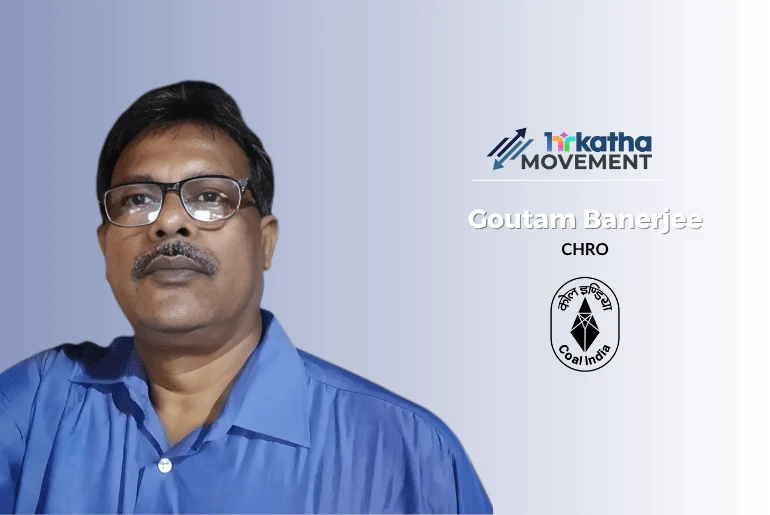
Coal India Limited (CIL), the world’s largest coal producer and a pivotal entity in India’s energy security landscape, has officially announced the retirement of Goutam Banerjee, its Executive Director (Human Resources). Banerjee’s departure, upon reaching the age of superannuation, marks the culmination of an illustrious career spanning over three decades dedicated to the complex and dynamic coal and mining sector. His extensive tenure saw him navigate significant transformations within the industry, leaving an indelible mark on workforce management, industrial relations, and human resource strategy for one of India’s most critical public sector employers.
A Career Defined by Strategic HR Leadership
Goutam Banerjee’s journey at Coal India and its subsidiary operations was characterized by a steady ascent through various senior HR leadership roles, each demanding a nuanced understanding of large-scale public sector management and the unique challenges inherent to the mining industry. As Executive Director (HR), he held a position of immense responsibility, overseeing the human capital strategies for a workforce that numbers in the hundreds of thousands, spread across geographically diverse and often challenging operational environments. His purview encompassed critical areas such as talent acquisition and development, compensation and benefits, employee welfare, and, most significantly, industrial relations, a domain where his expertise proved invaluable in maintaining stability and productivity.
Before his elevation to the executive director role, Banerjee served as General Manager (Personnel, Manpower Planning, and Industrial Relations) at Coal India’s corporate headquarters. This position provided him with a comprehensive oversight of the company’s human resource needs, from strategic planning to the intricate day-to-day management of its vast workforce. His responsibilities at this level were crucial in shaping the organizational structure and ensuring a steady supply of skilled personnel, a perennial challenge in an industry facing both technological shifts and an aging workforce.
Foundations at Eastern Coalfields Limited (ECL)
The bedrock of Banerjee’s extensive experience was laid during his more than three-decade-long tenure with Eastern Coalfields Limited (ECL), a major subsidiary of Coal India operating primarily in the states of West Bengal and Jharkhand. Joining ECL in 1994, he embarked on a career trajectory that saw him rise through the ranks, gaining a profound and hands-on understanding of HR functions at multiple levels: field, area, and corporate. This comprehensive exposure was instrumental in honing his skills, particularly in managing the ground-level realities of a labor-intensive industry. Working directly with miners, union representatives, and local communities, he developed a deep empathy and practical approach to resolving disputes and fostering a cooperative work environment.
At ECL, Banerjee’s roles involved a wide spectrum of people-related initiatives. He was actively involved in crafting and implementing strategies for employee relations, ensuring fair practices and open communication channels. His work in industrial relations was particularly critical, given the historically strong union presence in the Indian mining sector. He played a key role in workforce planning, anticipating future manpower requirements and developing strategies for recruitment, training, and deployment. Organizational development initiatives under his guidance aimed at enhancing efficiency and adapting the workforce to evolving operational demands. Furthermore, his efforts in talent management focused on identifying and nurturing potential leaders within the organization, crucial for ensuring a robust succession pipeline. At the corporate level within ECL, he also served as Technical Secretary to the Director (Personnel), a role that placed him at the heart of policy formulation and strategic decision-making in human resources. This position also saw him hold a key position in the industrial relations hierarchy, underscoring his influence and expertise in managing labor dynamics.
Navigating India’s Mining Sector Transformation
Banerjee’s career coincided with a period of significant and often challenging transformation within India’s mining sector. The industry, traditionally characterized by manual labor and legacy practices, embarked on a journey of modernization driven by the need for increased efficiency, safety, and environmental sustainability. These changes brought forth a new set of HR challenges and opportunities. Efforts to modernize workforce practices involved introducing new technologies, reskilling existing employees, and attracting a new generation of talent with advanced technical capabilities.
Strengthening employee engagement became paramount in an era of automation and evolving work cultures. Banerjee was at the forefront of initiatives designed to foster a sense of belonging, improve morale, and ensure that employees felt valued and heard. Enhancing organizational capability across large and geographically dispersed operations required innovative approaches to training, communication, and performance management. His leadership was crucial in bridging the gap between traditional practices and the demands of a modern mining enterprise, ensuring that the human element remained central to the sector’s progress. The emphasis on safety, a paramount concern in mining, also saw HR playing a vital role in developing safety culture, training programs, and compliance mechanisms.
A Focus on Employee Welfare and Leadership Development
Throughout his extensive journey, Goutam Banerjee was consistently associated with initiatives that prioritized employee welfare, leadership development, and overall workforce effectiveness. Recognizing that a motivated and well-supported workforce is the backbone of any successful enterprise, especially in a demanding industry like mining, he championed various welfare schemes. These included health benefits, housing facilities, educational support for employees’ children, and retirement planning, all aimed at improving the quality of life for CIL’s vast employee base and their families.
His commitment to leadership development was evident in the programs he supported and implemented, designed to nurture managerial talent from within the organization. These initiatives focused on equipping future leaders with the skills necessary to navigate complex operational, technological, and human challenges. Furthermore, his dedication to workforce effectiveness ensured that human resources were optimally utilized, aligning individual capabilities with organizational goals to drive productivity and achieve strategic objectives.
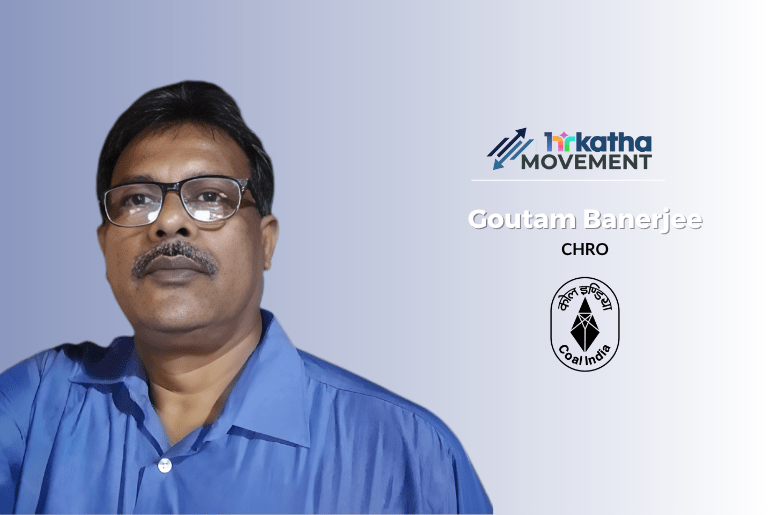
The mining industry, with its inherent risks and socio-economic complexities, demands a robust framework for industrial relations. Banerjee’s profound experience in this domain proved particularly valuable in managing the often-complex workforce environments within the sector. His ability to engage with diverse stakeholders, including powerful trade unions, government bodies, and local communities, was instrumental in resolving disputes, negotiating agreements, and maintaining industrial harmony, thereby ensuring uninterrupted operations crucial for national energy supply. His strategic approach to industrial relations often involved proactive engagement, transparent communication, and a deep understanding of labor laws and union dynamics. This preventative rather than reactive approach helped mitigate potential conflicts and fostered a more stable working environment.
Educational Foundations and Early Career
Goutam Banerjee’s professional journey was underpinned by a strong academic foundation. He holds a Postgraduate Diploma in Personnel Management from the prestigious Xavier Institute of Social Service (XISS), Ranchi. XISS is renowned for its specialized programs in human resource management and industrial relations, providing a rigorous theoretical framework combined with practical insights, which undoubtedly prepared him for the complexities of his career. Complementing this, his honours degree in Economics provided him with a solid understanding of market dynamics, resource allocation, and organizational efficiency, perspectives that are invaluable in strategic HR planning for a large public sector enterprise.
He began his professional career outside the coal sector, first with Kesoram Refractories, a part of the illustrious Kesoram Industries Limited, where he likely gained initial exposure to manufacturing sector HR practices. Subsequently, he moved to Durgapur Projects Limited, a significant undertaking of the West Bengal government, which provided him with experience in public sector administration before he transitioned to the coal industry with Eastern Coalfields in 1994. These initial roles, though distinct from mining, would have provided a foundational understanding of different organizational cultures and HR challenges, broadening his professional perspective.
The Broader Context: Coal India and HR in PSUs
Coal India Limited is not merely a mining company; it is a strategic national asset that underpins India’s energy security. As of 2023-24, CIL produced over 700 million tonnes of coal, accounting for over 80% of India’s total coal output. It employs a massive workforce, often cited as one of the largest corporate employers globally, with direct employment figures historically exceeding 250,000, and significantly more when contract workers are included. Managing such a colossal human resource base in a public sector undertaking (PSU) environment presents unique challenges.
HR in Indian PSUs, particularly those in core sectors like mining, is characterized by a blend of government policies, socio-economic objectives, and commercial imperatives. It involves navigating complex labor laws, addressing diverse union demands, ensuring equitable employment practices, and implementing welfare schemes that extend beyond typical corporate responsibilities. The retirement of a seasoned HR leader like Goutam Banerjee from such a critical organization therefore carries significant weight, signaling a transition in leadership at a time when the mining sector continues to evolve rapidly.
The modernization efforts in the Indian mining sector have been driven by several factors: the need to enhance productivity, improve safety standards, comply with stricter environmental regulations, and reduce reliance on imports. This has necessitated the adoption of advanced mining technologies, digitalization of operations, and a shift towards more skill-intensive jobs. HR leaders like Banerjee were instrumental in managing the human impact of these changes – from reskilling programs for workers displaced by automation to developing recruitment strategies for specialized engineers and technicians. His career witnessed the shift from predominantly manual mining to increasingly mechanized and automated processes, demanding a continuous re-evaluation of workforce competencies and organizational structures.
Legacy and Future Implications
Goutam Banerjee’s retirement marks the end of a long and distinguished career in public sector human resources leadership, leaving behind a profound legacy shaped by workforce development, robust employee relations, and astute organizational stewardship across India’s vital coal industry. His contributions extended beyond mere administrative functions; he played a strategic role in shaping the human capital framework of an organization that directly impacts the nation’s economic engine.
His legacy can be analyzed through several lenses:
- Industrial Harmony: His expertise in industrial relations contributed significantly to maintaining peace and productivity in a sector historically prone to labor unrest. This stability is critical for ensuring consistent coal supply to power plants and industries.
- Workforce Modernization: He was instrumental in facilitating the transition of Coal India’s workforce to adapt to modern mining techniques and technologies, ensuring that human resources remained relevant and effective in a changing operational landscape.
- Employee Welfare: His consistent focus on employee welfare initiatives improved the living and working conditions for thousands of miners and their families, fostering a sense of loyalty and commitment within the organization.
- Talent Pipeline: Through various development programs, he contributed to building a robust talent pipeline, ensuring that future leadership and skilled personnel were available to steer Coal India forward.
The departure of an executive of Banerjee’s stature often prompts reflection on leadership transitions within large public sector entities. While Coal India boasts a deep pool of talent, filling the void left by decades of institutional knowledge and specialized expertise in HR and industrial relations will be a critical task for the organization. The successor will face ongoing challenges such as managing an evolving workforce demographic, integrating new technologies, addressing environmental concerns, and maintaining harmonious industrial relations in an increasingly complex socio-economic environment.
While no official statements from other parties were immediately available beyond the company’s announcement of his retirement, it is reasonable to infer that his colleagues, subordinates, and industry peers would acknowledge his significant contributions. Leaders in such roles are often recognized for their mentorship, their ability to navigate complex organizational dynamics, and their dedication to the welfare of their employees. Industry observers would likely view his retirement as a moment to reflect on the continuity of HR strategies within Coal India, especially as the company continues to play a central role in India’s energy transition discussions, balancing coal production with renewable energy goals. His era represents a crucial chapter in the human resource evolution of India’s public sector giants.








