
The government has initiated a comprehensive consultation on the widespread use of workplace monitoring technologies (WMT), aiming to enhance clarity, foster transparency, and amplify worker voice, thereby bolstering sound industrial relations across the nation. This significant move signals a concerted effort to navigate the complex interplay between rapid technological advancements and the fundamental rights of employees in an evolving digital work landscape.
Ministers are actively soliciting perspectives from a broad spectrum of stakeholders, including businesses of all sizes, prominent trade unions, and the general public. The consultation specifically focuses on the application of digital monitoring tools and artificial intelligence (AI) in staff management, seeking to strike a delicate equilibrium. The overarching goal is to encourage technological innovation and its potential benefits for productivity, while simultaneously safeguarding workers’ rights, ensuring that progress does not come at the expense of fairness, trust, or transparency within the workplace. This initiative underscores a proactive approach to shaping the future of work in an era increasingly defined by data-driven decision-making and automated processes.
The Imperative for Clarity: Why Now?
The decision to launch this extensive consultation comes at a critical juncture, reflecting a growing awareness of the pervasive nature of digital surveillance in modern workplaces. The past decade, particularly accelerated by the global shift towards remote and hybrid working models, has witnessed an exponential increase in the adoption of WMT. Employers, seeking to maintain productivity, ensure compliance, and manage distributed teams, have increasingly turned to sophisticated tools that track everything from keystrokes and screen time to location data and communication patterns.
However, this proliferation has not been without controversy. Concerns have mounted regarding privacy infringements, the potential for discriminatory practices, and the erosion of trust between employers and employees. Workers often report feeling under constant surveillance, leading to increased stress, reduced autonomy, and a chilling effect on open communication. Trade unions and worker advocacy groups have long called for clearer guidelines and stronger protections, arguing that the existing legal framework, primarily data protection law, while foundational, may not adequately address the unique challenges posed by advanced WMT, especially those incorporating AI and automated decision-making.
In a joint foreword introducing the consultation document, Employment Rights Minister Kate Dearden and AI and Online Safety Minister Kanishka Narayan articulated the government’s stance: "Employers and workers should have a shared interest in workplace monitoring technologies being used transparently and in ways that are fair, accountable and reliable, so that they can support productivity and good management while maintaining trust in the workplace." This statement highlights the government’s belief that responsible technology use can be a mutually beneficial endeavor, rather than an inherent conflict.
Defining Workplace Monitoring Technologies
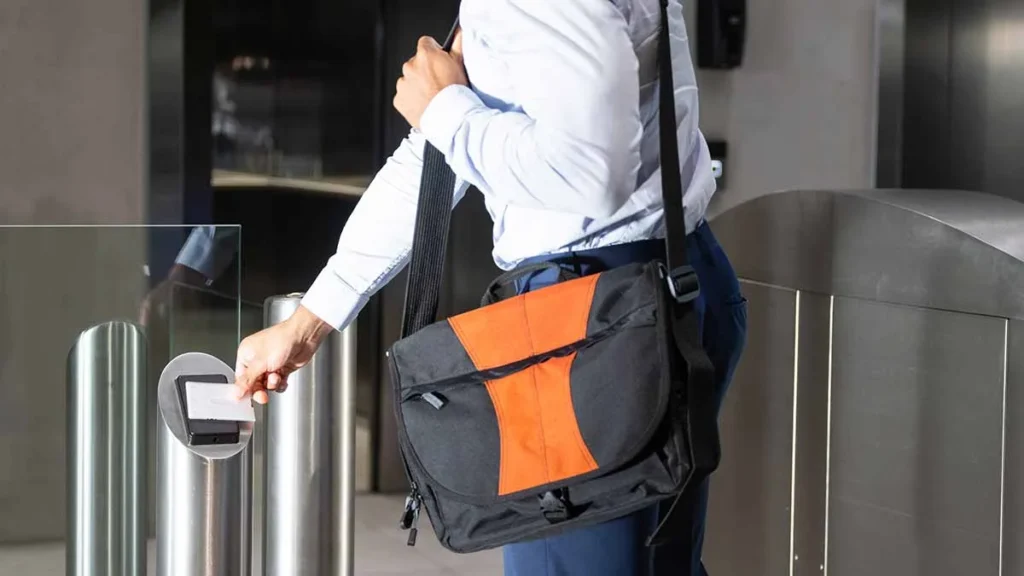
The consultation document provides a comprehensive definition of Workplace Monitoring Technologies (WMT), encompassing a wide array of data collection and reporting systems. These range from overt methods like digital activity tracking (e.g., monitoring software usage, internet browsing) and location tracking (e.g., GPS in company vehicles, badge readers) to more subtle forms such as communication surveillance (e.g., email content analysis, instant messaging monitoring). WMT are employed for various purposes, including observing performance metrics, tracking employee behaviour, monitoring attendance, and even systems that utilize collected data to inform or directly make decisions affecting workers.
Crucially, these technologies are not confined to traditional physical office environments. Their reach extends to remote work settings, often through digital platforms, and increasingly incorporates advanced functionalities like automated decision-making (ADM) and algorithmic management, including the integration of artificial intelligence. This means that decisions regarding hiring, promotion, performance evaluation, or even disciplinary actions can be influenced, or in some cases, solely determined by algorithms processing vast amounts of employee data.
Estimates regarding the prevalence of WMT vary considerably, with figures ranging from as low as 20% to as high as 85% of workplaces utilizing some form of monitoring technology. This wide disparity underscores the lack of consistent data and a clear understanding of the true scope of WMT adoption, further justifying the need for a national consultation. The government acknowledges that when responsibly, transparently, and proportionately applied, WMT holds significant potential to enhance outcomes for both employers (e.g., improved efficiency, security) and employees (e.g., performance feedback, safety). However, it equally stresses the "potential harms when WMT is poorly designed, explained or governed," highlighting risks such as surveillance creep, biased algorithmic outcomes, and a decline in employee morale.
Key Areas of Inquiry for the Consultation
The consultation framework is designed to elicit detailed insights into the practical realities of WMT. It seeks views on people’s direct experiences with these technologies, probing into the specific activities being monitored, the stated purposes behind such monitoring, and the nature and extent of information provided to workers when WMT were initially introduced or subsequently modified. This granular approach aims to build a comprehensive picture of current practices and identify areas where clarity and consistency are lacking.
Employers are currently bound by various legal requirements concerning WMT, most notably under data protection law. Organisations are mandated to ensure that the use of WMT and the processing of personal data derived from it are lawful, fair, and proportionate. This principle of proportionality requires employers to justify the necessity and appropriateness of monitoring activities, ensuring they do not unduly intrude on workers’ privacy beyond what is strictly required for legitimate business purposes.
Ministers are specifically keen to gather opinions on what "responsible use of WMT looks like in practice." To guide this discussion, the government has proposed a set of eight principles, which, while not explicitly detailed in the initial announcement, can be inferred to cover aspects such as:
- Transparency: Employers must clearly communicate the existence, purpose, and scope of monitoring.
- Fairness: Monitoring practices should be impartial and not lead to discriminatory outcomes.
- Accountability: Mechanisms should exist for challenging decisions made or informed by WMT.
- Reliability: The data collected and the systems used must be accurate and robust.
- Proportionality: Monitoring should be necessary for a legitimate purpose and no more intrusive than required.
- Data Minimisation: Only essential data should be collected and retained.
- Worker Voice: Employees or their representatives should have a say in the introduction and operation of WMT.
- Ethical Design: Technologies should be designed and implemented with human rights and dignity at their core.
The consultation asks respondents to evaluate how well these principles are currently being adhered to in workplaces and to identify which principles they deem most important. This feedback will be crucial in shaping future policy directions and potential regulatory interventions.

Navigating the Regulatory Landscape: Options on the Table
Drawing on the responses received and the broader evidence base, the government will assess whether specific regulatory intervention is warranted. The consultation puts forward three distinct pathways for consideration, each with varying degrees of legal enforceability and impact:
-
Statutory Code of Practice: This option would entail the creation of a legally recognised code of practice concerning employers’ use of WMT. A key feature of a statutory code is its enforceability in employment tribunals. Should such a code be established, tribunals would be empowered to consider its provisions when adjudicating relevant claims, such as unfair dismissal or discrimination, where WMT played a role in the factual background of the case. Furthermore, if an employer is found to have unreasonably failed to adhere to the code’s guidelines, the tribunal would have the discretion to adjust compensation awarded to the worker by up to 25%. This offers a tangible remedy for workers and provides a strong incentive for employers to comply.
-
Non-Statutory Guidance: This "light-touch" approach would involve issuing practical guidance for employers on the introduction and use of WMT. While potentially welcomed by employers for its flexibility and ease of adoption, non-statutory guidance would not create new legal obligations. Consequently, it would not provide any additional legal remedies for workers if employers fail to follow its recommendations. While useful for promoting best practices, its impact on protecting worker rights would be limited by its voluntary nature.
-
Primary Legislation for Mandatory Engagement: This most robust option proposes the enactment of primary legislation to impose a mandatory duty on employers to engage with workers, specifically with trade unions or elected staff representatives, whenever WMT is introduced or significantly altered. The objective would be to facilitate consultation and negotiation, with a view to reaching agreement on the terms and conditions of WMT implementation. This approach would fundamentally empower workers by granting them a formal voice in decisions directly impacting their surveillance and working conditions, potentially transforming the power dynamics in workplaces adopting advanced monitoring tools.
Industry and Worker Perspectives
The proposed regulatory options have elicited varied, though largely predictable, reactions from different stakeholder groups.
Trade Unions and Worker Advocates are likely to strongly advocate for the most robust interventions, particularly a statutory code of practice or primary legislation mandating worker engagement. They would emphasize the need for legal teeth to protect workers from unchecked surveillance, ensure fair algorithmic outcomes, and prevent a race to the bottom in employment standards. Unions would highlight the potential for WMT to exacerbate power imbalances, erode trust, and create a climate of fear, especially if not subject to collective bargaining or strong regulatory oversight. They would likely argue that non-statutory guidance, while well-intentioned, is insufficient to address the inherent power imbalance between employers and individual employees.
Business Groups and Employer Associations, while acknowledging the need for clarity, are generally expected to lean towards less prescriptive regulatory approaches, such as non-statutory guidance. Their primary concerns would revolve around maintaining operational flexibility, avoiding excessive administrative burdens, and mitigating potential legal liabilities that could stifle innovation. They might argue that overly stringent regulations could hinder productivity improvements, increase compliance costs, and disadvantage businesses in a competitive global market. Many employers would emphasize their commitment to ethical practices and transparent communication, preferring to self-regulate or adhere to industry best practices rather than face rigid statutory requirements.
Privacy Advocates and Technology Ethics Groups would likely stress the fundamental human right to privacy and the ethical implications of pervasive digital surveillance. They would push for robust data protection measures, mandatory impact assessments for AI-driven WMT, and mechanisms to ensure algorithmic transparency and explainability. Their focus would be on safeguarding individual autonomy and preventing the misuse of personal data, advocating for principles of data minimisation and purpose limitation to be central to any regulatory framework.
Broader Implications for the Future of Work
The outcome of this consultation holds significant implications for the future of work in the UK. The chosen regulatory path will not only shape the legal landscape but also profoundly influence employer-employee relations, the adoption trajectory of new technologies, and the overall culture of trust and transparency in workplaces.
Should a statutory code or primary legislation be enacted, it could set a global precedent for balancing technological innovation with worker protection, potentially inspiring similar regulatory efforts in other jurisdictions grappling with the ethical challenges of digital surveillance. It would compel businesses to rethink their WMT strategies, prioritizing ethical design, transparency, and worker involvement from the outset. This could foster a more collaborative environment where technology is seen as an enabler for mutual benefit rather than a tool for unilateral control.
Conversely, a decision to opt for non-statutory guidance might be perceived by some as a missed opportunity to provide robust protections, potentially leading to continued ambiguity and an uneven application of best practices across industries. This could exacerbate existing tensions between employers and employees, particularly in sectors where WMT is most prevalent, such as logistics, customer service, and the gig economy.
The consultation’s extended closing date of September 30, 2026, suggests a deliberate and thorough approach, allowing ample time for extensive engagement and the consideration of complex arguments. This prolonged period indicates the government’s recognition of the profound and multifaceted nature of WMT, necessitating careful deliberation before committing to a definitive policy direction. It also offers a unique window for all interested parties to contribute meaningfully to a discussion that will define the boundaries of digital control and human autonomy in the workplaces of tomorrow.
Ultimately, this consultation is more than just a review of technology; it is a fundamental inquiry into the values that should underpin modern work, seeking to ensure that as workplaces become more digitized, they also remain humane, fair, and respectful of individual rights and dignity. The government’s challenge will be to forge a consensus that harnesses the benefits of innovation while firmly embedding principles of fairness and trust at the core of workplace monitoring practices.








