
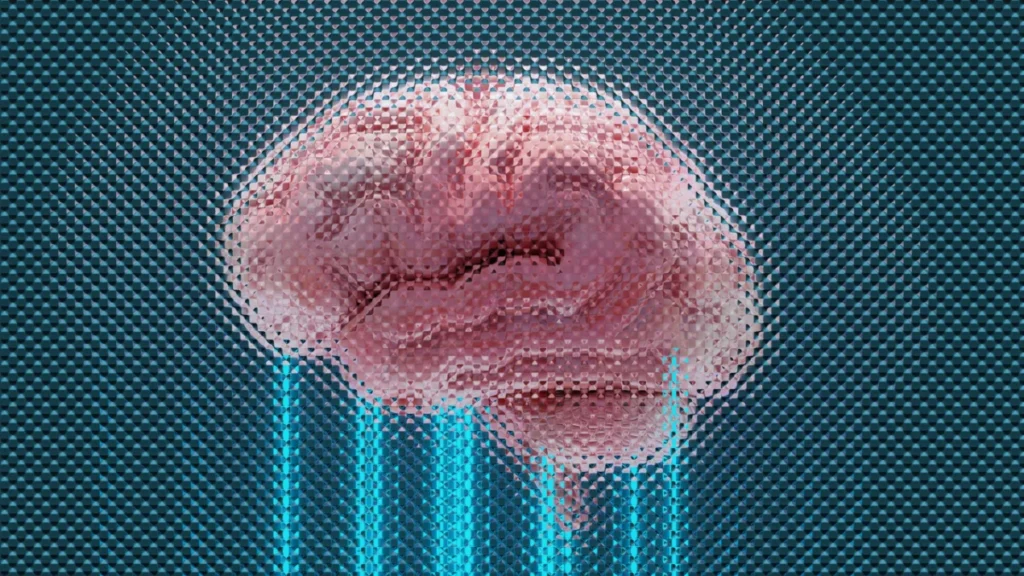
For decades, the prevailing narrative surrounding career progression has subtly suggested that an individual’s capacity for learning and adaptation peaks in early professional life, gradually diminishing with advancing age. However, contemporary neuroscience presents a compellingly different perspective, challenging this long-held assumption and offering profound implications for the modern workforce.
In a recent comprehensive discussion, Dr. David Rock, the distinguished Founder and CEO of the NeuroLeadership Institute, delved into the scientific evidence concerning the brain’s remarkable ability to continue growing and evolving throughout one’s lifespan. This conversation, a critical exploration for professionals navigating increasingly longer careers, unprecedented technological shifts, and the pervasive rise of artificial intelligence, yielded an unequivocally reassuring conclusion: the human brain does not simply "age out" of its capacity for growth and development. Instead, the potential for sustained learning remains robust well into later career stages, contingent upon the cultivation of specific conditions—primarily strong motivation, the introduction of novelty, and engagement with meaningful challenges.
Debunking the Myth: Neuroscience of Lifelong Learning
One of the most persistent misconceptions in professional development is the notion that cognitive flexibility inevitably declines with age. While it is true that certain aspects of cognitive processing, such as raw processing speed, may experience subtle shifts, groundbreaking neuroscience research consistently demonstrates the brain’s continuous capacity to form and strengthen new neural pathways throughout life, a phenomenon known as neuroplasticity. This biological adaptability underscores the potential for individuals to acquire new skills, assimilate complex information, and adapt to evolving environments irrespective of chronological age.
Dr. Rock elaborated on the fundamental drivers that underpin sustained cognitive performance in later careers. While the original article listed these drivers as bullet points, a deeper dive reveals their interconnectedness and importance. These include:
- Motivation: Intrinsic motivation, stemming from a sense of purpose, mastery, or autonomy, is a powerful catalyst for neural engagement. When learning aligns with personal values or professional goals, the brain’s reward systems activate, reinforcing the learning process.
- Novelty: Exposure to new experiences, concepts, or challenges stimulates neural circuits and encourages the formation of new connections. Monotony, conversely, can lead to cognitive stagnation.
- Meaningful Challenge: Engaging with tasks that require problem-solving, critical thinking, and application of knowledge, particularly those perceived as impactful, can significantly enhance cognitive function and learning retention.
- Active Engagement: Passive learning yields less impactful results than active participation, experimentation, and application of new knowledge.
- Social Interaction: Collaborative learning, discussions, and mentoring relationships provide diverse perspectives and stimulate cognitive processing.
- Physical and Mental Wellbeing: Factors such as adequate sleep, nutrition, physical exercise, and stress management are foundational for optimal brain health and cognitive function at any age.
When these elements are strategically integrated into professional development and daily work, they activate the brain’s reward systems, reinforcing learning and crucially facilitating the transfer of knowledge across teams and generational divides. This scientific understanding directly informs the efficacy of mentoring relationships. Experienced professionals, in the role of mentors, gain renewed purpose and invaluable cognitive stimulation, while younger colleagues benefit immensely from the distilled insights and perspectives of their senior counterparts. Even more potent is the strategy of reverse mentoring, where senior leaders actively learn emerging technologies, digital tools, or contemporary generational perspectives directly from younger employees. This dynamic, bidirectional exchange of knowledge can dramatically accelerate technological fluency and foster a culture of continuous learning across an organization’s entire leadership structure.
Designing Roles to Cultivate and Spread Wisdom
Organizations committed to retaining and empowering their senior talent must critically re-evaluate and thoughtfully design roles that leverage accumulated wisdom and experience. Later-career professionals demonstrably thrive in environments where their work thoughtfully combines:
- Autonomy: The freedom to make decisions, lead initiatives, and shape their work contributes significantly to job satisfaction and engagement.
- Purpose: Roles that offer a clear sense of contribution to organizational goals or societal impact are highly motivating.
- Opportunities for Mentorship and Knowledge Transfer: Structured avenues to share expertise with less experienced colleagues, such as formal coaching programs or advisory roles, provide profound fulfillment and reinforce learning.
- Novel Challenges: While experience is valuable, stagnation can occur without new intellectual stimulation. Roles that present fresh problems to solve or new skills to acquire keep senior minds sharp.
- Flexibility: Adapting work schedules or arrangements to accommodate personal preferences or life stages can significantly enhance retention and productivity among experienced workers.
These intrinsically motivating elements encourage experienced employees not only to sustain their high-level contributions but also to effectively transfer invaluable institutional knowledge across the organization. Rather than inadvertently sidelining experienced talent, forward-thinking organizations are strategically implementing formal coaching systems, establishing project advisory roles, or creating robust mentorship programs. These initiatives are designed to ensure that deep expertise continues to actively shape critical decision-making processes, thereby safeguarding organizational memory and fostering a culture of continuous improvement. The economic implications are significant: studies by the AARP and other research bodies consistently highlight the value of older workers, noting their higher engagement, lower turnover rates, and the substantial return on investment derived from their experience and mentorship capabilities. With global demographics showing an increasingly aging workforce, leveraging this demographic becomes not just an ethical choice but a strategic imperative.
The AI Revolution: A Cognitive Amplifier, Not a Replacement
The ongoing conversation about career longevity and skill development is inextricably linked to another monumental shift: the rapid and pervasive emergence of artificial intelligence. Dr. Rock compellingly argues that AI should be conceptualized not as a substitute for human cognitive function but rather as a powerful "cognitive amplifier." This perspective reframes AI from a threat into an invaluable partner, capable of extending human capabilities and intellectual reach.
One of the most promising applications of AI in this context is its capacity to systematically capture and codify human expertise through AI-driven expert models. These sophisticated systems can assist organizations in meticulously documenting complex decision frameworks, encapsulating institutional knowledge, and distilling critical operational insights. The benefits are manifold: improved onboarding processes for new employees, enhanced knowledge retention, and empowering teams to make faster, more thoroughly informed decisions by accessing a curated repository of collective wisdom.
However, Dr. Rock introduces a crucial caveat, likening the current stage of AI development to "the early days of cars." He explains, "It’s powerful and fast—but without the right rules, it can also be dangerous." This analogy serves as a potent reminder of the need for careful integration and thoughtful governance. While AI can undoubtedly stretch ideas, generate novel insights, and act as an invaluable "thinking partner," an over-reliance on these tools carries inherent risks. Excessive dependence can inadvertently flatten human creativity, weaken natural memory recall, and significantly diminish independent judgment. The concern is that by outsourcing too much cognitive heavy lifting to AI, individuals might atrophy essential intellectual muscles.
To remain highly effective and adaptable in an increasingly AI-enabled workplace, leaders must proactively cultivate three essential habits:
- Strategic Questioning: Instead of simply accepting AI-generated outputs, leaders must develop the skill of asking incisive, critical questions. This involves probing the underlying assumptions, scrutinizing the data sources, and challenging the conclusions drawn by AI. This habit ensures that human critical thinking remains at the forefront of decision-making.
- Synthesizing Diverse Information: The ability to integrate information from multiple sources—including AI, human experts, and personal experience—to form a coherent and nuanced understanding is paramount. This goes beyond mere data aggregation; it involves discerning patterns, identifying discrepancies, and constructing a holistic picture.
- Prioritizing Human Judgment: While AI can provide valuable insights and efficiencies, the ultimate responsibility for ethical considerations, strategic direction, and nuanced human-centric decisions must remain with human leaders. This means understanding when to trust AI and, crucially, when to override or refine its suggestions based on uniquely human qualitative factors, empathy, and organizational context.
In essence, the guiding principle for AI integration should be to expand and enhance human judgment, not to supplant it. The goal is a synergistic relationship where AI augments human intellect, allowing leaders to operate at a higher strategic level, freeing them from routine cognitive tasks to focus on complex, creative, and interpersonal challenges.
Navigating Career Transitions with the SCARF Model
For a significant number of professionals, later career stages inevitably bring forth profound questions regarding potential role pivots, the redefinition of personal and professional purpose, or meticulous preparation for retirement. These transitions, while often anticipated, can trigger considerable psychological stress and uncertainty. Dr. David Rock’s widely recognized SCARF Model—an acronym standing for Status, Certainty, Autonomy, Relatedness, and Fairness—provides an exceptionally useful and robust framework for understanding and effectively navigating these complex career shifts. The SCARF model posits that these five social domains activate the same neural networks as primary survival needs, meaning threats or rewards in these areas can profoundly influence an individual’s engagement, performance, and emotional state.
Applying the SCARF model to career transitions illuminates how disruptions in any of these areas can trigger a "threat response," leading to anxiety, resistance, or disengagement. Conversely, addressing and optimizing these elements can facilitate smoother, more positive transitions.
- Status: A perceived loss of status (e.g., moving from a senior leadership role to a more advisory one) can be highly threatening. Planning should include identifying new avenues for recognition or leveraging existing status in a new context (e.g., becoming an esteemed mentor).
- Certainty: Major career shifts inherently involve uncertainty about the future, new responsibilities, and financial implications. Proactive planning helps to establish greater certainty around next steps, timelines, and expected outcomes.
- Autonomy: Losing control over one’s work or schedule can be demotivating. Designing transitions that maintain or even enhance autonomy (e.g., consulting, part-time roles) is crucial.
- Relatedness: Changes can disrupt established professional networks and social connections. Deliberate efforts to build new relationships or maintain existing ones are vital.
- Fairness: Perceptions of unfairness regarding opportunities, compensation, or treatment during a transition can be highly detrimental. Transparent communication and equitable processes are essential.
By proactively planning and addressing these SCARF elements, individuals can significantly mitigate the threat response that frequently accompanies major career shifts, transforming potential stressors into opportunities for growth. Some practical steps individuals can undertake include:
- Defining a New Purpose: Beyond a formal job title, identifying what truly energizes and motivates an individual for their next chapter. This could involve passion projects, community work, or new learning pursuits.
- Building a Transitional Network: Actively connecting with individuals who have successfully navigated similar transitions, seeking advice, and exploring new opportunities.
- Acquiring New Skills: Identifying skill gaps for desired future roles or activities and investing in learning, whether through formal courses, certifications, or self-directed study.
- Financial Planning: Ensuring a clear understanding of financial resources and needs to provide a sense of security during periods of change.
- Seeking Mentorship/Coaching: Engaging with experienced coaches or mentors who can offer guidance, challenge assumptions, and provide support.
Organizations also bear a significant responsibility in facilitating smoother transitions for their experienced workforce. Leaders can foster a supportive environment by providing rich context for evolving projects, thereby affirming the continued relevance of senior employees’ contributions. Encouraging long-term relationship building through cross-functional teams and professional networks can mitigate feelings of isolation during changes. Crucially, helping employees cultivate a strong sense of status and robust connections well in advance of major career changes can significantly buffer the negative impacts of transition, ensuring that valuable talent remains engaged and productive.
The Most Fulfilling Chapter May Still Be Ahead
If there is one overarching message emanating from the rigorous findings of neuroscience that merits far wider dissemination and acceptance, it is this: the later stages of a professional career possess the profound potential to be the most rewarding and impactful chapter of all. This perspective directly challenges the outdated paradigm of inevitable decline.
With the judicious combination of renewed purpose, stimulating intellectual challenges, and continuous learning opportunities, professionals can not only sustain their growth but also flourish. They can continue to mentor emerging talent, contribute invaluable strategic insights derived from decades of experience, and shape the future trajectory of their organizations and industries well into the later chapters of their professional lives. The notion that wisdom and experience, when paired with continuous adaptation, can lead to peak performance is gaining significant traction.
For those eager to delve deeper into these transformative ideas, Dr. Rock consistently recommends a suite of invaluable resources. These include his seminal work, "Your Brain at Work," which offers practical, neuroscience-backed strategies for enhancing focus, managing emotions, and maximizing productivity. Additionally, tools like askNiles.ai provide AI-driven assistance grounded in neuroscientific principles. Further exploration can be found through the comprehensive programs and research initiatives offered by the NeuroLeadership Institute, which consistently translates cutting-edge brain science into practical leadership and organizational development strategies.
The future of work, therefore, transcends mere technological advancements. It is fundamentally about unlocking and maximizing human potential at every single stage of a career lifecycle. And the unequivocal scientific evidence is clear: the human brain is not merely ready for this journey of lifelong learning and adaptation; it is inherently designed for it. This paradigm shift empowers both individuals and organizations to envision and actively construct a future where experience is valued, wisdom is cultivated, and innovation thrives through the synergistic integration of human intellect and advanced technology.








