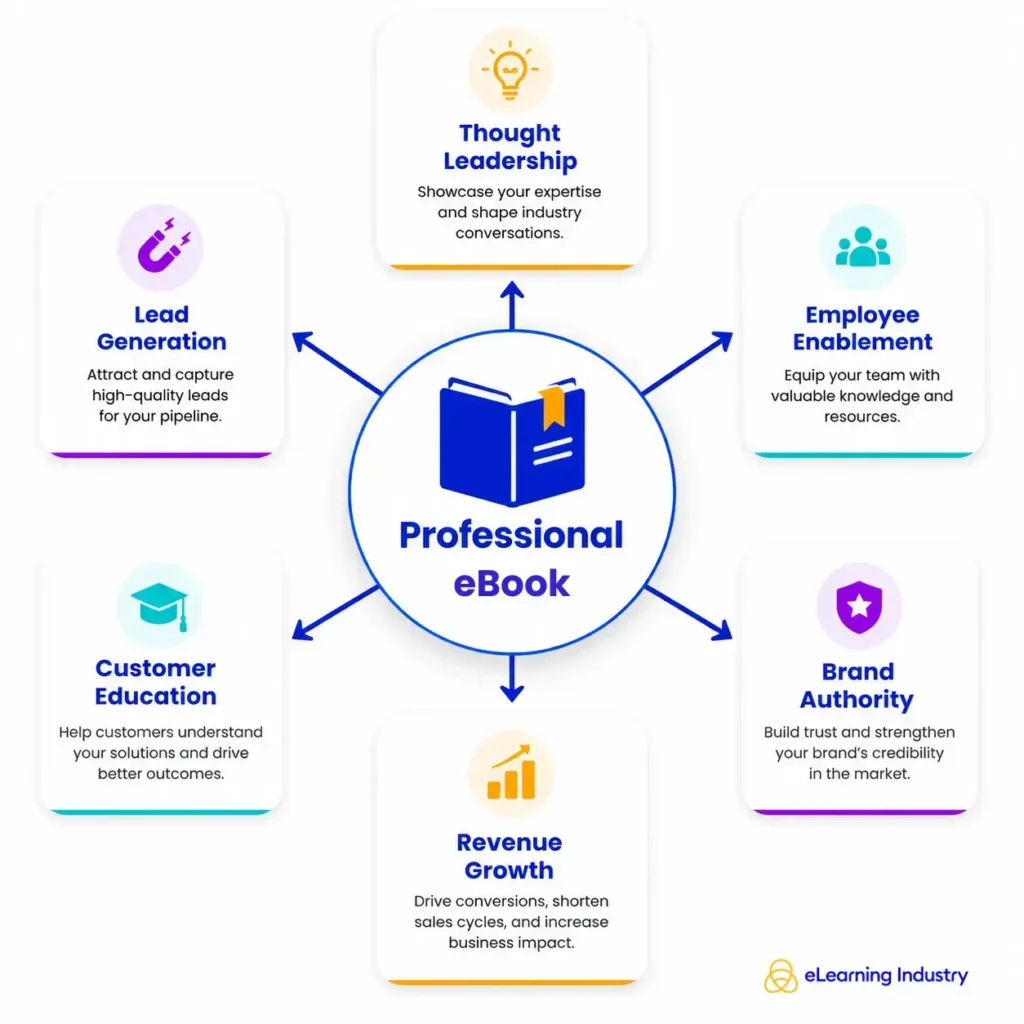
The digital publishing landscape has undergone a seismic shift, evolving from a niche medium for experimental novelists into a cornerstone of modern corporate strategy and knowledge dissemination. In the current professional environment, the ability to produce high-quality eBooks is no longer a peripheral skill reserved for digital marketers seeking lead magnets; it is a vital competency for organizations aiming to share institutional knowledge, educate diverse audiences, and secure sustainable growth. From multinational corporations and human resources (HR) leaders to independent consultants and educators, the eBook has become the preferred vehicle for demonstrating expertise, demystifying complex technical concepts, and generating revenue through digital products.
The Evolution of Digital Knowledge Assets
The transition from physical documentation to digital-first resources has been accelerated by the globalization of the workforce and the rise of remote learning. According to industry market reports, the global eBook market was valued at approximately $19.95 billion in 2023 and is projected to reach $32.19 billion by 2032, exhibiting a compound annual growth rate (CAGR) of 4.9%. This growth is not merely driven by leisure reading but by a surge in professional and educational demand.
In the corporate sector, the "well-made eBook" serves as more than just a document; it is a strategic asset. Organizations utilize these digital publications to streamline onboarding processes, provide industry-specific guides, and offer value-added resources to potential clients. Success in this field requires a move away from simple word processing toward a comprehensive editorial and design workflow that integrates content planning, audience analysis, and the strategic application of modern software tools.
A Chronological Framework for Professional eBook Production
Creating a successful eBook is a multi-disciplinary process that requires a structured approach. To move from a concept to a published product that commands attention and generates value, creators typically follow a rigorous eight-step methodology.
1. Defining Strategic Purpose and Audience Alignment
The inception of any eBook project must be rooted in clear objectives. Data indicates that content tailored to specific "buyer personas" or "learner profiles" sees significantly higher engagement rates than generic material. Creators must identify whether the primary goal is thought leadership, employee training, lead generation, or direct sales.
For an HR manager, the purpose might be a 15% reduction in time-to-productivity for new hires through an interactive onboarding guide. For a consultant, it might be the acquisition of high-quality leads by solving a specific pain point, such as "navigating regulatory compliance in 2025." Defining these parameters early ensures that every subsequent chapter serves a functional purpose.
2. Research, Data Gathering, and Organizational Structure
Credibility in the digital space is built on the foundation of Google’s E-E-A-T principles: Experience, Expertise, Authoritativeness, and Trustworthiness. Professional eBook creation involves aggregating insights from subject matter experts (SMEs), internal company data, and secondary industry research. Incorporating proprietary data—such as internal survey results or case studies—not only enhances the eBook’s value but also increases the likelihood of the work being cited by other industry publications, thereby boosting SEO and brand authority.
3. The Editorial Phase: Clarity and Engagement
The writing process for an eBook differs significantly from academic or technical manual writing. The tone must be accessible yet professional, prioritizing clarity over complexity. Structural elements such as bullet points, frequent subheadings, and short paragraphs are essential for digital readability, as eye-tracking studies show that digital readers tend to "scan" content in an F-shaped pattern.
4. Technological Selection and Tool Integration
The choice of production tools is dictated by the desired output and budget. While Microsoft Word and Google Docs remain the standard for initial drafting and collaborative editing, they often lack the sophisticated layout capabilities required for professional-grade publications.
- Adobe InDesign: The industry standard for high-end layouts and professional publishing.
- Canva: A leading SaaS platform for creators who require visually appealing templates with a lower learning curve.
- AI eBook Generators: Emerging tools that can assist in outlining and drafting, though they require significant human oversight to ensure factual accuracy.
5. Visual Design and Accessibility Standards
Design is not merely aesthetic; it is functional. A professional eBook utilizes white space to prevent cognitive overload and employs high-contrast typography to ensure readability across devices. Accessibility is also a growing legal and ethical requirement; creators must ensure that digital publications are compatible with screen readers and include alt-text for all visual elements.

6. Rigorous Editing and Quality Assurance
The penultimate stage involves deep-tissue editing. Beyond simple spell-checking, this phase requires a "logic audit" to ensure that arguments flow sequentially and that all external links are functional. Peer reviews or third-party editorial assessments are recommended to catch institutional biases or technical errors that an internal team might overlook.
7. Formatting and Multi-Platform Exporting
The technical format of an eBook determines its reach.
- PDF (Portable Document Format): Ideal for lead magnets and documents intended for desktop viewing or printing.
- EPUB (Electronic Publication): The gold standard for e-readers and mobile devices, allowing for "reflowable" text that adjusts to different screen sizes.
- MOBI/KPF: Specific formats required for the Amazon Kindle ecosystem.
8. Strategic Promotion and Monetization
A published eBook is a dormant asset without a distribution strategy. For B2B organizations, this often involves a dedicated landing page optimized for search engines (SEO) and integrated with email marketing automation. For those looking to sell digital products, the focus shifts to e-commerce integration and leveraging marketplaces like Amazon or Gumroad.
The Role of Artificial Intelligence in Contemporary Publishing
The emergence of Generative AI has transformed the speed at which eBooks can be produced, but it has also introduced new risks. AI tools can effectively summarize large datasets, generate outlines, and provide initial drafts for complex sections. However, industry experts caution against over-reliance on automation.
"The most successful eBooks in our company aren’t the longest, but the ones that solve a specific problem," notes Christopher Pappas, CEO and founder of eLearning Industry. He emphasizes that the combination of human subject matter expertise and thoughtful design is what turns a document into a "strategic business asset." AI lacks the nuanced understanding of a company’s unique culture or the specific emotional pain points of a niche audience. Therefore, the current industry consensus views AI as a "creative assistant" rather than a replacement for the human author.
Broader Impact and Industry Implications
The proliferation of professional eBooks has broader implications for how information is consumed and valued. In the realm of Learning and Development (L&D), eBooks have democratized access to high-level training. Instead of expensive, one-time seminars, employees can now access evergreen resources that they can reference throughout their careers.
Furthermore, the "eBook-as-a-Product" model has fueled the growth of the creator economy. Experts who previously had no path to traditional publishing can now reach global audiences with minimal overhead. This has led to a more diverse range of voices in the marketplace, though it has also increased the noise, making high production values and genuine expertise more important than ever for standing out.
From a marketing perspective, the data collected from eBook downloads provides organizations with deep insights into their audience’s interests. Analyzing which chapters are most read or which topics drive the most downloads allows companies to refine their product offerings and communication strategies with surgical precision.
Conclusion: The Future of Digital Expertise
As digital devices become more integrated into the professional workflow, the demand for high-quality, long-form digital content will only increase. Creating an eBook that people actually read and buy is a sophisticated exercise in value creation. It requires a synergy between deep topical knowledge and the technical skills of digital publishing.
By following a structured 8-step process—ranging from audience definition to strategic promotion—organizations and individuals can move beyond the "disposable content" cycle. A well-executed eBook remains relevant for years, serving as a silent ambassador for a brand’s expertise and a reliable source of education or revenue. In an era defined by information density, the ability to synthesize knowledge into a professional, accessible, and valuable digital book remains one of the most powerful tools in the modern business toolkit.