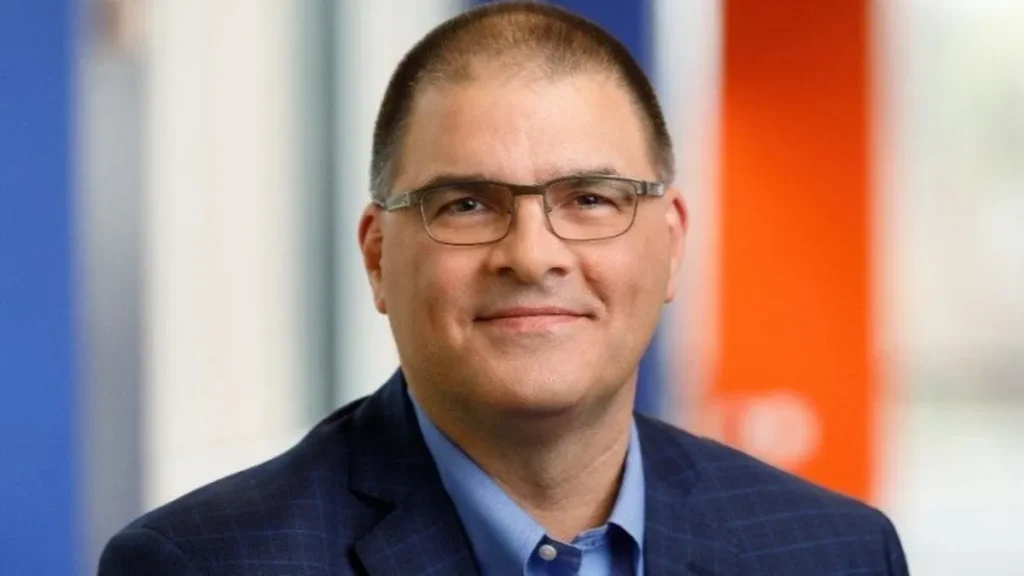
The month of May 2026 witnessed a significant wave of appointments to top human resources leadership positions across diverse sectors, including healthcare, academia, advanced manufacturing, and artificial intelligence. A consistent theme underpinning these strategic hires was the explicit emphasis from companies on the critical need to scale their operations, talent acquisition, and organizational development capabilities. This trend underscores a broader corporate understanding that human capital management is no longer a purely administrative function but a central pillar of growth strategy in an increasingly dynamic global economy. The newly appointed Chief People Officers (CPOs) and Chief Human Resources Officers (CHROs) are tasked with navigating complex talent landscapes, fostering inclusive cultures, and implementing innovative HR technologies to support ambitious expansion plans.
The Broader Context: The Imperative to Scale
In the mid-2020s, businesses worldwide are grappling with a confluence of factors that make "scaling" a paramount strategic objective. Post-pandemic shifts have solidified hybrid work models, intensified the war for talent, and accelerated digital transformation across nearly every industry. Companies are not merely looking to grow; they are striving for sustainable growth, which necessitates robust infrastructure for recruiting, retaining, and developing employees at an accelerated pace. This environment elevates the HR function from a supportive role to a pivotal strategic partner in achieving business objectives. Data from industry analysts in early 2026 suggests that companies with highly integrated HR and business strategies report 2.5 times higher revenue growth and significantly better employee retention rates than their counterparts. This analytical insight provides a compelling rationale for the current trend in executive HR appointments. The demand for HR leaders who can strategically align talent initiatives with market expansion, technological integration, and cultural evolution has never been more pronounced. They are expected to be architects of organizational effectiveness, capable of designing systems that can expand without compromising quality or culture.
Key Appointments: A Detailed Look at May 2026
The appointments made public throughout May 2026 offer a snapshot of this strategic recalibration within various organizations. Each hire reflects specific industry challenges and corporate ambitions, but all converge on the central theme of scaling human capital for future success.
Mercy: Bolstering a Multistate Healthcare System
On May 18, multistate healthcare system Mercy announced the promotion of Mark “Mo” Moir to Senior Vice President and Chief People Officer. Moir, previously the Vice President of Talent for the organization, brings an intimate understanding of Mercy’s extensive operations and its dedicated workforce. His new role will encompass critical areas such as compensation and benefits, co-worker health, fostering a culture of inclusion, organizational effectiveness, talent acquisition, and talent relations. This comprehensive mandate highlights the holistic approach Mercy is taking to human capital management.

Mercy, a prominent healthcare provider with facilities spanning multiple states, faces the perennial challenge of attracting and retaining skilled medical professionals in a highly competitive market. The healthcare sector, in particular, has seen unprecedented strain in recent years, making robust HR leadership indispensable. Moir’s focus on co-worker health and a culture of inclusion is particularly pertinent in an industry known for high stress levels and potential burnout. His prior experience in talent acquisition will be crucial as Mercy aims to scale its services and expand its geographic footprint. The promotion of an internal candidate like Moir often signifies a strategic decision to leverage institutional knowledge and ensure continuity in cultural values while embarking on growth initiatives. "Mark’s proven leadership and deep commitment to our mission make him the ideal choice to guide our people strategy as we continue to expand our reach and enhance the lives of those we serve," stated a representative for Mercy, emphasizing the strategic importance of this internal transition.
Mississippi State University: Modernizing Academic HR
Mississippi State University (MSU) announced Jason Hernandez as its new Chief Human Resources Officer following a comprehensive nationwide search. The appointment, made public on a Wednesday in May, signifies MSU’s commitment to modernizing its HR functions to meet the evolving demands of a large academic institution. Hernandez will oversee a broad portfolio including domestic and international employment, compensation, benefits, employee relations, learning and development, and data services.
Hernandez brings a wealth of experience from both corporate and healthcare sectors, having previously served as CHRO at Centerstone Healthcare and, before that, as Vice President for HR at FedEx Freight. This background from fast-paced, large-scale organizations suggests MSU is looking to instill corporate best practices into its academic HR framework. Universities, much like corporations, are complex ecosystems requiring sophisticated talent management strategies for faculty, staff, and researchers. The emphasis on "data services" in his mandate suggests a move towards more analytics-driven HR decision-making, a trend observed across various industries aiming for efficiency and effectiveness in talent management. "Mr. Hernandez’s extensive experience in diverse, large-scale environments will be invaluable as we enhance our human resources capabilities to support our growing university community," a university spokesperson commented, highlighting the strategic ambition behind the hire. His appointment signals MSU’s recognition of the strategic role HR plays in attracting top academic talent and fostering a supportive work environment essential for institutional excellence and expansion.
Jacobs: Navigating Growth in Advanced Manufacturing and Consulting
On May 18, advanced manufacturing and consulting firm Jacobs announced Cheryl Lim as its new CHRO. The company explicitly stated that Lim would lead HR at a "pivotal moment" in its growth journey, underscoring the strategic weight of her appointment. Lim’s recent experience includes serving as CHRO and Section 16 Officer at Vertiv Holdings, and prior to that, she held significant roles at ITT Inc. and Honeywell International.
Jacobs operates in sectors characterized by rapid technological advancement and complex global projects. The "pivotal moment" likely refers to strategic acquisitions, market expansion, or significant technological shifts within its core businesses. In such an environment, the ability to rapidly integrate new talent, develop specialized skills, and foster a culture of innovation is paramount. Lim’s background in technology-intensive industries positions her well to address these challenges. Her role will involve not just managing existing talent but proactively shaping the workforce for future demands, including those related to AI, sustainable solutions, and advanced engineering. "Cheryl’s proven leadership in managing human capital through periods of significant growth and technological transformation makes her an exceptional addition to our executive team," stated a Jacobs executive, affirming the strategic alignment of the hire with the company’s trajectory. This appointment highlights how HR leaders in advanced industries are increasingly expected to drive strategic workforce planning and organizational agility.
Ironclad: Scaling Talent in the AI Revolution

The artificial intelligence contracting company Ironclad appointed Mike Jordan as its Chief People Officer on May 14. The company’s announcement clearly articulated Jordan’s primary objective: to "scale Ironclad’s hiring engine and employer brand worldwide" as the company enters its next phase of growth. Jordan joins Ironclad from Asana, where he was Senior Vice President and Head of Talent, Learning, and Strategy. Notably, at Asana, he "developed an AI-first approach to improve decision-making, productivity, and business impact."
Ironclad’s mission to leverage AI in contracting positions it at the forefront of technological innovation. As AI technologies continue their rapid development, the demand for specialized AI talent is soaring, making the ability to "scale a hiring engine" a critical competitive advantage. Jordan’s unique experience in applying AI to HR functions at Asana makes him an exceptionally strategic hire for an AI-centric company. This background suggests Ironclad is not only looking to grow its workforce but also to innovate its HR practices using the very technology it champions. His role will be instrumental in attracting top-tier AI engineers, data scientists, and legal tech experts in a fiercely competitive talent market. "Mike’s unparalleled expertise in leveraging AI for talent management and his vision for scaling global workforces are precisely what Ironclad needs as we accelerate our growth and redefine the future of contracting," commented a senior leader at Ironclad, underscoring the innovative mandate given to Jordan. This appointment exemplifies how HR leaders in the tech sector are expected to be innovators themselves, integrating cutting-edge technologies into talent strategy.
Valtris Specialty Chemicals: Driving Growth Through People
On May 4, Valtris Specialty Chemicals, a global manufacturer of specialty additives, announced Clint Shephard as its new CHRO. The company emphasized that Shephard would play a "key role" in its growth strategy, signaling a direct link between human capital and business expansion. Shephard’s previous roles include Senior Director of Human Resources at Myers Industries and a global HR leader position for The Dow Chemical Co.
The specialty chemicals sector is characterized by complex manufacturing processes, stringent regulatory environments, and a need for highly specialized technical expertise. Valtris’s focus on growth strategy implies potential market expansion, product diversification, or operational optimization. In this context, Shephard’s experience in global HR leadership at a company like Dow Chemical is particularly valuable. He is expected to build and manage a workforce capable of innovation, operational excellence, and navigating international markets. His role will likely involve talent development programs to upskill the existing workforce, strategic recruitment to fill specialized roles, and ensuring a safe and productive work environment across diverse global operations. "Clint’s extensive experience in global manufacturing environments and his strategic vision for human resources will be instrumental in empowering our teams and driving our ambitious growth objectives worldwide," a Valtris executive noted, highlighting the global dimension of his mandate. This move demonstrates that even in traditional manufacturing sectors, HR is seen as a strategic lever for market leadership.
WilliamsMarston: Fueling Advisory Firm Expansion
WilliamsMarston, an advisory firm specializing in accounting, tax, technology, transaction, and valuation services, appointed Douglas Hoffer to CPO on May 4. The company’s announcement specified that Hoffer would lead talent acquisition, leadership development, and organizational design to support the company’s growth. Prior to joining WilliamsMarston, Hoffer served as CPO at Access Information Management.
Advisory firms like WilliamsMarston are fundamentally people-centric businesses; their primary asset is intellectual capital. As such, the ability to attract, develop, and retain top-tier talent is directly correlated with their capacity for growth and client service excellence. Hoffer’s mandate directly addresses these core requirements. "Douglas brings an exceptional track record in building high-performing teams and designing robust organizational structures that foster innovation and client success," commented a WilliamsMarston managing partner, emphasizing the firm’s reliance on its human capital. His focus on leadership development is crucial for an advisory firm that often promotes from within and relies on senior experts to drive client relationships. Organizational design will be key to ensuring that as the firm expands its services and client base, its internal structures remain agile and effective. This appointment underscores the critical role of HR in professional services, where talent is not just a resource but the product itself.

Industry-Specific Trends and Broader Implications
While the underlying theme of "scaling" unites these appointments, several industry-specific trends are also evident:
- Healthcare: The ongoing demand for healthcare services, coupled with workforce shortages, means HR leaders like Moir at Mercy are crucial for talent retention, well-being, and efficient staffing. The focus on "co-worker health" reflects a recognition of the intense pressures within the sector.
- Academia: Universities like Mississippi State are increasingly professionalizing their HR functions, moving towards more data-driven and strategically aligned talent management to compete for top faculty and staff.
- Tech & Advanced Manufacturing: Companies like Jacobs and Ironclad require HR leaders who understand rapid technological shifts, can attract highly specialized talent, and are adept at fostering cultures of innovation and continuous learning. Jordan’s AI-first approach at Ironclad is a prime example of this.
- Specialty Industries & Professional Services: Valtris and WilliamsMarston demonstrate that even in niche manufacturing and advisory sectors, strategic HR is essential for growth, emphasizing leadership development, specialized talent acquisition, and global workforce management.
These appointments collectively illustrate a significant evolution in the role of the Chief Human Resources Officer and Chief People Officer. No longer confined to administrative tasks, these executives are now expected to be integral members of the C-suite, directly contributing to business strategy, market expansion, and the cultivation of an organizational culture that can sustain rapid growth. Their responsibilities extend to leveraging data analytics for workforce insights, championing diversity, equity, and inclusion, and integrating emerging technologies into HR processes.
The Evolving Role of the CHRO/CPO
The expanded mandates of these new HR executives signal a maturation of the HR profession. The CHRO/CPO role has transcended traditional personnel management to become a strategic partner in organizational transformation. They are now expected to be experts in organizational design, change management, talent analytics, and employer branding, all while maintaining a deep understanding of the core business. This shift is driven by the recognition that human capital is the ultimate competitive differentiator. As companies navigate global complexities, technological disruption, and evolving workforce expectations, the ability to attract, develop, and retain top talent becomes paramount. These May 2026 appointments reflect a proactive stance by companies to equip themselves with the leadership necessary to thrive in this challenging yet opportunity-rich environment.
Future Outlook
The trend observed in May 2026 is likely to continue, with an increasing demand for highly strategic and business-savvy HR leaders. As artificial intelligence continues to reshape industries, and as global talent pools become more interconnected yet fragmented, the CHRO/CPO will play an even more critical role in organizational agility and resilience. Future HR leaders will need to be fluent in digital transformation, adept at managing diverse and distributed workforces, and champions of ethical AI integration in HR practices. The strategic hires in May 2026 serve as a clear indicator of the direction in which corporate human resources leadership is heading: towards greater integration with business strategy, a sharper focus on scalable talent solutions, and a proactive approach to building the workforce of tomorrow.