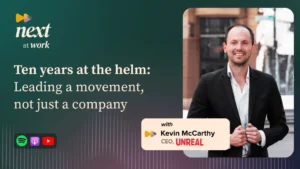
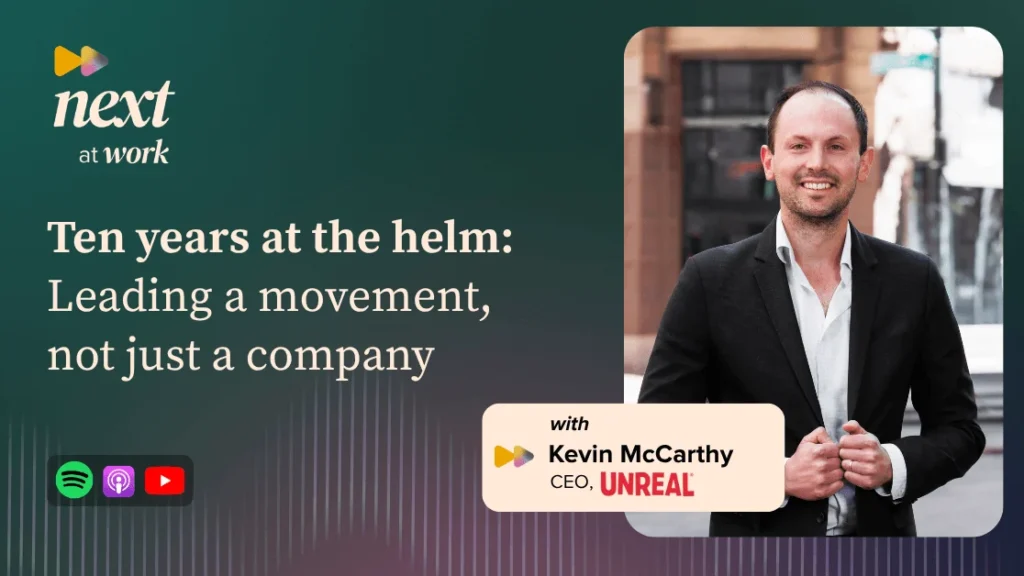
At the remarkably young age of 24, Kevin McCarthy assumed the role of CEO at UNREAL, a burgeoning chocolate company with an ambitious mission: to fundamentally transform how American consumers perceive and consume candy. A decade later, McCarthy remains the steadfast leader of this fully remote enterprise, overseeing a dispersed team across the United States and having successfully guided UNREAL from a passionate startup concept to become the preeminent better-for-you chocolate brand in the nation.
UNREAL’s innovative approach has led to its products being stocked in over 35,000 retail locations, including major chains such as Target, Costco, and Whole Foods. The company has skillfully carved out a significant niche within the intensely competitive consumer goods landscape, directly challenging established confectionery giants while steadfastly upholding its foundational commitment to crafting chocolate with reduced sugar content and superior, transparent ingredients.
However, the journey of cultivating a successful brand over ten years entails a complex array of challenges that extend far beyond mere product distribution. For McCarthy, this extensive period has been defined by a continuous process of personal and professional growth: learning to effectively lead an expanding organization while simultaneously maturing into the demanding role of CEO, fostering a robust company culture without the traditional anchor of a physical office, and strategically developing a sustainable business model in an industry often characterized by relentless, round-the-clock work ethics.
These profound insights and experiences were recently explored in an illuminating discussion on the "Next at Work" podcast, where McCarthy engaged with host Brendan Jeannetti. Their conversation delved into critical themes of leadership, entrepreneurship, and the tangible realities of establishing and scaling a mission-driven business. Key topics included the common fallacy of feeling entirely "ready" for significant roles, proactive strategies for safeguarding employees and leaders from the pervasive threat of burnout, the intricate process of cultivating trust within a geographically dispersed team, and the essential steps required to translate an ambitious concept into a resilient, enduring enterprise.
The Genesis of UNREAL and McCarthy’s Ascent
UNREAL was founded on a simple yet revolutionary premise: to "unjunk" America’s favorite candies by removing artificial ingredients, excessive sugars, and unhealthy additives, replacing them with high-quality, recognizable components. This mission emerged at a pivotal time, as consumer awareness around health and wellness began to surge in the early 2010s. The traditional confectionery market, long dominated by a few colossal players like Mars, Hershey, and Nestlé, was ripe for disruption. Consumers, increasingly scrutinizing ingredient labels, sought indulgent treats that aligned with healthier lifestyles without sacrificing taste. This shift fueled the nascent "better-for-you" food movement, a segment that has since experienced exponential growth, consistently outperforming the broader food industry.
Kevin McCarthy joined UNREAL as an employee approximately twelve years ago, immersing himself in the operational intricacies of the burgeoning startup. His early tenure provided him with an invaluable, hands-on understanding of the company’s supply chain, manufacturing processes, and burgeoning market presence. This comprehensive exposure across various roles proved instrumental when, at the age of 24, he was appointed CEO. His rapid ascent was not merely a matter of youth but a testament to his deep operational knowledge, unwavering commitment to the company’s mission, and an innate entrepreneurial drive that impressed the board. Industry analysts often highlight the challenges faced by young leaders in gaining credibility and managing more experienced teams, yet McCarthy’s trajectory suggests that a profound belief in the product and mission, coupled with demonstrable operational acumen, can effectively mitigate these initial hurdles.
Insight 1: Readiness is a Trap – The Myth of Perfect Preparation
During his interview, McCarthy candidly addressed the question of whether he felt fully prepared to lead a company at such a young age. His response – "I don’t think you’re ever, like, ready ready" – offers a compelling counterpoint to conventional leadership wisdom. This sentiment resonates with the psychological phenomenon of imposter syndrome, prevalent even among highly accomplished individuals, where self-doubt can overshadow objective achievements. McCarthy’s experience suggests that while two years of intensive operational exposure, understanding supply chains, and wearing multiple hats provided a strong foundation, true readiness is less about checking every box and more about an unwavering belief in the mission and the courage to execute.
Traditional leadership advice frequently emphasizes accumulating extensive credentials and a predefined set of experiences before aspiring to top roles. However, McCarthy’s journey illustrates an alternative paradigm: that genuine conviction in the vision you are building, coupled with a willingness to learn and adapt, can be more potent than a meticulously curated resume. This perspective is increasingly relevant in today’s dynamic startup ecosystem, where founders and leaders often assume significant responsibilities at younger ages, driven by innovation and a desire to solve real-world problems. Research into successful entrepreneurs often indicates that passion and resilience are more significant predictors of success than age or a lengthy corporate climb.
McCarthy’s advice to aspiring leaders is straightforward: prioritize finding a problem you genuinely care about solving rather than chasing specific titles or roles. He posits that if an individual is deeply invested in a mission and committed to delivering impact, career progression will naturally follow. This philosophy directly influenced his early hiring decisions at UNREAL. When building his initial core team of ten, McCarthy sought individuals who mirrored the qualities the board recognized in him: an entrepreneurial spirit, an inherent hunger for innovation, a willingness to embrace risk over stability, and, crucially, a lack of ego regarding the work itself. Remarkably, eight years later, many of those initial hires remain with the company, having played a pivotal role in shaping UNREAL’s current success and culture. This retention rate underscores the power of aligning individual purpose with organizational mission.
Insight 2: Burnout is a Leadership Problem – Cultivating Sustainable Work Practices
The pervasive "hustle culture," which often glorifies working excessive hours and sacrificing personal well-being for professional advancement, has been a significant concern in modern workplaces. McCarthy, having witnessed its detrimental effects on individuals and organizations, firmly rejects this unsustainable model. "There’s a lot of celebration of the grind and working super hard. That’s not sustainable. That can be a sprint, but everything is a marathon in life," he asserts. This perspective challenges a common narrative, particularly within startup environments, where intense, prolonged effort is often viewed as a prerequisite for success.
The danger of a leader absorbing all pressure is that it inadvertently sets an unsustainable precedent for the entire team. Employees observe and internalize the behaviors modeled by their leadership. If leaders consistently demonstrate an "always-on" mentality, it can create a silent expectation that subordinates must do the same, leading to widespread burnout, diminished morale, and decreased productivity. Global statistics from organizations like the World Health Organization (WHO) increasingly recognize burnout as an occupational phenomenon, citing its significant impact on mental and physical health, leading to staggering economic costs in terms of healthcare, absenteeism, and employee turnover.
McCarthy’s strategic focus on "situational awareness" underscores the importance of viewing boundaries not as limitations but as strategic assets for both individual and organizational health. He emphasizes that serving the company and its mission effectively necessitates a healthy workforce, including the leadership itself. Burnout directly compromises execution and talent retention, making its prevention a strategic imperative rather than a mere human resources concern.
Practically, McCarthy advocates for several key strategies. He stresses the importance of hiring individuals who possess greater expertise in areas where the leader acknowledges weaknesses. This approach not only fosters a culture of humility and continuous learning but also strategically builds capacity and distributes workload, preventing bottlenecks and overreliance on a single individual. Furthermore, cultivating a strong network of mentors provides leaders with external perspectives and support, crucial for navigating complex challenges without bearing the entire burden alone. Finally, McCarthy encourages leaders and employees alike to regularly assess their engagement and enjoyment in their roles, ensuring that challenges remain stimulating rather than overwhelming. Proactive capacity building, by anticipating future company needs and investing in resources and talent ahead of time, is also critical to prevent future crises and maintain sustainable growth.
Insight 3: Culture Follows Mission – Building a Remote, Purpose-Driven Environment
UNREAL’s foundational mission – to "create a world where all food is 100% real" – serves as the unequivocal operating principle that permeates every facet of the company, transcending mere marketing rhetoric. McCarthy recounts that when he first joined the company, the physical office environment lacked energy and vibrancy. Over his decade at the helm, he has meticulously rebuilt the company’s culture to authentically reflect the brand’s core promise: a commitment to fun, transparency, and a deeply embedded mission. This cultural transformation from a "dark office" to a dynamic, purpose-driven remote entity highlights the intentionality required to align internal values with external brand identity.
One of the most emblematic manifestations of UNREAL’s unique culture is its "Chocolate Expensing" policy. This innovative perk allows employees to purchase and expense chocolate from any brand, including competitors. In 2025, just seven months after its introduction, employees had expensed over 3,900 pounds of chocolate. While seemingly a simple benefit, its strategic intent is profound. It encourages the team to intimately understand the broader confectionery category, regularly taste and evaluate competitor products, remain closely connected to the customer experience, and consistently reaffirm why their work matters within the context of the larger industry. This policy transforms a typical employee perk into a tangible, experiential learning tool that reinforces mission alignment and market awareness.
The transition to a fully remote operational model, with approximately 100 employees distributed across the United States, introduced a new layer of complexity to culture building. McCarthy openly acknowledges the inherent difficulties: the absence of spontaneous in-person interactions, the challenges of gauging non-verbal cues on video calls, and the potential for communication distortions. Research on remote work consistently highlights these challenges, with studies indicating that maintaining team cohesion and fostering a strong sense of belonging often require deliberate and creative strategies in distributed environments.
McCarthy’s solution to these challenges lies in a commitment to "continuous intentionality." He stresses that remote culture cannot be declared "solved" and then neglected. It demands ongoing effort, adaptation, and leadership modeling. In a remote setting, leaders’ actions are magnified. When McCarthy consciously protects his own boundaries and models healthy work-life integration, it signals to his team that such practices are not only permissible but encouraged. This intentional leadership creates a psychological safety net, fostering an environment where employees feel empowered to prioritize their well-being, ultimately contributing to a more resilient and engaged remote workforce.
Product-Centric Leadership: A Counter-Narrative to Personal Branding
Over the past decade, Kevin McCarthy has strategically steered UNREAL by maintaining an unwavering focus on what truly matters: the product itself. In an era where many business leaders dedicate considerable resources to cultivating their personal brands and seeking public attention, McCarthy has consciously diverged from this trend. Instead, his energy has been channeled into addressing the fundamental questions that drive business success: Do consumers repeatedly purchase UNREAL products? Do they actively recommend them to others? What is the sustained repeat purchase rate? These core metrics, rather than personal accolades or public visibility, are the true indicators of success that command his attention.
This product-first philosophy has been a cornerstone of UNREAL’s trajectory, transforming it from a fledgling startup into America’s largest better-for-you chocolate brand, evidenced by a robust 15% year-over-year growth in mainstream retail channels. This consistent growth rate in a mature and highly competitive market segment underscores the efficacy of prioritizing consumer value and product quality above all else.
McCarthy’s perspective offers a refreshing counter-narrative to the growing emphasis on personal branding among contemporary business leaders. He firmly believes that "It shouldn’t be about any one person. It’s about how you build something serving consumers." This ethos suggests a more authentic and sustainable model of leadership, where the leader’s ego is secondary to the collective mission and the value delivered to the end-user.
As consumer preferences continue to evolve, with an increasing demand for indulgent products crafted with simpler, recognizable, and healthier ingredients, UNREAL is strategically positioned to capitalize on this significant market shift. While Kevin McCarthy’s journey as a young, successful CEO is undeniably compelling and provides valuable insights into modern entrepreneurship, his preference remains for the spotlight to shine on the company, its transformative mission, and the high-quality products that consistently resonate with consumers. For leaders navigating a business landscape increasingly saturated with personal branding narratives, McCarthy’s steadfast commitment to foundational business principles offers a powerful alternative perspective on what truly deserves their focus and energy.
Broader Implications and Future Outlook
The UNREAL story, under Kevin McCarthy’s leadership, offers profound implications for the future of the food industry, leadership development, and the evolving landscape of work. It demonstrates that genuine market disruption is possible even in saturated categories when anchored by a clear mission and an unyielding commitment to product integrity. The sustained growth of the "better-for-you" segment, exemplified by UNREAL’s success, signals a permanent shift in consumer expectations, pushing legacy brands to innovate or risk obsolescence.
Furthermore, McCarthy’s leadership style challenges conventional notions of readiness and success. His emphasis on mission-driven hiring, proactive burnout prevention, and intentional remote culture building provides a practical blueprint for modern organizations striving for both profitability and employee well-being. The "Next at Work" podcast, produced by Workable – an all-in-one talent platform leveraging AI for hiring and team management across 30,000 companies in 100 countries – serves as a vital resource for disseminating these contemporary leadership insights.
The journey of UNREAL, from a passionate project to a market leader, underscores the power of a visionary leader who prioritizes purpose, people, and product over personal notoriety. It is a testament to building a business designed not for a sprint, but for the marathon of lasting impact and sustainable growth.
Listeners can delve deeper into these discussions by tuning into the full "Next at Work" episode on Apple Podcasts, Spotify, or YouTube. Further engagement with Kevin McCarthy and UNREAL is possible through their LinkedIn and Instagram channels, and consumers can explore their product offerings at unrealsnacks.com.