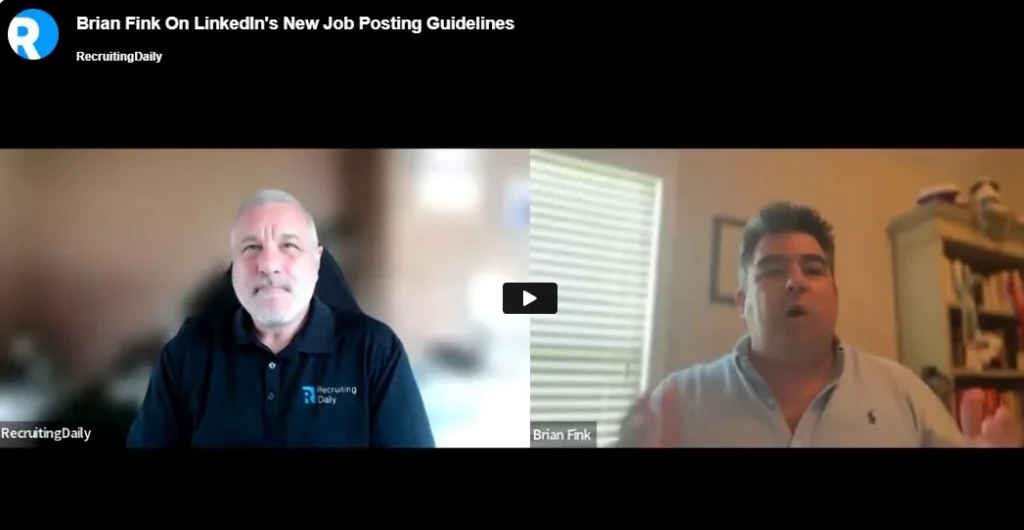
LinkedIn’s recent overhaul of its guidelines for third-party job postings, set to take effect in August 2024, has ignited a fervent debate within the recruitment industry, particularly among the thousands of agencies that rely on the platform. While LinkedIn asserts these changes are designed to bolster "authenticity," transparency, and user protection, many industry observers and recruiting agencies view them as a strategic maneuver to further monetize the platform and consolidate its market dominance. This shift represents a pivotal moment for "Agencyland," prompting a critical re-evaluation of its operational relationship with the professional networking giant.
Background: LinkedIn’s Ascent and Monetization Strategy
Since its inception in 2003, LinkedIn has evolved from a nascent professional networking site into an indispensable behemoth in the global talent acquisition landscape. With over 900 million members worldwide, it serves as a primary hub for professional connections, career development, and, crucially, job seeking and recruitment. Over the years, LinkedIn has steadily diversified its revenue streams beyond premium subscriptions, aggressively expanding its suite of recruiter tools, InMail credits, and sponsored job postings. This strategic expansion has progressively transformed what was once perceived as a "free" or low-cost channel for job distribution into a highly sophisticated and increasingly monetized ecosystem.
Historically, many recruiting agencies and Applicant Tracking Systems (ATSs) have leveraged XML feeds to distribute job postings across various platforms, including LinkedIn, often without direct cost. This model facilitated a broad reach for job advertisements, connecting active applicants with a diverse array of opportunities, particularly those offered by specialized agencies. However, as LinkedIn’s market share grew, so too did its capacity and incentive to exert greater control over the content published on its platform, ostensibly to enhance user experience but also to optimize its own commercial interests.
The New Mandate: Stricter Rules for Third-Party Postings
The core of the new August 2024 requirements revolves around significantly stricter visibility rules for third-party job listings. LinkedIn’s stated objective is to ensure higher transparency and quality across all job advertisements. The platform intends to conduct more rigorous audits to ensure compliance, with non-adherence carrying the severe penalty of job listings being removed.
While the specific conditions that "activated Spidey-sense" in the original commentary were not fully enumerated, the subsequent text strongly implies a focus on genuineness, completeness, and the elimination of duplication. This translates into agencies needing to ensure their listings are:
- Genuine: Real job opportunities from actual employers, not speculative or fabricated posts.
- Complete: Containing all necessary details for job seekers to understand the role, responsibilities, and requirements.
- Not Duplicated: Avoiding multiple identical or near-identical postings for the same role, which can clutter search results and frustrate users.
LinkedIn frames these requirements as essential for maintaining user trust and improving the overall job search experience. A spokesperson for LinkedIn, if one were to comment on such changes, would likely emphasize the platform’s commitment to "protecting our members from fraudulent postings, enhancing the quality of job searches, and ensuring a trustworthy environment for professional connections." Such statements would align with the general industry trend towards combating spam, scams, and low-quality content that can degrade user experience on large platforms.
The Agency Conundrum: Increased Burden and Market Consolidation
For recruiting agencies, these new, tighter rules represent a substantial increase in operational burden and potential costs. What LinkedIn presents as a move towards "authenticity" is perceived by many agencies as a series of additional "hoops" to jump through. Agencies will now need to invest more resources into meticulous verification processes, ensuring every job post is "pristine" – genuine, non-duplicated, and detailed to an unprecedented degree. This increased vigilance necessitates greater internal controls, potentially new technological solutions for compliance, and dedicated personnel to manage the process.
This development poses a significant challenge, particularly for smaller and mid-sized agencies. Unlike larger, well-established recruitment firms that often possess dedicated compliance teams and more substantial budgets, smaller agencies operate with leaner structures. The added administrative and financial overheads associated with rigorous compliance protocols could disproportionately affect their ability to compete. They may struggle to absorb the costs of enhanced verification systems, additional staff training, or potential legal consultations regarding new contractual terms. This creates an uneven playing field, inadvertently favoring larger agencies that can more easily scale their compliance efforts and absorb these regulatory changes.
The potential consequence is a reduction in competition and innovation within the recruitment sector. Smaller agencies, often vital for connecting niche talent with specialized roles and contributing to the dynamism of the job market, might find it increasingly difficult to operate effectively on LinkedIn. This dynamic could lead to a consolidation of power among a few dominant players, undermining the diversity and health of the recruitment ecosystem. For instance, a small boutique agency specializing in a rare tech skill might historically have relied on free or low-cost postings to reach candidates. Now, facing higher compliance costs and the risk of removal, their ability to serve their niche effectively could be severely curtailed, potentially pushing both their clients and candidates towards larger, more generic platforms.
The "One Strike" Policy: High Stakes for Third Parties

A particularly alarming aspect of the new guidelines, highlighted by industry observers, is LinkedIn’s policy regarding contract termination. The company reserves the right to remove partners and immediately terminate Basic Jobs contracts for any third-party job site that fails to adhere to these guidelines after just one warning, or if it generates an "excessive number of member complaints."
This "one strike" policy, or the threat of termination based on an undefined "excessive number" of complaints, creates an incredibly high-stakes environment for agencies. It introduces a significant layer of unpredictability and risk, effectively putting agencies in a constant state of vigilance and fear of arbitrary penalties. A single slip-up, an oversight in a complex compliance process, or even a spate of complaints (which could potentially be vexatious or from disgruntled candidates) could lead to immediate contract termination.
For smaller agencies, this environment is particularly perilous. They operate with fewer redundancies and resources to mitigate such risks. The prospect of losing access to LinkedIn, a platform that often represents a primary channel for talent acquisition, could be catastrophic for their business model. This policy effectively hands immense power to LinkedIn, allowing it to dictate terms with little room for negotiation or recourse for its third-party partners. It also raises questions about due process and the criteria for what constitutes "excessive complaints," leaving agencies vulnerable to subjective interpretation.
A History of Monetization: Precedent and Predictions
The current changes are not an isolated incident but rather fit within a broader historical pattern of LinkedIn’s evolving monetization strategies. A decade ago, significant changes to the InMail policy, which restricted the number of free messages recruiters could send, similarly prompted widespread discussion about LinkedIn’s intent to drive users towards more costly premium subscriptions and recruiter licenses. These past adjustments serve as a strong indication that the platform is continually seeking new avenues to generate revenue.
Industry analysts predict that these new guidelines could be a precursor to corraling more agencies and ATS providers into more costly, comprehensive job-posting packages or premium partnerships. By making the "free" or low-cost avenues of job distribution more difficult and risky, LinkedIn implicitly pushes agencies towards paid solutions where compliance might be integrated, or where a higher level of support and visibility is guaranteed. This move aligns with the broader trend among dominant digital platforms to extract greater value from their ecosystems by tightening control over content distribution and user access.
Broader Market Implications: Competition, Innovation, and User Experience
The implications of LinkedIn’s new guidelines extend beyond the immediate operational challenges for agencies. On the one hand, LinkedIn’s stated goal of improving job quality and reducing spam could genuinely enhance the job seeker’s experience, making searches more efficient and trustworthy. Less duplication and higher quality information could mean job seekers spend less time sifting through irrelevant or misleading posts.
However, this potential benefit comes at a significant cost to market diversity and competition. By stifling smaller agencies and consolidating power among larger players, LinkedIn risks reducing the overall variety of job postings available. Niche roles, specialized industries, and unique opportunities often championed by smaller, agile recruitment firms might become less visible or accessible if these firms are priced out or pushed off the platform. This could lead to a less dynamic job market, where the discovery of specific talents and roles becomes harder, paradoxically hindering the very professional connections LinkedIn aims to foster.
Furthermore, the stringent control over third-party content raises questions about the future of open access and independent innovation within the recruitment technology space. If LinkedIn continues to tighten its grip, it could limit the ability of ATS providers and other recruitment tech companies to integrate seamlessly and offer diverse solutions, potentially pushing them towards developing alternatives or becoming fully dependent on LinkedIn’s ecosystem.
Industry Reactions and Future Outlook
Reactions from the recruitment industry have been mixed but lean towards concern. While some acknowledge the need for higher quality and authenticity on job boards, the methods employed by LinkedIn are seen as heavy-handed and potentially detrimental to a healthy, competitive market. Many agency leaders express a sense of being caught between a rock and a hard place: LinkedIn is too dominant to ignore, yet its policies are becoming increasingly restrictive and costly.
Looking ahead, the industry will be watching closely to see how these guidelines are enforced and what further changes LinkedIn might introduce. Will other platforms emerge to fill the void for agencies seeking more flexible and affordable distribution channels? Will agencies be forced to diversify their posting strategies significantly, reducing their reliance on LinkedIn? The situation also raises broader questions about platform accountability and the balance of power in digital marketplaces, potentially inviting scrutiny from anti-trust bodies if market consolidation becomes too pronounced.
In conclusion, LinkedIn’s August 2024 job posting guidelines represent a significant shift, framed by the platform as a move towards authenticity and quality. While these intentions are laudable, their execution has stirred considerable apprehension within the recruitment community. The increased compliance burden, the disproportionate impact on smaller agencies, and the high-stakes termination policy are perceived by many as aggressive steps to further monetize the platform and solidify its market dominance. The delicate balance between ensuring a clean user experience and fostering a dynamic, competitive job market appears to be at a critical juncture, with the recruitment industry bracing for a future that may be cleaner, but potentially less diverse and more costly.