
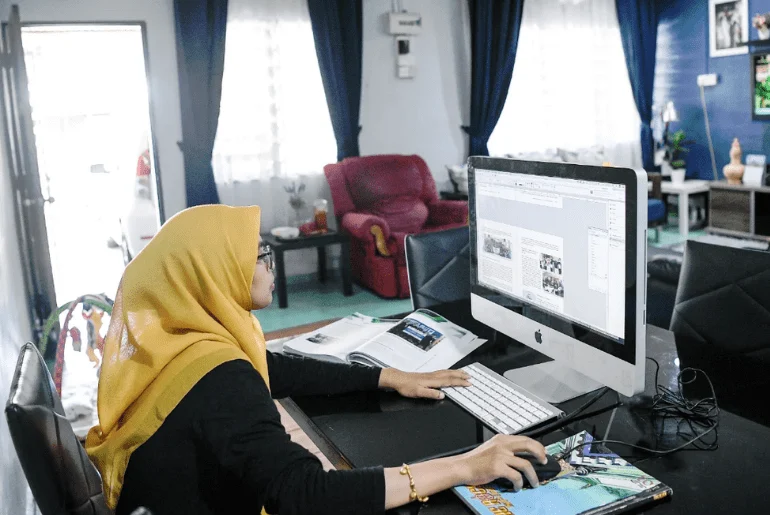
PUTRAJAYA, Malaysia – In a landmark decision set to redefine the landscape of public administration, Malaysia’s government will introduce a permanent hybrid work policy for its vast civil service, effective August 1, 2026. This forward-thinking initiative, approved by the Cabinet on June 26, marks a significant stride in the nation’s ongoing efforts to modernise public sector operations, enhance employee well-being, and foster a more agile, digitally-driven workforce. Under the new framework, eligible civil servants will be granted the flexibility to work remotely for up to two days a week, a move anticipated to bring profound changes to work-life balance, operational efficiency, and talent management within the government machinery.
The Hybrid Working Day (HBH) arrangement, as it is officially termed, is poised to become an enduring feature of public service employment. This policy will allow employees who meet specific eligibility criteria to perform their duties from home or another department-approved location for two days out of a standard five-day work week. For the remaining three days, these civil servants will be required to report to their designated offices, with attendance mandates subject to operational exigencies and the inherent nature of their respective roles. The strategic implementation date of August 2026 provides a substantial lead time, underscoring the government’s commitment to thorough preparation, infrastructure development, and comprehensive guideline formulation to ensure a seamless and effective transition.
A distinctive feature of the Malaysian policy is the specification of mandatory in-office attendance days, tailored to accommodate the differing weekend schedules across the nation’s states. In states where Sunday serves as the designated weekly holiday, civil servants will be required to be physically present in their offices on Mondays and Fridays. Conversely, for employees stationed in Kedah, Kelantan, and Terengganu – states where Friday is observed as the weekly holiday – mandatory office attendance will be on Sundays and Thursdays. This nuanced approach reflects an understanding of local customs and operational realities, aiming to harmonise national policy with regional variations.
Crucially, the Public Service Department (JPA) has issued clear assurances that the introduction of this hybrid model will in no way impede or compromise the uninterrupted delivery of essential public services. Sectors demanding a constant physical presence, such as healthcare, education, security, defence, judicial services, and public-facing counter operations, will continue to operate under their existing work arrangements. This exemption is designed to safeguard the continuity and quality of critical services that directly impact the daily lives of Malaysian citizens, ensuring that the pursuit of flexibility does not come at the expense of public welfare.
The government frames this new policy as an integral component of a broader, more ambitious initiative to cultivate a public service that is not only agile and resilient but also results-driven. This vision is heavily reliant on the strategic adoption of digital technology and the embrace of flexible work practices. To ensure accountability and efficacy, a robust monitoring mechanism is slated for introduction. This system will meticulously track key performance indicators, including productivity levels, service quality benchmarks, and overall compliance with the new HBH framework, thereby facilitating continuous evaluation and refinement of the policy. The HBH framework is intended to supersede any temporary work-from-home measures previously instituted, for instance, during periods of national crisis or specific operational directives, cementing a long-term, structured approach to flexible work. The JPA is expected to release comprehensive implementation guidelines and detailed eligibility criteria well in advance of the August 2026 commencement date, allowing ample time for agencies and civil servants to prepare.
A New Era for Malaysian Public Service: Context and Evolution
The journey towards this permanent hybrid work model is deeply rooted in Malaysia’s recent history and global shifts in employment paradigms. Historically, the Malaysian public sector, much like many counterparts worldwide, operated predominantly on a traditional, in-office model. Physical presence was often equated with productivity and oversight, a norm deeply ingrained in bureaucratic structures.
The advent of the COVID-19 pandemic in early 2020 served as an unprecedented catalyst for change. The Movement Control Order (MCO) and subsequent restrictions necessitated an abrupt pivot to remote work for large segments of the public and private sectors. This period, while challenging, inadvertently demonstrated the feasibility of working outside traditional office settings for many roles. Government agencies rapidly deployed temporary work-from-home (WFH) directives to ensure continuity of operations while prioritising public health. This forced experiment, though imperfect, provided invaluable data and insights into the practicalities, benefits, and challenges of remote work within the Malaysian public service context. It highlighted existing digital infrastructure gaps but also showcased the adaptability of civil servants and the potential for leveraging technology to maintain essential functions.
Beyond crisis response, the shift towards hybrid work aligns perfectly with Malaysia’s broader national digital transformation agenda. The MyDigital Blueprint, launched in February 2021, outlines an ambitious vision for Malaysia to become a digitally-driven, high-income nation and a regional leader in the digital economy. A core pillar of this blueprint is the digital transformation of the public sector, aiming to enhance efficiency, transparency, and service delivery through technology adoption. The Public Sector Digitalisation Strategic Plan 2021-2025 further elaborates on initiatives to build a digital government, including fostering a digital culture and enhancing digital literacy among civil servants. The HBH policy is a logical and necessary step in operationalising these strategic goals, moving beyond mere digitisation of processes to a fundamental reimagining of the work environment itself.
The Rationale Behind the Shift
The government’s decision to institutionalise hybrid work is driven by a multifaceted rationale, reflecting both global best practices and specific national objectives:
-
Modernisation and Agility: The primary objective is to modernise public service operations. By embracing flexible work models, the government aims to cultivate a more agile and responsive bureaucracy, capable of adapting to future challenges and leveraging contemporary work methodologies. This move positions Malaysia’s public sector at the forefront of governmental innovation in the region.
-
Employee Well-being and Talent Attraction/Retention: Enhancing work-life balance for civil servants is a critical component. Reduced daily commutes can significantly alleviate stress, save time and money, and improve overall mental and physical well-being. This, in turn, is expected to boost morale, increase job satisfaction, and potentially reduce absenteeism. In a competitive talent landscape, offering flexible work options is also a powerful tool for attracting new talent, particularly younger generations who value flexibility, and for retaining experienced employees who might otherwise seek opportunities in the private sector or abroad.
-
Efficiency and Productivity: While some may harbour concerns about remote work’s impact on productivity, a growing body of evidence from both the private and public sectors globally suggests that hybrid models can, in fact, enhance productivity when properly managed. Reduced distractions, greater autonomy, and fewer commute-related disruptions can allow employees to focus more effectively on tasks. The monitoring mechanisms stipulated by the JPA underscore the government’s commitment to ensuring that flexibility translates into sustained or improved output.
-
Leveraging Digital Technology: The policy implicitly encourages and necessitates the greater adoption and proficiency in digital tools and platforms across the public sector. From secure virtual communication channels to cloud-based document management systems, the success of hybrid work hinges on a robust digital ecosystem. This push will accelerate the digital literacy of civil servants and drive further investment in secure and reliable government IT infrastructure.
-
Cost Efficiency (Long-term): While not explicitly stated as a primary driver, hybrid work models can lead to long-term cost efficiencies for the government. A reduction in the number of employees physically present in offices daily could, over time, allow for optimisation of office space, reduction in utility consumption, and lower maintenance costs for government buildings.
Global and Regional Hybrid Work Trends: Supporting Data
Malaysia’s move is not an isolated phenomenon but rather reflects a global trend. The COVID-19 pandemic accelerated the adoption of hybrid work models across public and private sectors worldwide. Surveys conducted by major consulting firms like McKinsey, Gartner, and Deloitte consistently show that a significant percentage of organisations globally are adopting or planning to adopt hybrid models. For instance, a Gartner survey found that 82% of company leaders plan to allow employees to work remotely at least part of the time.
In the public sector, similar shifts are underway. Countries like Canada, Australia, the UK, and several European nations have implemented or are piloting flexible work arrangements for their civil servants, recognising the benefits in terms of employee satisfaction and operational resilience. Data from these experiences often indicates:
- Increased Employee Satisfaction: Studies frequently report higher job satisfaction among employees with flexible work options, leading to better retention rates.
- Productivity Gains: While varied, many organisations report stable or even improved productivity, particularly for tasks requiring deep concentration.
- Reduced Commute Times: This not only benefits employees but also contributes to reduced traffic congestion and lower carbon emissions.
- Wider Talent Pool: Organisations can recruit talent from a broader geographical area, no longer restricted by proximity to physical offices.
However, global experiences also highlight critical success factors, including clear communication, investment in technology, robust performance management systems, and a strong emphasis on maintaining organisational culture and team cohesion.
Anticipated Implications and Opportunities
The HBH policy is poised to generate a cascade of implications and opportunities across various dimensions:
For Civil Servants:
- Enhanced Work-Life Balance: This is perhaps the most direct and celebrated benefit, offering greater flexibility to manage personal and professional commitments, potentially leading to reduced stress and burnout.
- Reduced Commute Burden: For the estimated 1.6 million civil servants in Malaysia, particularly those in urban centres, cutting down on daily commutes will translate into significant savings in time, fuel costs, and emotional energy.
- Geographical Flexibility: While not fully remote, the policy opens up possibilities for civil servants to potentially reside further from major urban centers, impacting regional development.
- Skill Development: The necessity of operating effectively in a hybrid environment will drive up digital literacy and proficiency in collaboration tools among civil servants.
For Government Agencies and Operations:
- Improved Talent Management: The policy can serve as a powerful differentiator in attracting and retaining top talent, especially critical for specialised roles where the private sector often offers more competitive packages.
- Operational Efficiency and Resilience: A hybrid model can enhance the government’s ability to maintain operations during unforeseen disruptions (e.g., natural disasters, health crises), building greater resilience into the public service framework.
- Potential for Cost Optimisation: In the long run, agencies might re-evaluate their physical office space requirements, potentially leading to consolidation or redesign of workspaces, yielding cost savings.
- Data-Driven Management: The mandated monitoring mechanism will necessitate robust data collection and analysis, fostering a more data-driven approach to human resource and operational management.
Broader Societal Impact:
- Reduced Traffic Congestion: With fewer cars on the road during peak hours, particularly in major cities like Kuala Lumpur, Putrajaya, and Johor Bahru, there could be a noticeable reduction in traffic congestion and related pollution.
- Environmental Benefits: Lower energy consumption in large office buildings and reduced vehicular emissions contribute positively to environmental sustainability goals.
- Local Economic Shifts: While central business districts might see a marginal decrease in weekday foot traffic, residential areas could experience an uptick in local commerce as civil servants spend more time and money in their neighbourhoods.
Potential Challenges and Mitigation Strategies
Implementing a policy of this magnitude is not without its challenges. The long lead time until August 2026 indicates the government’s awareness of these hurdles and its intention to address them systematically:
-
Digital Infrastructure and Equity: Ensuring all civil servants have reliable internet connectivity, adequate home office setups, and access to necessary digital tools will be crucial. Disparities in internet access, particularly in rural areas, could create an unequal playing field. The government will need to invest further in national digital infrastructure and potentially provide support for home office requirements.
-
Cybersecurity and Data Protection: Remote work introduces new cybersecurity vulnerabilities. Ensuring the security of government data when accessed from various locations will require robust security protocols, regular training, and investment in advanced cybersecurity solutions.
-
Performance Management and Monitoring: Developing fair and effective performance metrics for a hybrid environment is paramount. The JPA’s commitment to a monitoring mechanism is a step in the right direction, but its design must be objective, transparent, and focus on outcomes rather than just hours worked.
-
Maintaining Team Cohesion and Organisational Culture: Hybrid teams face challenges in fostering a sense of belonging, facilitating spontaneous collaboration, and ensuring equitable career development opportunities. Leaders will need training in managing hybrid teams, and agencies must implement strategies to maintain strong team bonds and a cohesive organisational culture. This could involve regular in-person team-building events, dedicated "anchor days" for collaboration, and effective virtual communication strategies.
-
Leadership Buy-in and Training: The success of the HBH policy will largely depend on the willingness and ability of departmental heads and managers to adapt. Comprehensive training programs for leaders on hybrid team management, communication, and performance evaluation will be essential to prevent resistance or ineffective implementation.
Stakeholder Perspectives and Reactions
While official statements from civil service unions or direct quotes from individual civil servants are yet to emerge given the early stage of the announcement, logical inferences can be drawn:
- Government Officials (e.g., Chief Secretary to the Government, Minister in charge of Public Services): Expected to frame the policy positively, highlighting it as a progressive step towards a modern, efficient, and employee-centric public service that aligns with Malaysia’s digital aspirations and enhances national competitiveness.
- Public Service Department (JPA): Will likely emphasise the meticulous planning involved, the commitment to ensuring service continuity, and the phased approach to implementation. Their focus will be on developing robust guidelines and providing necessary support to agencies.
- Civil Servants: A general sentiment of cautious optimism is anticipated. Many will welcome the enhanced flexibility and improved work-life balance, particularly those with long commutes or family responsibilities. However, concerns may arise regarding the clarity of eligibility criteria, potential for increased workload, digital infrastructure support, and the fairness of performance evaluations in a hybrid setting.
- Experts and Analysts (Public Administration, HR, Digital Transformation): Likely to commend Malaysia’s bold move, viewing it as a necessary evolution for a modern public sector. They would, however, stress the importance of robust implementation, continuous evaluation, and addressing potential challenges proactively to ensure its long-term success. They might also suggest that the 2026 implementation date provides an excellent window for pilot programs and feedback mechanisms.
Conclusion
Malaysia’s decision to implement a permanent hybrid work policy for its public sector by 2026 represents a pivotal moment in the nation’s administrative evolution. It is a testament to the government’s commitment to leveraging the lessons learned from recent global shifts, embracing digital transformation, and fostering a public service that is not only efficient and resilient but also prioritises the well-being of its workforce. While the transition will undoubtedly present challenges, the extended lead time provides a crucial window for comprehensive planning, infrastructure development, and stakeholder engagement. If executed effectively, the Hybrid Working Day arrangement has the potential to fundamentally reshape the future of work in Malaysia’s public sector, creating a more dynamic, responsive, and employee-friendly environment, ultimately benefiting both civil servants and the citizens they serve.







