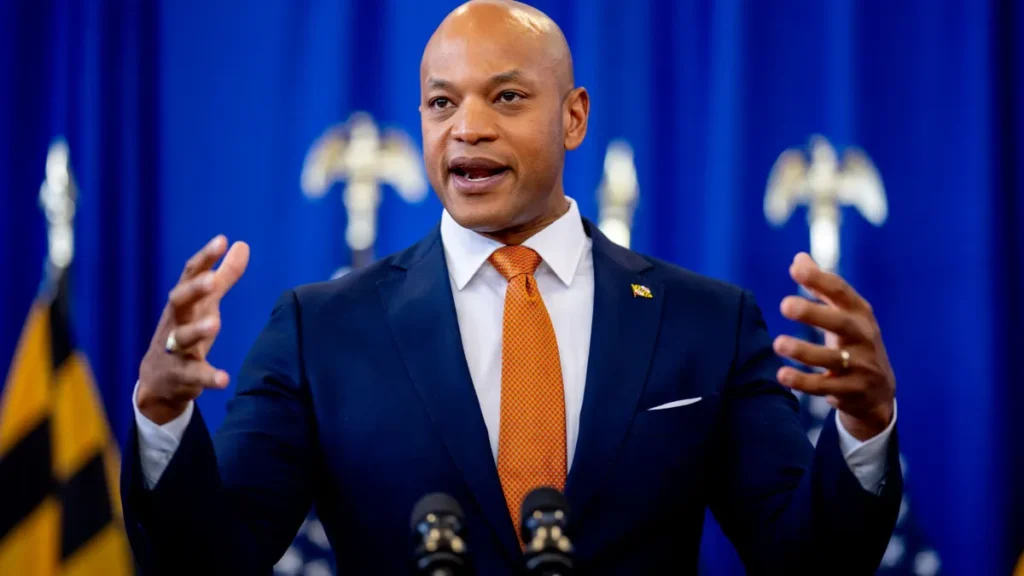
As artificial intelligence rapidly transforms industries and daily life, the State of Maryland has stepped forward with a comprehensive framework for AI regulation, initiated by Governor Wes Moore. This proactive move positions Maryland at the forefront of state-level efforts to govern emerging technologies, contrasting sharply with a perceived lack of coordinated federal action and mounting global warnings about AI’s potential societal and economic disruptions. The Governor’s plan, announced on September 22, 2026, signals a commitment to establishing "guardrails" that prioritize citizen rights, worker protections, and child safety, even as the federal government grapples with its own approach.
Maryland’s new framework is designed to be deliberative and inclusive, beginning with the formation of dedicated committees and the gathering of diverse stakeholders. This foundational step aims to ensure that regulatory measures are well-informed, comprehensive, and adaptable to the fast-evolving AI landscape. While the state is embarking on this broad initiative, it is important to note that Maryland is not starting from a blank slate; it already possesses legislation regulating the use of facial recognition software during job interviews, a pioneering measure implemented to address specific concerns about algorithmic bias and privacy in hiring practices. Governor Moore underscored the urgency of these actions, stating, "With the speed with which AI is moving, Marylanders deserve guardrails that safeguard their rights, privacy, and dignity. This technology is already here, and we believe Maryland is the best state in the country to benefit from the promise of AI responsibly – but we can’t afford to wait while Washington sits on their hands. These core principles will guide our every action to protect our people, center our workers, and keep our kids safe." This statement encapsulates the state’s resolve to act decisively in the absence of a clear, unified federal strategy.
The urgency surrounding AI regulation has escalated dramatically over the past few years, propelled by the exponential growth and widespread adoption of generative AI technologies like large language models. These advancements, while promising immense benefits across sectors from healthcare to education, have also sparked a wave of "unified warnings" from leading AI scientists, ethicists, and even executives at frontier AI companies. These experts have cautioned that without robust and timely regulation, the technology could lead to devastating consequences, ranging from widespread job displacement and algorithmic discrimination to the erosion of privacy and even more profound societal destabilization. A recent survey by the Pew Research Center revealed that over 60% of Americans express concern about AI’s impact on jobs, while a significant portion also worries about its potential for surveillance and bias. These public anxieties underscore the imperative for governmental bodies to establish clear guidelines and oversight mechanisms.
Federal Ambivalence and State-Led Innovation
The national discourse on AI regulation has been marked by a notable divergence between federal rhetoric and concrete legislative action. Initially, President Trump had expressed skepticism regarding the need for stringent AI oversight, reportedly downplaying concerns about the technology’s unchecked development and emphasizing the importance of maintaining a competitive edge against nations like China. His public statements, at times dismissing AI safety concerns as a "hoax," reflected a cautious approach to regulation that prioritized innovation over immediate governance. However, amid increasing pressure from Capitol Hill lawmakers and the tech community, the President eventually announced plans for an AI task force, to be headed by a newly appointed "AI Czar." This federal initiative, while a step towards formalizing national strategy, has reportedly been hampered by a lack of coordination with Congress, raising questions about its effectiveness and political consensus. This federal hesitancy has created a vacuum, which states have increasingly stepped in to fill, demonstrating a willingness to experiment with diverse regulatory approaches.
Pioneering Regulatory Models: The California Example
Among the states leading the charge, California stands out as a significant innovator in AI governance, particularly concerning its application in the workplace. The Golden State has a history of pioneering legislation in areas like consumer privacy and labor rights, and it is now extending this leadership to AI. In late August 2026, California passed a landmark bill that would explicitly prohibit employers from using AI tools to surveil an employee’s individual emotional state or collect "neural data." This legislation directly addresses growing concerns about intrusive monitoring technologies that could infringe upon workers’ privacy and autonomy, reflecting a proactive stance against "digital Taylorism" where AI systems might be used to micro-manage or even dictate emotional responses.
Concurrently, California also advanced the "No Robo Bosses Act." This crucial piece of legislation aims to prevent employers from relying solely on AI when making critical employment decisions such as firing or disciplining workers. The bill champions the principle of human oversight, ensuring that complex, nuanced decisions affecting an individual’s livelihood are not left entirely to algorithmic determination. While a version of this bill faced a gubernatorial veto last year, with Governor Newsom citing "overly broad restrictions" that could impede legitimate technological adoption, the reintroduction and passage of a refined version highlight the persistent legislative drive to balance innovation with worker protection. Governor Newsom currently has until September 30 to sign or veto both the emotional surveillance bill and the "No Robo Bosses Act," and his decision will set a significant precedent for workplace AI regulation across the nation. The ongoing legislative dialogue in California exemplifies the iterative process of crafting effective technology policy, where initial attempts are refined in response to stakeholder feedback and practical considerations.
Broader State-Level Initiatives and Trends
Beyond Maryland and California, a growing number of states are actively exploring or implementing their own AI-related legislation, creating a dynamic and, at times, fragmented regulatory landscape. States like Illinois have passed the Artificial Intelligence Video Interview Act, requiring consent and transparency when AI is used to analyze job applicant video interviews. New York City has implemented Local Law 144, which regulates the use of automated employment decision tools (AEDTs) by requiring bias audits and public reporting. Colorado is considering legislation to address algorithmic discrimination in insurance and other consumer services, reflecting a broader concern about AI’s impact on equitable access to essential services.
These diverse state initiatives often focus on several key areas:
- Algorithmic Bias: Many laws aim to prevent AI systems from perpetuating or amplifying existing societal biases in critical areas like hiring, lending, and criminal justice.
- Worker Surveillance and Privacy: Legislation like California’s emotional surveillance bill targets technologies that monitor employees in ways deemed intrusive or that undermine personal autonomy.
- Transparency and Explainability: Some proposals mandate that companies disclose when AI is being used and provide explanations for AI-driven decisions.
- Human Oversight: The "No Robo Bosses Act" is a prime example of ensuring that human judgment remains paramount in sensitive decision-making processes, preventing full automation of accountability.
- Data Security: AI systems, by their nature, often process vast amounts of data, making robust data security provisions a critical component of many regulatory frameworks.
This patchwork of state laws reflects a shared recognition of AI’s transformative power and its inherent risks, but also the varied priorities and legislative approaches across different jurisdictions.
The Economic and Societal Landscape of AI

The rapid integration of AI into the economy presents both unprecedented opportunities and significant challenges. Economically, AI is projected to dramatically reshape labor markets. Studies by institutions such as the McKinsey Global Institute forecast that AI could automate a substantial portion of current work tasks, potentially displacing millions of jobs in sectors ranging from manufacturing and customer service to administrative roles. However, these same reports also suggest that AI will create new job categories and enhance productivity, leading to overall economic growth. The critical question for policymakers is how to manage this transition, ensuring adequate workforce retraining, establishing robust social safety nets, and fostering an environment where the benefits of AI are widely shared, rather than concentrated among a few.
Societally, concerns about algorithmic bias and equity are paramount. AI systems, trained on historical data, can inadvertently inherit and amplify existing human biases, leading to discriminatory outcomes. For instance, AI-powered hiring tools have been shown in some instances to disadvantage women or minority candidates if the training data reflects past hiring patterns that were themselves biased. Research by the National Bureau of Economic Research and organizations like the AI Now Institute have extensively documented how unchecked algorithmic bias can lead to disparate impacts in areas from credit scoring and housing applications to healthcare diagnoses and even criminal sentencing. The potential for AI to deepen societal inequalities, if not meticulously governed, is a profound concern that underpins much of the current regulatory push.
Furthermore, the privacy implications of AI are vast. The technology’s ability to collect, process, and analyze enormous datasets raises serious questions about individual privacy and data security. From pervasive facial recognition systems to predictive analytics that infer personal behaviors and preferences, AI tools have the potential for unprecedented surveillance. Safeguarding personal data, ensuring informed consent, and establishing clear boundaries for data collection and usage are therefore central to building public trust in AI and preventing its misuse.
Challenges of a Fragmented Regulatory Environment
While state-level initiatives demonstrate a commendable commitment to AI governance, they also introduce a unique set of challenges. A fragmented regulatory environment, where each state develops its own distinct set of rules, can create a complex "patchwork" of laws that businesses, particularly those operating nationally, find difficult and costly to navigate. Compliance with varying regulations across 50 states can stifle innovation by increasing legal burdens, diverting resources from research and development, and creating uncertainty for companies seeking to deploy AI solutions. Small and medium-sized enterprises, in particular, may struggle to keep abreast of and comply with disparate state-specific requirements, potentially creating barriers to entry and limiting competition.
Moreover, the "innovation vs. regulation" dilemma is particularly acute in the AI space. Overly broad or restrictive regulations, as Governor Newsom noted in his previous veto, could inadvertently hinder technological advancement, driving AI development offshore or slowing down the adoption of beneficial AI applications. The challenge lies in crafting regulations that are precise enough to address specific risks without stifling the very innovation they aim to govern. Striking this delicate balance requires deep technical understanding, foresight, and continuous dialogue between policymakers, industry experts, and civil society.
Enforcement also poses a significant hurdle. States must allocate sufficient resources and develop specialized expertise to effectively monitor, audit, and enforce complex AI regulations. The technical nature of AI systems means that oversight bodies require personnel with advanced skills in data science, machine learning, and ethics, which can be a substantial investment for state governments.

Industry and Advocacy Reactions
The emerging state-level regulatory landscape has elicited varied reactions from key stakeholders. The technology industry, while generally acknowledging the need for some form of regulation to build public trust and ensure responsible development, often expresses a preference for a unified federal approach. This would provide clarity, reduce compliance costs, and foster a more predictable environment for innovation. Industry leaders frequently advocate for "light-touch" regulation that is flexible and adaptive, emphasizing the importance of international harmonization to avoid creating competitive disadvantages.
Labor unions and worker advocacy groups, conversely, are strong proponents of robust regulations, particularly those that protect workers from algorithmic discrimination, intrusive surveillance, and job displacement without adequate reskilling initiatives. They often champion the principles of human oversight, transparency, and the right to appeal AI-driven decisions, echoing the spirit of California’s "No Robo Bosses Act."
Civil rights organizations and privacy advocates are also critical voices in this debate, pushing for stringent anti-discrimination measures, strong data privacy safeguards, and greater accountability for AI systems. They highlight the potential for AI to exacerbate existing societal inequalities and call for regulations that embed ethical principles and ensure equitable outcomes for all citizens.
The Path Forward: A Call for Cohesion
Maryland’s proactive framework, alongside California’s pioneering legislation and other state initiatives, underscores a growing recognition that effective AI governance cannot wait for a singular federal solution. The rapid deployment of AI technologies into virtually every aspect of life necessitates immediate action to protect citizens and ensure responsible development. However, the fragmented nature of state-by-state regulation also highlights the urgent need for greater cohesion and coordination at the national level.
The path forward likely involves a multi-pronged approach: continued state-level experimentation to develop best practices, enhanced collaboration between states to share insights and potentially harmonize certain regulations, and a renewed, concerted effort at the federal level to establish overarching principles and guidelines. A national AI strategy, ideally developed through bipartisan consensus and broad stakeholder engagement, could provide the clarity and consistency necessary for businesses to innovate responsibly, while simultaneously safeguarding the rights and well-being of all Americans. Ultimately, the successful integration of AI into society hinges on our collective ability to harness its transformative power while meticulously mitigating its profound risks, ensuring that technology serves humanity, rather than the other way around.