
Mark Zuckerberg, the chief executive of Meta Platforms, has directly addressed the company’s planned workforce reductions, attributing them to a significant increase in capital expenditure for artificial intelligence (AI) initiatives. In a company-wide town hall meeting on Thursday, Zuckerberg did not rule out the possibility of further job cuts, a move that has coincided with internal employee discontent over recent organizational shifts and employee monitoring practices.
The Meta chief executive outlined the company’s financial priorities, stating, "We basically have two major cost centers in the company: compute infrastructure and people-oriented things." He elaborated that an increased investment in one area necessitates a reduction in another. "If we’re investing more in one area to serve our community, then that means we have less capital to allocate to the other. So that means we do need to take down the size of the company somewhat," Zuckerberg explained during the session, which was overheard by Reuters.
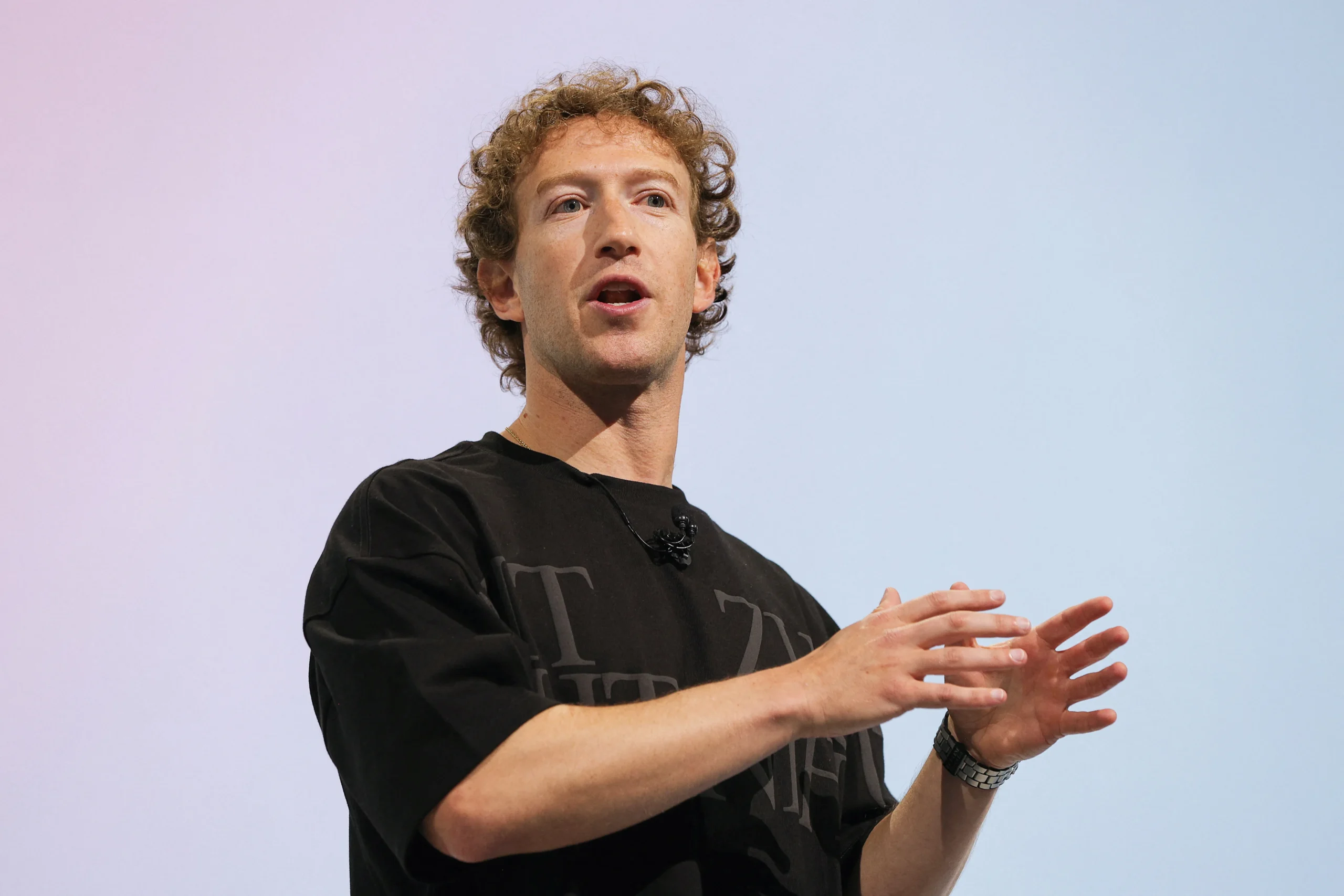
This explanation comes as Meta prepares for a significant round of layoffs, with approximately 10% of its workforce slated for termination on May 20. Furthermore, the company has indicated that additional cuts are being planned for the latter half of the year. These workforce reductions, however, Zuckerberg emphasized, are distinct from the company’s strategic reorganization around an "AI-native" structure and its ambitious efforts to develop AI agents capable of autonomously performing work tasks.
The company’s approach has generated considerable backlash among Meta employees. The silence surrounding the layoffs, juxtaposed with announcements about the company’s AI-centric "transformation" and a new initiative to track employee mouse movements, clicks, and keystrokes for AI agent training, has fueled outrage. Employees have reportedly voiced their criticisms of Zuckerberg and other company leaders on Meta’s internal messaging forums, according to copies of these comments reviewed by Reuters.
"Getting everyone internally to use AI tools and getting to do the work more efficiently is not the thing that’s driving layoffs," Zuckerberg stated to employees during the town hall. Despite this assertion, he acknowledged the evolving landscape, remarking, "we’ll see how all this stuff trends" and promising that the company would "be able to share more soon." This town hall marked Zuckerberg’s first direct engagement with employees on the subject of the layoffs since the initial reports surfaced in March.

A Strategic Pivot Towards Artificial Intelligence
Meta’s aggressive push into AI is not a new development, but the scale of investment and its direct impact on workforce planning represent a significant strategic pivot. The company has been a prominent player in AI research for years, with its FAIR (Fundamental AI Research) and Meta AI divisions contributing significantly to the field. However, the recent acceleration in AI development, driven by breakthroughs in large language models and generative AI, has prompted a recalibrating of Meta’s long-term strategy and resource allocation.
The company’s significant investments in AI are aimed at enhancing its existing products and services, such as its social media platforms and metaverse ambitions, while also exploring new avenues for AI-powered applications. This includes the development of advanced AI assistants that can interact with users, automate tasks, and potentially create new forms of content. The infrastructure required for these advanced AI models, particularly the specialized computing power and data processing capabilities, represents a substantial capital outlay. This has led to a direct trade-off with other operational expenses, including personnel costs.
Internal Tensions and Employee Concerns
The confluence of layoffs, AI-focused restructuring, and employee monitoring has created a palpable sense of unease within Meta. The initiative to track employee digital activity, while framed as a necessary step for AI training, has raised privacy concerns and fueled suspicions that it is a precursor to further automation and potential job displacement. This has led to a public airing of grievances on internal platforms, a rare occurrence in corporate environments, highlighting the depth of employee anxiety.

The criticism from employees suggests a disconnect between leadership’s messaging and the ground-level perception of the company’s direction. While leadership emphasizes the strategic necessity of AI investment, employees are experiencing the immediate consequences in the form of job insecurity and increased scrutiny. The lack of clarity regarding future workforce plans further exacerbates this uncertainty.
Historical Context of Meta’s Workforce Adjustments
Meta’s current layoff cycle is part of a broader trend across the technology sector. Following a period of rapid growth and hiring during the pandemic, many tech giants have undertaken significant workforce reductions. This recalibration is often attributed to a combination of factors, including the slowing of digital advertising growth, increased competition, and a reassessment of post-pandemic operational strategies.
In November 2022, Meta announced its largest-ever layoff, cutting approximately 11,000 jobs, or about 13% of its workforce. This was largely attributed to a slowdown in revenue growth and increased costs associated with Zuckerberg’s ambitious bet on the metaverse. The current round of layoffs, while smaller in percentage terms, signifies a continuation of this cost-cutting and strategic realignment.
The AI Imperative: A Competitive Landscape
The global race to dominate the AI landscape is intense, with major technology companies pouring billions into research, development, and infrastructure. Companies like Google, Microsoft, Amazon, and numerous startups are all vying for leadership in this transformative field. For Meta, AI is not just an opportunity for innovation but a critical imperative to remain competitive and relevant in the evolving digital economy.
The development of sophisticated AI agents that can automate tasks traditionally performed by humans has profound implications for the future of work. While this promises increased efficiency and productivity, it also raises questions about job displacement and the need for reskilling and upskilling the workforce. Meta’s internal initiatives, from AI agent development to employee monitoring for AI training, reflect its commitment to being at the forefront of this technological revolution.
Financial Implications and Future Outlook
The substantial capital expenditure on AI compute infrastructure involves significant investments in specialized hardware, such as advanced GPUs (Graphics Processing Units), and the construction or expansion of data centers. These are long-term, capital-intensive projects. For instance, industry analysts estimate that the global market for AI chips alone is projected to grow substantially in the coming years, reflecting the massive demand. Meta’s reported spending is consistent with these industry trends.

The financial implications of these investments are multifaceted. While they are expected to drive future growth and innovation, they also place immediate pressure on profitability. The balancing act between long-term strategic investment and short-term financial performance is a common challenge for companies undergoing significant technological transformations.
Zuckerberg’s candid admission that he lacks a "crystal ball plan" for the next three years underscores the inherent uncertainty and rapid pace of change in the AI domain. This unpredictability necessitates a flexible and adaptive approach to workforce planning and resource allocation. The company’s commitment to AI suggests that such strategic adjustments and potential workforce fluctuations may continue to be a feature of Meta’s operational landscape for the foreseeable future.
The broader implications of Meta’s strategy extend beyond its internal operations. As a dominant force in social media and a key player in the development of the metaverse, Meta’s investments in AI have the potential to shape how billions of people interact with technology and each other. The ethical considerations surrounding AI development, data privacy, and the future of work will continue to be critical areas of focus for the company and its stakeholders. The current internal discourse at Meta serves as a microcosm of the broader societal discussions taking place about the transformative power of artificial intelligence and its impact on the global workforce.