The landscape of enterprise Artificial Intelligence (AI) is undergoing a profound transformation, moving beyond traditional software systems to dynamic, learning entities. A key development highlighted by recent announcements from Microsoft is the emergence of AI Agents and Superagents that don’t just execute tasks but actively learn, adapt, and essentially "become" an organization’s unique operational DNA. This paradigm shift, exemplified by Microsoft’s advancements in MS Copilot and the introduction of new proprietary AI models, promises to unlock unprecedented levels of customization and efficiency for businesses.
The Evolution of Enterprise AI: From Systems to Sentient Partners
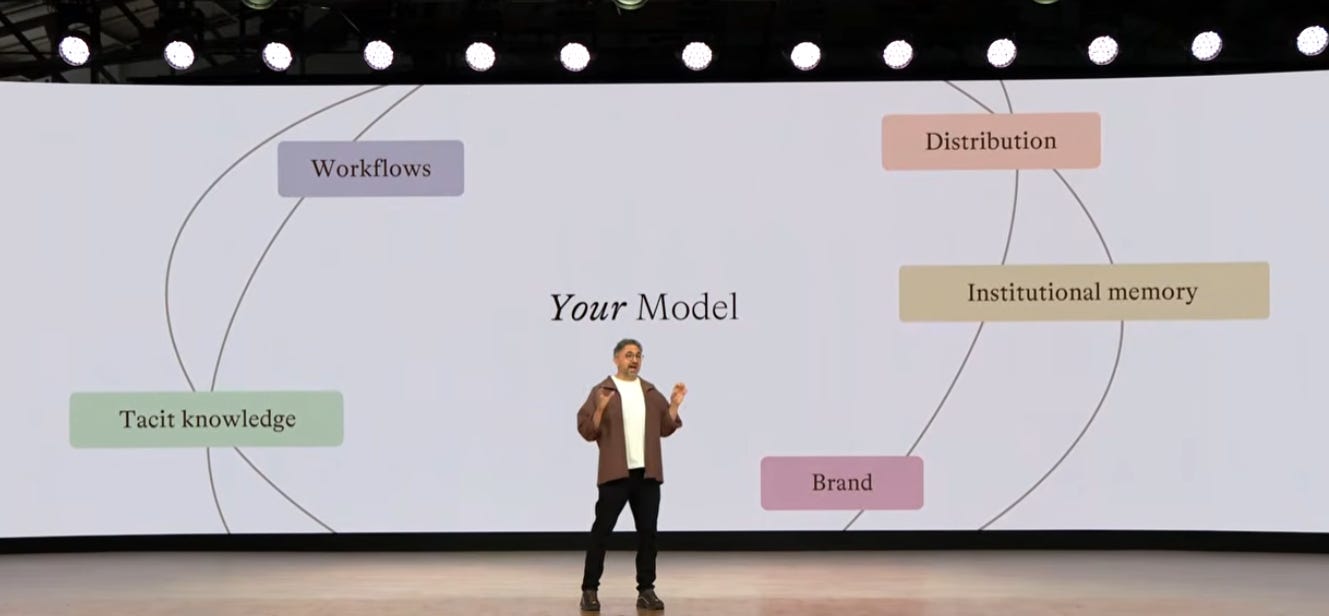
The core of this disruption lies in the fundamental nature of AI Agents. Unlike static applications or pre-defined systems, these agents are designed to evolve over time, absorbing an organization’s specific nuances, tacit knowledge, and operational history. This includes everything from intricate policies and established cultural behaviors to risk management protocols and the subtle "way we do business" that forms a company’s competitive advantage.
A significant demonstration of this capability was the integration of Galileo intelligence into Microsoft Copilot. This process involved the AI system ingesting and retraining itself on a company’s intellectual property. The results, as observed by the Microsoft HR team during testing, were reportedly more insightful, detailed, and trustworthy, largely due to the AI’s ability to cite its knowledgeable sources. This effectively transformed MS Copilot into a highly sophisticated HR business partner and consultant, capable of understanding and acting upon the unique complexities of the organization.
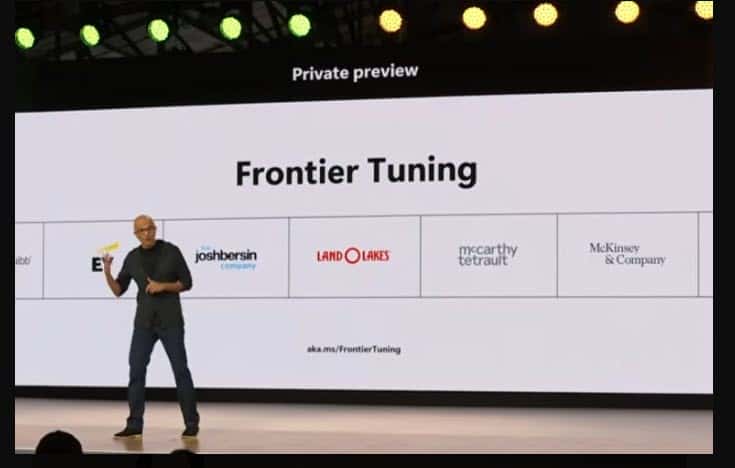
Microsoft is now making this advanced customization accessible to its users through a process called "Frontier Tuning." This allows IT and HR departments to embed their specific organizational data, including policies, hiring guides, pay practices, and onboarding materials, directly into their Copilot instances. This institutionalization ensures that the AI operates with a deep understanding of the company’s established frameworks and practices.
Frontier Tuning: Empowering Organizations with Self-Improving AI
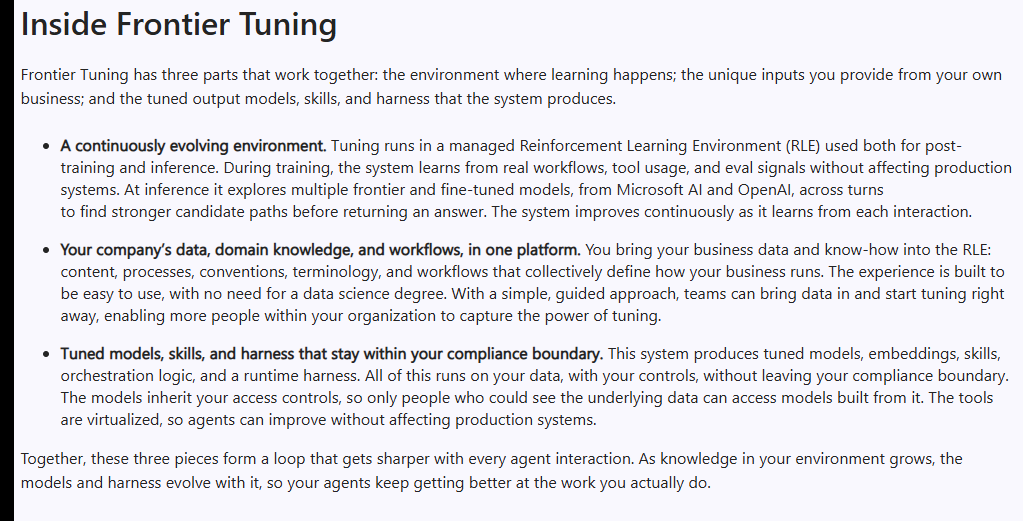
A critical distinction of Microsoft’s Frontier Tuning approach, as highlighted by industry analysts, is its ability to go beyond simple data retrieval, often seen in Retrieval-Augmented Generation (RAG) implementations. Frontier Tuning enables the AI system to learn on its own through what Microsoft terms a "Reinforcement Learning Environment." This mechanism allows the AI agent to update itself based on real-world feedback from users, mirroring the continuous learning process of human professionals.
This autonomous learning capability was showcased at Microsoft Build 2026 in San Francisco. During the event, demonstrations illustrated how organizations can embed not only pre-existing intelligence platforms like Galileo but also their proprietary internal processes into Copilot. This capability was further emphasized by Satya Nadella, Microsoft’s CEO, in his keynote address, where he underscored the value of creating unique, company-specific AI models rather than relying on generic, widely shared versions.
The concept of a "harness," a term popularized in recent AI discussions, plays a crucial role here. MS Copilot’s harness acts as a flexible platform capable of hosting various AI models, including those from OpenAI, Anthropic, Microsoft’s own developing models, and crucially, these fine-tuned, proprietary models. This architecture suggests a future where different departments, such as R&D, can leverage their own specialized, fine-tuned models trained on confidential internal data, ensuring both innovation and data security.
Autonomous Reinforcement Learning: The Next Frontier in AI Adaptation
The underlying technology enabling this self-improvement is autonomous reinforcement learning. This process allows AI agents to refine their performance based on the utility of their actions, much like how humans learn from experience. Microsoft’s "Agent Lightning" project provides a deeper dive into this technology, outlining how users or administrators can activate this learning agent to continuously enhance the model’s effectiveness.
An illustrative example of reinforcement learning in action was presented concerning an internal Microsoft agent for crisis management. While this agent proved effective in many scenarios, global events like the war in Ukraine and subsequent conflicts introduced new complexities, such as employees facing connectivity issues or requiring relocation assistance. By employing reinforcement learning, the crisis management agent could autonomously update itself with new policies and protocols necessary to address these evolving challenges. This dynamic adaptation ensures the AI remains relevant and effective in an unpredictable world.
While other methods exist for training MS Copilot, such as the Microsoft Graph Connector, which allows the AI to access and utilize data from SharePoint, PowerPoint, Word, Outlook, and Work IQ, these are often less integrated and do not benefit from the continuous learning offered by reinforcement learning.
Microsoft’s Strategic Leap: Developing Proprietary AI Models
In parallel with the advancements in customization, Microsoft has made a significant strategic move by announcing the development and release of seven new, proprietary AI models. This initiative, spearheaded by Mustafa Suleyman, signals a departure from a sole reliance on third-party AI providers and positions Microsoft to offer a more integrated and cost-effective AI ecosystem.
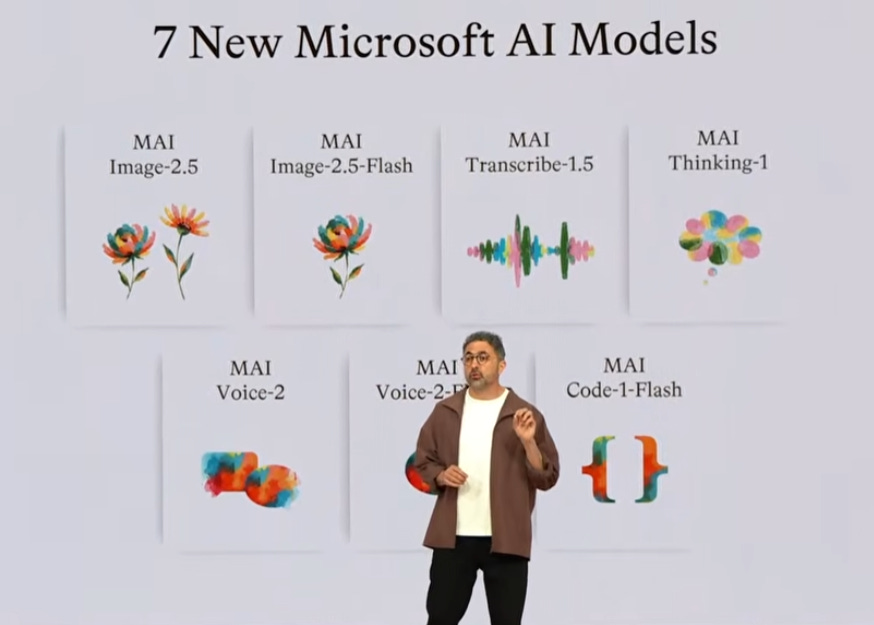
Historically, Microsoft’s partnership with OpenAI limited its ability to develop cutting-edge proprietary models. However, with the evolution of their strategy, they are now actively building alternatives to models like Anthropic’s Claude and OpenAI’s GPT series. These new models are optimized for specific business use cases, offering a clean, licensed foundation that avoids the potential IP concerns associated with models trained on broad internet data.
This strategic shift is also driven by economics. As Suleyman noted, the significant costs associated with licensing models from third parties like Anthropic are being addressed, with the ultimate goal of reducing and potentially eliminating these expenses. This allows Microsoft to offer Copilot as a more cost-efficient and versatile platform.
The "Frontier Model" for Specialized Industries
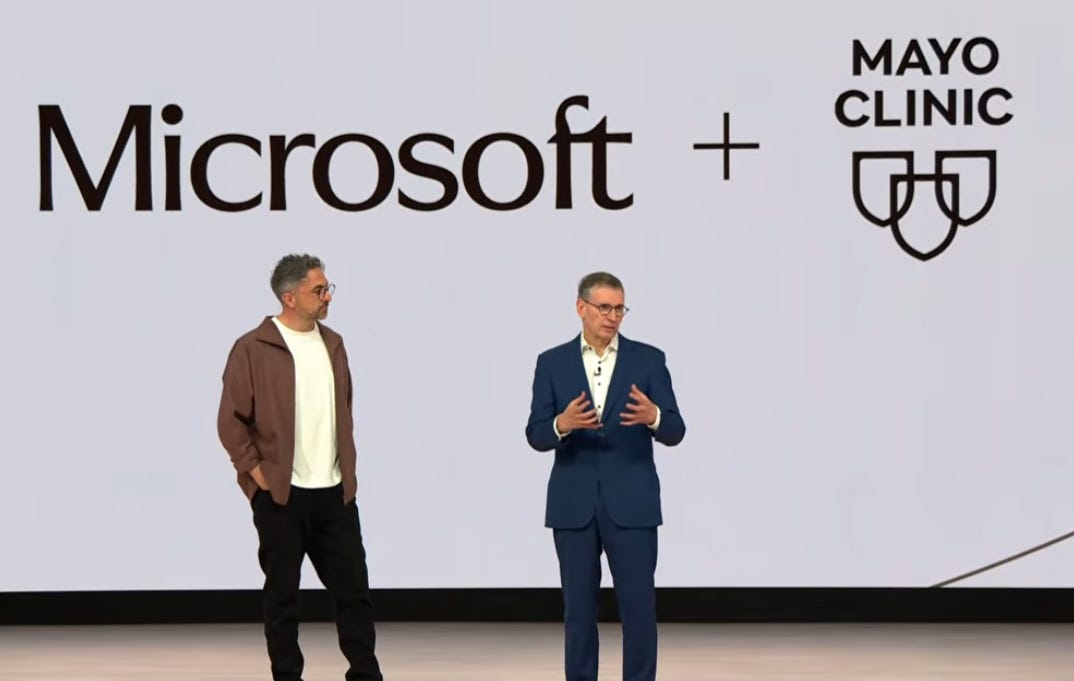
A key aspect of these new proprietary models is their focus on specialized applications. For instance, Microsoft is collaborating with the Mayo Clinic to develop a "New Frontier Model for Healthcare." This model is designed to be utilized by clinicians and doctors, offering deep insights into effective clinical practices. The underlying principle is similar to the HR domain: observing, documenting, and applying best practices.
Another compelling case study involves Land-O-Lakes. The agricultural company utilized Frontier Tuning to customize Microsoft’s MAI-Thinking-1 reasoning model. By feeding the model thousands of internal documents, as well as communications from Teams and Outlook, Land-O-Lakes created a specialized version. According to Microsoft senior product manager Tanaya Yadav, this customized MAI-Thinking-1 model proved to be more accurate and ten times more cost-efficient than OpenAI’s GPT-4.5. This highlights the tangible benefits of tailoring AI to specific business processes.
The implications of these advancements are far-reaching. For businesses operating within the Microsoft ecosystem, the ability to fine-tune Copilot with proprietary data and leverage Microsoft’s own efficient AI models presents a compelling proposition. It offers a pathway to enhanced productivity, deeper operational insights, and a more secure approach to AI implementation.
Broader Impact and Future Outlook
The developments in enterprise AI, particularly those driven by Microsoft’s Frontier Tuning and its new proprietary models, signal a fundamental shift in how businesses will leverage artificial intelligence. The move from generic AI solutions to highly customized, self-improving agents that embody an organization’s unique knowledge and practices is poised to redefine competitive advantage.
The emphasis on data security and IP protection is also a critical factor. By enabling companies to build and deploy their own fine-tuned models, Microsoft is addressing concerns about proprietary information being shared or utilized by third-party AI providers. This is particularly relevant for industries handling sensitive data, such as healthcare and finance.
The long-term potential of this approach is significant. As AI agents become more sophisticated and deeply integrated into organizational workflows, they will likely evolve into indispensable partners, driving innovation, optimizing operations, and ultimately, reshaping the future of work. The continued investment in research and development, coupled with a clear strategic direction, positions Microsoft as a key player in this evolving enterprise AI landscape.
This strategic direction, characterized by a focus on customization, autonomous learning, and proprietary model development, suggests that Microsoft is not merely participating in the AI race but is actively shaping its future trajectory for the enterprise. The ability for businesses to create AI that truly "becomes their company" represents a powerful evolution, moving beyond tools to intelligent, adaptive collaborators.