
The evolving landscape of Artificial Intelligence within the enterprise is marked by a fundamental shift away from traditional software paradigms. AI Agents and Superagents, as explored in the HR 2030 architecture, are not merely applications; they are dynamic entities that learn, adapt, and ultimately embody a company’s unique operational DNA. This transformative characteristic holds profound implications for how businesses leverage AI to gain competitive advantages.
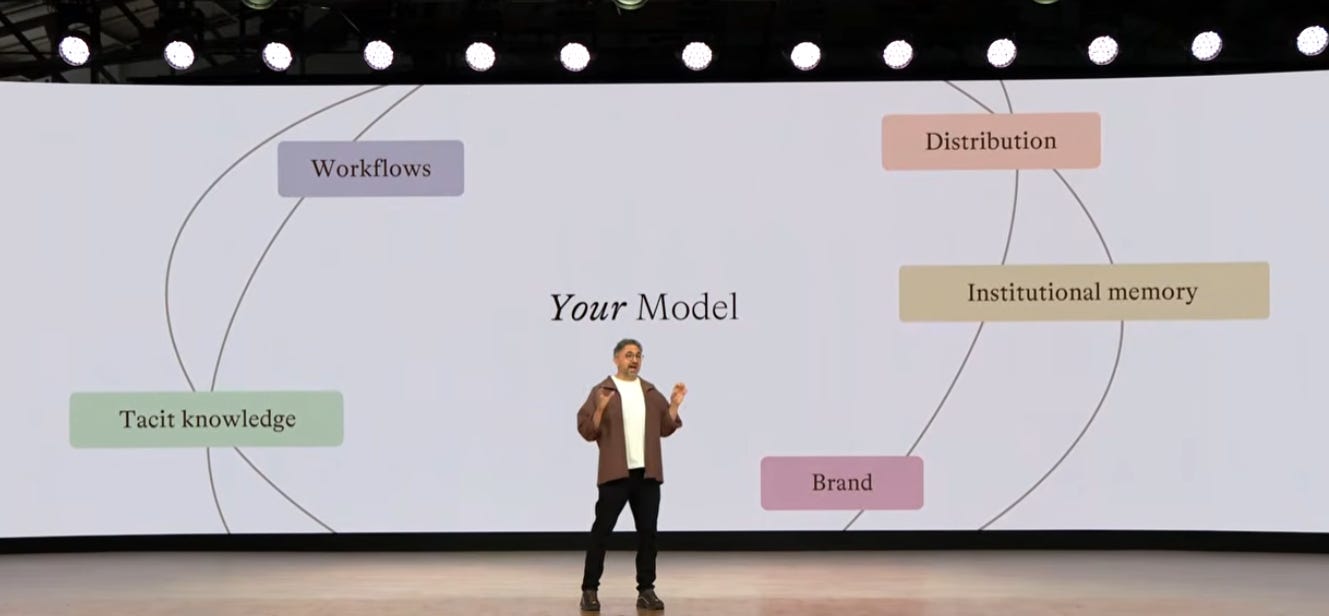
At its core, the disruptive nature of these AI agents lies in their ability to internalize and evolve based on a company’s specific "tacit knowledge." This encompasses a wealth of implicit, yet invaluable, information such as historical experiences, established policies, cultural nuances, risk management protocols, and the very essence of "how we do business." Unlike static systems, these AI agents progressively become more attuned to an organization’s distinctiveness over time, making them powerful extensions of the enterprise itself.
A significant development in this domain has been the integration of Galileo’s intelligence into Microsoft Copilot. This collaborative effort saw the AI system ingest and retrain itself on proprietary intellectual property. Initial testing by the Microsoft HR team yielded exceptionally positive results, with the customized Copilot demonstrating enhanced utility, depth of detail, and trustworthiness due to its ability to cite knowledgeable sources for all inquiries. This transformation positioned the Microsoft Copilot as a world-class HR business partner and consultant, capable of providing nuanced and context-aware guidance.
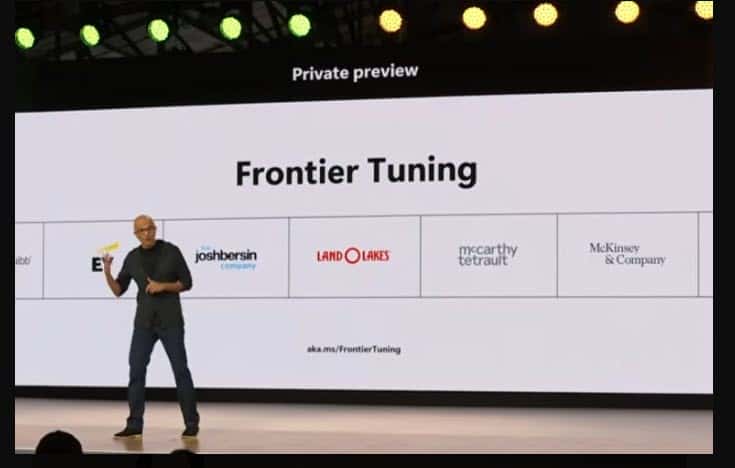
Microsoft’s commitment to democratizing this advanced AI customization is now evident with the productization of this capability. The company is enabling organizations to "fine-tune" their Copilot instances, allowing IT and HR departments to embed company-specific data, including policies, hiring guides, pay practices, and onboarding materials. This process "institutionalizes" crucial organizational knowledge within the AI system, making it a deeply integrated and accessible resource.
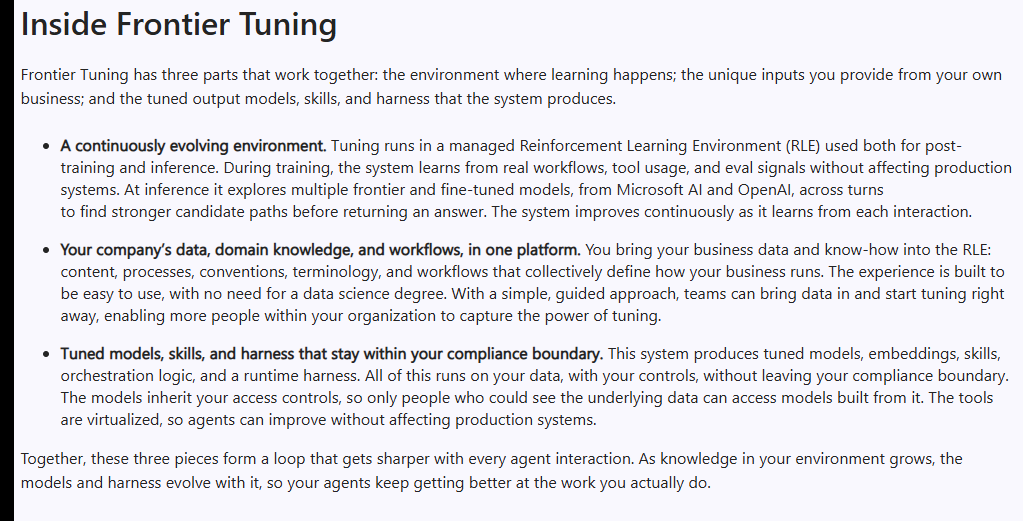
Beyond static knowledge ingestion, a key differentiator of Microsoft’s approach, particularly with the "Frontier Tuning" system, is its capacity for autonomous learning. Unlike Retrieval Augmented Generation (RAG) implementations, which primarily retrieve and present information without fundamentally altering the AI’s core knowledge, Frontier Tuning facilitates continuous improvement. Microsoft refers to this as the "Reinforcement Learning Environment," a mechanism that allows AI agents to learn from real-world feedback provided by users. This creates a self-improving loop, mirroring the organic learning processes of human professionals.
Frontier Tuning: Empowering Customization and Autonomous Learning
The implications of this advanced customization and learning capability were showcased at Microsoft Build 2026 in San Francisco. The event highlighted how organizations can embed not only specialized intelligence like Galileo but also their own bespoke corporate practices into Copilot. This strategic move aligns with the vision articulated by Microsoft CEO Satya Nadella, who emphasized the paramount importance of making AI models unique and tailored to specific companies rather than broadly shared. This personalization is seen as the true driver of value in the enterprise AI space, enabling IT and HR teams to efficiently tune, optimize, and personalize AI systems.
Microsoft’s introduction of a "harness" layer for Copilot further expands its capabilities. This architectural element allows Copilot to host a diverse range of AI models, including those from OpenAI, Anthropic, Microsoft’s own proprietary models, and crucially, custom fine-tuned models. This flexibility opens up possibilities for specialized AI applications within different departments. For instance, R&D teams could leverage a fine-tuned model trained on confidential internal data, ensuring the security and exclusivity of their proprietary research.
The Power of Reinforcement Learning in AI Agents
The "Frontier Tuned" model’s ability to undergo autonomous reinforcement learning is a significant leap forward. This process, detailed in Microsoft’s "Agent Lightning" overview, allows the AI to continuously refine its performance and knowledge base over time. By enabling this reinforcement learning agent, users and administrators can gather feedback on the utility of the AI’s actions, thereby enabling the model to train itself and improve its effectiveness. This mirrors human learning, where experience and feedback drive growth and adaptation.
A compelling example of this in practice is Microsoft’s internal crisis management agent. While initially effective, the evolving geopolitical landscape, including events like the war in Ukraine and subsequent conflicts, introduced new complexities such as employees facing communication blackouts and the need for family relocation. The reinforcement learning feature allowed this agent to autonomously update itself with new policies and response strategies tailored to these emerging challenges.
While other methods exist for "training" Microsoft Copilot, such as the Microsoft Graph Connector, which allows access to data across SharePoint, PowerPoint, Word, Outlook, and Work IQ, these do not offer the same depth of integration or the autonomous learning capabilities of reinforcement learning. These connectors provide access to data but do not fundamentally retrain or enable the self-improvement mechanisms inherent in reinforcement learning.
Microsoft’s Strategic Move into Proprietary AI Models
Beyond customization, Microsoft has made significant strides in developing its own suite of AI models. An announcement from Mustafa Suleyman revealed the launch of seven new proprietary AI models, meticulously optimized for specific business use cases. This development marks a strategic pivot for Microsoft, previously constrained by agreements that limited its ability to develop cutting-edge models independently.
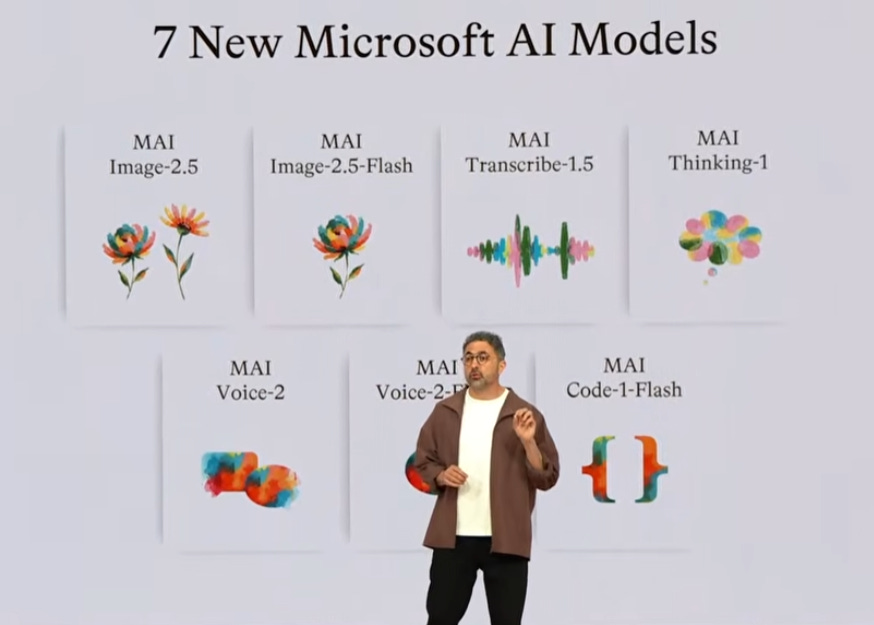
With these new models, Microsoft aims to compete directly with leading offerings from Anthropic and OpenAI. This initiative provides Microsoft with a cost-effective and cleanly licensed set of AI models, enhancing the value proposition of Copilot as an open and versatile platform. The financial implications are also considerable; as Suleyman noted, the goal is to "reduce and ultimately eliminate" the substantial costs associated with licensing third-party models.
These new Microsoft models are designed for high efficiency and are licensed without relying on scraped internet content. For business leaders, this offers a more predictable and ethically sound foundation for AI implementation. A key advantage highlighted is the assurance that these models do not share intellectual property with other customers, a concern often associated with models where user data can be leveraged for broader training. This is particularly critical for organizations handling sensitive or proprietary information, where accidental data leakage could have significant consequences.
The development of these "Frontier Models" is exemplified by collaborations such as the one with Mayo Clinic. Together, they are building a "New Frontier Model for Healthcare," designed to provide clinicians with deep insights into effective clinical practices. This mirrors the broader trend in enterprise AI: observing, documenting, and operationalizing best practices, whether in healthcare or human capital management.
Another notable case study involves Land-O-Lakes, which has been piloting Microsoft’s MAI-Thinking-1 reasoning model. Through fine-tuning with internal documents and communications data, the company achieved a customized version of the model that demonstrated superior accuracy and a tenfold cost efficiency advantage over OpenAI’s GPT-4.5, according to Microsoft senior product manager Tanaya Yadav. This tangible outcome underscores the economic and performance benefits of tailored AI solutions.
For those interested in the technical intricacies, a demonstration of Microsoft’s Fine-Tuned Copilot for HR Onboarding is available, showcasing its practical application. The author’s organization is actively collaborating with Microsoft on this offering, positioning it as a potential solution for employee self-service and related AI needs for businesses operating within the Microsoft ecosystem.
While the full impact of these advancements will unfold over time, Microsoft’s strategic direction in enterprise AI appears robust. With strong leadership and a clear vision for customization and self-improvement, this approach to Enterprise AI holds immense potential for transforming how businesses operate and innovate.
Additional Insights and Resources
Further exploration of this topic is available through various resources:
- Podcast: A discussion on the high cost of AI, frontier fine-tuning, edge computing, and Microsoft and NVIDIA’s roles can be found here. All research and podcasts are also accessible via Galileo.
- Related Articles:
- "The Reinvention of Workday: From System of Record to Platform of Agents" here.
- "Could Microsoft Win The War For Enterprise AI?" here.
- "The AI vs. Labor Economy, Why Benefits Are Being Cut, The Role of Legacy Systems" podcast available here.
- "The Context Layer (Semantic Layer) In Enterprise AI (And Where Business Rules Go)" podcast available here.
- The Superagent for HR: Details on the Galileo Mars Release can be found here.







