April marks National Volunteer Month, a dedicated period to recognize and celebrate the invaluable contributions of individuals who dedicate their time and energy to improving their communities. This observance culminates in National Volunteer Week, typically held from April 19th to 25th, serving as a powerful reminder of the collective capacity to effect positive change on a local and global scale. For organizations like Reward Gateway | Edenred, these events underscore a commitment to fostering a culture where employees are empowered and encouraged to participate in their communities.
The company champions this ethos by providing all employees with Volunteer Time Off (VTO). This benefit, an allocation of extra paid time off days, is designed to facilitate meaningful engagement away from the desk and within local communities. As an organization focused on enhancing the workplace experience for businesses worldwide, Reward Gateway | Edenred views supporting employee volunteerism as a natural extension of its core mission. This initiative not only benefits the communities served but also fosters a sense of purpose and connection among its workforce.
The Generosity of Gratitude: A Psychological Foundation for Volunteering
The impetus behind volunteering is often rooted in a desire to contribute to societal well-being and to foster a sense of community. Research from Baylor University, highlighted in a recent article, sheds light on the psychological underpinnings of such altruistic behavior. The study indicates that cultivating gratitude can significantly enhance an individual’s willingness to be generous with their time, money, and efforts. This generosity extends beyond immediate beneficiaries, positively impacting strangers with whom no direct relationship exists, and where no expectation of reciprocation is present.
This finding suggests that a drive towards volunteering may, on a fundamental human level, be innate, possibly linked to our capacity for gratitude. While the personal journey into volunteering may not always stem from a conscious understanding of these psychological principles, the research provides a compelling rationale for why such endeavors resonate deeply with individuals. The act of giving back, therefore, can be seen not just as a civic duty but as a response to an inherent human tendency to connect and contribute, often amplified by feelings of appreciation for one’s own circumstances.
From Personal Conviction to Collective Action: The Evolution of Volunteerism
The author’s personal journey into volunteerism exemplifies the profound impact of witnessing societal challenges firsthand. Experiences such as observing children making sacrifices for their families, individuals struggling with healthcare access, or the pervasive effects of housing insecurity have served as potent motivators. This awareness has led to a deep-seated belief that time is the most valuable resource an individual can offer.
Early in their career, juggling both full-time and part-time employment, the author found evenings and weekends to be the most feasible windows for volunteer work. The youthful optimism of that period fueled an ambitious approach, believing in an almost limitless capacity for energy and commitment. This period, while driven by a strong will, also served as a crucial learning phase, illustrating the necessity of finding a sustainable balance.
Establishing Sustainable Engagement: The Art of Moderation
A significant challenge for many aspiring volunteers is identifying the right niche and establishing appropriate boundaries for their time commitment. The initial phase of volunteer engagement can often lead to overextension, disrupting personal well-being and professional performance. The author candidly describes an experience of being “rated 3/10, do not recommend,” highlighting the negative consequences of unchecked enthusiasm.
To mitigate these risks and ensure long-term, positive engagement, a recalibration of volunteer efforts became necessary. Scaling back to dedicate one day a week to volunteering proved to be a more sustainable pace. This adjustment not only improved personal work-life balance but also maintained a sense of engagement and connection, while still allowing for tangible contributions to chosen organizations. As life circumstances evolve, the commitment has naturally adjusted, demonstrating a flexible approach to giving back. This ebb and flow in participation is a realistic reflection of life’s demands, with the understanding that future opportunities for increased involvement may arise.
The Power of Collective Impact: Amplifying Contributions
The principle that "the whole is greater than the sum of its parts" resonates powerfully within the context of volunteerism. Imagine the transformative potential if a significant portion of the adult population actively engaged in volunteer work. A hypothetical scenario suggests that if every adult in America volunteered just one day per month, it could translate to approximately 100 million volunteer hours annually. This staggering figure underscores the immense capacity for positive change that collective action holds.
This perspective reinforces the author’s ongoing motivation: a deep sense of gratitude for personal blessings and a desire to extend those opportunities to others. The hope is that sharing personal experiences and the broader impact of volunteering will inspire more individuals to get involved. The message is one of encouragement and accessibility, emphasizing that the barrier to entry is often lower than perceived.
Navigating the Volunteer Landscape: Finding Your Fit
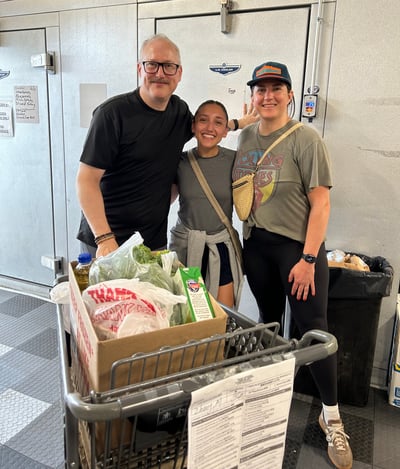
For those considering volunteering, the advice offered is practical and actionable. The initial step involves exploring various organizations and causes to find a suitable match. Many organizations now offer virtual orientations, allowing potential volunteers to gain an understanding of their mission, operational structure, and expected commitment levels without a significant upfront investment of time. This accessibility makes it easier to identify a group that aligns with personal values and schedules.
The process of signing up is often streamlined through dedicated apps, further simplifying the integration of volunteer activities into existing routines. The key takeaway is that there are countless causes and organizations, ensuring that a place exists for virtually everyone. The encouragement is to "show up to a group that doesn’t work for you, then don’t go back!" This pragmatic approach removes the pressure of finding the perfect fit on the first attempt and promotes exploration.
The Ripple Effect: Transforming Lives Through Shared Time
While the ideal of structuring one’s life around volunteerism may not be universally attainable in today’s fast-paced world, the impact of even modest contributions should not be underestimated. Dedicating a couple of hours after work one day a month can indeed change someone else’s life, and often, it can profoundly impact the volunteer’s own life as well. This reciprocal benefit highlights the holistic nature of volunteer engagement, fostering personal growth, fulfillment, and a deeper connection to the community.
Organizational Support for Volunteerism
National Volunteer Month and Week serve as important touchpoints for organizations to reinforce their commitment to employee well-being and community engagement. By providing resources such as Volunteer Time Off, companies like Reward Gateway | Edenred not only facilitate individual acts of service but also cultivate a broader culture of social responsibility. This proactive approach can lead to increased employee morale, stronger team cohesion, and a more positive organizational reputation.
The annual HR Planning Calendar, for example, can be a valuable tool for businesses to identify opportunities throughout the year to celebrate volunteerism with their employees. These initiatives can drive engagement, foster a sense of belonging, and build a stronger culture of community within the workplace. By integrating such observances into strategic planning, organizations can ensure that the spirit of giving back is not confined to a single month but is woven into the fabric of their corporate culture.
Broader Implications for Society and the Economy

The societal implications of widespread volunteerism are far-reaching. Beyond the direct impact on the beneficiaries of these services, volunteer efforts contribute significantly to the social capital of communities. They strengthen social networks, foster civic engagement, and help address critical needs that may not be fully met by government or private sector initiatives.
Economically, volunteerism also plays a vital role. While volunteers do not receive monetary compensation, their labor represents a substantial economic contribution. The value of volunteer time, when quantified, highlights the indispensable role of unpaid work in supporting essential services, from healthcare and education to environmental conservation and disaster relief.
Furthermore, organizations that actively promote and support employee volunteerism often experience tangible benefits. These can include enhanced employee loyalty, improved recruitment and retention rates, and a stronger employer brand. In an increasingly competitive talent market, a demonstrated commitment to corporate social responsibility, including volunteerism, can be a significant differentiator.
Looking Ahead: Sustaining the Momentum
As National Volunteer Month draws to a close and National Volunteer Week concludes, the focus shifts to sustaining the momentum of community engagement throughout the year. The insights gained from psychological research, the personal journeys of dedicated volunteers, and the supportive frameworks provided by organizations all point towards a shared understanding: that collective action, fueled by a spirit of generosity and gratitude, can indeed create a better world. The ongoing challenge and opportunity lie in continuing to empower individuals, remove barriers to participation, and recognize the profound and lasting impact of volunteering. The call to action remains clear: to contribute, to connect, and to make a difference, however and whenever possible.