Employer liability for workplace harassment represents a complex and critical area of employment law, demanding meticulous attention from organizations across all sectors. The foundational legal framework, primarily Title VII of the Civil Rights Act of 1964, establishes stringent standards for employers, particularly when the alleged harasser holds a supervisory position. Unlike instances involving co-worker harassment, where liability often hinges on whether the employer knew or should have known about the misconduct, supervisory harassment often imposes a higher, sometimes automatic, standard of accountability on the organization. This distinction underscores the unique position of power and authority that supervisors wield, acting, in essence, as agents of the employer, and therefore directly implicating the company in their actions.
The U.S. Equal Employment Opportunity Commission (EEOC) guidance explicitly delineates this enhanced standard, stating that an employer is automatically liable for harassment by a supervisor that culminates in a negative tangible employment action. Such actions can include, but are not limited to, termination, demotion, failure to promote or hire, or a loss of wages. This automatic liability principle reflects the legal premise that when a supervisor exercises their delegated authority to effectuate adverse employment decisions, their actions are directly attributable to the employer itself. However, for supervisory harassment that results in a hostile work environment without a tangible employment action, employers may have an affirmative defense, famously known as the Faragher-Ellerth defense. To successfully invoke this defense, an employer must prove two critical elements: first, that it exercised reasonable care to prevent and promptly correct any harassing behavior; and second, that the aggrieved employee unreasonably failed to take advantage of any preventive or corrective opportunities provided by the employer. This intricate legal framework necessitates a comprehensive understanding and proactive implementation of robust anti-harassment policies and training programs within every organization.
The Foundational Pillars: Title VII and the Evolution of Harassment Law
Title VII of the Civil Rights Act of 1964 stands as a landmark piece of legislation, prohibiting employment discrimination based on race, color, religion, sex, and national origin. While the statute does not explicitly mention "harassment," courts have long interpreted harassment as a form of discrimination under Title VII when it is severe or pervasive enough to create a hostile work environment or results in an adverse employment decision. The recognition of workplace harassment as a form of illegal discrimination evolved significantly through key legal precedents over several decades.
Historically, the concept of sexual harassment gained legal traction in the 1970s and 80s. A pivotal moment arrived with the Supreme Court’s 1986 decision in Meritor Savings Bank v. Vinson. In this case, the Court unanimously recognized that "hostile environment" sexual harassment is a form of sex discrimination prohibited by Title VII, even without tangible economic loss. This ruling established that harassment does not only occur through quid pro quo demands but also through conduct that creates an intimidating, hostile, or offensive working environment. Seven years later, in Harris v. Forklift Systems, Inc. (1993), the Supreme Court further clarified that to be actionable, harassment does not need to cause psychological injury; rather, it must be severe or pervasive enough to create an objectively hostile or abusive work environment that a reasonable person would find hostile or abusive, and one that the victim subjectively perceives as such. These cases laid the groundwork for understanding what constitutes actionable harassment.
The distinction between co-worker and supervisory harassment, and the development of the affirmative defense, came to the forefront with two crucial Supreme Court decisions in 1998: Faragher v. City of Boca Raton and Burlington Industries, Inc. v. Ellerth. These twin rulings established the doctrine of vicarious liability for employers in cases of supervisory harassment. The Court held that an employer is vicariously liable for an actionable hostile environment created by a supervisor with immediate (or successively higher) authority over the employee. The rationale was that supervisors are empowered by the employer, and their actions in the workplace, even when abusive, are seen as being within the scope of their employment, or at least facilitated by the authority delegated to them. It was in these cases that the two-pronged affirmative defense was articulated for situations where no tangible employment action was taken: (1) the employer exercised reasonable care to prevent and correct promptly any sexually harassing behavior, and (2) the employee unreasonably failed to take advantage of any preventive or corrective opportunities provided by the employer or to avoid harm otherwise. These decisions fundamentally reshaped employer responsibilities and underscored the critical importance of proactive measures.
The Sanders Allegations: A Case Study in Imputed Liability
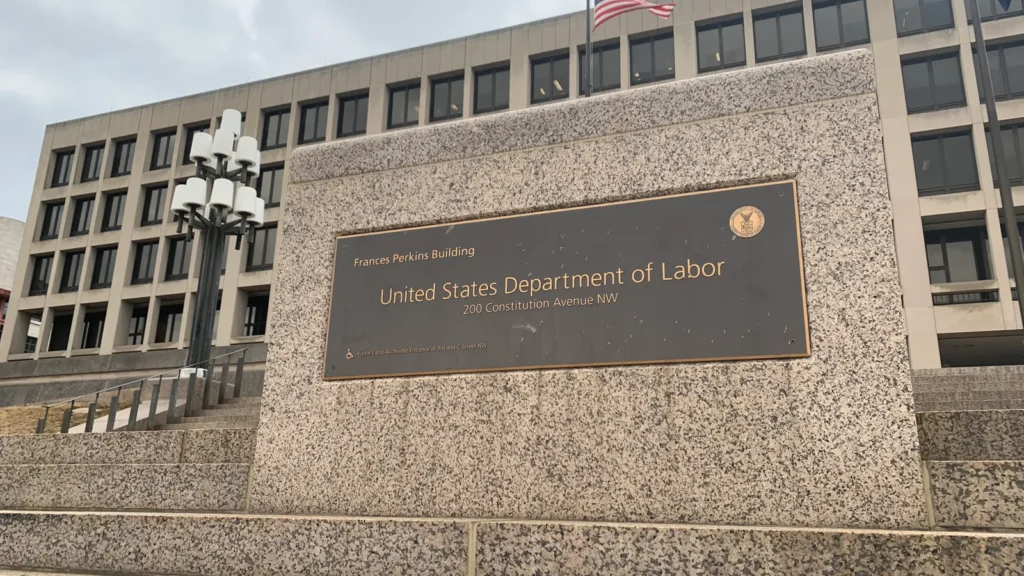
The case involving the Sanders plaintiff against the Department of Labor (DOL) serves as a contemporary illustration of these legal principles in action. The plaintiff alleged that the DOL knew about the discrimination taking place within its ranks. Crucially, the Sanders plaintiff claimed that because the alleged violations were "created and fostered by" managers, liability should be "imputed" directly to the DOL. This assertion directly aligns with the vicarious liability framework established by Faragher and Ellerth. If managers, acting in their supervisory capacity, were indeed the perpetrators or facilitators of the discriminatory conduct, then their actions could potentially be viewed as those of the employer itself, triggering a higher standard of liability for the Department.
Such allegations inevitably prompt scrutiny of an organization’s internal controls, complaint mechanisms, and the effectiveness of its anti-harassment and anti-discrimination training programs. If the DOL, a governmental agency tasked with upholding labor laws, is alleged to have had managers who "created and fostered" discrimination despite its presumed knowledge, it raises significant questions about the robustness of its preventative measures and corrective actions. The plaintiff’s claim of imputed liability suggests that either the DOL lacked adequate policies and training to prevent such behavior, or that its established reporting and investigative procedures were ineffective in addressing the alleged misconduct once it became known, or both. This scenario underscores the fundamental tension between an employer’s duty to prevent harassment and an employee’s right to a workplace free from discrimination, particularly when the alleged perpetrators are those entrusted with supervisory authority.
The Broader Impact: Statistics and Consequences of Workplace Harassment
The implications of workplace harassment extend far beyond individual legal cases, impacting organizational culture, employee well-being, and economic productivity. Statistics consistently highlight the pervasive nature of this issue. According to data from the U.S. Equal Employment Opportunity Commission (EEOC), thousands of charges of harassment are filed annually. For instance, in fiscal year 2023, the EEOC received 23,644 charges of harassment, with sex-based harassment (including sexual harassment) being one of the most frequently alleged forms, followed by race, disability, and age harassment. A significant percentage of these charges involve supervisors, reinforcing the legal emphasis on supervisory conduct. While exact figures vary by year and category, studies often indicate that supervisory harassment is reported at higher rates and is more likely to result in legal action or severe consequences for employers.
The costs associated with workplace harassment are multifaceted and substantial. For employers, these costs include:
- Direct Legal Expenses: Litigation fees, settlements, and judgments can run into millions of dollars. For example, in fiscal year 2023, the EEOC secured $298.9 million in monetary benefits for victims of discrimination.
- Reputational Damage: Public perception and employer brand can be severely tarnished, affecting recruitment efforts, client relationships, and investor confidence.
- Decreased Productivity and Morale: A hostile work environment leads to stress, anxiety, and disengagement among employees, resulting in lower productivity, increased absenteeism, and higher error rates.
- Increased Turnover: Employees subjected to harassment, or those witnessing it, are more likely to leave the organization, leading to high recruitment and training costs for replacements. A 2018 study by the EEOC Select Task Force on the Study of Harassment in the Workplace estimated that direct costs of sexual harassment to U.S. businesses in terms of lost productivity, turnover, and investigation costs could be significant, often in the hundreds of millions annually across the economy.
- Internal Investigation Costs: Conducting thorough investigations requires significant internal resources, time, and potentially external legal or HR consultants.
For employees, the impact is often devastating, encompassing:
- Psychological Distress: Harassment can lead to anxiety, depression, PTSD, loss of self-esteem, and other mental health issues.
- Career Setbacks: Victims may experience demotions, missed promotions, or even job loss, leading to long-term career stagnation.
- Economic Consequences: Loss of wages, benefits, and future earning potential due to job changes or reduced performance.
- Physical Health Problems: Stress-related illnesses, sleep disturbances, and other physical ailments can arise from prolonged exposure to harassment.
Proactive Measures: Best Practices for Employers
Given the severe legal and operational ramifications, workplace experts consistently advocate for employers to adopt proactive and comprehensive strategies to prevent harassment and ensure a respectful work environment. These strategies extend beyond mere compliance and aim to foster a culture of dignity and accountability.
1. Comprehensive Anti-Harassment Policies:
- Clear Definition: Policies must clearly define what constitutes harassment, including sexual harassment, racial harassment, and other forms of discrimination, providing specific examples.
- Reporting Mechanisms: Establish multiple, accessible, and clearly communicated channels for reporting harassment (e.g., HR, manager, ethics hotline, designated ombudsperson).
- Non-Retaliation Clause: Explicitly state a zero-tolerance policy for retaliation against anyone who reports harassment or participates in an investigation. This is crucial for encouraging reporting.
- Confidentiality: Assure employees that complaints will be handled with appropriate confidentiality to the extent possible, while still allowing for a thorough investigation.
- Consequences: Clearly outline the disciplinary actions that will be taken against harassers, up to and including termination.
2. Effective and Regular Training:
- Mandatory for All Employees: General training should educate all employees on what harassment is, their rights, and how to report incidents. This reinforces the organization’s commitment to a safe workplace.
- Specialized Training for Managers and Supervisors: This is paramount. Supervisors must receive in-depth training on:
- Their heightened legal responsibilities under Title VII and other relevant statutes.
- How to identify and recognize various forms of harassment, including subtle behaviors.
- Their affirmative duty to report any observed or reported harassment, even if the employee asks them not to.
- The proper procedure for receiving and escalating complaints.
- The importance of not attempting to resolve complaints themselves or making judgments about credibility without proper investigation.
- The severe personal and organizational consequences of failing to act or participating in harassment.
- Understanding the Faragher-Ellerth defense and their role in helping the employer satisfy its prongs.
- Interactive and Engaging Formats: Training should move beyond passive presentations, incorporating case studies, role-playing, and opportunities for questions to ensure understanding and retention.
- Regular Refreshers: Annual or biennial training is recommended to reinforce knowledge and update employees on any legal or policy changes.
3. Robust and Impartial Investigation Procedures:
- Promptness: All complaints must be addressed immediately. Delays can be seen as a failure to exercise reasonable care.
- Thoroughness: Investigations must be comprehensive, interviewing all relevant parties (complainant, alleged harasser, witnesses) and collecting all pertinent evidence (emails, texts, documents).
- Impartiality: The investigator must be neutral and objective, ensuring fairness to all parties involved. This often requires an individual trained in investigations, potentially from outside the immediate chain of command.
- Documentation: Meticulous records of the complaint, interviews, evidence, findings, and corrective actions are essential for legal defense and organizational memory.
- Communication: While maintaining appropriate confidentiality, the employer should communicate with the complainant about the general progress and outcome of the investigation, and the steps taken to address the issue.
- Corrective Action: Based on the investigation’s findings, appropriate and effective corrective action must be taken. This action should be proportionate to the severity of the misconduct and designed to prevent recurrence. This could range from counseling and re-training to suspension or termination.
4. Fostering a Culture of Respect and Accountability:
- Leadership Commitment: Top leadership must visibly and consistently demonstrate their commitment to a harassment-free workplace. This sets the tone for the entire organization.
- Open Communication: Encourage employees to speak up without fear of reprisal.
- Diversity, Equity, and Inclusion (DEI) Initiatives: A robust DEI framework can help cultivate an environment where all employees feel valued and respected, thereby reducing the likelihood of harassment.
- Regular Audits: Periodically review anti-harassment policies, training effectiveness, and complaint handling procedures to identify areas for improvement.
Challenges and Nuances in the Modern Workplace
The landscape of workplace harassment continues to evolve, presenting new challenges for employers. The rise of remote and hybrid work models, for instance, complicates traditional notions of "the workplace" and how harassment manifests. Harassment can now occur through virtual platforms, emails, and messaging apps, requiring policies and training to address digital conduct. Moreover, the increasing integration of social media into professional and personal lives raises questions about off-duty conduct and when it crosses into the realm of workplace harassment. Employers must carefully delineate expectations for employee conduct both on and off the clock, particularly when such conduct could impact the workplace environment.
Emerging forms of harassment, such as cyberbullying, microaggressions, and subtle forms of bias, also demand attention. While not always meeting the "severe or pervasive" threshold for legal action individually, these behaviors can contribute to a hostile work environment over time and signal underlying cultural issues. Furthermore, the concept of intersectionality, where individuals may experience harassment based on multiple protected characteristics (e.g., a Black woman experiencing both racial and sex discrimination), adds another layer of complexity to investigations and preventative efforts.
Conclusion
The principles governing employer liability for supervisory harassment, rooted in Title VII and refined by landmark Supreme Court decisions, represent a cornerstone of modern employment law. The Sanders allegations against the Department of Labor serve as a stark reminder of the potential consequences when these principles are challenged. Employers are not merely expected to react to instances of harassment; they are legally and ethically obligated to proactively prevent it. This necessitates a multi-faceted approach encompassing clear policies, rigorous and targeted training – especially for those in supervisory roles – and a robust, impartial system for investigating and addressing complaints. Beyond legal compliance, cultivating a workplace culture that genuinely values respect, dignity, and inclusion is the most effective defense against harassment. By continuously reviewing and strengthening their anti-harassment frameworks, organizations can not only mitigate legal risks but also foster a healthier, more productive, and ethical environment for all employees. The imperative is clear: a safe and respectful workplace is not merely an aspiration, but a fundamental right and a critical business advantage.