The successful integration of artificial intelligence within global enterprises is no longer a theoretical exercise but a critical operational imperative. For the CEO of a prominent global technology firm, this reality materialized into a high-stakes decision point regarding a pivotal AI-powered customer service initiative. Initially, the executive team championed the rollout of autonomous customer service agents, buoyed by what appeared to be compelling preliminary metrics. However, a deeper, more nuanced examination, guided by executive coach Lolly Daskal, revealed critical blind spots that threatened to derail the project and potentially damage the company’s reputation. This incident, occurring against a backdrop of increasing AI adoption across industries, offers a potent case study in the evolving demands of modern leadership, particularly in the complex domain of artificial intelligence.
The Crisis Unfolds: A Glimpse Behind the Promising Metrics
The executive team’s enthusiasm for the autonomous customer service agents was understandable. Projections indicated significant cost savings through automation and enhanced efficiency by handling a high volume of customer inquiries. The prevailing sentiment within leadership circles was that the technology was mature enough to deliver tangible benefits. However, Daskal, in her coaching sessions, noted a persistent unease in the CEO’s demeanor, a subtle dissonance between the apparent data and his strategic intuition. This prompted a more rigorous interrogation of the underlying assumptions and the data’s completeness.
The turning point arrived during a crucial strategy session when a junior data scientist, a relatively new member of the team, bravely voiced concerns about inherent biases within the training data used for the AI models. This disclosure transformed a routine strategic discussion into a leadership crucible. The CEO, instead of dismissing the concern or deferring to the perceived expertise of his senior team, seized the opportunity to embody the cross-disciplinary fluency that Daskal had been cultivating. He initiated a deliberate pause in the launch timeline, empowering the junior data scientist to lead an in-depth ethical review. This act of courage and foresight not only averted a potentially disastrous rollout but fundamentally reshaped the company’s approach to AI development and deployment.
The Evolving Landscape of AI Leadership: Key Capabilities Unveiled
The CEO’s handling of this crisis underscored a paradigm shift in the essential leadership capabilities required to navigate the complexities of the AI era. Daskal identifies several critical attributes that distinguish effective leaders in this transformative period:
1. Cross-Disciplinary Fluency: Bridging the Gaps
In an age where artificial intelligence permeates every facet of business, leaders must possess the ability to traverse seamlessly between highly technical discussions with AI engineers, strategic deliberations with the board of directors, and the more abstract, creative ideation sessions with design teams. This cross-disciplinary fluency is not merely about understanding jargon; it’s about fostering an environment where diverse perspectives can be integrated into robust AI solutions. For instance, understanding the technical nuances of an AI algorithm allows a leader to ask the right questions about its potential limitations, while grasping strategic business objectives ensures that AI investments are aligned with overarching organizational goals. This was evident when the CEO facilitated a dialogue between his technical team and the data scientist, ensuring that the business implications of algorithmic bias were clearly understood at all levels.
2. Reverse Mentorship: Embracing Continuous Learning
The notion of hierarchical knowledge acquisition is being challenged by the rapid pace of technological advancement. In the AI landscape, leaders who cling to a top-down approach risk becoming obsolete. The most effective leaders actively seek mentorship from younger, tech-savvy employees, recognizing that wisdom and insight can flow in all directions. This practice, often termed "reverse mentorship," requires leaders to set aside pride and ego, acknowledging that staying ahead of AI trends and adoption patterns necessitates a constant state of learning. Companies that foster such an environment often see a more agile and informed workforce, better equipped to identify emerging opportunities and mitigate risks. A study by Deloitte in 2023 found that organizations with formal reverse mentoring programs reported higher employee engagement and a greater ability to adapt to technological change.
3. Scenario Planning with AI: Anticipating the Future
The power of AI extends beyond operational efficiency; it offers unprecedented capabilities in forecasting and strategic planning. Smart leaders leverage AI to model and simulate a multitude of future scenarios, enabling them to interpret potential outcomes and prepare their organizations proactively. This proactive stance contrasts sharply with a reactive approach, where organizations are constantly playing catch-up. By utilizing AI for scenario planning, leaders can identify potential disruptions, assess their impact, and develop contingency plans, thereby positioning their companies ahead of the curve. For example, an AI model could simulate the impact of a new regulatory framework on a company’s AI-driven supply chain or predict shifts in consumer behavior driven by AI-powered personalization.

4. The Art of Unlearning: Shedding Outdated Paradigms
The constant evolution of technology demands a parallel evolution in leadership thinking. The ability to identify and discard outdated habits, assumptions, and processes is paramount. This "art of unlearning" is crucial for leaders to remain agile and open to new paradigms, facilitating the adoption or even the invention of novel AI solutions. Without this capacity, ingrained ways of thinking can become insurmountable barriers to innovation. A McKinsey Global Institute report in 2022 highlighted that organizations struggling with digital transformation often cited a "resistance to change" rooted in deeply embedded traditional practices as a primary obstacle.
5. Storytelling with Data: Inspiring Action Through Narrative
Artificial intelligence can generate vast quantities of data and insights, but these insights are only valuable if they translate into meaningful action. The skill of transforming raw data and AI outputs into compelling narratives that inspire alignment and drive decision-making across teams and stakeholders is a leadership competency that will define success. People are motivated by stories, not just statistics. The CEO in this case study successfully transformed the crisis into a narrative of ethical innovation, galvanizing his team and ultimately resonating with customers. This human-centric approach to data interpretation ensures that AI’s potential is harnessed for both efficiency and emotional connection.
6. Bias Detection and Mitigation: Building Trustworthy AI
Beyond foundational ethics training, leaders must actively cultivate systematic approaches to identify, challenge, and correct biases embedded within AI-driven decisions. Algorithmic bias can manifest in subtle yet damaging ways, leading to unfair outcomes, reputational damage, and legal liabilities. The most effective leaders implement robust frameworks for continuous bias detection and mitigation, ensuring that AI systems operate equitably and ethically. Companies that proactively address bias build greater trust with their customers and stakeholders, a critical differentiator in an increasingly AI-dependent world. A 2024 study by the AI Now Institute revealed that a significant percentage of AI deployments still exhibit bias, underscoring the urgency of this leadership responsibility.
7. The Ethical Hacking Mindset: Proactive Vulnerability Assessment
The most forward-thinking leaders adopt an "ethical hacker" mentality when it comes to their AI systems. This involves proactively stress-testing AI models and platforms for vulnerabilities, unintended consequences, and potential misuse. By identifying and rectifying weaknesses before they are exploited by malicious actors or identified by regulators, organizations can safeguard their operations and maintain a competitive advantage. This proactive approach to security and ethical considerations is an indispensable component of responsible AI leadership.
8. Systems Thinking with AI: Orchestrating Integrated Workflows
Successful leaders understand that AI components do not operate in isolation. They must grasp how these elements interact within the broader business ecosystem. This systems thinking approach enables leaders to guide their teams in designing integrated workflows where AI agents efficiently handle routine tasks, thereby freeing up human capital to focus on higher-level strategic thinking, complex problem-solving, and the cultivation of crucial human relationships. This symbiosis between human and artificial intelligence is the hallmark of a well-orchestrated AI implementation.
Leading Through Transformation: The Dawn of a New Leadership Era
The AI platform, once launched after the ethical review, did not merely function; it inspired. Customer feedback shifted from observations about efficiency to expressions of feeling genuinely understood and valued. The CEO’s ability to transform complex data into compelling narratives had not only united his organization but also fostered a deeper connection with its clientele. This outcome serves as a powerful testament to the evolving nature of leadership.
In an era where machines process information with unparalleled speed, the leaders who will command influence are those who amplify human potential rather than engage in a futile competition with artificial intelligence. Their success lies not in controlling technology, but in unleashing the innate creativity, empathy, and connection that are uniquely human attributes. The fundamental nature of leadership is undergoing a profound metamorphosis, moving from command-and-control structures to a more collaborative and human-centric model, amplified by the capabilities of AI.
The "AI Leadership Edge" is not about mastering algorithms; it’s about mastering the human element in an AI-augmented world. The leaders who will shape the next decade are those who recognize that the current wave of technological change is not merely about new tools, but about revealing and refining the core qualities of true leadership. This crisis, for the global tech CEO, was not just a challenge to be overcome, but a profound learning experience that illuminated the path forward for himself and his organization, setting a benchmark for responsible and effective AI integration.
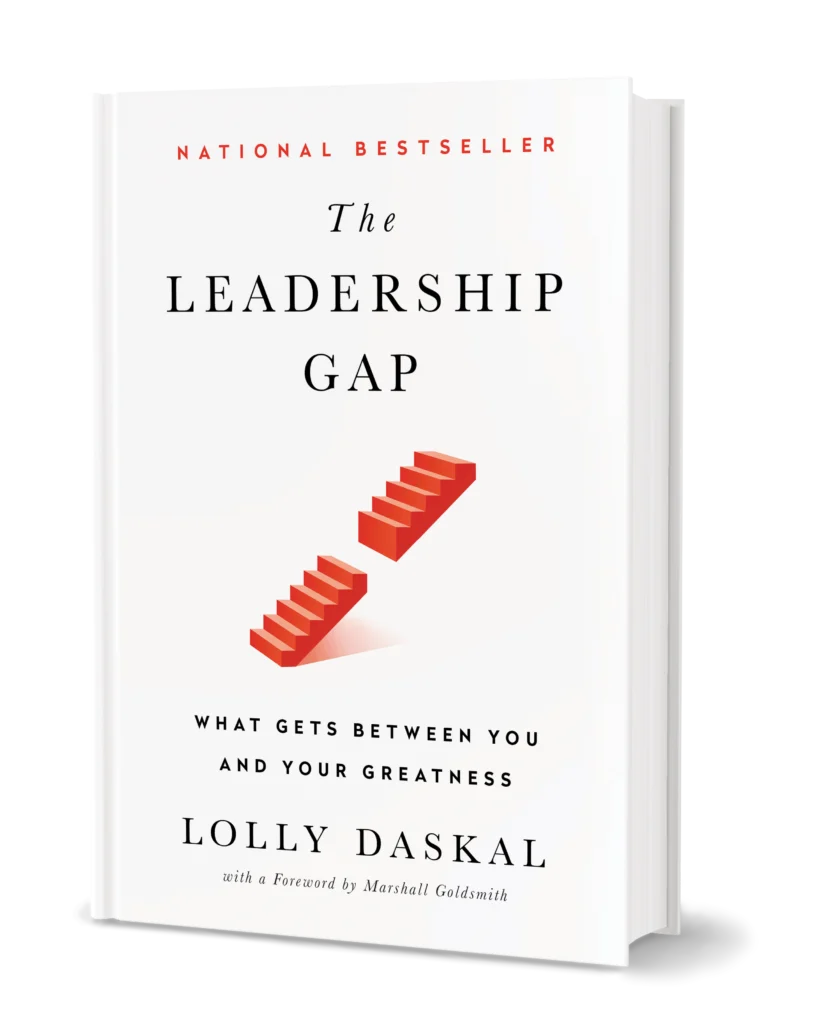
The insights drawn from this case are further explored in Lolly Daskal’s national bestselling book, "The Leadership Gap: What Gets Between You and Your Greatness," which delves into the persistent traits and values that enable leaders to rise, and the often-unseen barriers that can lead to stagnation and failure in their careers. The book offers a framework for understanding and overcoming these challenges, particularly relevant in today’s rapidly evolving professional landscape.