
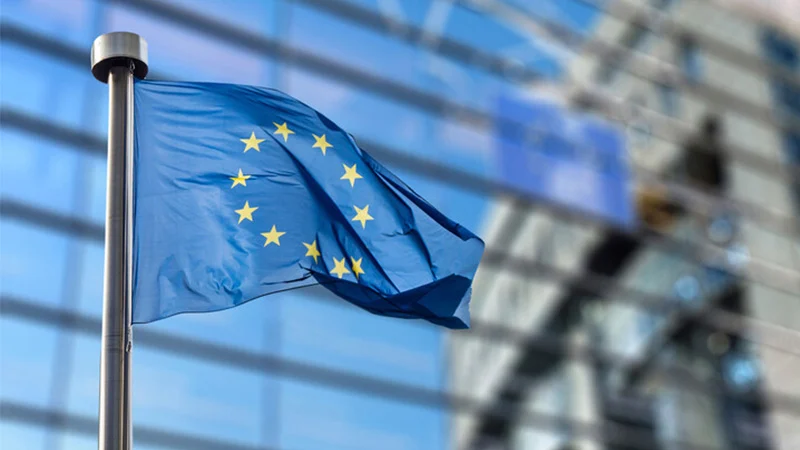
The European Union is approaching a critical juncture in its legislative history as the deadline for the implementation of the Pay Transparency Directive (Directive (EU) 2023/970) draws near. Despite the far-reaching implications of this landmark legislation, which seeks to bridge the gender pay gap and enforce wage equity across the continent, a significant majority of EU member states have yet to finalize their domestic transposition of the rules. As of the latest assessments, only two member states have successfully published the final legislation required to implement the full provisions of the Directive, leaving a vast landscape of legal uncertainty for multinational corporations and domestic employers alike. This delay creates a complex environment for HR departments and legal counsel who must prepare for radical shifts in recruitment, salary disclosure, and internal pay reporting without the benefit of finalized local frameworks.
The Legislative Foundation and Current Status of Implementation
The EU Pay Transparency Directive was formally adopted by the European Parliament and the Council in the spring of 2023, following years of advocacy for more robust mechanisms to address the persistent gender pay gap across the bloc. The Directive entered into force in June 2023, setting a clear three-year clock for member states to integrate these requirements into their national legal systems. The final deadline for transposition is June 7, 2026. However, the current pace of legislative progress suggests a bottleneck that could result in rushed national laws or retroactive compliance requirements.
Legal experts from Squire Patton Boggs’ Labour & Employment team have noted that the "wait and see" approach adopted by many member states is creating a vacuum of guidance. While the Directive provides a high-level framework, individual nations have the latitude to impose even stricter requirements than the EU baseline. For companies operating across multiple jurisdictions—such as France, Germany, Italy, and Poland—the lack of uniform local legislation makes it nearly impossible to design a single, harmonized pay transparency policy. The current state of play indicates that while the Directive sets the floor, the ceiling for compliance may vary significantly from one border to the next.
Chronology of the Pay Transparency Initiative
The journey toward mandatory pay transparency in Europe has been a multi-year process driven by the European Commission’s commitment to gender equality. The timeline below highlights the key milestones that have led to the current implementation crisis:
- March 2021: The European Commission first proposed the Pay Transparency Directive as a core component of the EU Gender Equality Strategy 2020–2025.
- December 2022: The European Parliament and the Council reached a provisional political agreement on the core tenets of the legislation, including the controversial "joint pay assessment" requirement.
- April 2023: The European Parliament officially voted to adopt the Directive with an overwhelming majority, signaling a shift from voluntary reporting to mandatory enforcement.
- May 2023: The Council of the European Union gave its final approval, clearing the path for the law to be published in the Official Journal.
- June 6, 2023: The Directive officially entered into force, triggering the three-year countdown for member state transposition.
- June 2024–Present: The critical implementation window. Legal analysts observe that while the 2026 deadline remains the ultimate cut-off, the complexity of the required changes—such as redefining job evaluation metrics—requires companies to begin the transition years in advance.
Key Provisions and the Burden of Compliance
The Directive (EU) 2023/970 is not merely a reporting requirement; it is a fundamental restructuring of how wages are negotiated and documented. The legislation introduces several "game-changing" provisions that will alter the power dynamic between employers and employees.
Recruitment Transparency and Salary History Bans
Under the new rules, employers will be prohibited from asking job candidates about their salary history with previous employers. This is intended to prevent the "snowball effect," where low pay at a previous job follows an individual throughout their career, disproportionately affecting women. Furthermore, employers must provide information about the initial pay level or its range in the job vacancy notice or prior to the interview. This transparency ensures that candidates enter negotiations with a clear understanding of the compensation structure.
The Right to Information for Current Employees
Employees will gain the right to request information from their employer on their individual pay level and the average pay levels, broken down by sex, for categories of workers doing the same work or work of equal value. Employers are obligated to provide this data within a reasonable timeframe, and they must inform all employees of this right annually.
Mandatory Reporting and Joint Pay Assessments
The Directive introduces tiered reporting requirements based on company size. Organizations with more than 250 employees will be required to report annually, while those with 150 to 249 employees will report every three years. Eventually, the requirement will extend to companies with 100 or more employees.
A critical and potentially litigious aspect of the Directive is the "Joint Pay Assessment." If a company’s pay reporting reveals a gender pay gap of 5% or higher that cannot be justified by objective, gender-neutral criteria, the employer must conduct a pay assessment in cooperation with workers’ representatives. This assessment must include measures to remedy the gap, and failure to do so could lead to significant legal penalties.
Supporting Data: The Economic Reality of the Pay Gap
The urgency of the Directive is underscored by economic data provided by Eurostat and the European Commission. As of the latest reporting period, the gender pay gap in the European Union stands at approximately 13%. This means that for every Euro a man earns, a woman earns only 87 cents. While this is an improvement from previous decades, the rate of closure has stagnated.
Furthermore, the "unadjusted" gender pay gap varies wildly across the bloc. Countries like Luxembourg have effectively eliminated the gap, while others, such as Estonia and Latvia, have seen gaps exceeding 20%. The Directive aims to create a level playing field so that the "value" of work is determined by objective metrics—skill, effort, responsibility, and working conditions—rather than historical biases.
Research suggests that pay transparency does more than just close the gap; it improves overall employee retention and morale. A 2022 study on pay disclosure indicated that organizations with transparent salary structures saw a 10% increase in productivity among lower-paid tiers, as the path to higher compensation became clearly defined and merit-based rather than opaque.
Legal Analysis and Shifting the Burden of Proof
One of the most significant legal shifts introduced by the Directive is the reversal of the burden of proof. In traditional employment litigation, the employee typically bears the burden of proving that they were discriminated against. Under the new EU framework, if an employer has not complied with the transparency obligations, the burden of proof shifts to the employer to prove that there was no discrimination in relation to pay.
This shift significantly increases the litigation risk for companies. Legal experts suggest that this provision will lead to a surge in equal pay claims across Europe. Furthermore, the Directive mandates that member states establish "effective, proportionate, and dissuasive" penalties for infringements. These may include fines based on the employer’s total turnover or other financial sanctions that ensure compliance is more cost-effective than negligence.
Reactions from Stakeholders and Social Partners
The reaction to the Directive and the subsequent delays in national implementation has been mixed. Labor unions and workers’ rights groups have hailed the legislation as a long-overdue victory for social justice. Esther Lynch, General Secretary of the European Trade Union Confederation (ETUC), has previously stated that "secrecy is the best friend of discrimination," arguing that the Directive provides the tools necessary for unions to negotiate fairer collective bargaining agreements.
On the other hand, business federations have expressed concerns regarding the administrative burden and the potential for "frivolous" litigation. Some industry leaders argue that the 5% threshold for joint pay assessments is too low and does not account for the complexities of market-driven salary fluctuations or individual performance bonuses. The delay in national implementation only exacerbates these concerns, as businesses are unable to finalize their internal software systems and payroll audits without knowing the specific local definitions of "work of equal value."
Strategic Recommendations for Multinational Corporations
Given the uncertain landscape and the looming 2026 deadline, employment law experts recommend that companies do not wait for national legislatures to act. Instead, a proactive strategy is required to mitigate risk.
- Conduct Internal Pay Audits: Companies should begin performing "shadow" audits to identify any existing pay gaps that exceed the 5% threshold. Identifying these discrepancies now allows for gradual adjustments over several budget cycles rather than a forced, immediate correction in 2026.
- Standardize Job Descriptions: The Directive relies heavily on the concept of "work of equal value." Employers should review and standardize job descriptions to ensure they are based on objective criteria such as educational requirements, physical or mental effort, and level of responsibility.
- Review Recruitment Practices: HR teams should begin phasing out questions regarding salary history and start developing salary bands for all roles to ensure compliance with the recruitment transparency mandates.
- Engage with Social Partners: In jurisdictions where workers’ representatives or unions play a significant role, early engagement is crucial. Developing a collaborative relationship regarding pay transparency can prevent adversarial joint pay assessments in the future.
- Digital Transformation: Compliance will require sophisticated data tracking. Companies should evaluate whether their current HRIS (Human Resources Information Systems) are capable of generating the granular reports required by the Directive.
Conclusion: A New Era of Corporate Accountability
The EU Pay Transparency Directive represents a fundamental shift in the European corporate landscape. While the slow pace of member state implementation has created a period of "regulatory limbo," the direction of travel is clear. The era of salary secrecy is ending, replaced by a regime of radical transparency and accountability.
For employers, the challenge is not just one of legal compliance, but of cultural transformation. Organizations that embrace transparency early may find a competitive advantage in the "war for talent," as modern workers increasingly prioritize equity and openness. Conversely, those that remain tethered to opaque compensation models risk not only substantial fines and litigation but also significant reputational damage in an increasingly socially conscious marketplace. As the 2026 deadline approaches, the window for preparation is closing, making immediate action a necessity for any business operating within the European Union.








