The social sector, an arena characterized by its unwavering commitment to progress, is no stranger to turbulence. Funding streams can evaporate without notice, policy landscapes can dramatically reorient, and vital partnerships can dissolve overnight. In the face of such relentless change, the immediate, almost instinctual, response is often to double down on direct service delivery. This is a natural inclination when resources are stretched thin and the urgency of the mission is paramount. However, this strategic pivot, while understandable, can inadvertently sideline investments that are crucial for long-term sustainability and amplified impact. Organizations within the social sector are currently grappling with a dual reality: the very change they strive to effect – fostering better outcomes, stronger communities, and more equitable systems – and the operational volatility that surrounds them, from unpredictable funding to evolving policy priorities.
The current operating environment for many social sector organizations is one of inherent volatility. The mission-driven nature of their work, coupled with the pressing needs of the communities they serve, often leads to a prioritization of immediate service provision. When external pressures intensify, the focus understandably narrows to delivering essential support. Resources become a paramount concern, and the perceived prudence of pausing other investments, such as leadership development or organizational capacity-building, becomes a tempting, albeit potentially detrimental, strategy. This approach assumes a future period of stability where such investments can be resumed. Yet, for a significant portion of the social sector, this anticipated stability remains an elusive ideal. The reality is that sustained, long-term mission impact is inextricably linked to the presence of individuals capable of navigating ambiguity, fostering internal and external alignment, and cultivating unwavering commitment. This is precisely where leadership development emerges as a critical, evidence-backed solution.
The Undeniable Link: Strengthening Leaders Strengthens Your Mission
Capacity-building for nonprofits is not merely about incremental improvements; it is about fortifying an organization’s fundamental ability to achieve its mission over the long haul. This encompasses a multifaceted approach, including the cultivation of leadership capabilities, the refinement of organizational systems, the strengthening of strategic partnerships, and the development of resilience—the essential ingredient for adapting to ever-changing conditions.
The leaders within the social sector are often repositories of deep subject matter knowledge, possess specialized clinical expertise, hold invaluable policy experience, and command significant community credibility. These are the bedrock qualities that enable them to steer their organizations. However, excelling in the complex dance of collaborating across diverse boundaries and stakeholders, and sustaining progress in the face of systemic challenges, requires a distinct set of capabilities that sheer expertise alone cannot guarantee. The deliberate development of these advanced competencies is an indispensable component of comprehensive nonprofit capacity-building.
A poignant observation from a seasoned nonprofit stakeholder underscores this point: "When you invest in the leadership skills… you increase the odds and the pace and the sustainability of impact. Can they get there without it? Sure, some will. But you will get higher numbers, you will get longer-term vision and outcomes. You will have even bigger thinking when you invest in this kind of space." This sentiment highlights a fundamental truth: while exceptional individuals may achieve remarkable feats independently, organizational capacity-building, particularly in leadership, amplifies both the scale and longevity of positive change.
Evidence-Based Impact: Research Illuminates the Return on Investment
Extensive research has consistently demonstrated the tangible and lasting impact of investments in leadership development within the social sector. A multi-study examination of capacity-building initiatives for nonprofits, drawing on qualitative interviews and survey data from nearly 300 social sector leaders who participated in specialized programs, revealed a clear correlation between leadership investment and demonstrable outcomes. These outcomes included the expansion of healthcare access, significant reductions in maternal mortality rates, and the successful implementation of civic initiatives aimed at dismantling systemic inequities.
The power of leadership development lies not solely in the acquisition of new skills, but in a profound internal recalibration. Leaders begin to re-evaluate their own perceptions of their capabilities and redefine what they believe is achievable. This shift in standards and leadership identity is often the catalyst for transformative change. It influences how leaders engage with others, the ambitious goals they pursue, and their capacity to respond effectively when confronted with adversity.
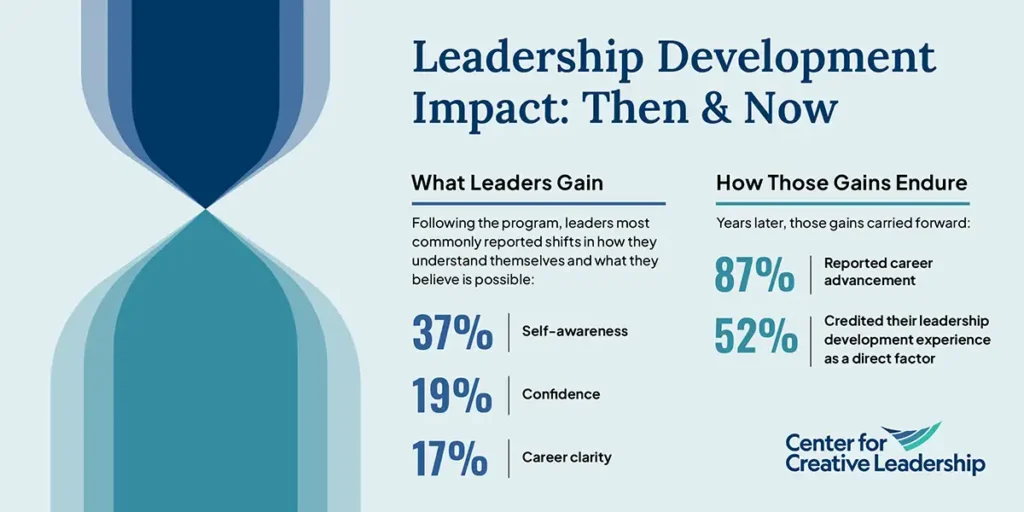
Within one comprehensive study involving 261 nonprofit leaders, the most frequently reported gains were enhanced self-awareness (37%), a bolstered sense of confidence (19%), and greater career clarity (17%). One participant shared her journey of learning to acknowledge and celebrate her accomplishments, rather than allowing feelings of inadequacy to overshadow them. Another leader, who initially described experiencing "massive imposter syndrome," emerged from the program with a clearer and more confident understanding of how to generate impactful change.
These profound internal shifts invariably translate into observable behavioral changes. A leader who previously hesitated to speak in meetings might find their voice, advocating for crucial initiatives. A program director, inspired by an expanded sense of possibility, might pursue larger grant opportunities or forge new, impactful partnerships. These individual transformations ripple outwards, influencing decision-making processes and enhancing an organization’s ability to adapt and thrive under pressure.

The Pillars of Enduring Impact: Three Elements of Effective Capacity-Building
The positive effects of leadership development are not ephemeral; they demonstrate remarkable durability over time. A follow-up survey conducted years after nonprofit leaders completed a program revealed that an impressive 87% reported career advancement, with more than half directly attributing this progress to their leadership development experience.
Our research has identified three consistent contributors to this enduring impact:
- Targeted Skill Development: This involves equipping leaders with specific, actionable skills directly relevant to their roles and the challenges they face. This could include strategic planning, financial management, stakeholder engagement, or advocacy techniques. The focus is on practical application and measurable improvement.
- Personalized Coaching and Mentorship: Beyond formal training, individualized support is crucial. Coaching provides a confidential space for leaders to explore challenges, refine strategies, and receive personalized guidance. Mentorship, often from experienced leaders in the field, offers invaluable insights and role modeling.
- Peer Learning and Network Building: Connecting leaders with their peers creates a powerful support system and fosters a sense of shared experience. These networks provide opportunities for mutual learning, problem-solving, and the exchange of best practices. They can also serve as vital sources of collaboration and inspiration.
When these three elements are integrated and robustly implemented, the positive impact of capacity-building efforts extends beyond the individual leader, permeating the entire organization and ultimately influencing the communities served. Conversely, when these components are lacking, progress can become stalled at the individual level, failing to translate into broader organizational or systemic change.
The Imperative for Investment: Leadership as a Cornerstone in Uncertain Times
The prevailing narrative often suggests that periods of resource constraint are precisely the moments to curtail investments in organizational capacity-building. However, a deeper analysis reveals that these are, in fact, the most compelling arguments for such investments.
During times of heightened uncertainty, organizations become even more reliant on the capabilities of their people. The capacity for effective leadership is not an innate quality that spontaneously emerges and sustains itself; it requires deliberate cultivation and consistent reinforcement. Leadership development programs are designed to build this capacity intentionally. The accumulated evidence from decades of work within the social sector unequivocally demonstrates that the return on these investments is tangible, enduring, and far-reaching.
Social sector organizations that choose to invest in their human capital during periods of change are not doing so out of an abundance of financial resources. Instead, they are acting on a profound understanding: their long-term ability to fulfill their mission is fundamentally dependent on individuals who are not only skilled but also empowered and supported to lead effectively as circumstances inevitably shift.
A Call to Action: Embracing Capacity-Building for Lasting Impact
The challenges confronting the social sector are multifaceted and persistent. Funding instability, evolving policy directives, and the ever-present need to adapt to new realities demand a proactive and strategic approach. While the instinct to prioritize direct service is understandable, it is crucial to recognize that a sustainable and impactful social sector is built upon the foundation of strong, adaptable leadership.
Investing in nonprofit capacity-building, with a particular emphasis on leadership development, is not a discretionary expense; it is a strategic imperative. It equips organizations with the resilience, foresight, and collaborative capacity to not only weather storms but to emerge stronger and more effective. The evidence is clear: organizations that nurture their leaders are better positioned to achieve their missions, drive meaningful change, and build more equitable and robust communities for the long term.
For foundations, philanthropic organizations, and social sector leaders seeking to amplify their impact, exploring robust capacity-building solutions is a critical next step. Partnering with organizations that specialize in developing lasting leadership within the nonprofit sector can unlock new levels of effectiveness and ensure that the vital work of social change continues, even in the most challenging of environments. The future of our communities depends on it.