The National Association of Probation Officers (Napo), representing probation officers and family court workers across the UK, has vehemently voiced its opposition to the government’s controversial plans for the early release of prisoners, a stance solidified as the union awaits the conclusive results of an indicative ballot on potential industrial action. This burgeoning dispute unfolds against a backdrop of critical prison overcrowding and severe strain on the probation service, raising profound questions about public safety and the integrity of the justice system.
The Government’s Response to the Prison Capacity Crisis
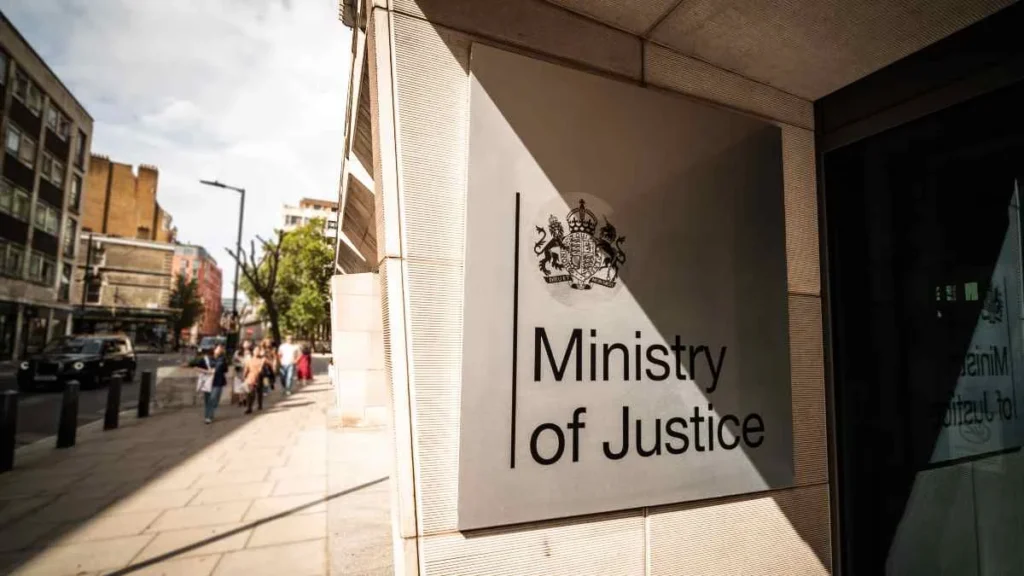
The imperative for the government to address the escalating prison population has reached a critical juncture. For years, the correctional system in England and Wales has teetering on the brink of capacity, a situation exacerbated by a confluence of factors including stricter sentencing guidelines, delays in court proceedings, and a persistent lack of investment in new prison infrastructure. Official figures from the Ministry of Justice (MoJ) at the beginning of August 2026 revealed that the prison population stood at 86,495, equating to 97% of usable capacity. Alarmingly, projections indicate that without significant intervention, the prison population is poised to exceed its operational capacity as early as November of this year, leading to potentially unmanageable conditions, increased security risks, and a compromised rehabilitative environment.
In response to this looming crisis, Prime Minister Andy Burnham announced a series of measures aimed at alleviating the pressure on the penal system, most notably a scheme for the early release of certain prisoners. This initiative, designed to free up crucial bed spaces, initially sparked widespread debate and concern among various stakeholders. However, last week, in a significant policy adjustment, Prime Minister Burnham confirmed that individuals sentenced for grave offenses such as rape, serious child sex offenses, and grooming would no longer be eligible for early release from October. This amendment sought to address some of the most vocal criticisms regarding the scheme’s potential impact on public confidence and victim reassurance. Justice Secretary Alex Norris subsequently outlined that approximately 5,000 additional releases are scheduled to occur in 10 phased batches commencing in October.
Victim Advocacy and Public Outcry
Despite these adjustments, the early release scheme continues to draw sharp criticism, particularly from victims’ families and advocacy groups. A poignant example of this widespread concern emerged from the mother of the late PC Andrew Harper, who was tragically killed in the line of duty in August 2019. She has publicly and heavily criticised the government’s decision, pointing out that under the revised criteria, the two men convicted of her son’s manslaughter would still remain eligible for early release. Her powerful statement underscores the deep emotional impact and sense of injustice felt by victims and their families when offenders, particularly those involved in serious crimes, are considered for reduced sentences. This sentiment is echoed by broader segments of the public who grapple with the balance between prison capacity management and the punitive aspects of justice, often prioritising public protection and the full execution of judicial sentences. The perception that serious offenders might serve less time than originally decreed can erode public trust in the justice system and ignite fears about community safety.
Napo’s Stance: Beyond Prison Walls, a Probation Crisis
While acknowledging the undeniable pressure on the prison system, Napo has unequivocally stated that the government’s early release plans, even with the recent modifications, "do not address the real issues of public protection and safe releases." The union argues that focusing solely on prison numbers overlooks a parallel, and arguably more critical, crisis unfolding within the probation service.
Ian Lawrence, Napo’s general secretary, articulated the union’s frustration with compelling clarity: "Everyone is talking about prisons, and yes it is bad, but the crisis in probation is far worse. But yet again, our members are being overlooked while all the attention is on prison. Without probation, none of this can happen, so the service needs to be front and centre to this discussion." His statement highlights a perceived systemic neglect of the probation sector, which plays an indispensable role in managing offenders in the community, thereby directly impacting public safety.
Napo has consistently campaigned on the issue of what it terms "excessive workloads" for probation officers, a situation it believes is pushing the service to breaking point and potentially compromising public safety. For over two years, the union claims, the Ministry of Justice has failed to adequately acknowledge or address this profound workload crisis. The prospect of releasing thousands of prisoners – including individuals convicted of domestic abuse and stalking offenses, who are often subject to complex and intensive supervision requirements – without a corresponding increase in probation resources, is viewed by Napo as a recipe for disaster. The union asserts that such a move could lead to a surge in harm, disproportionately affecting vulnerable individuals, particularly women, who are often the victims of these types of crimes.
The Strain on the Probation Service: A Deeper Look

Probation officers are frontline professionals tasked with the crucial responsibility of supervising offenders in the community, assessing risks, and facilitating rehabilitation. Their work is multifaceted, involving:
- Risk Assessment and Management: Identifying and mitigating the risk of re-offending.
- Supervision: Monitoring compliance with court orders and license conditions.
- Rehabilitation: Connecting offenders with education, employment, housing, and addiction support services.
- Victim Safeguarding: Working to protect potential victims.
- Report Writing: Preparing pre-sentence reports for courts and parole reports.
The challenges faced by the probation service are manifold. Decades of underfunding, structural reforms (including the controversial partial privatisation under the Transforming Rehabilitation programme, which was largely reversed), and a consistent increase in offender numbers have left the service severely stretched. Caseloads for probation officers have reportedly soared, making it increasingly difficult to provide the intensive, individualised support necessary to effectively manage complex cases and reduce re-offending. High staff turnover, recruitment difficulties, and the emotional toll of the work further compound these issues.
Napo’s concerns are rooted in the practical implications of releasing more prisoners into the community when the existing probation infrastructure is already struggling. An increase in the number of supervised individuals, particularly those with higher risk profiles, directly translates to increased pressure on an already overstretched workforce. This could mean less frequent contact, less thorough risk assessments, and reduced access to critical rehabilitative services, all of which elevate the risk of re-offending and, consequently, compromise public safety. The union argues that this approach is short-sighted, merely shifting the crisis from prisons to the community without resolving the underlying systemic issues.
The Road to Industrial Action
The gravity of the situation within the probation service is reflected in Napo’s decision to hold an indicative ballot on strike action. The ballot, which closed on August 10, 2026, was expected to yield a "strong response" in favour of industrial action, according to Napo officials. This follows a motion of no confidence passed by Napo members in HMPPS (His Majesty’s Prison and Probation Service) in June, signalling a profound dissatisfaction with the management’s perceived inability to address the crisis.
Industrial action by probation officers would represent an unprecedented escalation of the dispute and could have severe ramifications for the entire justice system. A strike would disrupt the supervision of offenders, delay court processes, and potentially leave gaps in public protection. Napo’s move is not taken lightly; it reflects a deep-seated belief among its members that all other avenues for addressing their concerns have been exhausted and that radical action is necessary to compel the government to act decisively.
Broader Implications and Systemic Reform
The current standoff between the government and Napo highlights a broader, entrenched crisis within the UK’s justice system. The issue of prison overcrowding is not merely a logistical problem but a symptom of deeper systemic challenges, including:
- Sentencing Policy: Successive governments have pursued increasingly punitive sentencing policies, leading to longer sentences and a growing prison population.
- Court Backlogs: Delays in the criminal justice system, exacerbated by the COVID-19 pandemic, have meant more defendants are held on remand, contributing to overcrowding.
- Rehabilitation Effectiveness: The efficacy of rehabilitation programmes, both within prisons and in the community, is a continuous point of debate, with re-offending rates remaining a significant concern.
- Funding and Resources: Chronic underfunding across the justice sector, including prisons, probation, and legal aid, has constrained the ability of these services to operate effectively.
Addressing these interconnected issues requires a holistic approach that extends beyond emergency measures like early release schemes. Experts in penal reform and criminology often advocate for a multifaceted strategy that includes:
- Investment in Diversion Programmes: Steering low-level offenders away from the criminal justice system where appropriate.
- Community Sentences: Expanding the use and effectiveness of robust community-based sentences as alternatives to incarceration.
- Reinvestment in Rehabilitation: Enhanced funding for programmes that address the root causes of offending, such as addiction, mental health issues, and lack of education/employment.
- Modernisation of Infrastructure: Strategic investment in building new, fit-for-purpose prison facilities and improving existing ones.
- Support for Justice Professionals: Ensuring adequate staffing, training, and support for probation officers, prison staff, and other justice personnel.
The current situation underscores the interconnectedness of the justice system. The challenges in prisons inevitably cascade into the probation service, and vice-versa. A stable and effective probation service is not just an ancillary component; it is fundamental to the safe and successful reintegration of offenders into society and, by extension, to maintaining public safety.
Looking Ahead
The coming weeks will be crucial. The outcome of Napo’s indicative ballot will determine the immediate trajectory of the dispute, potentially leading to formal strike action. Concurrently, the Ministry of Justice will proceed with its phased early release program, placing further demands on the already strained probation service. The public, victims’ groups, and justice professionals will be closely watching how these tensions unfold and whether the government will heed Napo’s urgent call for a comprehensive plan that addresses the systemic crisis in probation, rather than what is perceived as a "knee-jerk reaction" to prison population pressures. The long-term stability and effectiveness of the UK’s justice system hinge on finding sustainable solutions that balance the need for capacity management with the paramount responsibilities of public protection and the rehabilitation of offenders.