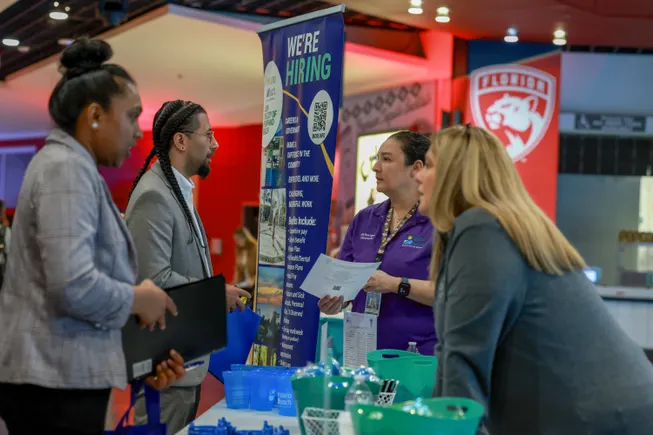
The modern workforce stands at a critical juncture, grappling with economic uncertainties, evolving employee expectations, and the pervasive challenge of talent retention. Recent insights from the SHRM Talent conference and an authoritative report from McLean & Co. highlight a pressing need for human resources professionals and organizational leaders to fundamentally rethink their approaches to recruitment, employee support, and career development. These discussions underscore a pivotal shift from traditional models to more empathetic, candidate-centric, and agency-driven strategies designed to navigate a complex and often stressful professional landscape.
The Dawn of Recruitment’s "Seduction Era": A Strategic Imperative
In an environment where job security concerns often outweigh the allure of new opportunities, workers are increasingly opting to "stay put" in their current roles. This trend, exacerbated by economic volatility and a desire for stability, necessitates a radical shift in how organizations attract and onboard talent. As articulated by a speaker on April 20 during the SHRM Talent conference, the traditional recruitment paradigm, focused on mere "attraction," must evolve into a more nuanced "seduction era." This concept implies a deeper, more personalized engagement with potential candidates, moving beyond superficial appeals to address their specific professional and personal pain points.
The SHRM Talent conference, a prominent annual gathering for human resources and talent acquisition professionals, serves as a vital platform for discussing emerging trends and best practices. Attendees typically include HR executives, recruiters, talent managers, and HR technology providers, all seeking to understand and adapt to the ever-changing dynamics of the labor market. The advice dispensed at this year’s conference reflects a growing recognition that generic job descriptions and standard benefit packages are no longer sufficient to entice top talent, especially when employees perceive a higher risk in making a career move.
During the session, panelists emphasized that recruiters must adopt a diagnostic approach, actively seeking to understand a candidate’s current professional frustrations, career stagnation, work-life balance issues, or even dissatisfaction with company culture. By identifying these "ailments," a new role can be positioned not just as a job, but as a potential "cure." This involves a thorough, empathetic discovery process, where recruiters listen more than they pitch, tailoring their value proposition to resonate directly with the individual’s specific needs and aspirations. For instance, a candidate struggling with a lack of growth opportunities might be swayed by a role offering clear progression pathways and robust development programs, even if the initial salary increase isn’t dramatic. Similarly, someone burned out by an intense work environment might prioritize flexibility and a supportive culture over a slightly higher compensation package.
This strategic pivot requires significant investment in recruiter training, moving them beyond transactional resume screening to becoming skilled consultants capable of building genuine rapport and trust. It also necessitates a deeper collaboration between HR and hiring managers to clearly articulate the unique value proposition of each role and the broader organizational culture. Companies that successfully embrace this "seduction era" are likely to see improved candidate engagement, higher acceptance rates, and ultimately, more committed and longer-tenured employees. Data from various industry reports consistently shows that a positive candidate experience, characterized by clear communication and a sense of being understood, significantly boosts a company’s employer brand and talent acquisition success. Organizations that fail to adapt risk being overlooked by a discerning workforce prioritizing stability and holistic well-being over superficial promises.
The Alarming Rise of Job-Related Stress: A Call for Holistic Well-being
The current professional landscape is not only challenging for recruiters but also for the existing workforce. A recent report from McLean & Co., a global HR research and advisory firm renowned for its data-driven insights into employee experience and organizational effectiveness, unveiled a concerning statistic: 40% of employees reported higher job-related stress this year compared to the previous year. This significant increase underscores a deepening crisis in employee well-being, even as overall engagement levels have remained largely stable. The report highlights a critical disconnect: while employees might still feel generally connected to their work, the underlying pressures are escalating, leading to adverse impacts on mental and physical health.
McLean & Co.’s findings indicate that while factors like team camaraderie or a sense of purpose might sustain engagement, fundamental elements crucial for long-term satisfaction and stress reduction are not keeping pace. Specifically, dissatisfaction with compensation and development opportunities were cited as significant contributors to this heightened stress. In an inflationary economic climate, stagnant wages can create considerable financial anxiety, directly impacting an employee’s perceived value and security. Similarly, a lack of clear career progression paths or access to upskilling opportunities can lead to feelings of stagnation and a fear of obsolescence, especially in rapidly evolving industries.
Beyond pay and development, other factors likely contribute to this pervasive stress. The lingering effects of the pandemic, which blurred the lines between work and personal life, have left many employees struggling with persistent overwork and burnout. The increased adoption of hybrid or remote work models, while offering flexibility, can also lead to feelings of isolation, communication breakdowns, and the constant pressure of being "always on." Moreover, geopolitical instability and broader economic uncertainties amplify anxieties, making employees more susceptible to workplace stressors.
The implications of such widespread stress are far-reaching. For individuals, chronic job-related stress can lead to serious health issues, including anxiety, depression, cardiovascular problems, and weakened immune systems. For organizations, the costs are substantial, manifesting in increased absenteeism, reduced productivity (presenteeism), higher turnover rates, and a decline in innovation and morale. Research consistently demonstrates a strong correlation between employee well-being and organizational performance, with companies prioritizing mental health support often outperforming their peers in terms of profitability and employee retention.
Addressing this crisis requires a multi-faceted approach. While competitive compensation remains a foundational element, organizations must move beyond purely financial incentives to foster a culture of holistic well-being. This includes investing in comprehensive mental health resources, promoting work-life integration through flexible policies, ensuring manageable workloads, and cultivating supportive leadership. Furthermore, transparent communication about company performance and future outlook can help alleviate uncertainty-driven stress. The 40% rise in job-related stress is a stark warning that merely maintaining engagement is insufficient; organizations must actively work to mitigate the underlying causes of employee distress to build a truly resilient and thriving workforce.
Embracing Career Agency: Empowering Workers for Future Readiness
Amidst the challenges of talent acquisition and rising workplace stress, a proactive strategy for employee development emerges as a crucial antidote: fostering "career agency." This concept, championed by Julie Giulioni, co-founder and principal of DesignArounds, a firm specializing in leadership and career development, was a key theme during her session at the SHRM Talent conference. Giulioni’s insights underscore the importance of empowering workers to take ownership of their professional journeys, embracing a degree of uncertainty to experiment with new skills and explore diverse development paths.
Career agency represents a shift from a purely employer-driven career trajectory to one where individuals are active architects of their own growth. In a rapidly changing economic and technological landscape, the traditional linear career path is increasingly obsolete. Instead, workers need to be adaptable, continuously learning, and proactive in identifying and pursuing opportunities that align with their evolving interests and the market’s demands. Giulioni emphasized that employers play a critical role in cultivating such a culture, not by dictating paths, but by enabling and encouraging self-direction.
To successfully foster career agency, Giulioni outlined three core pillars:
- Creating Awareness of Learning Opportunities: This involves making learning resources visible and accessible. Organizations should clearly communicate available training programs, mentorship opportunities, internal mobility options, and external educational support. Leveraging learning management systems (LMS) and internal communication platforms can help ensure employees are informed about the wealth of development tools at their disposal.
- Building Access to Those Opportunities: Awareness alone is not enough; employees need practical access. This means providing the time, budget, and support necessary for development activities. Companies might implement dedicated learning days, tuition reimbursement programs, or allow employees to dedicate a portion of their work week to skill development projects.
- Spurring Action Through Encouragement: Perhaps the most crucial step, this involves actively encouraging workers to experiment, take calculated risks, and step outside their comfort zones. Leaders must create a psychologically safe environment where failure is viewed as a learning opportunity rather than a punitive event. This requires a culture that celebrates curiosity, continuous improvement, and resilience.
Giulioni’s accompanying "Quote of the Week" encapsulates this dual responsibility: "Leaders need to be really candid with feedback about performance and skill gaps, and individuals need to be a lot more reflective in understanding their strengths, their opportunities." This statement highlights the symbiotic relationship between organizational support and individual initiative. Leaders must provide honest, constructive feedback that guides development, while employees must engage in self-reflection to identify areas for growth and take proactive steps. This candid dialogue fosters a culture of continuous learning and growth, essential for both individual and organizational agility.
The strategic implications of career agency are profound. For employees, it leads to increased job satisfaction, greater resilience, and enhanced long-term employability. For organizations, an empowered workforce that actively manages its own development is more adaptable to market changes, more innovative, and more likely to retain top talent. Investing in career agency also helps address the widening skills gap, as employees are encouraged to upskill and reskill proactively, ensuring the organization maintains a competitive edge. This approach shifts the burden of career development from being solely an HR function to a shared responsibility, fostering a dynamic and engaged workforce ready for the challenges of tomorrow.
Broader Impact and Implications for the Future of Work
The insights from the SHRM Talent conference and the McLean & Co. report collectively paint a vivid picture of a workforce in flux, demanding a more human-centric and adaptable approach from organizations. The "seduction era" of recruitment, the alarming rise in job-related stress, and the imperative to foster career agency are not isolated phenomena but interconnected facets of a evolving professional landscape.
The overarching implication is that traditional HR models, focused primarily on administrative tasks and reactive measures, are no longer sufficient. Organizations must transition to proactive, strategic HR functions that prioritize the holistic well-being and long-term development of their employees. This requires a fundamental shift in leadership mindset, moving towards empathetic, transparent, and empowering management styles.
For talent acquisition, the shift to "seduction" means deeper candidate profiling, personalized outreach, and an emphasis on aligning organizational culture with individual aspirations. It demands that recruiters become skilled storytellers and empathetic listeners, capable of articulating a company’s unique value proposition in a way that truly resonates. This proactive, relationship-based approach is crucial for attracting talent in a competitive market where candidates prioritize stability and authentic employer commitment.
Addressing the surge in job-related stress necessitates comprehensive well-being programs that go beyond superficial perks. These must include robust mental health support, flexible work arrangements, fair compensation practices, and clear pathways for professional growth. Organizations that genuinely invest in employee well-being will cultivate a more resilient, productive, and loyal workforce, mitigating the substantial costs associated with burnout and high turnover.
Finally, cultivating career agency is not merely a benefit for employees but a strategic imperative for organizational longevity. By empowering workers to own their development, companies can foster a culture of continuous learning, innovation, and adaptability. This proactive approach to skill development ensures that the workforce remains agile and equipped to meet future challenges, transforming employees from passive recipients of training into active architects of their own and the organization’s success.
In conclusion, the confluence of these trends signals a profound transformation in the world of work. Organizations that embrace these insights, prioritizing empathy in recruitment, holistic well-being for their employees, and empowering individuals with career agency, will be best positioned to thrive in an increasingly complex and human-centered future. The mandate for HR and leadership is clear: evolve or risk being left behind in the race for talent and sustained organizational health.