Today’s organizations are defined by complexity and interconnectedness, demanding a fundamental shift in leadership paradigms. Executives must evolve from traditional managers focused on protecting internal domains to agile leaders adept at spanning boundaries. This strategic capability is no longer a niche skill but a critical differentiator, providing a distinct advantage to individuals who can effectively collaborate with a diverse array of colleagues across differing positions, business functions, backgrounds, geographical locations, and experiences. The modern business landscape, characterized by rapid technological advancements, globalized markets, and evolving customer expectations, necessitates leaders who can seamlessly navigate and leverage a multifaceted network of internal and external relationships.
The Evolving Nature of Leadership in a Connected World
The contemporary organizational structure is increasingly fluid and interconnected. Gone are the days of rigidly defined hierarchies and isolated departmental functions. Instead, businesses are now complex ecosystems where information flows rapidly, and collaborative efforts often transcend traditional departmental or geographical lines. In this environment, a leader’s ability to manage internal operations is insufficient. True leadership excellence lies in the capacity to bridge divides, foster understanding, and drive collective action across these often-invisible, yet significant, organizational frontiers. This transition from territorial protection to boundary-spanning collaboration is paramount for organizational resilience and innovation.
Defining Boundary Spanning: More Than Just Collaboration
Boundary spanning is more than mere collaboration; it is a sophisticated capability that actively fosters synergy and establishes a unified sense of direction, alignment, and commitment across diverse segments. These segments can include disparate geographical locations, distinct cultural contexts, or varied levels within the organizational hierarchy, all united in pursuit of a shared, higher-level vision or objective.
Examples of this critical leadership function are multifaceted. They might involve a team lead diligently representing their team’s needs and achievements to senior stakeholders, a project manager orchestrating complex initiatives that involve multiple departments with competing priorities, or a researcher actively seeking specialized knowledge from external experts to inform internal strategy. The importance of this cross-boundary collaboration is universal, impacting leaders at all echelons, within all groups and teams, and across the entirety of large organizations and intricate systems. The ability to effectively connect these disparate elements is a hallmark of high-performing leadership in the 21st century.
The Tangible Benefits of Boundary Spanning for Leaders and Organizations
Leaders who excel at fostering collaboration across organizational boundaries gain a significant advantage when confronted with complex problem-solving, the development of innovative solutions, and the imperative to adapt and thrive in our inherently interdependent and intricate global environment. The benefits derived from this proactive approach are substantial and far-reaching.
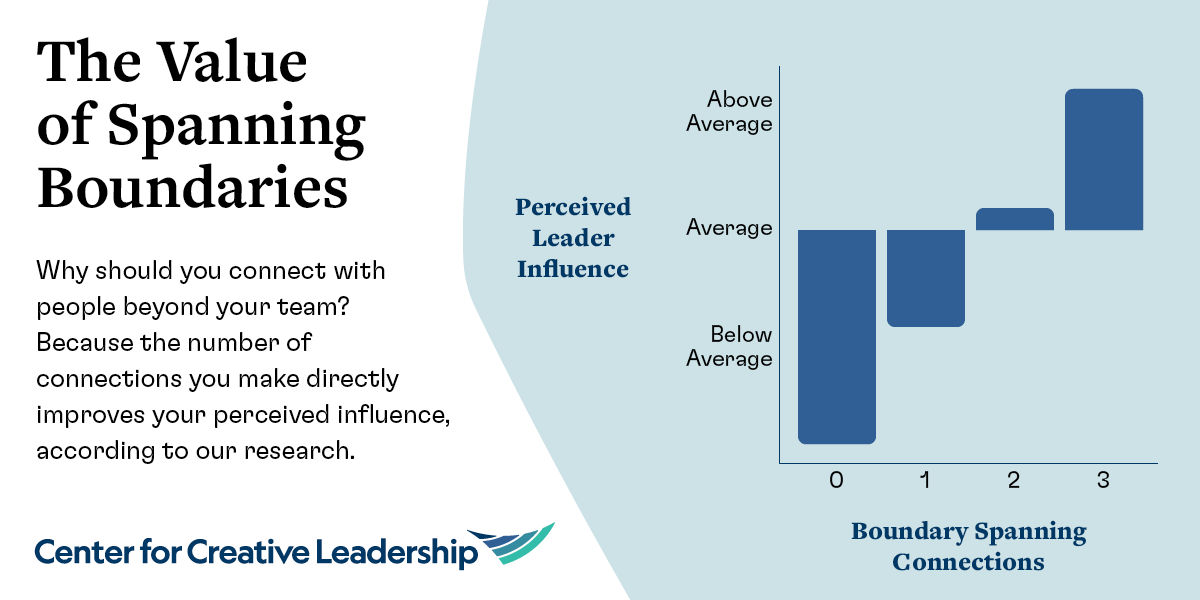
Research conducted by the Center for Creative Leadership (CCL) using its proprietary conversational analytics system offers compelling evidence of this. In simulations involving over 300 senior leaders across more than 50 teams, analysis of boundary-spanning interactions revealed a clear correlation. Individuals who consistently engaged in boundary-spanning activities were perceived as significantly more influential within their teams. Conversely, those who failed to establish these crucial connections demonstrated considerably less influence. This finding underscores the direct link between outward-facing collaborative efforts and an individual leader’s perceived effectiveness and impact.
Furthermore, extensive research into boundary-spanning leadership consistently indicates that senior executives themselves recognize its profound importance. Surveys involving over 125 senior executives revealed that a striking 86% deemed effective collaboration across boundaries as "extremely important" to their leadership roles. However, a stark reality emerged: only 7% of these same executives reported feeling "very effective" at spanning boundaries, highlighting a significant gap of 79%. This substantial discrepancy underscores that while the value of boundary spanning is widely acknowledged, the practical application and mastery of this skill remain a considerable developmental opportunity for many leaders. Addressing this gap is crucial for unlocking greater organizational potential and fostering more dynamic and responsive leadership.

Navigating the Complex Terrain: Challenges in Spanning Diverse Boundaries
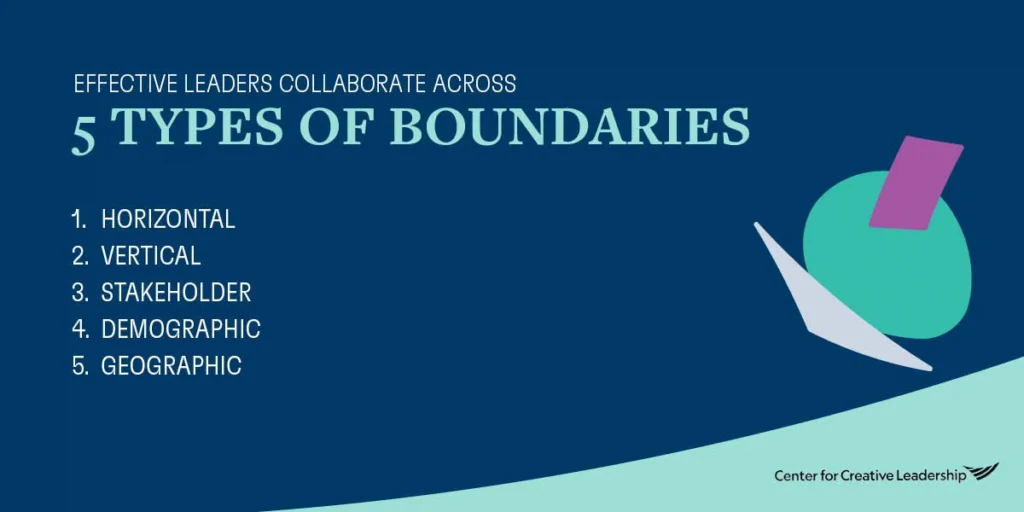
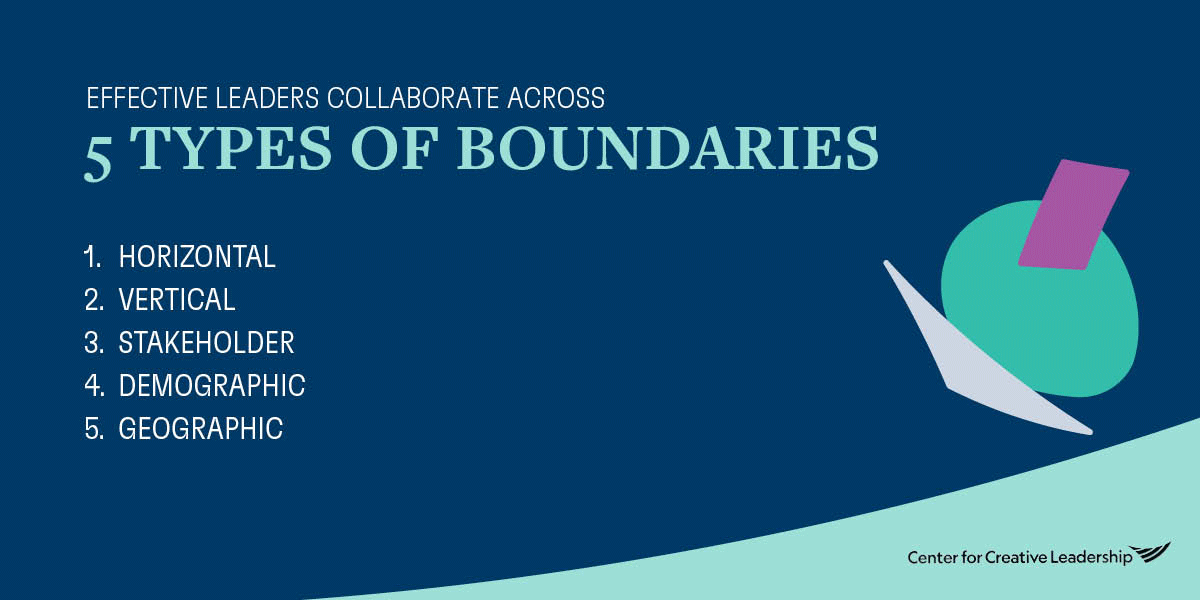
Our extensive research with leaders globally, as documented by CCL, identifies five distinct types of boundaries that leaders must adeptly navigate within organizational structures. Effectively spanning these boundaries is not merely about communication; it involves understanding the inherent challenges and developing tailored strategies for each.
Horizontal Boundaries: The Steepest Climb
Horizontal boundaries, which separate organizational groups based on specialized areas of experience and expertise, are often the most valuable for leaders to span but also present the greatest difficulty. The negative repercussions of unaddressed horizontal boundaries manifest when one function is unduly prioritized over others, when the work of one unit or product line inadvertently jeopardizes the viability of another, or when departments and functions operate at cross-purposes, hindering overall progress.
Our research with senior executives consistently highlights these horizontal boundaries as a significant concern, cited nearly three times more frequently (71%) than challenges related to other dimensions of boundary spanning. The facilitation of cross-functional collaboration emerges as one of the most pervasive issues leaders grapple with, directly illustrating the inherent difficulty in bridging these functional divides.
Preliminary findings from conversational data collected during simulations, such as the Looking Glass, Inc.® simulation employed in leadership development programs, shed light on why these horizontal connections are so elusive. This data suggests that maintaining horizontal connections is the least likely outcome during a simulation, especially when considering established roles and organizational structures. In simpler terms, individuals are more inclined to connect with senior leaders or their immediate team members than with their peers in different divisions.
Despite these challenges, the same data suggests that horizontal boundaries can serve as a primary conduit for novel information and innovative ideas entering a team. The unintended consequence of many organizations adopting matrixed and regional structures has inadvertently erected barriers between groups that desperately need to collaborate. Consequently, "silo-busting" has become a common imperative for managers and executives, and facilitating lateral, cross-functional collaboration is frequently the primary challenge clients bring to organizational leadership experts.
While our initial inclination when considering workplace collaboration is often to focus on our immediate network and the resources they can provide, boundary spanning also encompasses robust connections with external stakeholders across teams. Research on team effectiveness, involving over 400 leaders, found that 89% agreed that "effective boundary spanning emerges mainly due to strong team-to-team relationships." These crucial team-to-team relationships are, in large part, a product of effective boundary spanning. However, it is crucial to recognize that these externally focused efforts must be complemented by strong internal processes within a leader’s team. This includes clearly defining team priorities, establishing well-defined roles and responsibilities, and cultivating mutual trust in each other’s expertise. Without this foundational internal strength, external boundary-spanning leadership may not yield the anticipated benefits.
Vertical Boundaries: The Hierarchy of Influence
Vertical boundaries traverse levels of rank, seniority, authority, and power. The division of groups into distinct layers of the organizational hierarchy—top, middle, and entry-level—each with corresponding levels of authority, is a ubiquitous feature in virtually all organizations.

In contrast to horizontal boundaries, vertical boundaries were identified as the least frequently cited challenge or dimension of boundary spanning by executives in earlier research. This observation aligns with emerging findings from studies using simulations like the Looking Glass, where such connections tend to occur more frequently and are engaged in irrespective of an individual’s formal authority level within the organization. Although these boundaries are often spanned more readily and present fewer inherent challenges for senior leaders, careful attention and intentional effort are required to ensure that all employees feel comfortable voicing concerns and sharing information upward through the hierarchy.
The prevailing dynamic with vertical boundaries suggests that leaders and their team members can serve as a natural channel for issues to be raised, questions to be asked, and resources to be shared. However, the inherent risk is that if this becomes the sole boundary being spanned, an organization can quickly become "siloed," with expertise remaining confined within disparate pockets of the company, hindering broader organizational learning and innovation.
Stakeholder Boundaries: The External Ecosystem
Spanning boundaries with organizational stakeholders presents a complex and varied landscape. An organization interacts with a multitude of stakeholder groups, including clients and customers, shareholders, boards of directors, strategic partners and alliances, suppliers and vendors, advocacy groups, governmental and non-governmental agencies, and local, regional, national, and global communities. These groups are often vital to an organization’s success, yet leaders frequently possess little to no formal authority over their day-to-day actions. Indeed, recent research on leadership ratings has indicated that the perspectives of board members provide unique and valuable information in predicting the effectiveness of senior leaders. Navigating these diverse external relationships requires a nuanced understanding of differing interests and a strategic approach to engagement.
Implementing Boundary Spanning: A Practical Framework for Leaders
The most pressing business challenges of today are frequently found at the intersection of multiple organizational and external boundaries. Therefore, truly effective leadership necessitates the creation of clear direction, robust alignment, and unwavering commitment across these pivotal boundaries.
For many, leading outside their immediate organizational box, navigating diverse stakeholder interests, or extending beyond the confines of their designated division or group can be a demanding and sometimes taxing endeavor. The effort involved in fostering genuine collaboration across these divides can, at times, feel strenuous and draining.
Nevertheless, spanning boundaries is an achievable and essential leadership practice. Through extensive research and practical experience in cultivating more interdependent forms of leadership, it has become evident that leaders, groups, and organizations that effectively span boundaries consistently employ three universal strategies. These strategies involve:
- Managing Boundaries: Establishing clear protocols and understanding for interaction.
- Forging Common Ground: Building trust and fostering a shared investment in collective objectives.
- Discovering New Frontiers: Actively seeking out innovative solutions and opportunities through collaborative exploration.
Strategic Boundary Spanning: A Tactical Approach
As you endeavor to collaborate across boundaries with greater intentionality, it is crucial to identify the most effective tactics to deploy. This strategic approach ensures that efforts are focused, resources are utilized efficiently, and desired outcomes are achieved.
Identifying the Boundaries in Play
The first step in strategic boundary spanning is to critically assess the nature of the challenge at hand and identify which boundaries are most prevalent or pose the greatest difficulty. Ideally, this assessment should be a collaborative effort undertaken with your team. Questions to consider might include: "What are our ultimate objectives with these particular stakeholders?" and "Who within our team or network is best positioned to initiate this boundary-spanning effort?" By clearly defining the landscape of boundaries, leaders can begin to chart a course for effective engagement.
Selecting Tactics to Clarify Focus
Building upon the understanding of the boundaries in play, the next step is to select tactics that will help clarify focus and drive progress. The three universal boundary-spanning strategies—managing boundaries, forging common ground, and discovering new frontiers—provide a robust framework for this selection process. For each strategy, it is beneficial to consider its inherent strengths and limitations as observed in past boundary-spanning relationships. By assessing each strategy and identifying specific tactics, leaders can maximize their effectiveness.
It is often advisable to select one strategy and concentrate efforts there until tangible improvements are observed, before moving on to the next. The process typically begins with managing boundaries, which lays the essential groundwork for how individuals and groups will operate together. Without a secure foundation, any subsequent collaborative efforts are susceptible to compromise.
Tactics for Managing Boundaries:
- Clarify Roles and Responsibilities: Explicitly define who is responsible for what, ensuring accountability and preventing overlap or omission.
- Establish Communication Protocols: Determine how, when, and through which channels information will be shared, ensuring clarity and efficiency.
- Define Decision-Making Processes: Outline how decisions will be made, who has authority, and how consensus will be reached, mitigating potential conflicts.
- Set Expectations for Engagement: Clearly articulate the level of involvement and commitment required from each party, fostering mutual understanding.
- Develop Conflict Resolution Mechanisms: Establish predefined processes for addressing disagreements and resolving conflicts constructively, maintaining positive working relationships.
Once boundaries have been adequately identified and managed, the focus can shift to forging common ground. This strategy emphasizes the critical importance of building trust among individuals and cultivating a shared investment in the collective work.
Tactics for Forging Common Ground:
- Share Visions and Goals: Articulate a compelling shared vision and clearly communicate overarching goals to foster a sense of unity and purpose.
- Identify Mutual Interests: Actively seek out and highlight commonalities and shared benefits that align the interests of all parties involved.
- Build Relationships and Trust: Invest time in developing personal connections and fostering a climate of trust through open communication and reliable actions.
- Promote Empathy and Understanding: Encourage individuals to understand and appreciate diverse perspectives, fostering a more inclusive and collaborative environment.
- Celebrate Shared Successes: Acknowledge and celebrate collective achievements, reinforcing the value of collaboration and strengthening team cohesion.
Each of these tactics is designed to tap into the inherent power of networks and build upon existing successes. Emerging findings from simulation studies suggest that even modest gains—maintaining just one or two additional connections—can yield significant benefits over time. The sustained weaving of relationships enables the network to develop a deeper understanding of itself and its members, catalyzing transformative processes that better position the boundary-spanning network for future challenges and opportunities.
Finally, the strategy of discovering new frontiers focuses on proactive exploration and innovation.
Tactics for Discovering New Frontiers:
- Encourage Cross-Pollination of Ideas: Create opportunities for individuals from different backgrounds and disciplines to share insights and perspectives.
- Foster Experimentation and Learning: Create a safe environment for trying new approaches, learning from failures, and iterating on innovative ideas.
- Seek Diverse Input: Actively solicit ideas and feedback from a wide range of stakeholders, ensuring a broad spectrum of perspectives is considered.
- Explore Unconventional Solutions: Challenge assumptions and encourage the exploration of novel and potentially disruptive approaches to problem-solving.
- Anticipate Future Needs and Trends: Proactively identify emerging opportunities and challenges, enabling the organization to adapt and innovate ahead of the curve.
Concluding Thoughts on Collaboration Across Boundaries
The strategies and tactics outlined provide a practical roadmap for leaders to effectively implement boundary spanning in their daily work. The behaviors, skills, mindsets, and practices associated with spanning boundaries are best learned and applied within the context of everyday activities. Therefore, leaders are encouraged to draw upon these tactics during in-person or virtual meetings, off-site retreats, strategic planning sessions, and indeed, anytime boundaries emerge as a factor in their work.
Effective leaders consistently find ways to drive change, co-create innovative solutions, and contribute meaningfully to their organizations and communities by actively spanning boundaries on a daily basis. This continuous engagement with diverse perspectives and collaborative efforts is not just a leadership strategy; it is an essential component of sustained organizational success in an increasingly interconnected world.
Ready to Take the Next Step?
To further enhance leaders’ capabilities in spanning boundaries, consider a customized learning journey utilizing our research-based modules. Available leadership topics include Boundary Spanning Leadership, Collaboration & Teamwork, Leading Remote & Virtual Teams, Psychological Safety & Trust, and many more, all designed to equip leaders with the essential skills and mindsets for navigating the complexities of the modern workplace.