In an increasingly competitive global talent market, the traditional, staid job description is rapidly becoming a relic of the past. Modern talent acquisition demands innovation, with companies increasingly deploying creative strategies to capture the attention of prospective candidates and cultivate a compelling employer brand. From whimsical job titles to immersive virtual experiences, a new wave of recruitment marketing is proving that a well-crafted job posting can be a powerful differentiator in attracting top talent.
The landscape of talent acquisition has undergone a significant transformation, driven by factors such as the "Great Resignation," persistent skill shortages, and the rising expectations of a digitally native workforce. According to ManpowerGroup’s 2022 report, the global talent shortage reached a 16-year high, with 75% of employers struggling to find skilled workers. This environment necessitates a shift from passive candidate attraction to proactive, engaging outreach. Companies are realizing that their job postings are often the first, and sometimes only, impression a potential employee gets of their culture and values. Surveys by Glassdoor consistently show that company culture and values are among the top factors for job seekers, emphasizing the need for authentic and appealing communication from the outset.
A comprehensive review of leading companies reveals diverse and effective approaches to crafting compelling recruitment messages:
Bethesda Game Studios: Building Worlds, Not Just Careers
Bethesda Game Studios, the acclaimed developer behind iconic titles like Fallout, Starfield, and The Elder Scrolls, epitomizes aspirational recruitment. Their strategy centers on the evocative slogan, "Let’s Build Worlds." This single statement immediately resonates with creative talent, inviting them to contribute to a legacy of epic storytelling, legendary characters, and unforgettable digital landscapes. The message is powerfully reinforced with a visual montage of imagery from their most celebrated games, providing tangible evidence of the "worlds" candidates could help create. Bethesda’s approach demonstrates that sometimes, a provocative tagline coupled with visual proof of a legacy-building career is all it takes to engage dream hires. This strategy taps into the intrinsic motivation of creative professionals who seek purpose and impact beyond a mere job.
Bud Light: Tapping into Cultural Zeitgeist with a Chief Meme Officer
In August 2020, Bud Light Seltzer disrupted traditional marketing by seeking a "Chief Meme Officer." This punchy, culturally relevant job title, paired with the self-aware slogan "Great Seltzer. Bad Memes," immediately garnered widespread media attention and candidate interest. The role cleverly acknowledged and leveraged the power of internet culture, appealing directly to a demographic fluent in digital trends. This innovative approach highlighted Bud Light’s willingness to embrace contemporary communication styles, positioning them as a modern and dynamic brand. The sheer novelty and humor of the position ensured virality, demonstrating how a creative job title can transform a standard marketing role into a cultural phenomenon.
Fiverr: Defying the Generic with Humor and Aspiration
Fiverr, a platform for freelance services, took a meta-approach with their recruitment video, "Another Generic Recruitment Video." This humorous take on often-clichéd corporate recruitment videos poked fun at the industry’s norms while simultaneously showcasing Fiverr’s unique, irreverent culture. The video concluded with a powerful and challenging call-to-action: "If you’re good at what you do, you can work anywhere. If you’re the best at what you do, come work at Fiverr." This slogan directly appeals to top performers, creating a sense of exclusivity and high standards. By using humor and a direct challenge, Fiverr effectively sparked interest and attracted candidates who align with a high-performance, unconventional environment.
IBM: Visualizing Opportunity with Infographics
IBM leveraged Visme to create visually striking job postings for their talent acquisition and recruiting roles. These postings integrated colorful infographics with essential information on requirements, location, and company culture. In a visually saturated digital world, such infographics break through the clutter, presenting complex information in an easily digestible and attractive format. This method not only makes the job ad more engaging but also reflects IBM’s commitment to innovation and clarity, appealing to candidates who appreciate structured yet creative communication.
IKEA: Furnishing the Metaverse with Virtual Co-Workers
In a groundbreaking move, IKEA launched "The Co-Worker" campaign to recruit staff for its virtual store on the gaming platform Roblox. This initiative blurred the lines between the virtual and physical, offering a unique opportunity to engage with a community of over 70 million active users. The job ad featured a bright, optimistic color scheme, reflecting IKEA’s brand aesthetics, and cleverly incorporated their iconic employee ID. The campaign’s novelty and alignment with emerging digital trends drew over 170,000 applicants, highlighting the potential of recruiting in the metaverse and tapping into niche, digitally savvy talent pools. This case study underscores how embracing new platforms and creative concepts can yield extraordinary engagement.
Impossible Foods: A Mission-Driven Call to Action
Impossible Foods initiated a massive recruiting effort for "Impossible Investigators," utilizing catchy job titles and mission-driven slogans like "All Science, No Bull" and "Scientists. Step Up. Save Our Planet. Join Impossible." These headlines empower candidates by framing their work as a direct contribution to a larger, impactful mission. This approach resonates deeply with purpose-driven professionals who seek to make a tangible difference in the world. By linking career opportunities to a compelling environmental mission, Impossible Foods effectively attracts talent passionate about sustainability and scientific innovation.
LEGO: Building Joy, One Brick at a Time
LEGO’s recruitment campaign invited candidates to "imagine making work fun for everyone, building joy into children’s lives, and bringing smiles to the world." The ad transcended standard job requirements, focusing instead on cultural fit traits like "seriously having fun" and "caring enough to do the right thing." This approach appeals to candidates who seek a workplace that aligns with their values and offers a sense of purpose beyond tasks. By evoking a sense of childhood wonder and emphasizing positive impact, LEGO makes a powerful emotional connection, attracting individuals who wish to contribute to a brand synonymous with creativity and happiness.
Mailchimp: Pop Culture Reference for Event Success
Mailchimp utilized a Napoleon Dynamite-inspired job ad for a support team hiring event. This pop culture reference proved highly effective, with the number of attendees nearly doubling compared to previous events, according to LinkedIn’s blog. This success demonstrates that using creative images and headlines that candidates connect with through shared cultural references can significantly boost recruiting efforts and event attendance.
Marriott: The Allure of an "Office View"
Marriott’s Instagram job ad for hotel associates featured an appealing "office view" image and the engaging headline, "Warm, out-going, authentic, passionate, and inspiring? Raise your hand if that’s you." This simple yet effective approach leverages aspirational imagery and a direct, inviting question. It appeals to candidates who value a pleasant work environment and possess key hospitality traits, making the job seem not just a role, but a lifestyle.
Oscar Mayer: The Iconic Wienermobile Driver
Oscar Mayer’s evergreen "Wienermobile driver" position is a prime example of a job that leverages brand heritage and novelty. Their job ads, characterized by bright colors and simple, catchy callouts, make the role seem like an exciting adventure. This unique position, with its inherent fun and brand association, consistently attracts attention, demonstrating the power of a truly distinctive and memorable job.
Molly’s Rise and Shine: Unconventional Perks that Stand Out
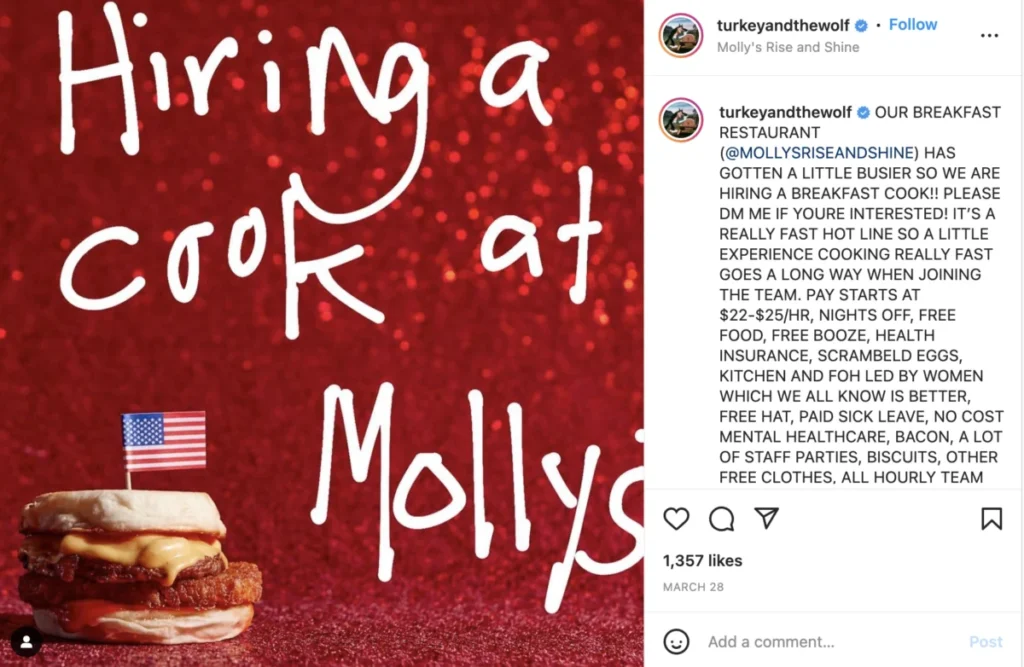
Molly’s Rise and Shine distinguished itself by listing "unusual perks" in its job postings. While the specific list was not provided in the original text, the very mention of "unusual perks" signals a unique and employee-centric culture. This strategy appeals to candidates looking for more than just standard benefits, suggesting a company that genuinely cares about its employees’ well-being and offers a non-traditional work experience.
Nike: Just Do It – A Call to Action for Energetic Talent
Nike’s job ad masterfully lives up to its iconic slogan, "Just Do It." It encourages candidates to move beyond dreaming and take action, conveying a compelling vision: "We’re energetic, you’re energetic, that’s all that matters, and we want you!" This message is designed to attract high-energy, performance-driven individuals who resonate with Nike’s brand ethos. It emphasizes shared values and a dynamic work environment, making a direct and powerful appeal to those ready to embrace challenges.
McDonald’s: The Universal Language of a Smile
McDonald’s Laredo hiring ad used a simple yet profound image: an employee’s genuine smile, subtly complemented by vibrant nail polish. The ad’s power lies in its unspoken message: "this could be you," a place offering enjoyable career opportunities without judgment. This human-centric approach suggests a welcoming and inclusive environment, leveraging emotional connection over explicit job details to attract a broad range of candidates.
Twitter (now X): The "Tweeter in Chief" Phenomenon
Several years ago, Twitter garnered significant press by creating the catchy job title "Tweeter in Chief." This playful yet descriptive title immediately communicated the role’s core function and the brand’s unique communication style. While the requirements were standard, the creative title ensured widespread attention, proving that a clever job title can be a powerful marketing tool in itself.
Wade & Wendy: Piquing Curiosity with AI Chatbot Copywriter
Wade & Wendy’s AI Chatbot Copywriter role gained recognition for its intriguing opening: "Are you ready for your mind to be blown?" This direct, provocative question immediately grabs attention, compelling candidates to read further. Such an approach is particularly effective for roles that require creativity and a curious mind, setting an expectation of intellectual challenge and innovation.
Waste Creative: Virtual Internships in Animal Crossing
During the COVID-19 lockdown, Waste Creative ingeniously invited potential internship candidates to their virtual office within Nintendo’s Animal Crossing game. Players who navigated to the virtual office found a "creative brief" that directly engaged them: "Hey villager! Congratulations on finding Waste’s Animal Crossing office… If you’re reading this brief, you’re definitely an Animal Crossing: New Horizons player, and probably a creative person who’s interested in working in marketing. Sound like you? Read on." This highly innovative and platform-specific approach demonstrated the company’s creativity and adaptability, attracting a niche audience of digitally savvy, creative individuals.
Apple: Witty Rivalry and Brand Loyalty
Apple’s job postings are often lauded for their clever copywriting and attention to detail. One notable example featured a witty dig at Microsoft, hinting that working at Apple would "open doors (not windows)." This playful yet confident jab not only showcased Apple’s brand personality but also resonated with loyal Apple users and those who appreciate smart, light-hearted humor. While calling out competitors is generally advised against, Apple demonstrated it can be done effectively when executed with wit and confidence, fostering brand loyalty among potential hires.
Dallas Restaurants and Bar: Relatable Humor and Accessibility
A job posting for a bartender at Dallas Restaurants and Bar effectively used humor that resonated directly with its target audience. The ad’s joke, likely understood by experienced bartenders, created an immediate connection and a sense of camaraderie. Crucially, the posting also prioritized candidate convenience by offering multiple application options: walk-in interviews, email applications, or phone calls. This combination of relatable humor and a flexible, candidate-friendly application process made the establishment appear welcoming and considerate of applicants’ time.
HireVue: Culture-First and Transparent Recruitment
HireVue’s job posting stood out by immediately focusing on its diverse people and vibrant culture. It painted a vivid picture of a fun, welcoming workforce, emphasizing the human aspect of their team. Furthermore, the posting transparently explained their hiring process in detail, infused with humor to maintain engagement. Concluding with a photograph of employees enjoying themselves in the office, HireVue reinforced the idea of a positive work environment. This approach attracts candidates who value individuality, well-being, and a clear understanding of the recruitment journey.
Microsoft: Problem Solvers Wanted – A Strategic Filter
Microsoft’s job posting for software developers strategically included "problem solvers" in its heading, directly calling out the type of talent it sought. This phrase acts as a magnet for individuals who pride themselves on tackling challenges. Additionally, the posting included a non-trivial math problem, serving as an initial verification layer. While not "rocket science," this small hurdle helped filter out less serious applicants, ensuring that only genuinely interested and capable candidates proceeded, demonstrating a pragmatic approach to talent screening.
Key Elements of Catchy Job Postings
Beyond these compelling examples, several foundational elements contribute to the effectiveness of catchy job postings:
-
Engaging Headlines: A compelling headline, whether a catchy slogan or a creative ad headline, is the first touchpoint. Instead of generic titles like "Software Developer Needed," phrases like "Join our team of innovators and change-makers" immediately signal a dynamic environment, attracting individuals who seek impact and intellectual stimulation.
-
Clear, Conversational Job Descriptions: While creativity is key, clarity remains paramount. Job descriptions must provide essential information about roles, responsibilities, and requirements in simple, jargon-free language. Highlighting core values and work culture within a conversational tone helps potential employees assess cultural fit, especially given that 82% of employees desire to be seen as individuals, not just workers.
-
Compelling Benefits and Employee Value Proposition (EVP): Attracting top talent requires showcasing what makes a role special. Beyond salary, benefits like work-life balance, professional development, and unique perks (like those at Molly’s Rise and Shine) must be prominently featured. Reports from Gartner suggest a strong EVP can reduce employee turnover by up to 69%, underscoring its importance.
-
Authentic Company Culture Showcase: Letting the company’s culture shine through job advertisements is crucial for building employer brand. Sharing insights into team dynamics, values, and community engagement helps attract candidates who align with the organization’s ethos.
-
Strategic Use of Multimedia: Incorporating short videos (e.g., office tours, employee testimonials) or engaging images significantly enhances job postings. A LinkedIn study indicated that job posts with images receive 2.5 times more views, adding a personal touch and giving applicants a feel for the workplace.
-
Clear Calls-to-Action (CTAs): Every effective job description needs a straightforward CTA. Guiding candidates clearly on the next steps—whether applying on the company website or submitting a resume via email—streamlines the application process and improves conversion rates.
-
SEO Optimization: To ensure job openings reach the right audience, optimizing for search engines is critical. Including relevant keywords (e.g., "top talent," "job opportunity") helps postings appear on online job boards and social media platforms where candidates actively search.
-
Leveraging Color Theory: Color is a powerful psychological tool in marketing. Catchy job postings often utilize color theory to create visually appealing layouts that influence mood and draw attention, such as Nike’s energetic red or LEGO’s vibrant primary colors. Effective communication often extends beyond words, into the realm of visual aesthetics.
-
Interactive Elements: Adding interactive elements, such as QR codes, invites candidates to actively engage with the content, transforming passive viewing into active participation. These can be strategically placed within the design to encourage further exploration.
-
Polished Hooks and CTAs: The initial "hook" must capture attention within seconds, eschewing lengthy corporate narratives for compelling mission statements. Similarly, CTAs should be conversational and engaging, highlighting a candidate’s potential involvement and contribution to the role.
-
Creative "Scorecards" over Rigid Requirements: Moving away from arbitrary "X years of experience" requirements towards skill-based or outcome-oriented "scorecards" is crucial. Such traditional requirements often deter qualified candidates, particularly women, who tend to apply only if they meet 100% of criteria. Instead, framing requirements like "seeking an HTML expert who can generate art that speaks to the soul of our visual-obsessed audience" sounds purposeful and inclusive, attracting a broader and more diverse talent pool.
-
Multi-Channel Distribution: A strong social media recruitment strategy is vital. Sharing job opportunities across various social media platforms and online job boards ensures wider reach and engagement, especially among younger demographics. According to a 2023 Deloitte report, 70% of Gen Z candidates are attracted to companies with a strong social media presence.
Broader Implications and Future Trends
The shift towards creative job postings has profound implications for employer branding and talent acquisition strategy. These engaging ads not only attract top talent but also reinforce a company’s identity and values in the public sphere. Critically, the language used in these postings directly influences applicant perception and willingness to apply. Research by Ongig, the source of this analysis, indicates that by using their Text Analyzer to remove gender-coded and exclusionary words, customers can increase applications by up to 29% and reduce cost per application by up to 41%. This highlights the dual benefit of creativity and inclusivity in recruitment.
As technology continues to evolve, recruitment will likely see further advancements in AI-driven personalized candidate experiences and new immersive platforms. The emphasis on the candidate experience, authenticity, and demonstrating real value will only grow. Ultimately, companies that master the art of crafting catchy, inclusive, and informative job postings will be best positioned to win the ongoing war for talent, ensuring they attract not just applicants, but the right individuals who will drive future innovation and success.