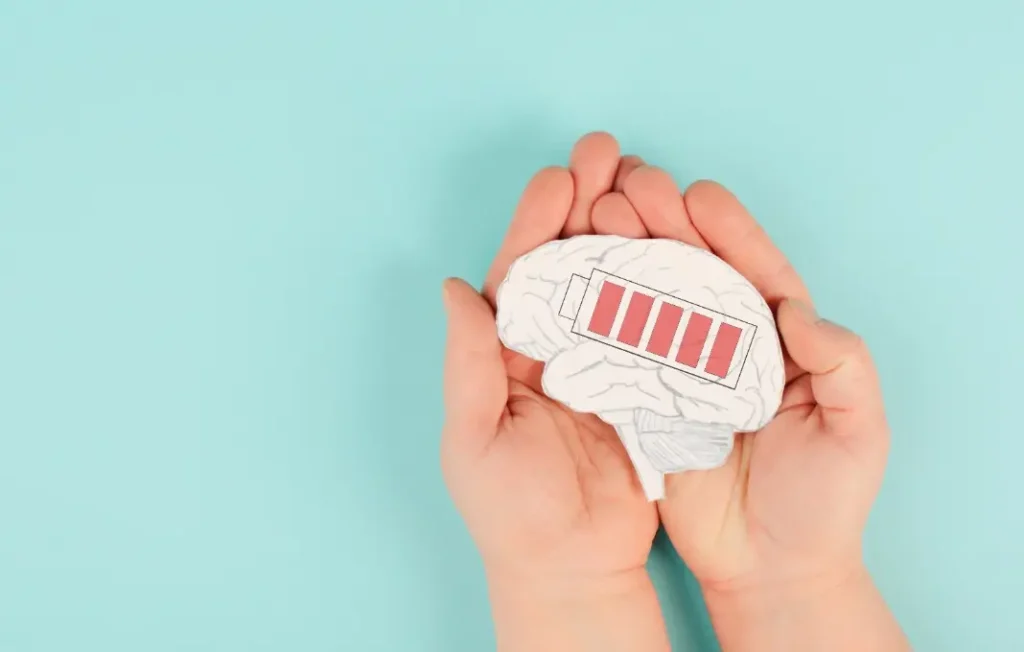
The human brain, a marvel of biological engineering, is designed for adaptability. While the natural process of aging brings about a gradual decline in neuron count and consequently, cognitive function, it is not an inevitable descent into mental incapacitation. Emerging research and the insights of neurological experts highlight a crucial concept: cognitive reserve. This inherent capacity of the brain to maintain its thinking and memory functions, even in the face of age-related changes or disease pathology, offers a powerful buffer against cognitive decline. Understanding and actively cultivating cognitive reserve can significantly impact an individual’s quality of life as they age, offering hope for sustained mental sharpness and resilience.
Understanding Cognitive Reserve: A Buffer Against Decline
Imagine two individuals of the same age, both diagnosed with Alzheimer’s disease, exhibiting similar levels of pathological changes in their brains, such as the accumulation of amyloid and tau proteins. Yet, one person may demonstrate minimal outward signs of cognitive impairment, continuing to engage in daily activities with relative ease, while the other struggles with memory lapses, word-finding difficulties, and challenges in completing familiar tasks. This stark difference in lived experience, despite similar underlying biological conditions, can be attributed to cognitive reserve, as explained by Dr. Jonathan Graff-Radford, a neurologist and Alzheimer’s specialist at Mayo Clinic in Jacksonville, Florida.
Cognitive reserve is not about preventing the physical manifestations of brain aging or disease, but rather about the brain’s remarkable ability to compensate. "I describe cognitive reserve as the ability to perform better than expected, despite the presence of brain changes or damage," Dr. Graff-Radford states. The brain comprises billions of neurons, intricate nerve cells that form a complex network of electrical circuits, enabling communication and the processing of information. These neural connections are the foundation of our ability to think, feel, remember, learn, and perform a vast array of cognitive functions.
Dementia, a syndrome encompassing a range of symptoms affecting memory, thinking, mood, and behavior, is most commonly caused by Alzheimer’s disease. This neurodegenerative disorder is characterized by the buildup of specific proteins, amyloid and tau, which damage neurons and their connecting fibers, leading to progressive cognitive impairment. Even in the absence of dementia, the natural aging process involves a gradual reduction in neuron numbers. After the age of 60, the brain typically begins to shrink at an accelerated rate. These physiological changes can impact various cognitive abilities, including memory, processing speed, decision-making, and learning, potentially leading to a perceived decrease in mental acuity.
Cognitive reserve acts as a protective mechanism by allowing the brain to utilize its existing neural networks more efficiently or to recruit alternative pathways to accomplish tasks. Essentially, it enhances the brain’s adaptability, helping to preserve mental sharpness and functional independence.
It is important to distinguish cognitive reserve from a related concept, cognitive resistance. While cognitive resistance refers to the brain’s ability to avoid or delay the onset of age- or disease-related changes, cognitive reserve focuses on the brain’s capacity to maintain function despite the presence of these changes.
Cognitive Reserve and Dementia: A Complex Relationship
While cognitive reserve does not prevent the pathological changes associated with dementia, it plays a significant role in delaying the manifestation of cognitive symptoms. Individuals with higher cognitive reserve may maintain cognitive function for longer periods, even when their brains are experiencing significant damage. However, Dr. Graff-Radford cautions that cognitive reserve has its limits. "There is a point where people can accumulate so much damage that they start manifesting their disease despite having a high degree of cognitive reserve," he explains. This underscores the importance of addressing underlying health conditions and promoting overall brain health, even for those who have cultivated a strong cognitive reserve.
Building a Resilient Brain: Strategies for Cultivating Cognitive Reserve
The good news is that cognitive reserve is not fixed; it can be built and strengthened throughout life. Research consistently links higher cognitive reserve to a variety of intellectually stimulating activities and lifelong learning. Education, in particular, has been identified as a significant factor influencing cognitive reserve in later life. "Research suggests that cognitive reserve develops across the lifespan, and it’s influenced by experiences, environmental and genetic factors," notes Dr. Graff-Radford. "Education is an early life experience that’s associated with cognitive reserve later on in life."
The concept of building cognitive reserve is not limited to one’s younger years. Even in middle age and beyond, there is compelling evidence that individuals can enhance their cognitive performance and bolster their reserve. A large-scale cohort study involving over 10,000 adults aged 70 and older revealed that consistent engagement in activities such as attending classes, writing, playing cards, and completing crossword puzzles was associated with a reduced risk of dementia over a decade.
Beyond formal learning and mentally demanding tasks, a holistic approach to brain health is crucial. Lifestyle modifications, both significant and subtle, can contribute to a protected brain. These include:
- Prioritizing Sleep: Good sleep hygiene is fundamental for cognitive function and brain repair. Chronic sleep deprivation can impair memory consolidation and increase the risk of cognitive decline.
- Regular Physical Activity: Exercise has been repeatedly shown to improve blood flow to the brain, promote the growth of new neurons, and enhance cognitive function. Aerobic exercises, in particular, are beneficial.
- Managing Chronic Health Conditions: Proactive management of conditions like diabetes, cardiovascular disease, anxiety, and depression is essential. These conditions can negatively impact brain health and accelerate cognitive decline.
- Nurturing Social Connections: Social isolation and loneliness have been linked to an increased risk of cognitive decline. Maintaining meaningful social relationships, whether through regular calls with family, joining social clubs, or engaging with neighbors, provides mental stimulation and emotional support.
Furthermore, maintaining optimal sensory function is surprisingly linked to brain health. Annual vision and hearing exams are recommended. Untreated hearing loss and vision impairment are associated with a higher risk of dementia. Research even suggests that treating hearing loss with hearing aids may be linked to a reduced risk of cognitive decline and dementia, highlighting the interconnectedness of sensory input and cognitive processing.
Integrating Cognitive Reserve into Daily Life: A Lifelong Pursuit
While the market may offer numerous "brain training" apps and memory enhancement programs, there is no single magic bullet for boosting cognitive reserve. Instead, it is the consistent integration of challenging and engaging habits into one’s daily routine that yields the most significant benefits. The key lies in finding activities that are not only mentally stimulating but also personally enjoyable, as this fosters sustained engagement.
"You don’t have to do every activity on the list," Dr. Graff-Radford advises. "Try to emphasize the activities you find enjoyable, and incorporate them into your daily routine." This personalized approach ensures that brain-boosting habits become sustainable lifestyle choices rather than burdensome obligations.
Examples of enjoyable activities that can contribute to cognitive reserve include:
- Reading for Pleasure: Regularly visiting the library to discover new books or delving into challenging literature.
- Engaging in Games: Organizing card game nights with friends or exploring strategy-based board games.
- Creative Pursuits: Taking art classes, learning to play a musical instrument, or exploring photography.
- Learning a New Skill: Acquiring proficiency in a new language, mastering a new craft, or delving into a historical period.
- Physical and Social Activities: Participating in sports like pickleball, joining a dance class, or engaging in community gardening projects that combine physical activity with social interaction.
It is crucial to remember that cognitive reserve is not solely an intellectual endeavor. Meaningful social connections and regular physical activity play equally vital roles in maintaining cognitive sharpness and protecting overall brain health. The synergistic effect of challenging the brain, fostering social engagement, and promoting physical well-being creates a robust foundation for lifelong cognitive resilience.
When to Seek Professional Guidance
While proactive measures to build cognitive reserve are highly beneficial, individuals experiencing concerns about their memory or cognitive function should not hesitate to consult a healthcare professional. Prompt evaluation by a doctor can help assess the situation, identify any underlying causes for cognitive changes, and recommend appropriate interventions. Early detection and management are critical for optimizing outcomes and maintaining the highest possible quality of life. The journey of building cognitive reserve is a testament to the brain’s enduring capacity for adaptation and growth, offering a powerful pathway to a sharper, more resilient mind throughout the lifespan.