The art of orchestrating a successful workplace event extends far beyond mere attendance figures. It demands a profound understanding of audience engagement, a factor that has historically proven more elusive than filling a room. The inaugural stages of many promising events often teeter precariously between triumph and tribulation, a reality starkly illustrated by the experiences of seasoned event organizers and the nascent journey of a new initiative in the North East of England.
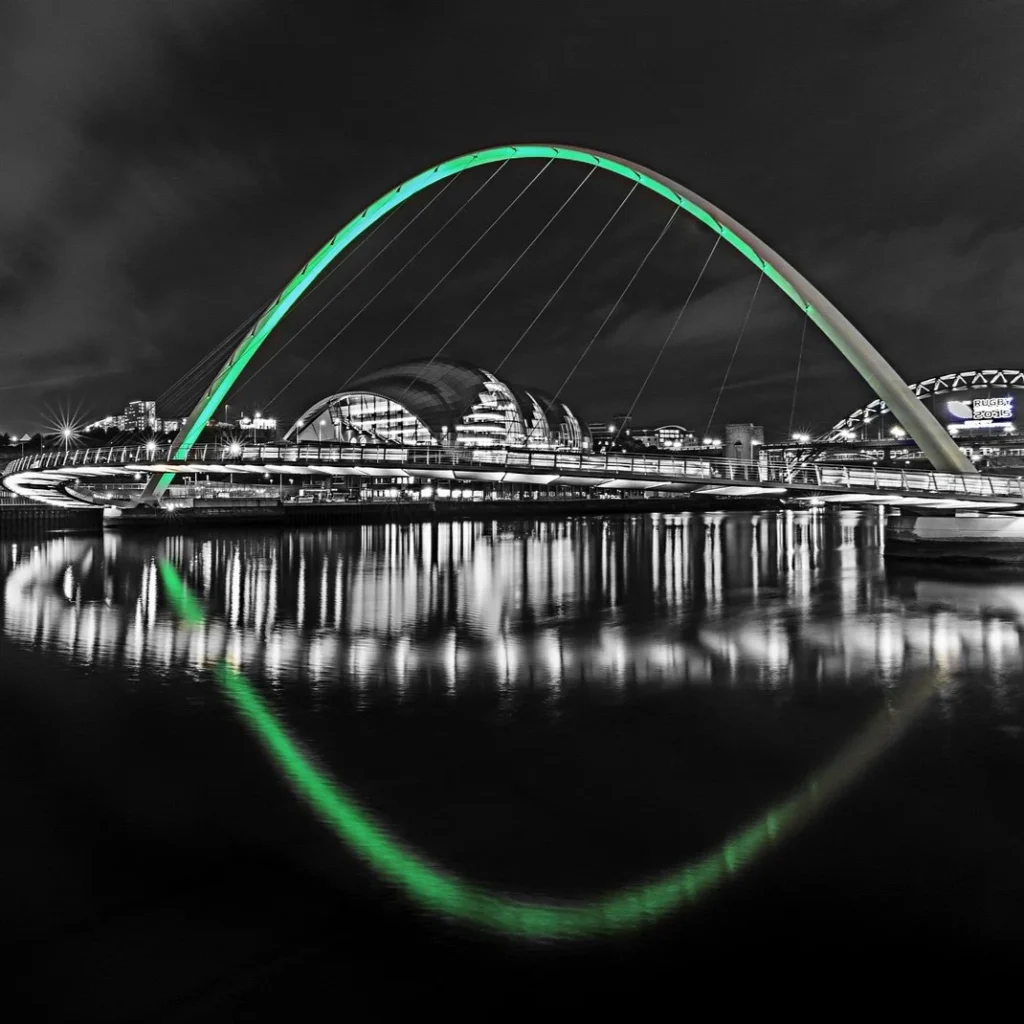
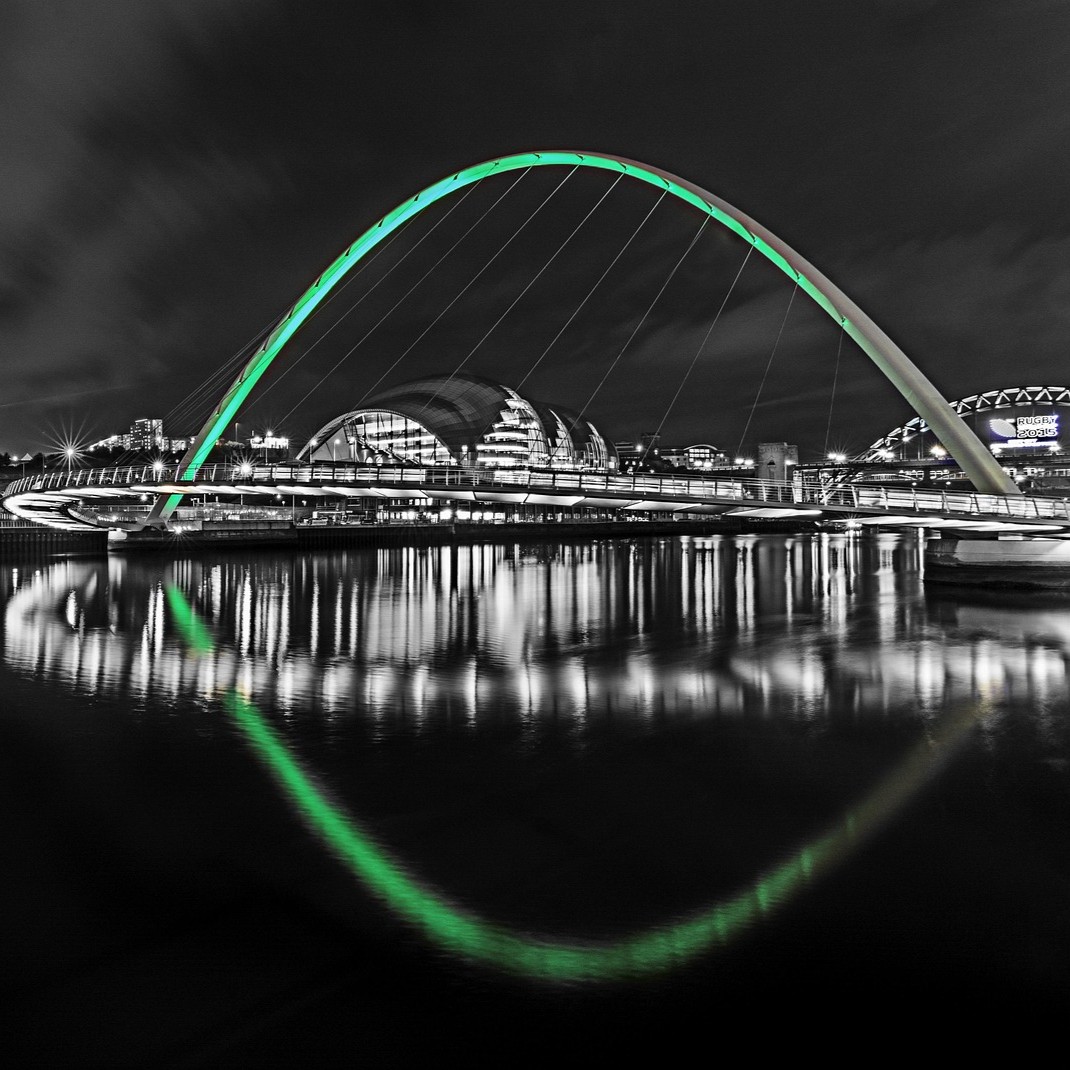
Herb Kim, a veteran of the conference circuit, has been the driving force behind the Thinking Digital conference, held annually at The Glasshouse in Gateshead since 2008. His event is so highly regarded that Terry McStea, a keen observer of the North East’s event landscape, unhesitatingly names it as one of the two "genuinely unmissable" gatherings in the region. McStea’s assessment underscores the significant void its cancellation would create: "If, for whatever reason, Thinking Digital was cancelled, it would leave a huge hole." However, Kim’s recollection of the conference’s genesis offers a more sobering perspective. "The first year was probably on the knife edge between disaster and success," he admits with a chuckle, adding, "Year one… it was badly undersold." This candid reflection on the initial struggles to attract attendees, even with complimentary provisions and notable speakers, directly inspired the title of the second episode of "Work in Motion," a documentary podcast. Kim’s observation resonates universally: "Even if your event is free and you have catering and you have, I don’t know, some big name coming, they’ll often still struggle to not even get the place full, but to get the place not embarrassingly empty."
The phrase "not embarrassingly empty" serves as a stark, albeit honest, indictment of the challenges faced by event organizers, particularly outside the high-density hubs of major metropolitan areas. This sentiment is central to "Work in Motion," a six-part documentary podcast commissioned by the Gateshead-based workspace business, Workpattern. Penned and presented by Ian Ellison, the series chronicles the unfolding narrative of "Work Beyond Walls," a novel two-day event scheduled for September 9th and 10th at Newcastle’s Boiler Shop. Unlike traditional post-event analyses, "Work in Motion" captures the event’s development in real-time. As of the recording of the second episode, with only five weeks remaining until the event, registrations stood at a mere 51 against founder Paul Glaister’s ambitious target of 500 attendees.
Kim’s assertion highlights a critical distinction: the challenge is not solely quantitative. He contrasts the North East with the capital: "Down in London, because of the density, just the sheer density of people, that you can have some fairly mediocre events in terms of content, but they still get the footfall." In contrast, he notes that two hundred and fifty miles to the north, "the content does need to be good in order to give people a reason" to make the journey. While a smaller potential audience is an obvious hurdle, the more significant challenge lies in the elevated expectation for content quality. This places immense pressure on the presenters and the overall programming.
Curating Content: The Drive for Depth and Authenticity
The prevailing wisdom among seasoned event curators suggests a shift away from purely promotional presentations towards more insightful and narrative-driven content. Katie Richardson, who has curated the official talks programme at Clerkenwell Design Week for seven years, acknowledges the enduring appeal of recognizable names. However, her focus is not on product showcases. "I don’t want to get someone to stand up and say, here is my chair, this is how I made the chair," she explains. "I’d rather hear the backstory of a designer." This preference for personal narratives and the creative process underscores a broader trend towards authenticity. Richardson elaborates that by selecting the right individuals and themes, such as sustainability, the content naturally addresses current industry concerns. "If you bring in a new designer, they’re gonna talk to you about how they’re weaving that into their work or developing their business."
Kim’s own experience with "Thinking Digital" supports this evolution. He initially funded keynote speakers in the conference’s early years but found that, despite positive feedback, "they didn’t make the event." Furthermore, relying on high-profile figures can create unsustainable expectations for emerging events. Kim cautions, "If you can get a big name, make sure they can actually deliver the goods." This advice emphasizes the importance of aligning speaker capabilities with the event’s overall scope and audience expectations.
Darren Richardson, the creative director of the agency responsible for coining the name "Work Beyond Walls," offers a third perspective: the power of the unexpected. He cites the example of graphic designer turned public artist Morag Myerscough, whose inclusion might initially prompt the question, "Why is Morag there?" Richardson explains that the aim is to "find the right people who’ve got interesting perspectives that can elevate it out of a simple expo that has a bit of furniture stuck in a room, that takes it to something that has an opinion on the world." This approach suggests that compelling events can transcend a narrow focus and offer broader commentary and inspiration.
The Structural Paradox: Brands Secured, Visitors Elusive
Underpinning these content strategies is a fundamental structural challenge identified by Richardson: "It’s a bit of a closed loop, isn’t it? You have to show the brands that you’re gonna get your visitors." This creates a classic chicken-and-egg scenario, where securing exhibitor commitments often hinges on demonstrating a substantial audience, which in turn requires appealing content and marketing to attract that audience.
Intriguingly, "Work Beyond Walls" appears to have inverted this conventional paradigm. Paul Glaister has reportedly secured over 23 brand partners committed to the event before any significant public registrations have materialized. This suggests that the "brand half" of the equation, which typically takes years to cultivate, is largely established. However, the seemingly more straightforward aspect – persuading individuals to attend a free event within their own region – remains the primary bottleneck, with registrations stalled at 51.
Case Studies in Success: Building Momentum from the Ground Up
The winnability of the visitor engagement challenge, even at a smaller scale, is evidenced by initiatives like ClerkenWales. Dave James, whose studio Blokka founded the event four years ago in a converted chapel in Cardiff, has seen it grow from supporting six or seven manufacturers to 23, with a waiting list for exhibitors. Crucially, the event has generated orders for its participants, demonstrating its tangible value. Yet, James recalls an early, stinging lesson from an exhibitor: "If you want 20 people to show up, you need to sell about 40 to 60 tickets." This highlights the persistent need to over-promote to achieve target attendance, a common reality in event marketing.
The unifying aspiration for events in Clerkenwell, Cardiff, and hopefully "Work Beyond Walls in Newcastle" is to create a "sticky" environment. This refers to a space that encourages attendees to not just pass through but to linger, engage, and potentially even work from. Will Easton, the very first individual to register for "Work Beyond Walls" upon hearing about it, offers a clear benchmark for its success. "Walking in on 9 September, if it feels like I am going into an immersive exhibition at a gallery or a museum, then within seconds I’ll know it’s worked," he states. Conversely, he identifies failure by the presence of "a name badge on somebody’s branded polo shirt," suggesting an overly commercial or transactional atmosphere.
The Unrelenting Push: Sustained Promotion as a Key Strategy
With the event date drawing nearer, Terry McStea offers practical, albeit unglamorous, advice to Paul Glaister that is likely critical for success: "To not stop promoting it right until the day before. Don’t let up." His emphasis on sustained marketing efforts is rooted in the belief that relentless promotion can create a compelling narrative. "For him, it’s about making it look so incredible that they’d be crazy to miss out." This strategy aims to build anticipation and a sense of FOMO (fear of missing out), compelling potential attendees to reconsider and register.
The ongoing narrative of "Work Beyond Walls" and its ability to overcome these engagement hurdles will be further explored in the upcoming episodes of "Work in Motion." The success of such events ultimately hinges on a delicate balance: attracting reputable brands through demonstrated value and, simultaneously, crafting an experience so compelling that potential attendees feel compelled to participate, transforming an empty space into a vibrant hub of activity and ideas.
Background and Timeline
2008: Herb Kim launches the Thinking Digital conference in Gateshead, establishing a benchmark for impactful regional events.
Early Years of Thinking Digital: Kim experiences initial struggles with underselling and low attendance, highlighting the challenges of building an audience for a new event.
Recent Past: Workpattern, a workspace business, commissions "Work in Motion," a documentary podcast series focusing on the creation of a new event, "Work Beyond Walls."
Present (Five Weeks Before Event): Registrations for "Work Beyond Walls" stand at 51, significantly below the target of 500. Over 23 brand partners are already committed.
September 9th-10th: "Work Beyond Walls" is scheduled to take place at The Boiler Shop in Newcastle.
Ongoing: The "Work in Motion" podcast series continues to document the journey, with episode two, "Not Embarrassingly Empty," exploring the challenges of audience engagement.
Broader Implications for the Events Industry
The struggles faced by "Work Beyond Walls" are emblematic of a wider trend within the events industry, particularly for regional gatherings. While major cities benefit from inherent footfall and a dense professional population, events in smaller markets face the dual challenge of attracting a sufficient audience and justifying the journey with exceptional content.
The emphasis on "sticky" environments and immersive experiences reflects a growing understanding that attendees are not just seeking information but also connection, inspiration, and a memorable experience. The success of Clerkenwell Design Week and ClerkenWales suggests that a focus on community building, authentic storytelling, and tangible outcomes can foster loyalty and sustained growth.
For event organizers, the case of "Work Beyond Walls" underscores the critical importance of a dual strategy: securing industry backing through robust brand partnerships, while simultaneously investing heavily in creative marketing and content curation to build genuine audience demand. The ongoing promotion, even to the eve of the event, as advised by McStea, is a testament to the fact that in the competitive landscape of events, sustained visibility and perceived value are paramount. The ultimate success of "Work Beyond Walls" will serve as a valuable case study, offering insights into how to navigate these complex dynamics and create truly unmissable gatherings.