The intricate dynamics of organizational success and societal progress often hinge on a nuanced understanding of leadership. While the terms "management" and "leadership" are frequently used interchangeably in everyday discourse, a deeper examination reveals distinct yet complementary functions. Management focuses on the operational intricacies of planning, organizing, and executing tasks to achieve efficiency and meet objectives. Leadership, conversely, transcends these operational aspects to inspire, influence, and galvanize individuals towards a shared vision and collective growth. Recognizing these differences is not merely an academic exercise; it is foundational to fostering environments where individuals and organizations can truly thrive.
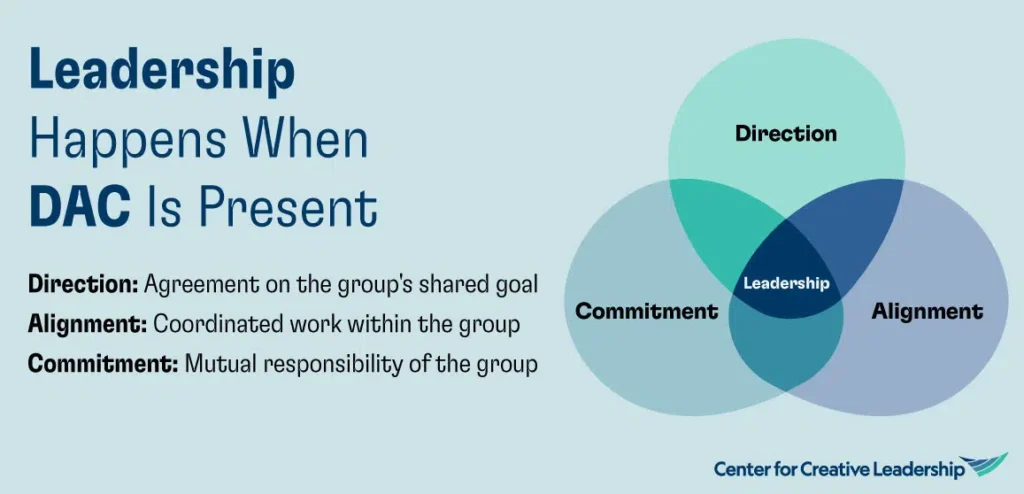
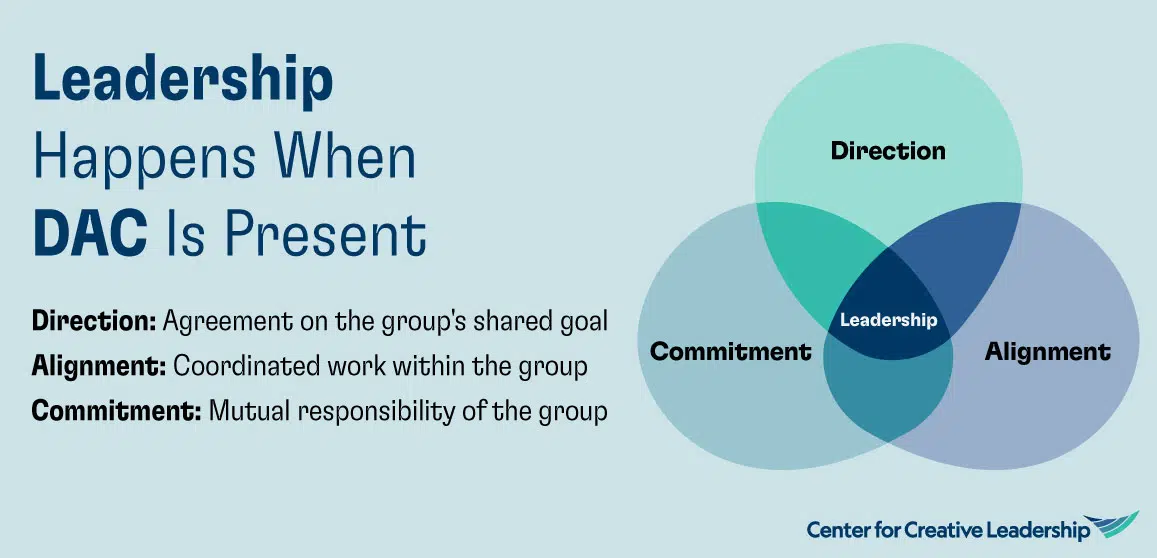
At its core, leadership is not a solitary act performed by a select few, but rather a dynamic social process that generates tangible outcomes. Research from institutions like the Center for Creative Leadership (CCL) distills this complex phenomenon into three essential elements: direction, alignment, and commitment (DAC). This framework moves beyond the traditional focus on individual leaders and followers, instead emphasizing the collective achievements that define effective leadership. When direction, alignment, and commitment are present, leadership is demonstrably happening, regardless of formal titles or positions. The interactions, exchanges, and collaborative efforts of multiple individuals contribute to the realization of these outcomes.
The Pillars of Effective Leadership: Direction, Alignment, and Commitment
The DAC model provides a robust lens through which to understand and cultivate leadership. Each component plays a critical role in enabling groups to navigate challenges, achieve goals, and foster a thriving collective.
Direction: Charting the Course Together
Direction addresses the fundamental question: "Where are we going?" It represents a shared understanding and agreement within a group on its overall goals and aspirations. This is more than simply announcing a business target or articulating a vision; it is about instilling a sense of purpose that resonates with individuals and motivates them to invest their energy strategically. When a clear direction is established, individuals can discern what activities are most impactful, what opportunities to pursue, and where to allocate resources effectively. They can clearly see how their unique contributions fit into the larger tapestry of collective objectives. This clarity not only enhances efficiency by focusing efforts but also empowers individuals by connecting their daily tasks to a meaningful purpose. Purpose-driven leadership, therefore, is crucial in creating this vital sense of direction, inspiring action and fostering a unified pursuit of common aims.
Alignment: Synchronizing Efforts for Collective Progress
While direction defines the destination, alignment concerns the journey – how individuals and teams move in concert to reach that destination. Alignment ensures that each person understands their specific role and how it interlocks with the work of their colleagues. This fosters a sense of coordination and synchronization, minimizing confusion and miscommunication. When alignment is strong, efforts are less likely to be duplicated, and redundant tasks are minimized, leading to significant gains in efficiency.
The challenges of achieving alignment are particularly pronounced in today’s increasingly distributed work environments, where teams may be geographically dispersed and operating across different time zones. The inherent difficulties in synchronous collaboration can leave individuals feeling disconnected, uncertain of their roles, and out of sync with the broader team’s progress. Effective leadership in such contexts necessitates a dual focus on both interpersonal relationships and task execution. Intentionally cultivating trust, fostering open communication channels, and promoting interdependence are paramount to building and maintaining robust alignment, especially within hybrid and remote work models.
Commitment: Fostering a Shared Stake in Success
Commitment signifies a mutual willingness to prioritize the success of the collective. It is the understanding that individual achievements are inextricably linked to the achievements of the group. When commitment is high, individuals trust that their colleagues will exert the necessary effort to ensure collective success, operating with a spirit of give-and-take. This contrasts sharply with environments characterized by resistance or minimal effort, where managers might feel compelled to constantly monitor and follow up. In a high-commitment setting, team members are more inclined to go the extra mile, driven by a sense of shared ownership and accountability. This intrinsic motivation not only supports the achievement of shared goals but also fuels cultural transformation and drives sustained progress.
Crucially, commitment cannot be mandated; it must be cultivated. Effective leaders recognize the importance of respecting diverse perspectives and understanding the lived experiences of their team members. By fostering an environment of belonging where individuals feel their contributions are valued, leaders can nurture a culture of genuine commitment. This involves actively seeking to understand employees’ viewpoints and creating spaces where their insights are not only heard but also acted upon, leading to a more engaged and dedicated workforce.

The Transformative Power of a Clear Leadership Definition
A shared understanding of what leadership truly entails, and more importantly, what it achieves, can profoundly elevate its quality and consistency across an organization. When the definition of leadership is clear and universally accepted, it becomes possible to accurately assess current strengths and weaknesses, thereby enabling targeted interventions to improve collaborative efforts and achieve desired outcomes.
Diagnosing and Addressing Leadership Gaps
When progress stagnates, or desired outcomes remain elusive, viewing leadership through the lens of DAC provides a powerful diagnostic tool. By examining the levels of direction, alignment, and commitment, leaders can quickly pinpoint the areas requiring the most attention.
Key indicators of weak DAC include:
- Unclear Direction: Employees express confusion about team or organizational goals, express doubts about the purpose of their work, or report conflicting priorities from different leaders. This can manifest as a lack of strategic focus, wasted resources on misaligned initiatives, and a general sense of drifting.
- Misalignment: Workflows are inefficient, tasks are duplicated, communication breakdowns are frequent, and individuals report feeling siloed or unaware of their colleagues’ contributions. This often results in missed deadlines, increased costs due to rework, and frustration among team members.
- Low Commitment: Employees exhibit a lack of initiative, a tendency to do only the minimum required, or a reluctance to take on additional responsibilities. This can be signaled by high turnover rates, low morale, and a general disengagement from collective efforts.
To gain a comprehensive understanding of these issues, it is imperative to solicit multiple viewpoints. Engaging the team in candid conversations about the current state of direction, alignment, and commitment can reveal blind spots and provide a more accurate picture of the challenges. Creating psychological safety is paramount in these discussions, ensuring that individuals feel comfortable sharing their honest assessments without fear of reprisal. This open dialogue allows for the identification of specific issues and the collective development of targeted solutions.
Tailoring Interventions for Maximum Impact
Once challenges are identified, the next step is to implement targeted actions. The specific nature of these interventions will vary depending on the team, project, or organizational context. For instance, a team with strong direction and commitment but struggling with inefficient processes might need to focus primarily on improving alignment. This could involve streamlining workflows, clarifying roles and responsibilities, or implementing better project management tools. Conversely, if low commitment or a lack of clear direction are the primary pain points, interventions would need to address foundational issues of purpose, motivation, and shared understanding.
While there are no universal quick fixes, consistent progress can be made through small, deliberate changes. These might include:
- For Direction: Conducting regular visioning workshops, clearly articulating overarching goals, and providing consistent reinforcement of the organization’s purpose.
- For Alignment: Implementing cross-functional team projects, establishing clear communication protocols, utilizing shared dashboards and project management software, and fostering regular interdepartmental dialogue.
- For Commitment: Recognizing and celebrating team successes, empowering individuals with greater autonomy, actively soliciting feedback and acting upon it, and promoting a culture of shared responsibility and accountability.
Investing in Leadership at Every Level
The impact of leadership extends far beyond the executive suite. When every individual within an organization understands the principles of leadership and actively contributes to fostering direction, alignment, and commitment, the organization experiences a profound increase in its leadership capacity. This widespread engagement leads to a cascade of positive outcomes, including enhanced innovation, improved problem-solving, greater organizational agility, and a more engaged and productive workforce.
The Relational Nature of Leadership Development
This relational understanding of leadership has significant implications for how we approach leadership development. Instead of solely focusing on individuals in formal leadership positions or those identified as "high-potential," the emphasis must shift to building leadership capacity across the entire collective – encompassing teams, workgroups, and the organization as a whole. This requires an intentional and sustained investment in developing leadership capabilities at all levels.
The journey begins with acknowledging the unique starting points of individual leaders, fostering their self-awareness, and cultivating their skillsets and mindsets. Simultaneously, it is crucial to promote a deeper understanding of leadership’s meaning within teams and groups, thereby creating a ripple effect that permeates the entire organization.
Amplifying Leadership Potential Through Comprehensive Development
To truly amplify leadership potential, organizations must provide timely and relevant learning opportunities for all employees, from individual contributors to senior executives. This inclusive approach unlocks organizational performance, boosts engagement, and improves retention. Key strategies for achieving this include:
-
Promoting Excellence and Accessibility in Development: Effective leaders consistently exhibit core qualities such as integrity, self-awareness, courage, respect, compassion, and resilience. Cultivating these essential leadership traits is fundamental to a smoother and more effective social process of leadership. However, theoretical knowledge is insufficient; practical application and development are key. Research indicates that employees are more committed and engaged when they have clear career paths, ample opportunities for professional and personal growth, and the necessary support to realize their full potential. Leadership development equips individuals to navigate change and builds the collective capacity to address complex challenges. Unfortunately, access to such development opportunities is not universally equitable. Studies have highlighted that a significant percentage of emerging professionals worldwide perceive inequitable access to leadership development opportunities. Addressing systemic exclusion and ensuring more equitable access in the present is vital. A diverse array of leadership programs, courses, and tools can be integrated to create tailored, large-scale training and retention initiatives, making leadership development more accessible to everyone.
-
Cultivating Teams Through Shared Growth: When building high-performing teams, it is essential to look beyond individual talent. While having the right people with the necessary leadership capabilities is important, and understanding their roles is critical, this is only one facet of team effectiveness. An effective team fosters direction, alignment, and commitment, reflecting that leadership is fundamentally about people collaborating to achieve collective results. Instead of individuals progressing through leadership development in isolation, consider the power of teams growing together. By establishing strong direction, alignment, and commitment, team members can work more seamlessly, enhance their outputs, and expand their collective impact.
-
Scaling for Organization-Wide Impact: Imagine the transformative impact on an organization if there was a universal understanding of leadership, with a cohesive vision, language, and behaviors that directly support critical business objectives. If direction, alignment, and commitment were robust and vibrant, rather than abstract concepts. Implementing and scaling leadership development initiatives across the entire enterprise broadens access to learning, ensures equitable opportunities for growth, cultivates new capabilities throughout the organization, and fosters the social processes essential for effective leadership. Research consistently demonstrates that organizational investments in leadership development yield significant benefits, including improved performance, enhanced employee engagement, and higher retention rates. While delivering impactful development at scale can be challenging, organizations can leverage external expertise and proven leadership development providers to supplement internal resources and achieve widespread positive outcomes.
-
Creating a Societal Ripple Effect: As individuals, teams, and organizations deepen their understanding of leadership and their ability to foster direction, alignment, and commitment, their leadership potential expands, creating a ripple effect that extends beyond their immediate sphere of influence. This impact can profoundly affect not only their own lives but also the lives of those they touch. The complex and systemic societal or community problems we face cannot be solved by individuals working in isolation. Confronting these "wicked problems" requires collaborative efforts from many individuals to understand root causes and develop sustainable solutions. Embracing a more relational and collective definition of leadership opens the door to transformational change for individuals, teams, organizations, and ultimately, for society as a whole.
Defining Leadership for Personal and Collective Growth
With a research-backed understanding of leadership as a process yielding direction, alignment, and commitment – the DAC framework – individuals are empowered to define what effective leadership means to them and their respective missions. Recognizing areas of strength and identifying obstacles allows for targeted, intentional action to enhance leadership capacity, both individually and collectively. The ultimate outcome is the realization of greater potential, accelerated progress, and the discovery of more effective solutions, achieved through unified effort.
Organizations are increasingly recognizing that investing in leadership development is not merely a human resources initiative but a strategic imperative. By fostering a culture that values and cultivates leadership at all levels, businesses can build resilience, drive innovation, and achieve sustainable success in an ever-evolving global landscape. The ongoing evolution of work, marked by technological advancements and shifting employee expectations, underscores the critical need for leaders who can navigate complexity, inspire collaboration, and guide their teams toward shared prosperity.