The fundamental challenge facing large enterprises in today’s competitive talent market is not a scarcity of candidates, but the sheer volume of applications that overwhelm traditional recruitment processes. With organizations often receiving tens of thousands of applications monthly for hundreds of open roles across diverse business units and global markets, the capacity of human recruiters to effectively screen and process this influx is severely strained. This bottleneck leads to significant inefficiencies, including prolonged time-to-hire, candidate drop-off, inconsistent evaluation, and ultimately, a tangible impact on business operations, project timelines, and revenue generation. In response to this persistent issue, AI-powered solutions, particularly AI Interviewer technology, are gaining traction as a critical tool for enterprises seeking to streamline their recruitment operations and maintain a competitive edge.
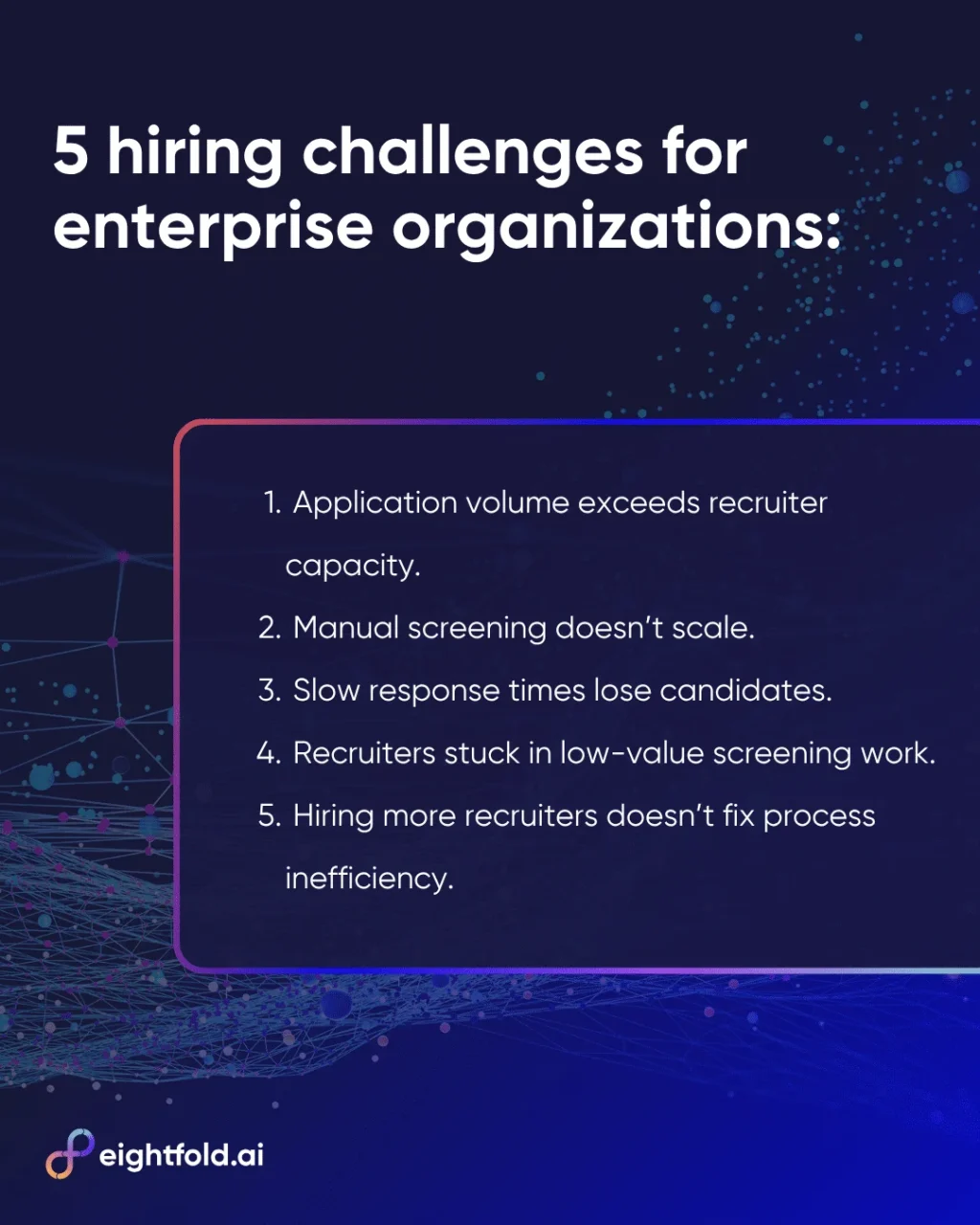
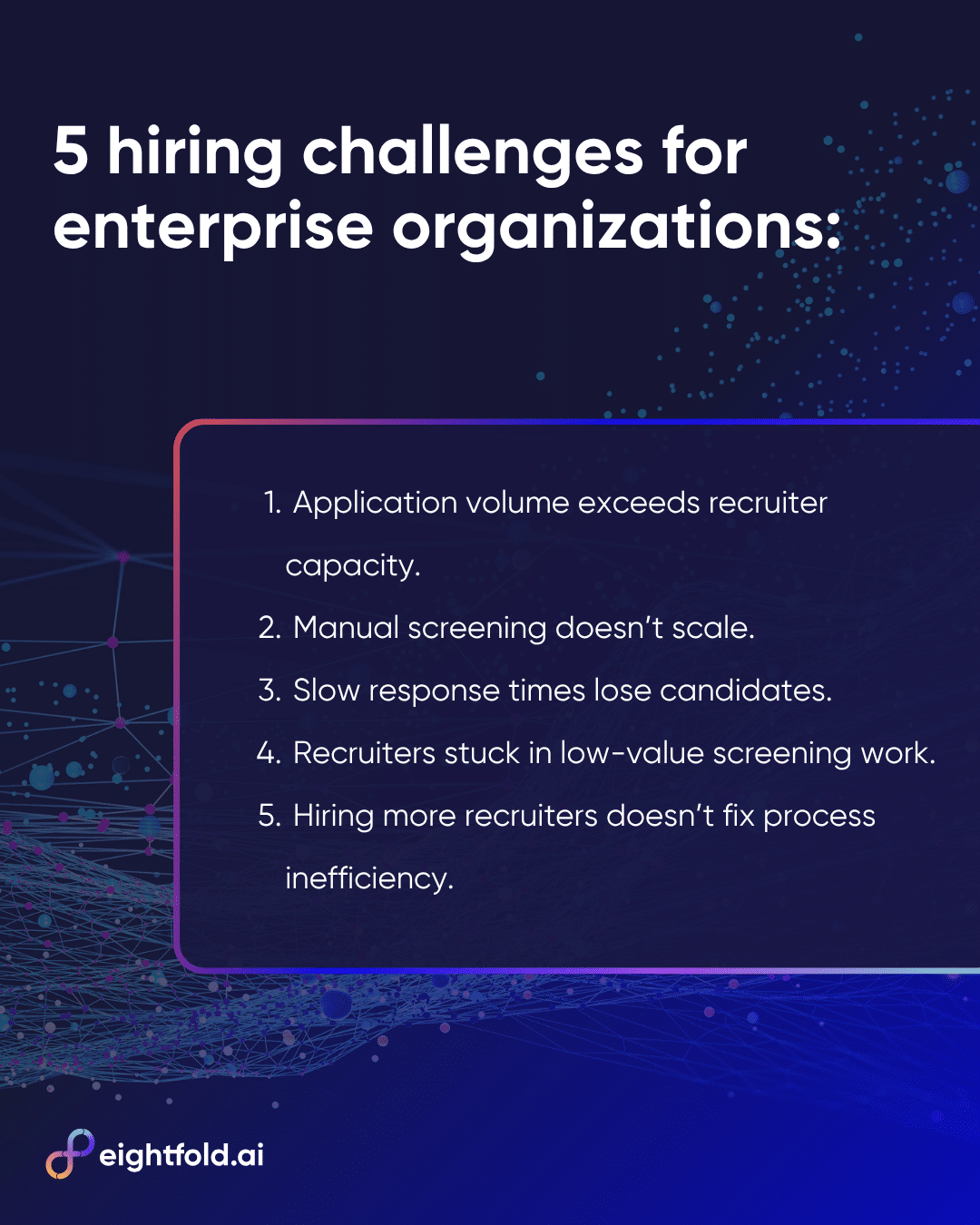
The sheer scale of enterprise recruitment presents a formidable structural mismatch between applicant volume and available recruiter bandwidth. A single high-demand position within a large corporation can attract between 500 and over 1,000 applications within the initial 72 hours of being posted. Even a conservative estimate of five minutes per application equates to more than 40 hours of screening work for a single role. When this is multiplied across hundreds of open requisitions simultaneously, the mathematical impossibility for human recruiters becomes starkly apparent. This overwhelming workload inevitably leads to extended response times, often stretching from days to weeks, during which qualified candidates may disengage or accept offers from competitors. Recruiters, buried under the weight of initial triage, have diminished capacity for the crucial relationship-building and strategic engagement that are vital for successful talent acquisition and business partnership. Hiring managers, in turn, experience frustration due to inconsistent candidate pipeline quality and protracted hiring cycles.
While the intuitive solution might appear to be augmenting recruiter headcount, this approach is often prohibitively expensive, slow to scale effectively, and fails to address the root cause of the process inefficiency. What enterprises truly require is an automated screening layer capable of operating at the speed and volume dictated by the application funnel itself. This is precisely where AI Interviewer technology, such as that offered by Eightfold AI, is positioned to provide a transformative solution.
The Growing Challenge of Enterprise Recruiting Capacity
The modern enterprise operates in a dynamic environment where agility and speed are paramount. The traditional recruitment model, heavily reliant on manual screening and assessment, simply cannot keep pace with the volume and velocity of talent acquisition demands. The consequences of this capacity deficit are far-reaching:
- Delayed Project Timelines: Critical roles remaining unfilled directly impede project progress, leading to missed deadlines and strategic setbacks.
- Overburdened Teams: Existing employees often bear the brunt of understaffing, leading to burnout and decreased productivity.
- Lost Revenue Opportunities: Inability to quickly fill sales, technical, or operational roles can translate into direct revenue losses and missed market opportunities.
- Damaged Candidate Experience: Slow and impersonal hiring processes can deter top talent and negatively impact the employer brand.
Industry data underscores the severity of this issue. A recent report by the Talent Acquisition Technology Council indicated that over 60% of enterprise talent acquisition leaders identify "managing high application volumes" as their primary operational challenge. This challenge is compounded by the increasing complexity of roles, requiring specialized skills and qualifications that necessitate more nuanced evaluation than simple resume scanning can provide.
Eightfold AI’s AI Interviewer: A Scalable Solution for Enterprise Hiring
Eightfold AI’s AI Interviewer, a key component of their Agentic Talent Operating System, has been adopted by a significant portion of the Fortune 500, addressing the critical need for a consistent, automated screening layer. This technology activates the moment a candidate applies, ensuring simultaneous and equitable engagement across all roles, regions, and business units.
Reclaiming Recruiter Capacity for Strategic Impact
The primary benefit of AI Interviewer lies in its ability to automate time-consuming initial screening tasks. This includes candidate invitation, asking role-specific questions, evaluating responses, and generating structured summaries. Recruiters are presented with concise candidate profiles and AI-driven interview scores, enabling them to prioritize their pipeline with unprecedented efficiency. Early adopters have reported significant reductions in time-to-first-interview, with some instances showing improvements of up to 90%. This reclaimed capacity allows senior recruiters to dedicate more time to high-value activities, such as engaging with qualified candidates, building relationships with hiring managers, and contributing to broader talent strategy. The financial implications are substantial; optimizing recruiter time translates directly into improved hiring manager satisfaction, higher offer acceptance rates, and a demonstrably greater return on investment for the talent function.
Standardized Evaluation for Consistent Talent Assessment
A persistent challenge in enterprise hiring is maintaining consistency in evaluation criteria across a decentralized workforce. When hundreds of recruiters in various locations conduct initial screens, subjective biases and differing interpretations of requirements can lead to significant variations in candidate assessment. This lack of standardization can disadvantage qualified individuals and create difficulties in comparing talent pools across different markets or business units.
AI Interviewer addresses this by posing the same role-specific questions to every candidate and evaluating responses based on objective criteria such as skills, experience, and demonstrated capabilities. This eliminates the influence of resume formatting, interviewer subjectivity, or the timing of the interview. The result is a rigorous and equitable assessment process for all applicants. The system employs bias-audited models and supports over 22 languages, having been validated across 155 countries, making it equally effective for global enterprises. Crucially, candidates with accessibility needs are automatically directed to a human-led process, ensuring inclusivity at every stage. This standardized approach fosters genuine cross-market and cross-team talent comparisons, providing hiring managers with reliable data for decision-making.
Demonstrable ROI for Executive Leadership
For Chief Human Resources Officers (CHROs) and Chief People Officers (CPOs) tasked with justifying AI investments, the return on investment (ROI) presented by AI Interviewer is compelling and quantifiable. Reducing the time-to-fill by even a single week across a large volume of annual hires can result in substantial recovered productivity for the business. Furthermore, more consistent, skills-based evaluations can mitigate the risk of mis-hires, thereby reducing the significant costs associated with employee turnover. By freeing senior recruiters from administrative screening tasks, the organization ensures that its most valuable talent resources are allocated to strategic decision-making that requires human expertise.
The seamless integration of AI Interviewer with leading Applicant Tracking Systems (ATS) facilitates rapid implementation, often measured in hours rather than months. This rapid deployment minimizes disruption and avoids the need for extensive technical resources or complex change management programs, accelerating the realization of benefits.
Human Judgment Remains Central to the Hiring Process
It is imperative to note that AI Interviewer is designed to augment, not replace, human judgment. While the AI handles initial screening and provides structured insights, all final hiring decisions remain firmly within the purview of the recruitment team. Recruiters and hiring managers retain the ability to review full interview transcripts, replay any interview segment, add their own contextual notes, and override AI recommendations when their professional judgment dictates. The AI-generated score serves as a valuable signal, a data point to inform decisions, rather than an absolute verdict.
Moreover, as part of the broader Eightfold Agentic Talent Operating System, the insights generated during the screening process contribute to a richer, longitudinal understanding of the workforce. These data points can inform critical internal talent decisions, including internal mobility initiatives, skills gap analysis, succession planning, and enterprise-wide retention strategies, creating a virtuous cycle of talent optimization.
Enterprise Leaders Report Significant Outcomes
Organizations that have implemented AI Interviewer at an enterprise scale consistently report a range of significant positive outcomes, including:
- Reduced Time-to-Hire: Significant acceleration of the initial stages of the recruitment funnel.
- Improved Candidate Quality: More consistent identification of qualified candidates through standardized evaluation.
- Enhanced Recruiter Productivity: Automation of routine tasks allows recruiters to focus on strategic engagement.
- Increased Hiring Manager Satisfaction: More predictable and higher-quality candidate pipelines lead to better working relationships.
- Greater Consistency and Fairness: Standardized assessment minimizes bias and ensures equitable treatment of all applicants.
The Compounding Cost of the Status Quo
In large enterprises, the financial and operational repercussions of slow or inconsistent hiring processes extend far beyond individual roles. Talent gaps can create ripple effects across project timelines, product development roadmaps, customer commitments, and overall employee morale. For CHROs and CPOs accountable to the board for workforce performance, the risk associated with inaction on hiring efficiency is substantial and escalating.
AI Interviewer, built on an enterprise-grade platform recognized as one of the Top HR Products of 2025, offers the speed, consistency, and analytical depth that enterprise hiring demands. Its straightforward implementation, coupled with its proven effectiveness across leading global organizations, positions it as a critical tool for talent leaders seeking to navigate the complexities of modern recruitment. The organizations that are winning in the talent acquisition arena are not necessarily those with the largest recruitment teams, but rather those that have adopted intelligent processes that enable speed, fairness, and the strategic deployment of human expertise where it is most needed. The future of enterprise hiring lies in leveraging technology to optimize processes, allowing human talent leaders to focus on the critical strategic decisions that drive business success.