
A stark new reality is emerging in the modern workplace: loneliness. A comprehensive survey conducted by Kahoot! has revealed that a significant 39% of office workers report feeling disconnected from their jobs. This sentiment is so pervasive that nearly one-third of these professionals admit to going an entire workday without speaking to a colleague. This widespread disconnection poses a serious threat to crucial aspects of organizational success, including team performance, innovation, and employee retention.
The findings, released in early 2024, paint a concerning picture of the evolving employee experience. Further analysis from the survey highlights that Millennials are the demographic most susceptible to workplace loneliness, with one in five men and one in eight women having previously left a job specifically due to a lack of connection with their coworkers. Adding another layer to this complex issue, research from the Harvard Graduate School of Education’s "Loneliness in America 2024" report indicates a correlation between income and loneliness. Those earning less are statistically more likely to experience feelings of isolation, underscoring the need for organizations to pay particular attention to their frontline teams, who often fall into lower income brackets.

It is crucial to understand that workplace loneliness is not solely defined by physical isolation. The absence of meaningful, quality relationships is the true driver. An employee might be physically present in a bustling retail environment throughout the day, yet if they do not feel welcomed or comfortable engaging with their colleagues, they can experience a profound sense of aloneness, potentially even more so than an individual who consistently works remotely. This nuanced understanding is vital for developing effective intervention strategies.
The Societal Echo: How Loneliness Impacts Communities
The implications of workplace loneliness extend beyond the confines of individual organizations, mirroring broader societal trends. Historically, periods of increased social isolation have been linked to a decline in community engagement and a rise in social fragmentation. While this article primarily focuses on the workplace, it’s important to acknowledge that a society grappling with widespread loneliness often experiences a diminished sense of collective well-being, potentially leading to increased healthcare burdens due to stress-related illnesses and a reduced capacity for collective problem-solving. Research from the Jo Cox Foundation, for instance, has consistently highlighted the detrimental effects of loneliness on mental and physical health, with links to depression, anxiety, and even premature mortality, underscoring its significance as a public health concern.
The Workplace Fallout: Tangible Impacts of Disconnection
Within the professional sphere, the consequences of employee loneliness are tangible and far-reaching. When individuals feel disconnected, their propensity to trust and collaborate diminishes significantly. This erosion of trust directly hinders the unlocking of innovation and the realization of operational efficiencies. A lack of camaraderie can stifle the organic exchange of ideas, the willingness to take creative risks, and the collaborative problem-solving that are the bedrock of a dynamic and forward-thinking organization.

Furthermore, lonely employees are more susceptible to a range of negative health outcomes. They are more likely to fall ill, experience burnout, and exhibit higher rates of absenteeism. The lack of a supportive social network at work can leave individuals feeling drained, lacking the energy and motivation to perform at their best. Gallup’s research corroborates this, finding that lonely employees are demonstrably less motivated and engaged in their roles. The data also points to Millennials and managers as particularly vulnerable demographics within the workplace, facing higher levels of loneliness compared to other groups.
Navigating the Hybrid Landscape: Return to Work Debates Intensified
The pervasive issue of workplace loneliness has inevitably fueled discussions around the future of work, particularly concerning the return to office mandates. While some argue that a return to a physical office environment could foster greater connection, the data presents a more complex picture. Gallup’s research indicates that individuals who exclusively work from home report higher levels of loneliness (25%) compared to the general workforce (16%). However, paradoxically, employees who work fully on-site report higher levels of burnout (29%) than their fully remote counterparts (24%). This suggests that neither a fully on-site nor a fully remote model inherently guarantees an optimal environment for employee well-being. The key lies in fostering genuine connection and support, regardless of an employee’s physical location.
Charting a Course: Strategies for Cultivating Connection
Recognizing the urgency of this "epidemic of loneliness," organizations and team leaders are being called upon to implement proactive strategies to foster a more connected and engaged workforce. The understanding that managers often feel responsible for their team’s well-being, as highlighted in Reward Gateway’s "Building Human Workplaces" report where 71% of managers expressed this sentiment, provides a critical starting point. The question then becomes: what concrete actions can be taken to build and sustain these vital connections?

Enhancing Social Interaction in Meetings
Integrating informal social elements into routine meetings can significantly boost day-to-day connection. This can range from dedicating the first few minutes of a regular team meeting to casual conversation or posing open-ended, non-work-related questions during one-on-one check-ins. For example, Ulteig, a client of Reward Gateway, shared in a webinar how they successfully pair employees for informal chats to foster get-to-know-you opportunities. Organizations can formalize such initiatives or simply encourage employees to schedule "connection" meetings with colleagues they may not know well.
Infusing Social Elements into Digital Communications
Given the significant portion of the workday spent in digital communication channels, incorporating social prompts within these platforms can be highly effective. Posing engaging questions about current events, popular culture, or even lighthearted "Would You Rather" scenarios can spark non-work-related conversations and build rapport. Managers can lead by example to ensure consistency, or enthusiastic team members can take the initiative to keep these informal interactions alive.
Championing Employee Resource Groups (ERGs)
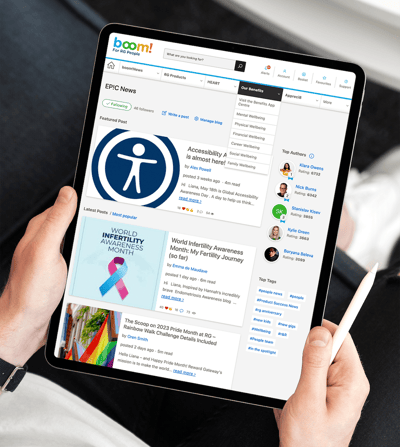
Employee Resource Groups offer invaluable opportunities for individuals to connect with colleagues outside their immediate functional teams, particularly around shared interests or identities. These groups can be instrumental in fostering a sense of belonging and providing a platform for passionate discussion. Reward Gateway hosts various ERGs, including Accessibility, Multicultural, Social Mobility, LGBTQIA+, Women’s, and Wellbeing Networks. Many organizations also support ERGs focused on hobbies like running, crafting, baking, or reading, demonstrating the diverse avenues through which employees can find community. These groups, often employee-led, require a supportive infrastructure to facilitate ongoing connection.
Encouraging Commuter and Carpool Initiatives
Facilitating connections among employees who share commutes can serve dual purposes, supporting sustainability goals while simultaneously building camaraderie. Even for those using public transportation, coordinating travel to ensure a friendly face on the journey can alleviate feelings of isolation. For employees who cycle to work, the formation of commuter groups can also provide a safety net, offering support in case of unexpected mechanical issues.
Implementing Quarterly Challenges and Competitions
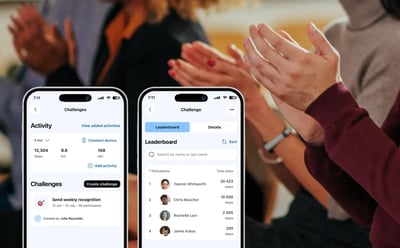
Engaging employees in friendly competition, whether through fantasy sports leagues, bracket challenges, or well-being-focused activities, can inject fun and deepen connections. These shared experiences provide natural talking points and opportunities for banter, moving beyond purely project-related discussions. Platforms like Reward Gateway’s well-being app often include chat features that can be leveraged for these informal challenges, fostering a more lighthearted and connected work environment.
Prioritizing and Promoting Recognition
A fundamental aspect of building strong connections is ensuring employees feel seen and appreciated. The Workplace Wellbeing report indicated that 69% of employees believe their well-being would improve with increased expressions of gratitude. Reminding employees to acknowledge and celebrate great work, both in person and publicly through social feeds, can significantly enhance team cohesion and rebuild trust among those who feel disconnected. Public recognition can transform perceptions, turning potentially negative assumptions, such as "IT never responds to me," into an understanding of the team’s workload and commitment, as exemplified by acknowledging the IT department’s efforts. This passive yet powerful form of positive reinforcement helps disseminate information about organizational successes and fosters a more supportive and trusting atmosphere.
The pervasive issue of workplace loneliness is not merely an abstract concern; it is a tangible threat to the operational health and humanistic fabric of organizations. By implementing intentional strategies focused on fostering genuine connection, companies can mitigate these risks and cultivate environments where employees not only feel valued but also truly belong.
For organizations seeking to deepen employee engagement and build a stronger sense of community, exploring comprehensive solutions that facilitate these connections is paramount. The ongoing evolution of the workplace demands a renewed focus on the human element, ensuring that every employee feels supported, seen, and connected.