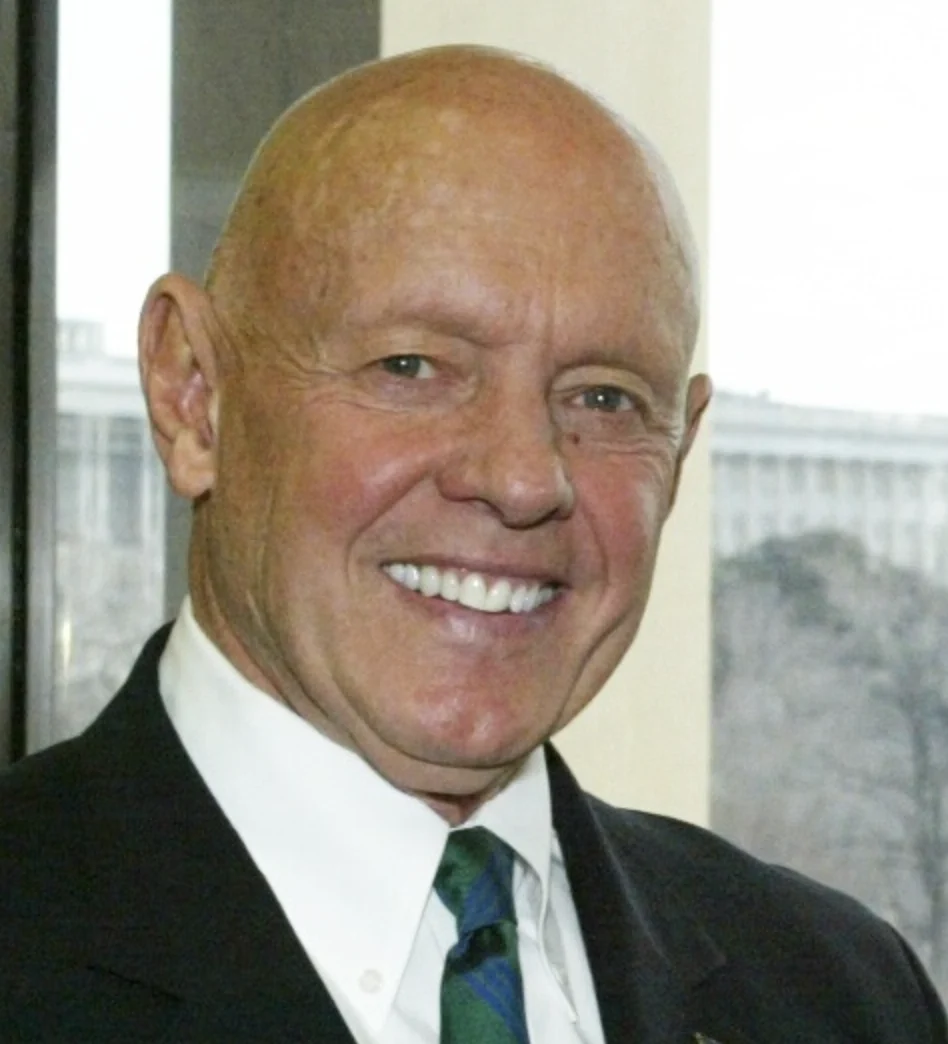
The celebration of human differences and the active pursuit of an equitable environment are cornerstones of a thriving society and a successful modern workplace. Ongig, a prominent advocate for inclusive practices, recently curated a comprehensive collection of over 50 influential quotes on diversity and inclusion, drawing insights from an array of global leaders, innovative CEOs, revered writers, impactful activists, and other notable figures. This initiative underscores the universal importance of these principles, offering a rich tapestry of perspectives designed to inspire and guide individuals and organizations alike towards a more understanding and harmonious future.
The Enduring Power of Diversity and Inclusion in the 21st Century
In an increasingly interconnected world, the concepts of diversity and inclusion (D&I) have transcended mere buzzwords to become critical pillars for organizational resilience, societal progress, and individual well-being. Diversity, in its broadest sense, encompasses the full spectrum of human differences—race, ethnicity, gender, sexual orientation, age, physical abilities, socioeconomic status, religious beliefs, political ideologies, and cognitive styles. Inclusion, on the other hand, refers to the active process of creating an environment where every individual feels valued, respected, and empowered to contribute their unique talents and perspectives.
The importance of these principles is underscored by numerous studies. Research by McKinsey & Company, for instance, consistently demonstrates that ethnically and culturally diverse companies are significantly more likely to outperform their less diverse counterparts on profitability. Similarly, gender-diverse companies also show a higher likelihood of financial outperformance. This data highlights that D&I is not merely a moral imperative but a strategic advantage, directly impacting innovation, problem-solving capabilities, employee engagement, and market reach. Organizations that neglect D&I risk falling behind, struggling to attract top talent, adapt to changing market demographics, and innovate effectively.
The Business Imperative: Diversity and Inclusion in the Workplace
The curated quotes provide compelling evidence of the business community’s recognition of D&I’s strategic value. Leaders across various industries articulate how fostering diverse teams and inclusive cultures drives superior outcomes. Bo Young Lee, Uber’s Chief Diversity and Inclusion Officer, succinctly states, "D&I needs to be something that every single employee at the company has a stake in." This emphasizes that D&I is not a siloed HR function but a shared responsibility, integral to every aspect of an organization’s operations.
Ayana Parsons, a Korn Ferry Board Leader, warns that companies risk their future by not embracing diversity, noting, "We’re at a moment in time when companies aren’t going to tolerate not having a diverse slate; it truly puts them at risk." This reflects the growing pressure from investors, employees, and consumers for organizations to demonstrate genuine commitment to D&I. Alan Joyce, CEO of Qantas, offers a testament to this, sharing, "We have a very diverse environment and a very inclusive culture and those characteristics got us through the tough times. Diversity generated a better strategy, better risk management, better debates, and better outcomes." His statement provides real-world validation of D&I’s impact on navigating challenges and achieving success.
The insights from leaders like Inga Beale, former CEO of Lloyd’s London, further highlight a critical barrier: "Many conversations about diversity and inclusion do not happen in the boardroom because people are embarrassed at using unfamiliar words or afraid of saying the wrong thing — yet this is the very place we need to be talking about it." This points to the need for open dialogue and education at all levels, particularly among senior leadership, to overcome discomfort and leverage the profound benefits of D&I. Moreover, Tim Cook, CEO of Apple, connects D&I directly to product quality and enrichment, affirming, "If you believe, as we believe, that diversity leads to better products… then you obviously put a ton of energy behind diversity the same way you would put a ton of energy behind anything else that is truly important." This illustrates how D&I can be woven into the very fabric of a company’s mission and value proposition.
Fostering an Inclusive Society: Beyond the Workplace
While the workplace provides a clear context for D&I, its principles extend far beyond corporate walls, shaping the fabric of communities and nations. Maya Angelou’s timeless wisdom, "It is time for parents to teach young people early on that in diversity there is beauty and there is strength," underscores the foundational role of education and early exposure to diverse perspectives. This proactive approach helps cultivate generations that inherently value differences, seeing them as sources of enrichment rather than division.
Former U.S. President Jimmy Carter eloquently describes society not as a "melting pot" but as "a beautiful mosaic. Different people, different beliefs, different yearnings, different hopes, different dreams." This imagery celebrates the distinct contributions of each individual and group, emphasizing that true strength lies in the collective vibrancy of varied identities. Mahatma Gandhi’s assertion, "Our ability to reach unity in diversity will be the beauty and the test of our civilization," speaks to the profound challenge and ultimate triumph of achieving cohesion amidst varied backgrounds. This pursuit of unity through diversity is a continuous endeavor, requiring constant effort and mutual respect.
The Dalai Lama further reinforces this global imperative, stating, "In today’s interconnected and globalized world, it is now commonplace for people of dissimilar world views, faiths and races to live side by side. It is a matter of great urgency, therefore, that we find ways to cooperate with one another in a spirit of mutual acceptance and respect." His words serve as a powerful reminder of the necessity for intercultural dialogue and understanding to foster a peaceful and cooperative global community.
The Nuance: Diversity as a Fact, Inclusion as an Act
A crucial distinction frequently highlighted by experts is that diversity is an inherent reality, while inclusion is a deliberate choice and ongoing effort. As Zabeen Hirji, a Global Advisor, concisely puts it, "Diversity is a fact. Inclusion is an act." This distinction is pivotal for organizations and societies genuinely committed to D&I. Merely having a diverse demographic does not automatically equate to an inclusive environment.
Vernā Myers, an American Activist, famously illustrates this: "Diversity is being invited to the party; inclusion is being asked to dance." This powerful metaphor conveys that true inclusion involves active engagement, ensuring that diverse voices are not just present but are genuinely heard and valued. Viola Davis, the acclaimed actress and producer, echoes this sentiment, urging, "We have to stop thinking about diversity and start thinking about inclusion." Her call to action emphasizes shifting focus from merely counting diverse individuals to actively creating environments where they feel a profound sense of belonging and agency.
Nellie Borrero, Senior Global Inclusion & Diversity Lead at Accenture, reinforces the active nature of inclusion: "Diversity is a fact, but inclusion is a choice we make everyday. As leaders, we have to put out the message that we embrace, and not just tolerate, diversity." This highlights the daily commitment required from leaders and individuals to foster an inclusive culture where differences are not just accommodated but celebrated. Claudia Brind-Woody, an IBM Executive, further expands on this, stating, "Inclusivity means not ‘just we’re allowed to be there,’ but we are valued. I’ve always said: smart teams will do amazing things, but truly diverse teams will do impossible things." This underlines that valuing diverse perspectives unlocks unprecedented potential and innovation.
The Power of Diverse Perspectives: Beyond Demographics
Beyond visible characteristics, diversity of thought is increasingly recognized as a vital component of D&I. This refers to the differences in how people perceive, process, and approach problems, stemming from their unique experiences, backgrounds, and cognitive styles. Malcolm Forbes, the entrepreneur, captured this essence, stating, "Diversity: the art of thinking independently together." This ability to integrate varied thought processes is a powerful catalyst for creativity and effective decision-making.
Stephen R. Covey, the American Educator & Author, underscored this fundamental truth: "Strength lies in differences, not in similarities." In environments where everyone thinks alike, blind spots proliferate, and innovative solutions remain undiscovered. Tim Berners-Lee, the computer scientist credited with inventing the World Wide Web, observed, "We need diversity of thought in the world to face the new challenges." In an era of rapid technological advancement and complex global issues, varied perspectives are indispensable for navigating uncertainty and fostering progress.
Adam Grant, an American Science Author and Professor, provides a practical approach: "To get real diversity of thought, you need to find the people who genuinely hold different views and invite them into the conversation." This goes beyond surface-level diversity, advocating for a deliberate effort to seek out and integrate truly divergent viewpoints, even if they challenge existing norms. Such an approach can lead to more robust strategies, mitigate risks, and uncover novel opportunities that might otherwise be overlooked.
Leadership in Cultivating an Equitable Future
Leaders play an instrumental role in championing D&I, transforming organizational culture and driving societal change. Klaus Schwab, Founder of The World Economic Forum, articulates the broader ethical dimension: "Corporate social responsibility is measured in terms of businesses improving conditions for their employees, shareholders, communities, and environment. But moral responsibility goes further, reflecting the need for corporations to address fundamental ethical issues such as inclusion, dignity, and equality." This elevates D&I from a mere business strategy to a moral imperative, calling on leaders to uphold universal human values.
Inga Beale further emphasizes the leader’s role in creating safe spaces for dialogue: "We all have the ability to promote a culture of acceptance and inclusion — and that is something I believe every leader has a responsibility to do. It starts with having a dialogue until we are all comfortable and no longer have the fear of saying the wrong thing." This addresses the common apprehension surrounding D&I conversations and highlights the need for leaders to model vulnerability and encourage open, respectful exchanges.
Liz Fosslien, an author, provides a concise framework for true belonging: "Diversity is having a seat at the table, inclusion is having a voice, and belonging is having that voice be heard." This progression illustrates that genuine inclusion goes beyond mere presence or even participation; it requires an environment where every voice is genuinely considered and impacts outcomes. Such an environment fosters deeper engagement, loyalty, and psychological safety, empowering individuals to bring their whole selves to their work and communities.
Literary Voices and the Continuous Dialogue
Literature serves as a powerful medium for exploring and promoting D&I. Dr. Melanie Lotfali’s children’s book, A Perfect Chord, beautifully illustrates the concept of diverse individuals harmonizing to create a unified whole. Through child-friendly language, it depicts individuals as unique musical notes that, when combined, form a perfect chord, symbolizing humanity’s collective strength. This early exposure to the beauty of differences is crucial for nurturing empathetic and inclusive perspectives from a young age.
Karla Starr’s Can You Learn to Be Lucky? delves into the often-unseen biases that influence individual trajectories, emphasizing that "Exposure to different people and experiences opens doors that would otherwise remain closed." Her work encourages readers to recognize the systemic factors that contribute to "luck" and to challenge unconscious biases that limit opportunities for diverse groups. These literary contributions, among many others, offer profound insights into the human experience, guiding readers towards a deeper understanding of love, acceptance, and true belonging within the human family.
An Ongoing Journey Towards a More Inclusive Future
The compilation of these powerful quotes on diversity and inclusion serves as a profound reminder that the journey towards a truly equitable and inclusive world is continuous. It is a journey that demands constant reflection, intentional action, and a commitment to understanding and valuing every individual’s unique contribution. From the strategic imperatives articulated by corporate leaders to the poetic calls for unity by civil rights activists, the message is clear: diversity enriches, and inclusion empowers.
Organizations like Ongig are at the forefront of this movement, providing practical tools such as their Text Analyzer software, which scrutinizes job descriptions to ensure they attract diverse talent by eliminating biased language. This technological approach complements the philosophical underpinnings of D&I, demonstrating how principles can be translated into tangible actions. The ongoing invitation to contribute to this dynamic list of quotes reinforces the idea that D&I is a living, evolving dialogue, enriched by collective wisdom and shared experiences. By embracing these insights and actively working towards inclusive environments, we pave the way for a more innovative, just, and harmonious future for all.