
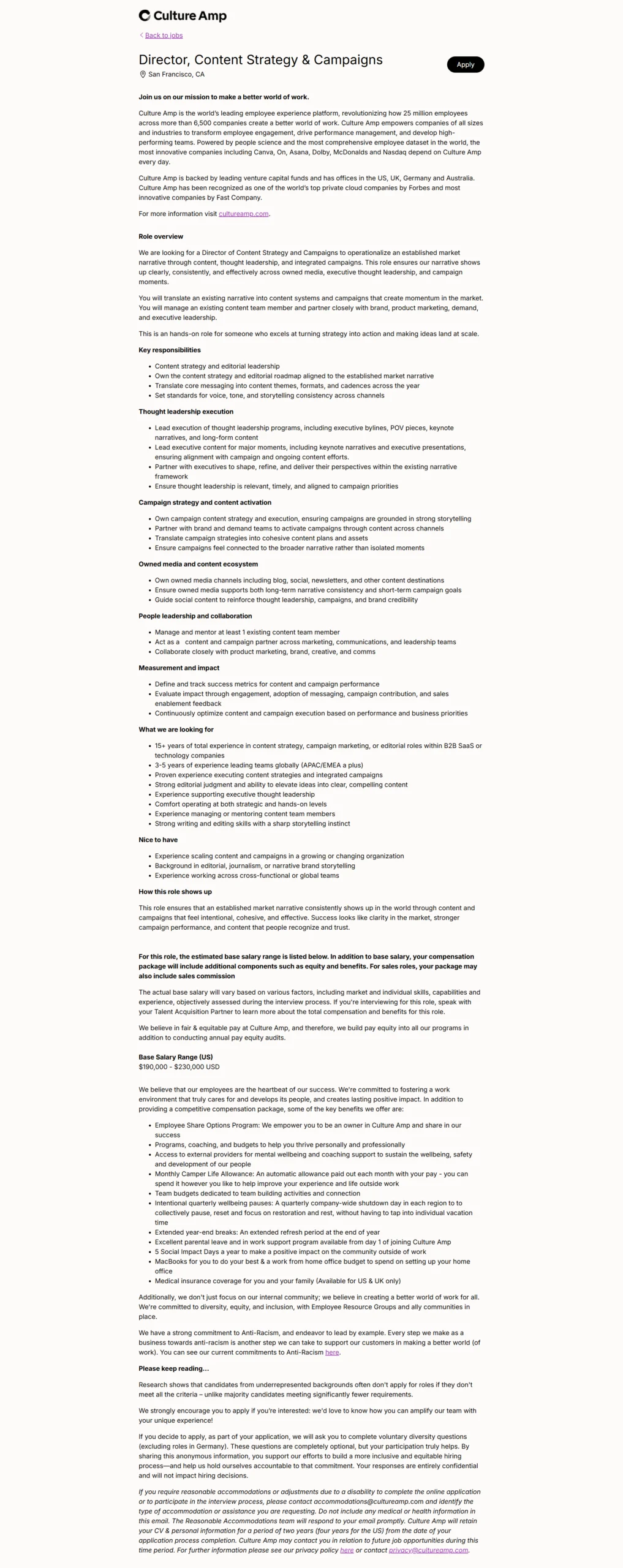
The demand for content marketing professionals is experiencing a significant surge, intensifying the pressure on organizations to identify and recruit individuals with the precise blend of evolving skills. A comprehensive analysis by SEMRush, which examined 8,000 content marketing job listings across the United States, underscores this burgeoning market and the strategic shifts occurring within the discipline. The findings reveal a landscape where traditional writing prowess is increasingly complemented by analytical acumen, strategic foresight, and a growing familiarity with artificial intelligence.
The Rise of Content Marketing: A Strategic Imperative
Content marketing has evolved from a niche activity to a cornerstone of modern business strategy. In an increasingly digital-first world, companies rely on compelling and valuable content to attract, engage, and retain customers. This strategic shift is driven by several factors, including the pervasive influence of search engines, the ubiquity of social media platforms, and the consumer’s demand for authentic brand narratives. Effective content marketing builds brand authority, fosters customer loyalty, and drives measurable business outcomes, making the role of content professionals more critical than ever. The SEMRush study, projecting market trends towards 2026, highlights that this growth trajectory is not merely sustained but accelerating, necessitating a re-evaluation of how these vital roles are defined and filled.
Key Findings from the SEMRush Study: A Snapshot of the Market
The SEMRush analysis of 8,000 U.S. content marketing job listings provides invaluable insights into the current state and future direction of the profession. The study indicates a robust and expanding job market, with a clear emphasis on skills that extend beyond mere content creation. Companies are not just looking for writers; they are seeking strategic communicators who can leverage data to inform their narratives and drive business impact. This evolution signifies a maturation of the content marketing discipline, where creativity must intersect with analytics and strategic thinking.
Delineating Core Competencies: Top Skills for Content Marketers
The study identified a tiered hierarchy of skills crucial for success in content marketing, reflecting the increasing complexity and strategic importance of these roles.
Tier 1: Core Skills (Non-Negotiable for Most Roles)
These are the foundational capabilities that are universally sought after across various content marketing positions:
- Data Literacy: This encompasses the ability to interpret and utilize data to inform content strategy, measure performance, and optimize campaigns. Content marketers are expected to understand metrics such as website traffic, engagement rates, conversion rates, and SEO performance, translating raw data into actionable insights. This skill moves beyond simply reporting numbers to actively influencing content decisions based on analytical evidence.
- Narrative Skills: The ability to craft compelling stories is paramount. This involves understanding audience psychology, developing a consistent brand voice, and structuring content in a way that resonates emotionally and intellectually with the target demographic. Narrative skills are crucial for transforming complex information into accessible, engaging, and persuasive content across various formats.
Tier 2: Strategic & Differentiating Skills (Crucial for Mid-to-Senior Roles)
As content professionals advance, a deeper set of strategic and specialized skills becomes essential:
- Content Strategy Development: This involves planning, creating, distributing, and managing content from a holistic perspective. It includes identifying target audiences, defining content pillars, mapping content to the customer journey, and establishing clear objectives and KPIs.
- Search Engine Optimization (SEO) Expertise: A thorough understanding of SEO principles, including keyword research, on-page optimization, technical SEO basics, and link building, is critical for ensuring content visibility and organic reach.
- Multi-channel Distribution: Proficiency in distributing content across diverse platforms (blogs, social media, email, video, podcasts, etc.) and optimizing it for each channel to maximize reach and engagement.
- Audience Analysis and Segmentation: The ability to research and understand different audience segments, tailoring content to their specific needs, preferences, and pain points.
Tier 3: Foundational Skills (Expected Baseline)
While essential, these skills are considered a basic requirement rather than a differentiating factor:
- Writing and Editing: Impeccable grammar, style, and clarity are fundamental for all content roles.
- Project Management: The ability to manage content calendars, deadlines, and resources efficiently.
- Communication: Strong interpersonal skills for collaborating with internal teams and external stakeholders.
The AI Imperative: Integrating Artificial Intelligence into Content Roles
Perhaps one of the most significant shifts highlighted by the SEMRush study is the increasing integration of Artificial Intelligence (AI) skills into content marketing job descriptions. AI is no longer merely a "nice-to-have" but is rapidly becoming a baseline expectation. The data indicates that 34% of senior content roles and nearly 20% of execution-level positions now explicitly mention AI as a requirement.
This trend underscores a fundamental change in content workflows. AI fluency is not typically sought as a specialization in itself, such as advanced prompt engineering (which appears in less than 0.5% of postings), but rather as a practical skill akin to using Google Analytics or a Content Management System (CMS). Hiring managers are signaling that AI-assisted workflows are an inherent part of the job, not an optional addition.
For content creator job descriptions, this means including practical AI references:
- Experience utilizing AI tools for content ideation, research, and drafting.
- Ability to leverage AI for SEO optimization and content personalization.
- Proficiency in using AI for data analysis to inform content strategy.
- Familiarity with ethical AI practices in content creation.
The goal is to attract candidates who are comfortable and proficient in using AI as a productivity enhancer and a strategic asset, rather than viewing it as a separate, specialized field.
Crafting Effective Content Creator Job Descriptions: Best Practices
In a competitive talent market, a well-crafted job description is crucial for attracting the right candidates. Several best practices can help organizations define content roles effectively:
-
Start with a Clear and Specific Job The job title should precisely convey the nature of the role. Generic terms like "Content Creator" can be refined to "Social Media Content Creator," "Video Content Producer," or "SEO Content Specialist" to target specific skill sets. Tapestry, for instance, effectively specified their need for a "Social Media Content Creator," immediately signaling the primary focus of the role and attracting candidates with relevant expertise.
-
Write an Engaging Job Summary: Beyond a mere outline of duties, the summary should captivate potential applicants by articulating the role’s purpose, its exciting aspects, and its contribution to the overall content strategy. Highlighting the impact on brand awareness, audience engagement, or organic traffic can attract candidates eager to make a tangible difference. Canva’s job summary for a Content Lead in Brazil exemplifies this by emphasizing strategic ownership, business impact, localization, and growth focus, presenting a compelling vision for the role.
-
Define Key Responsibilities with Precision: A detailed list of responsibilities helps candidates understand the daily expectations. This includes specifying content types (e.g., blog posts, infographics, video scripts), platforms of engagement, and any cross-functional collaboration with marketing, design, or product teams. Clarity here prevents mismatches in expectations.
-
Emphasize Cultural Fit and Core Values: Content creators are key custodians of a brand’s voice and tone, making cultural alignment essential. Including a section that highlights company culture and values—such as collaboration, innovation, diversity, and inclusion—attracts candidates who not only possess the requisite skills but also resonate with the organization’s mission. BAD Marketing’s Copywriter job description, for example, successfully integrated cultural aspects, demonstrating how values can be woven into the recruitment narrative.
-
Include Measurable Success Metrics (KPIs): Defining what success looks like through measurable goals provides clarity for candidates and sets performance expectations. These metrics could relate to engagement rates, content reach, lead generation, or SEO rankings. Transparently outlining these Key Performance Indicators (KPIs) allows candidates to understand how their work will be evaluated and its direct impact on company objectives.
-
Use Clear, Inclusive Language: Job descriptions should be free of jargon, unnecessary requirements, or biased language. Utilizing tools like Ongig Text Analyzer can help ensure that language is simple, accessible, and appealing to a diverse talent pool, promoting broader applications and fostering an inclusive hiring process.
-
List Any Essential Tools or Software: Specifying required software or tools (e.g., Adobe Creative Suite, Canva, Google Analytics, SEMrush, Ahrefs) helps filter applicants who are already proficient and well-equipped for the role, streamlining the hiring process.
Common KPIs for Content Marketing Roles: Measuring Impact
Defining success is crucial for both the organization and the individual. The following KPIs, often seen in job postings such as ZestBenefits’ Content Marketing Executive role, are commonly tied to content marketing performance:
- Website Traffic: Measures the volume of visitors driven to the website by content, often broken down by organic, referral, or direct traffic.
- Time on Page/Site: Indicates how long users engage with content, reflecting its relevance and quality.
- Bounce Rate: Shows the percentage of visitors who leave the site after viewing only one page, signaling potential issues with content or user experience.
- Engagement Rate (Social Media): Measures interactions (likes, shares, comments) relative to reach, indicating content resonance.
- Click-Through Rate (CTR): The percentage of users who click on a call-to-action or link within the content, reflecting its effectiveness in prompting action.
- Conversion Rate: The percentage of visitors who complete a desired action (e.g., sign-up, download, purchase) after engaging with content.
- Lead Generation/MQLs (Marketing Qualified Leads): The number of potential customers identified and qualified through content efforts.
- SEO Rankings: The position of content in search engine results pages for target keywords, indicating visibility.
- Backlinks Acquired: The number of external websites linking to the content, a key indicator of content authority and SEO value.
- Brand Mentions: Tracking how often a brand or its content is mentioned across various platforms, reflecting brand awareness and influence.
- Content Production Volume: The quantity of content produced within a given period, often balanced against quality and performance.
- Cost Per Lead (CPL): The marketing expense incurred to acquire one lead, demonstrating efficiency.
- ROI (Return on Investment): The overall financial return generated by content marketing efforts relative to their cost.
Implications for the Industry and Future Outlook
The evolving content marketing landscape presents both challenges and opportunities. For companies, the imperative is to adapt recruitment strategies to find talent that is not only creative but also analytically astute and AI-proficient. This may involve investing in upskilling current employees or restructuring teams to accommodate these new demands. For job seekers, the message is clear: continuous learning and the development of hybrid skill sets—blending creativity, data analysis, and technological literacy—are essential for career progression. Educational institutions also face the task of integrating these evolving requirements into their curricula to prepare the next generation of content professionals.
The content marketing role is dynamic, continually reshaped by technological advancements and shifting consumer behaviors. Crafting job descriptions that accurately reflect this reality is the crucial first step in securing talent capable of driving meaningful business outcomes. Ongig is dedicated to transforming job descriptions into powerful recruitment tools. Organizations looking to optimize their job titles and enhance their overall job description strategy can explore solutions like Ongig’s Text Analyzer to ensure their messaging is clear, inclusive, and effective in attracting top-tier talent.
Shout-outs
- We Analyzed 8,000 Content Marketing Job Listings: The Shift from Writing to Ownership (by SEMRush)






