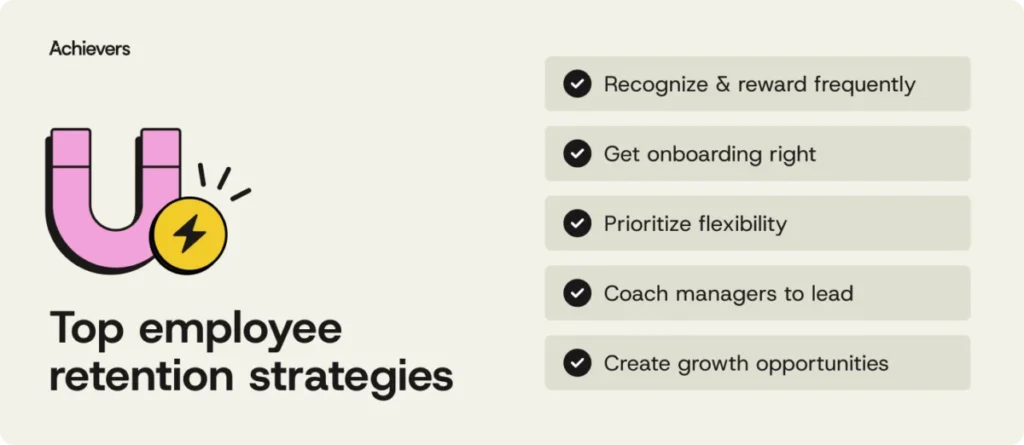
Employee retention strategies have transcended their traditional role as a mere cost-saving measure, becoming an existential imperative for organizations navigating the complexities of hybrid work models, widespread burnout, and an unprecedented era of job mobility. Keeping top talent today demands far more than an attractive offer letter; it necessitates a sustained, meticulously executed strategy that addresses the holistic employee experience from initial contact through long-term career progression. This urgency is underscored by alarming statistics, such as the Bureau of Labor Statistics’ finding that nearly half of all new hires report experiencing regrets or second thoughts about their new role within the first week. This startling revelation suggests that many organizations are already losing the retention battle before onboarding even fully commences, highlighting a critical need for proactive, comprehensive solutions. This detailed analysis delves into the core business case for robust retention, outlines twenty proven strategies, examines the pivotal role of rewards, and identifies the foundational pillars supporting successful talent longevity.
The Business Imperative: Why Retention Matters More Than Ever
The economic argument for strong employee retention is irrefutable and growing in significance. Retaining skilled personnel is almost invariably more cost-effective than engaging in the arduous and expensive process of replacement. In the current competitive labor market, characterized by talent shortages and inflationary pressures, this cost differential continues to widen dramatically. The Work Institute’s 2025 Retention Report estimates that replacing an employee earning $50,000 annually now incurs a minimum cost of $16,500. This figure, projected to rise further due to escalating recruitment expenses and the ongoing scarcity of specialized talent, represents only the direct financial outlay.
Beyond direct costs, the ripple effects of high turnover permeate an organization, leading to significant indirect expenses and operational disruptions. These include substantial losses in productivity as new hires get up to speed, the erosion of institutional knowledge when experienced employees depart, decreased morale among remaining team members, and the diversion of valuable management time towards recruitment and training. Furthermore, a high turnover rate can negatively impact a company’s employer brand, making it harder to attract quality candidates in the future and potentially creating a self-perpetuating cycle of departures. Consequently, investing in retaining excellent employees emerges as a strategically superior and financially prudent decision compared to the perpetual scramble for replacements.
A Holistic Approach: Foundational Strategies for Lasting Engagement
Effective employee retention strategies must span the entirety of the employee journey, from the initial moments of onboarding to the long-term arc of career development, catering to diverse work arrangements from frontline roles to fully remote positions. The modern approach transcends mere HR compliance; it focuses on cultivating environments where individuals feel genuinely invested and valued, rather than simply employed.
1. Strategic Onboarding and Integration: The initial days and weeks of employment are crucial. A robust onboarding experience, extending beyond administrative tasks, establishes early connections, builds confidence, and creates positive momentum. This includes personalized support, opportunities for early successes, and a clear understanding of how the new hire contributes to the team’s broader objectives, effectively mitigating those early regrets reported by nearly half of new employees.
2. Cultivating a Positive Workplace Culture: A thriving organizational culture is a powerful retention tool, appealing to employees’ intrinsic needs for purpose, belonging, and alignment with shared values. Culture is not merely a set of espoused principles but is actively demonstrated through daily interactions, how values influence decisions, and how recognition reinforces desired behaviors. When culture is only invoked during orientation or restructuring, it signals a superficial commitment.
3. Developing Strong People Managers: Managers are pivotal to employee retention, influencing everything from daily motivation to long-term career satisfaction. Great managers serve as coaches, mentors, and advocates, fostering an environment where individuals feel supported and empowered. Conversely, untrained or inconsistent management can be a primary driver of attrition, as talented employees often leave managers, not companies.
4. Clear and Consistent Communication: Transparency from leadership, particularly during periods of change or uncertainty, builds trust and alleviates anxiety that can fuel turnover. When communication channels are clear and consistent regarding priorities, challenges, and company goals, employees feel informed and aligned. A vacuum of information is often filled by rumors and worst-case scenarios, leading to disengagement and a propensity to explore external opportunities.
5. Hiring with Retention in Mind: The foundation of retention is laid long before an employee’s first day. Strategic hiring focuses on identifying candidates whose values align with the organizational culture and who envision a long-term future within the company. This involves showcasing the company culture, commitment to growth, and recognition practices upfront, ensuring new hires arrive with a genuine enthusiasm to stay and grow.
Empowering the Workforce: Well-being, Flexibility, and Growth
The contemporary workforce places a high premium on work-life balance, personal well-being, and continuous professional development. Organizations that actively support these aspects demonstrate trust and investment in their employees, fostering an environment where individuals can thrive both professionally and personally.
6. Prioritizing Flexibility: Offering genuine flexibility, whether through hybrid schedules, compressed workweeks, or adaptable shift swapping, demonstrates trust and empowers employees to build sustainable routines. True flexibility mitigates burnout and maintains performance, contrasting sharply with policies that pay lip service to flexibility while still demanding rigid availability.

7. Preventing Burnout Before It Starts: Workplace burnout is a pervasive and costly issue. Proactive measures, such as monitoring workloads, encouraging healthy boundaries, and normalizing time off, are critical. Organizations must cultivate a culture where taking breaks is expected, not an exception, recognizing that constant "hanging in there" is a clear warning sign of impending disengagement.
8. Offering Competitive Benefits Packages: Beyond standard offerings, competitive benefits packages reflect what employees truly value today. This includes robust support for mental health, comprehensive family care, financial wellness programs, and lifestyle-oriented benefits. Benefits that feel personalized and responsive to current needs significantly enhance retention, signaling that the company genuinely cares for its people.
9. Investing in Career Growth and Development: Employees are significantly more likely to remain with an organization when they perceive clear pathways for advancement and skill development. Professional growth encompasses not just promotions but also opportunities for skill-building, new challenges, and learning that aligns with individual career aspirations. When these opportunities are absent, ambitious employees will seek them elsewhere.
10. Implementing Effective Mentorship Programs: Mentorship can be a transformative force, providing employees with crucial support, fresh perspectives, and a sense of forward momentum. Thoughtfully paired mentors, equipped with tools and recognition, can guide mentees through career challenges and foster a stronger connection to the organization.
11. Making Performance Management Ongoing: Annual reviews alone are insufficient for modern talent management. Effective strategies involve continuous feedback, regular check-ins, and goal setting that evolves with the work. Performance conversations should be frequent, transparent, and focused on development, rather than infrequent, anxiety-inducing appraisals.
The Power of Recognition: Fueling Loyalty and Performance
Recognition is a cornerstone of employee retention, reinforcing positive behaviors, strengthening organizational culture, and fostering a deep sense of connection. Its impact on employee sentiment and longevity is well-documented.
12. Frequent and Meaningful Recognition: Consistent recognition reinforces behaviors that drive culture and performance. According to Achievers Workforce Institute’s (AWI) State of Employee Recognition Report, employees recognized weekly are nine times more likely to recommend their company and six times more likely to envision a long-term future there. This demonstrates that integrated, everyday recognition transforms job seekers into career builders.
13. Recognizing Effort, Not Just Outcomes: Retention is not solely about celebrating achievements; it’s also about acknowledging the effort, behaviors, and values that contribute to success. When employees feel seen for their commitment and approach, not just their final results, they remain more engaged and resilient, especially when facing difficult challenges.
14. Providing Meaningful and Personalized Rewards: Rewards resonate most deeply when they are personalized, flexible, and culturally relevant. Research indicates that over 40% of employees appreciate points-based rewards, and nearly 70% find rewards to be a motivating factor. Offering diverse options—from merchandise and experiences to charitable donations—allows employees to choose rewards that truly matter to them.
15. Linking Rewards to Specific Behaviors: To maximize impact, rewards should be tied to clearly defined actions that embody company values or strategic priorities, such as collaboration, customer focus, or innovation. The 2026 State of Recognition Report, surveying 3,000 global employees, found that 39% believe learning new skills should be regularly recognized, highlighting the importance of behavioral specificity.
16. Balancing Monetary and Non-Monetary Rewards: While financial incentives play a role, they are most effective when complemented by everyday recognition. A points-based reward, for instance, gains more significance when accompanied by a heartfelt thank you or a public acknowledgment. This dual approach ensures both tangible and emotional appreciation.
Building Connection and Inclusivity
A sense of belonging and strong interpersonal relationships are fundamental human needs that significantly impact an employee’s decision to stay with an organization. Fostering these connections requires intentional effort, especially in distributed work environments.
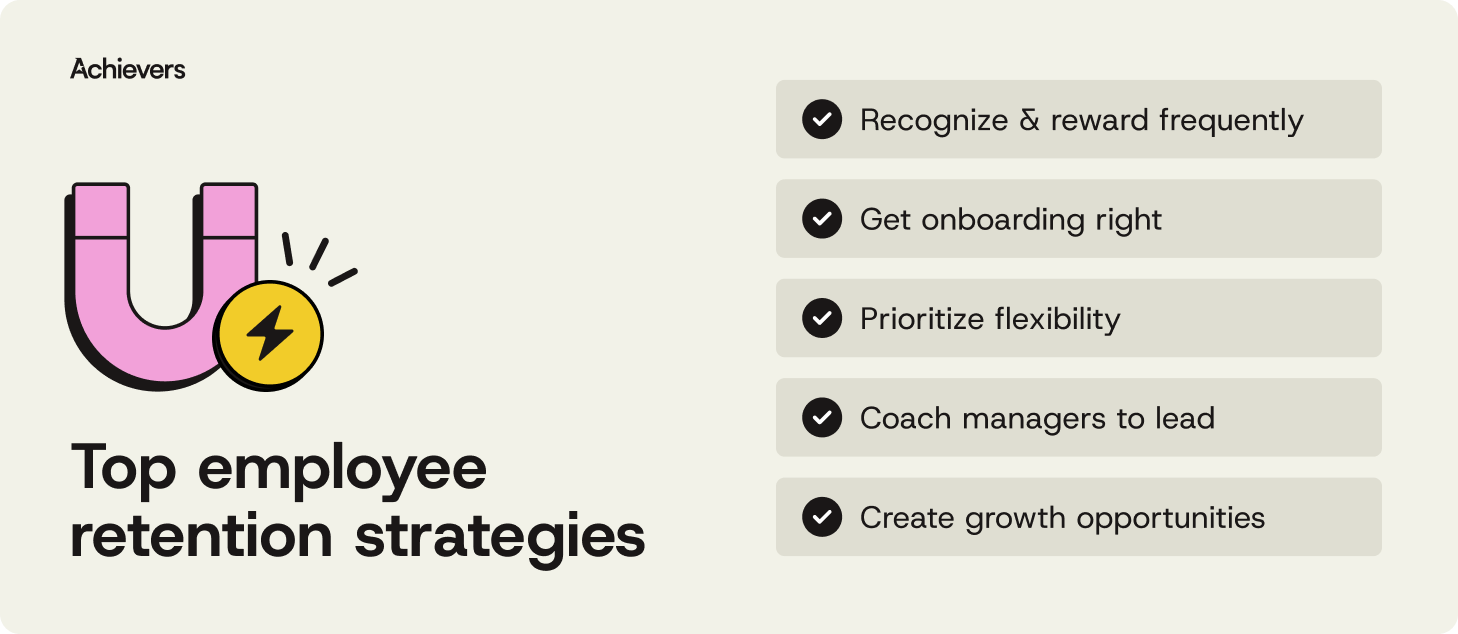
17. Strengthening Workplace Relationships and Teamwork: Employees are less likely to leave jobs when they feel connected to their colleagues and trust their teams. Strong peer relationships provide a sense of belonging, mitigate stress, and make even demanding periods more manageable. This applies universally, regardless of whether teams are remote, hybrid, or co-located.
18. Making Diversity, Equity, and Inclusion (DE&I) Part of Everyday Culture: Belonging is a core determinant of employee loyalty. When individuals feel included, valued, and respected for their unique contributions, their investment in the work and the workplace deepens. This requires recognizing inclusive behaviors, embedding equity into all decisions, and utilizing employee feedback tools to identify and visibly address areas where the lived experience falls short of inclusive intentions.
The Strategic Pillars for Sustainable Retention
Beyond individual strategies, successful employee retention is built upon four fundamental pillars that serve as the bedrock for a thriving workforce. These pillars ensure that retention is not a series of isolated initiatives but an integrated design within the organizational fabric.
1. Prioritize Employee Well-being: This pillar encompasses offering flexibility, establishing clear boundaries around workloads, and integrating mental health support into the daily discourse. Recognizing that burnout leads directly to talent exodus, organizations must proactively champion employee health.
2. Strengthen Company Culture: A robust company culture is where values are authentically lived, diverse voices are actively heard, and recognition reinforces what truly matters. It defines how employees perceive their work environment long after they log off.
3. Invest in Career Development: Loyalty is cultivated when employees see a clear path for growth. This involves providing genuine opportunities for upskilling, reskilling, taking on new challenges, and facilitating both vertical and lateral career movement. Stagnation is a significant driver of departure.
4. Deliver Rewards and Recognition That Matter: This pillar emphasizes making recognition personal, timely, and genuinely rewarding. Moving beyond generic acknowledgments to tangible recognition and rewards that reflect individual effort and impact communicates true value in ways that resonate deeply with employees.
Leveraging Technology for Scalable Retention
Managing numerous retention strategies effectively, especially across geographically dispersed and hybrid teams with shifting priorities, presents a significant challenge. Progressive HR teams are increasingly adopting specialized employee retention software to scale their efforts and ensure consistency. Platforms like Achievers exemplify how technology can be leveraged to streamline and enhance retention initiatives.
Achievers, for instance, has demonstrated how frequent, meaningful recognition can profoundly transform workplaces. Data from their State of Recognition Report indicates that employees recognized at least monthly are twice as engaged, a figure that jumps to three times more engaged when recognition occurs weekly. This highlights recognition as one of the most scalable retention strategies available. Such platforms facilitate:
- Company-wide recognition: Enabling peer-to-peer and manager-to-employee recognition across all levels.
- Customizable rewards: Offering diverse, personalized reward options that cater to individual preferences.
- Analytics and insights: Providing data on recognition patterns, engagement levels, and potential turnover risks.
- Integration with existing HR systems: Ensuring a seamless and efficient workflow for recognition and rewards programs.
By using such tools, recognition moves beyond an afterthought to become a powerful, integrated mechanism for keeping employees connected to their mission and the organization.
Conclusion: Retention Is Built, Not Bought
Ultimately, sustainable employee retention is not achieved through superficial perks or trendy office amenities. It is fundamentally about meticulously constructing a workplace culture where people genuinely desire to stay—a culture characterized by meaningful recognition, authentic growth opportunities, and empathetic, responsive leadership. The goal is to foster environments where individuals feel a deep sense of belonging and purpose, transforming employment into a career partnership.
While the challenge is multifaceted, organizations do not have to navigate it alone. With advanced employee retention software, HR teams are equipped with the necessary tools to scale recognition programs, empower managers for success, and precisely measure the factors that truly drive retention, all within a unified platform. In an era where top talent is a precious commodity, leaving retention to chance is no longer a viable option. By adopting comprehensive, data-driven strategies and leveraging appropriate technological solutions, companies can confidently build lasting loyalty and secure their competitive edge.