
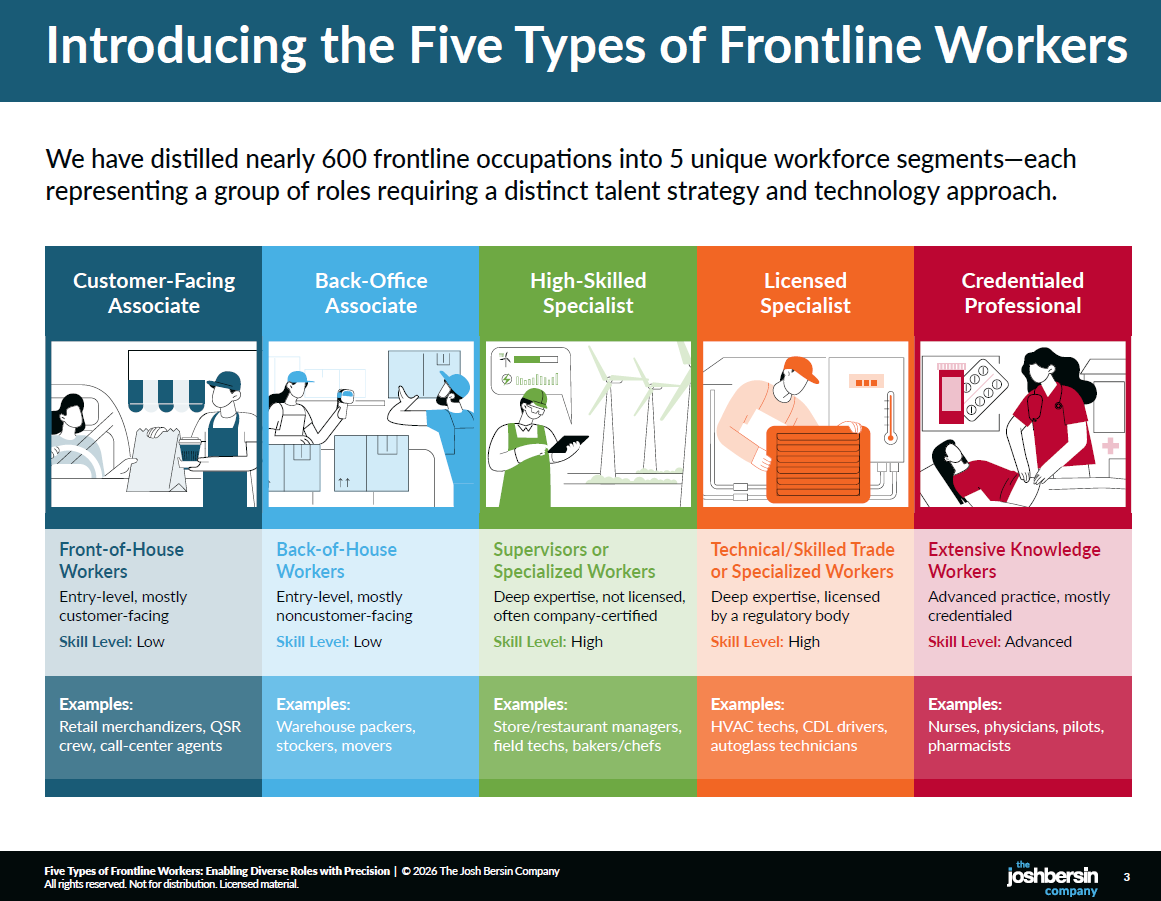
Wages are a cornerstone of frontline work, a sector that employs over 70% of the workforce. For many in roles such as retail, food service, transportation, and customer support, the pursuit of incremental hourly gains often leads to frequent job-hopping between employers. This dynamic is particularly pronounced in positions that do not require specialized pre-requisite skills, often referred to as Type 1 and Type 2 frontline workers. In such competitive environments, where a single job opening can attract dozens of applicants, the speed of response and, crucially, the compensation offered, become the dominant factors in securing talent.
Employers in these sectors often find themselves inundated with applications. The process of screening, interviewing, and conducting background checks needs to be executed with considerable speed to avoid overwhelming hiring managers and to remain competitive in the labor market. The urgency is palpable: a candidate might accept an offer on a Friday, only to fail to show up on Monday because they accepted a position elsewhere that offered a mere $5 per hour more. This phenomenon, while perhaps surprising to some, is a recurring reality for businesses reliant on a high-volume, low-skilled workforce.
The ease with which job seekers can apply for multiple positions simultaneously exacerbates this churn. The proliferation of online job platforms and automated application tools allows workers to cast a wide net. Services like jobhire.ai, jackandjill.ai, aiapply.co, and applyblast.com, along with hundreds of similar automated systems, enable candidates to apply for numerous roles with minimal effort. These "apply-bots" are constantly scanning for new opportunities. When a bot identifies a position offering a significantly higher wage – even an extra $10 per hour – a worker might swiftly transition, leaving their current employer in a lurch. This underscores a fundamental truth: in lower-skilled roles, compensation is paramount. While other factors like the nature of the job, company brand, working hours, and conditions certainly play a part, pay often serves as the baseline requirement and a primary driver of employee mobility.
A significant shift in this compensation equation is emerging due to the increasing role of tips and recent changes in tax policy. Companies can broadly be categorized into those that collect tips and those that do not. This distinction has become more pronounced, partly due to federal guidance.

For companies that collect tips, whether via cash or electronic methods, these gratuities are typically treated as an employee liability rather than direct revenue or expense for the business. This accounting treatment means tips do not directly impact a company’s profit, revenue, or capital requirements, effectively making them a "free" resource for employers. Historically, this model has been understood to incentivize employees to provide excellent customer service. In the United States, there’s a growing perception that the proliferation of tipping prompts, particularly through digital platforms, has blurred the lines, with some feeling pressured to tip even for services where it wasn’t traditionally expected. However, setting aside the nuances of current tipping culture, the structural advantage for "tipping" companies remains.
This creates a clear dichotomy: "tipping" companies, such as Starbucks and Uber, possess an inherent advantage over "non-tipping" companies like Target, Walmart, Costco, and FedEx. This advantage lies in their ability to offer potentially higher overall compensation to employees at a lower direct cost to the employer. The magnitude of this difference has been significantly amplified by recent IRS regulations.
The Impact of New IRS Rules on Tip Income
Recent legislative changes, specifically the Tax Cuts and Jobs Act of 2017 and subsequent IRS guidance, have introduced substantial financial implications for tipped workers and the businesses that employ them. According to IRS reports, the "no tax on tip" provisions, which aim to clarify tax treatment and potentially offer relief, generated a significant number of filings in the first half of 2026. These filings resulted in an average tax refund or reduction of approximately $1,300 per individual. Extrapolating these figures, the IRS has subsidized this sector with an estimated $4.5 billion.
While this represents a considerable benefit, the critical question is whether this financial relief directly translates to higher net earnings for employees or if it primarily benefits employers by allowing them to offer lower base wages. Analysis of the IRS data suggests a substantial impact on individual earnings. If the IRS figures are accurate, approximately 2.1% of all U.S. workers filed under these provisions, receiving tip-related tax benefits averaging between $7 to $11 per hour. Considering the Bureau of Labor Statistics (BLS) reports an average non-managerial hourly wage of around $32, this means tips, combined with tax benefits, could be boosting hourly earnings by nearly a third.
To contextualize this, if we assume an average federal tax rate of 8-10% for hourly workers (acknowledging that many low-wage workers pay little to no federal income tax), a $1,300 tax refund or reduction implies annual tip income ranging from $13,000 to $16,000. This is a substantial sum. When factoring in the average annual hours worked by hourly employees, typically between 1,500 to 2,000 hours (with an average around 1,700), this translates to an additional $6 to $10 per hour in tip income. When combined with the tax benefit, the total hourly augmentation from tips can indeed range from $7 to $11 per hour.
This financial incentive is substantial and directly impacts the competitiveness of businesses. For instance, consider average hourly wages across major frontline employers:
- Fast Food Workers: Base wages can range from $10 to $15 per hour, with some states mandating higher minimums for the fast-food industry, reaching up to $20 per hour in certain locations.
- Retail Associates: Typically earn between $12 to $18 per hour, depending on the retailer and geographic location.
- Delivery Drivers (Non-Tipped App Models): Base pay might be $15-$20 per hour, before accounting for expenses and potential tips.
- Tipped Service Staff (e.g., Restaurant Servers): Often earn a lower base wage, sometimes as low as the federal tipped minimum wage of $2.13 per hour, with the expectation of supplementing significantly through tips.
When the $7-$11 per hour tip income (including tax benefits) is factored in, "tipping" companies can effectively achieve a workforce cost that is approximately 35% lower than "non-tipping" companies that rely solely on base wages. This cost differential has profound implications for business strategy and labor market dynamics.
Implications and Emerging Questions
The recent changes raise several critical questions:

1. Benefit Allocation: Workers or Employers?
The primary implication is the potential for employers to leverage this benefit strategically. Companies that do not collect tips are compelled to offer higher base wages to attract and retain frontline staff. Conversely, businesses that facilitate tip collection can potentially offer lower base wages while still achieving competitive total compensation for their employees. This suggests that the federal benefit, intended to support workers, could inadvertently bolster the profitability of "tipping" companies by reducing their labor costs, potentially without a commensurate increase in overall worker earnings if base wages are suppressed.
2. The Expanding Scope of Tipping Culture
The consumer experience is increasingly characterized by ubiquitous tipping prompts. Nearly every digital transaction, from ride-sharing apps to point-of-sale systems, now includes an option to add a gratuity. Services like Uber and DoorDash have, in some instances, removed the ability to bypass the tip prompt, a change that has coincided with reports from drivers indicating a decline in their earnings. While consumers may feel compelled to tip out of a sense of obligation or guilt, recognizing the low base wages of service workers, there is growing concern that this practice is being exploited by employers to maintain low wage structures, facilitated by government subsidies.
3. Tip Distribution and Fairness
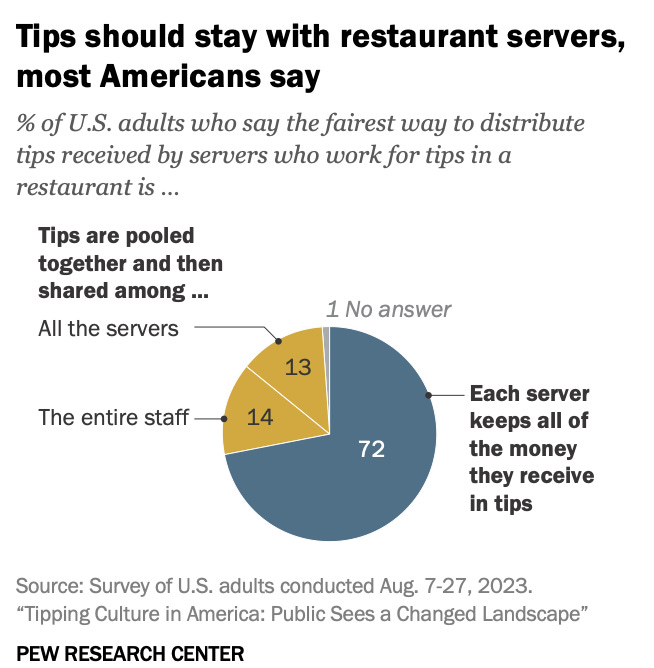
A persistent issue revolves around the equitable distribution of tips. While the increasing prevalence of digital tipping has made tracking more straightforward, studies continue to show mixed results regarding how fairly companies distribute these funds among staff. Consumers generally prefer that their tips directly benefit the individuals who provided their service, rather than being pooled and redistributed according to company policy, which can sometimes disadvantage front-line staff.
4. Income Inequality and Public Funds
The $4.5 billion in government subsidies channeled through the tax benefits for tipped income raises questions about the most effective allocation of public funds. While the political intent may have been to honor and support hourly workers, the data suggests a complex outcome where employers might be the primary beneficiaries, rather than a direct increase in the net financial well-being of all tipped employees. The substantial figures reported by the IRS warrant further scrutiny to ensure the intended policy goals are being met.
5. Societal Shift Towards a "Work for Hire" Model
The incentivization of tipping culture accelerates a broader trend toward a "work for hire" employment model, as detailed in analyses of the decoupling between workers and employers. While tips can indeed encourage a customer-centric focus among employees, they also subtly shift the employer’s role from primary wage provider to a facilitator of income, with the consumer bearing a larger share of the compensation responsibility. This dynamic can further erode the traditional employer-employee relationship and the benefits associated with it.
The long-term ramifications of these evolving compensation structures are still unfolding. The rise of tipping prompts across an ever-wider array of services suggests that this trend is likely to continue. As businesses grapple with labor shortages and the increasing cost of wages, the financial advantages offered by tip-based compensation models, amplified by tax policy, present a powerful incentive. However, the societal and economic consequences, including potential impacts on income inequality and the nature of employment itself, require ongoing observation and analysis. The debate over fair wages, the role of tips, and the effectiveness of government policy in this arena is far from over.