The traditional annual performance review, once a cornerstone of employee management, is undergoing a profound transformation. As organizations increasingly recognize the dynamic nature of work and the critical importance of employee engagement and development, the purpose and execution of performance evaluations are shifting from a retrospective assessment to a forward-looking, continuous dialogue. This evolution is driven by a growing understanding that feedback is not a once-a-year event but an ongoing process that fuels individual growth, strengthens team cohesion, and drives organizational success.
The Modern Performance Review: A Foundation for Growth and Alignment
At its core, a modern performance review is no longer solely about evaluating past accomplishments. It has evolved into a foundational, ongoing conversation designed to shape employee development and success. Beyond appraising previous work, these reviews serve to clarify expectations, ensure alignment between individual career aspirations and overarching organizational objectives, and proactively identify opportunities for professional growth and advancement. When conducted consistently and effectively, performance reviews foster a culture of trust, significantly boost employee engagement, and provide individuals with the clarity and support necessary to achieve their highest potential.
The most effective definition of a performance review today centers on it being a collaborative process that transforms feedback into tangible forward momentum. This approach emphasizes that performance management is a partnership, not a unilateral judgment. It’s about creating a feedback loop that empowers both employees and organizations to understand current performance, identify areas for improvement, and chart a course for future success.

The Imperative of Continuous Feedback
The shift towards continuous review cycles, moving away from the singular annual check-in, is a pivotal development. This approach allows organizations to tap into real-time insights, which are crucial for strengthening alignment, enhancing productivity, and building trust across all levels of the company. By integrating feedback into the daily workflow and regular interactions, companies can move beyond retrospective analysis to proactive performance management. This continuous feedback model transforms performance reviews into a dynamic partnership between employees and their managers, fostering a more agile and responsive work environment.
The purpose of performance reviews, in this modern context, is to cultivate a clear and ongoing dialogue that helps employees understand their performance trajectory, pinpoint areas of growth, and articulate the support they require to excel. Simultaneously, these feedback mechanisms empower organizations to gather valuable employee insights, which can then be acted upon to cultivate thriving teams. This cyclical nature of feedback ensures that performance management is not a static event but a living process that adapts to changing needs and priorities.
Four Pillars of Modern Performance Review Methodologies
While the fundamental goal of performance review remains consistent – to foster growth and improvement – the methods employed have diversified significantly. These approaches can be broadly categorized, offering organizations a spectrum of options to best suit their unique culture and strategic objectives. The most impactful performance review processes are those that are engaging, relevant, and actionable, directly contributing to individual growth, organizational alignment, and enhanced team performance.

1. Continuous Performance Reviews: Embracing Agility and Multi-Rater Perspectives
Continuous performance reviews are characterized by their dynamic and ongoing nature. This methodology moves away from the traditional, infrequent evaluation and embraces regular, often informal, feedback and coaching sessions. This approach acknowledges that performance is not static and requires constant attention and adjustment.
-
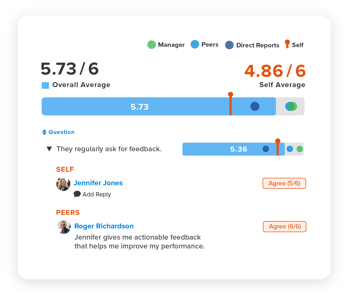
360-Degree Feedback: This multi-rater approach is essential in today’s collaborative and often matrixed work environments. By soliciting feedback from a variety of sources – including peers, direct reports, managers, and even external stakeholders – organizations gain a comprehensive and balanced perspective on an employee’s performance and impact. While primarily evaluative, 360-degree feedback is most effective when rooted in a culture of trust and focused on delivering clear, actionable insights for development. This method helps teams understand how they are perceived by different groups, fostering greater self-awareness and promoting targeted professional development.
-
Peer Feedback: Recognizing that managers cannot always observe every aspect of an employee’s contribution, peer feedback offers invaluable insights from colleagues who work closely with individuals on a daily basis. This type of feedback can surface nuances and contributions that might otherwise go unnoticed, providing a more holistic view of an employee’s strengths and collaborative efforts. Peer feedback is crucial for fostering a sense of shared responsibility and for identifying team dynamics that impact overall productivity.
-
Team Performance Feedback: This review process focuses on the collective achievements and challenges of a team. It allows managers to assess group progress, provide context-specific coaching, and identify development opportunities that benefit both individual team members and the team as a whole. Team performance reviews are vital for understanding how individual contributions coalesce into collective success and for optimizing team dynamics.

-
Upward Feedback: Empowering employees to provide feedback to their managers is a critical component of a healthy feedback loop. When approached with openness and sincerity, upward feedback allows employees to share what is working well and what could be improved from their perspective. This practice not only builds trust but also provides leaders with actionable insights to enhance their leadership effectiveness and support their teams more effectively.
2. Structured or Formal Performance Reviews: Ensuring Consistency and Transparency
Structured or formal performance reviews are scheduled evaluations that adhere to a defined process, consistent criteria, and documented expectations across the organization. These reviews typically occur at set intervals, such as annually, semi-annually, or quarterly, providing a standardized framework for assessing progress, achievements, and development needs.
-
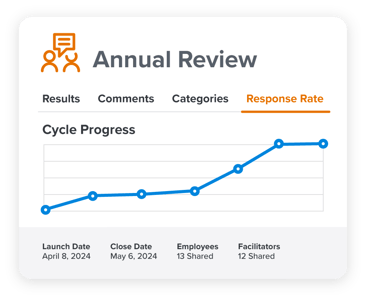
Annual Performance Review: This traditional, once-a-year evaluation offers a comprehensive assessment of an employee’s overall contributions, strengths, and areas for development. While its frequency may be debated in the context of continuous feedback, the annual review still serves a vital purpose in formalizing performance discussions, documenting achievements, and informing decisions regarding compensation, promotions, and career progression.
-
Mid-Year or Quarterly Reviews: These scheduled check-ins serve as crucial touchpoints for evaluating progress against goals and performance expectations. They offer a timely opportunity to realign objectives, provide targeted coaching, and assess the effectiveness of current strategies and resource allocation. Mid-year and quarterly reviews help ensure that performance stays on track throughout the year and allows for proactive adjustments.
-
Self-Assessment: This critical component of formal reviews fosters accountability and alignment between employees and their managers. By reflecting on their own contributions, challenges, and future aspirations, employees gain a deeper understanding of their performance. This process also equips managers with valuable insights to tailor their coaching and support, ensuring that development plans are relevant and effective.
3. Role/Project-Based Performance Reviews: Focusing on Specific Contributions
Role- or project-based performance reviews evaluate an employee’s contributions within the specific context of their responsibilities, deliverables, or defined goals. These reviews can be adapted to be single-rater (typically manager-led) or multi-rater, incorporating feedback from peers, project leads, cross-functional partners, or even clients.
-
Task-Based or KPI-Focused Review: This type of review centers on the achievement of specific performance metrics, project milestones, or task-level expectations that directly contribute to broader team or company objectives. By focusing on measurable outcomes, these reviews provide clear benchmarks for performance and highlight an employee’s ability to execute against defined goals.
-
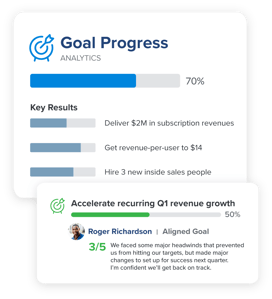
Sales Performance Review: For roles in sales, this review assesses performance against sales targets, pipeline activity, client engagement, and revenue-generating behaviors. These reviews are crucial for driving revenue growth, identifying successful sales strategies, and providing targeted coaching to improve performance in key sales areas.
-
Customer Service Review: This evaluation measures performance based on service quality, customer interactions, response times, and customer satisfaction metrics. In today’s customer-centric business landscape, these reviews are vital for ensuring a positive customer experience, identifying areas for service improvement, and fostering customer loyalty.
-
Product Development Review: This review assesses an employee’s effectiveness in driving product initiatives, from initial roadmap planning and cross-functional collaboration to execution and post-launch performance. These reviews are critical for ensuring that product development efforts align with market needs and organizational strategy, ultimately contributing to the company’s innovation and competitive edge.
4. Probationary/New Hire Reviews: Ensuring a Strong Start
Probationary or new-hire performance reviews are structured feedback mechanisms designed to assess how effectively a new employee is integrating into their role, team, and the broader company culture during their initial employment period. These reviews provide HR and managers with critical insights into the effectiveness of onboarding processes, identify areas where additional support or clarification may be needed, and gauge the new hire’s adaptation to established expectations.
-
Interview Process Feedback: Post-hire, feedback on the interview process can be invaluable. It evaluates how accurately the interview represented the role, team dynamics, and overall work culture. This feedback helps HR and managers refine their hiring practices to ensure a more accurate and positive candidate experience.
-
30-60-90 Day Feedback: This structured review system provides critical checkpoints within the first three months of employment. It assesses progress on learning objectives, milestone achievement, cultural integration, and overall performance. This phased approach ensures new hires receive timely support and guidance, facilitating a smoother transition and faster ramp-up to full productivity.
-
Manager Onboarding Feedback: Allowing new hires to provide feedback on their manager’s support during onboarding is essential. This feedback illuminates how well managers are providing guidance, clarity, communication, and training. Positive manager onboarding feedback indicates a strong support system, while areas for improvement can be addressed proactively, enhancing the overall new hire experience.
-
Cultural Alignment Review: This review examines how well a new hire is integrating into the team’s values, communication norms, and organizational behaviors. Cultural fit is increasingly recognized as a key driver of employee retention and engagement. These reviews help ensure new hires feel connected and aligned with the company’s ethos, fostering a sense of belonging and contributing to long-term success.
Key Stakeholders in the Performance Review Ecosystem
The performance review process is a collaborative effort, typically involving three key participants: Human Resources (HR), managers, and employees. Each plays a distinct and vital role in ensuring that reviews are fair, consistent, and ultimately meaningful. HR often sets the framework, provides guidance, and ensures compliance. Managers are responsible for providing ongoing feedback, conducting formal evaluations, and supporting employee development. Employees are active participants, responsible for understanding expectations, seeking feedback, and engaging in their own professional growth. When all parties actively fulfill their roles, the performance review transforms into a structured, transparent process that fosters connection, drives growth, and cultivates stronger overall performance across the organization.
Leveraging Technology for Enhanced Performance Reviews
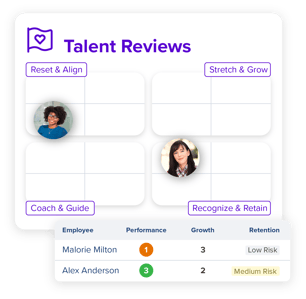
In today’s business environment, technology plays a crucial role in streamlining and enhancing the performance review process. Platforms like Quantum Workplace offer solutions designed to make performance conversations more effective, efficient, and engaging. These tools provide managers and employees with reliable context, enabling more objective and productive discussions.
Key features of such platforms often include:
- Customizable Review Modules: The ability to tailor review templates to specific departmental needs or organizational cultures ensures that evaluations are relevant and impactful.
- Manager Coaching Tools: Integration into existing workflows and formal conversation cycles helps managers build positive performance habits and conduct consistent, effective coaching.
- Response Rate Tracking: Real-time monitoring of review completion rates helps maintain accountability and ensures that performance data is collected in a timely manner.
- Goal Integration: Embedding performance goals directly into review processes allows for objective assessments and facilitates growth-oriented conversations.
- Multi-Rater Feedback Capabilities: Streamlining the collection and analysis of feedback from various sources provides a comprehensive view of performance.
- Talent Dashboards: Visualizing performance data across teams offers a high-level overview, enabling informed talent management decisions.
By embracing these technological advancements, organizations can move beyond cumbersome administrative tasks and focus on the core purpose of performance reviews: fostering employee development, driving engagement, and achieving strategic objectives. The evolution of performance reviews reflects a broader shift towards a more human-centric and data-driven approach to talent management, recognizing that continuous dialogue and support are paramount to sustained success in the modern workplace.