
The annual performance review, once a cornerstone of human resources management, is undergoing a profound transformation. Far from being a mere formality, the modern performance review has evolved into a dynamic, ongoing dialogue that fuels employee development, strengthens organizational alignment, and ultimately drives business success. This shift reflects a broader understanding of how individuals learn, grow, and contribute in today’s fast-paced work environment. The traditional, backward-looking appraisal is giving way to a forward-looking, collaborative process that prioritizes continuous feedback, clear expectations, and actionable insights.
The Modern Performance Review: A Foundational Dialogue for Growth

At its core, the contemporary performance review serves a dual purpose: to provide employees with a clear understanding of their contributions and areas for development, and to equip organizations with invaluable insights for team building and strategic decision-making. This paradigm shift emphasizes continuous feedback loops, moving beyond the constraints of a singular annual event. Organizations are increasingly adopting continuous review cycles, enabling them to harness real-time data that enhances alignment, boosts productivity, and cultivates a culture of trust. This approach transforms performance reviews into a true partnership between employees and their managers, fostering a shared commitment to individual and collective success.
The definition of a performance review today centers on a collaborative process designed to translate feedback into tangible progress. It’s no longer solely about evaluating past performance; it’s about clarifying current expectations, ensuring individual goals are synergistically aligned with overarching organizational objectives, and identifying fertile ground for professional development and career advancement. When consistently implemented, these ongoing conversations build robust trust, significantly improve employee engagement, and provide individuals with the clarity and support necessary to achieve their full potential. The ultimate aim is to foster continuous improvement and growth, guiding employees towards a deeper connection with their roles and the organization’s mission.
Key Takeaways

- Evolution of Purpose: Performance reviews have shifted from annual appraisals to ongoing, forward-looking dialogues.
- Employee Growth: They are central to employee development, clarifying expectations and identifying advancement opportunities.
- Organizational Alignment: Reviews ensure individual goals are aligned with company priorities, fostering productivity and trust.
- Continuous Feedback: Modern approaches emphasize real-time feedback over infrequent formal check-ins.
- Collaborative Process: The focus is on a partnership between employees and managers to drive momentum.
Four Pillars of Modern Performance Review Strategies
While the fundamental goal of performance reviews remains consistent – to foster improvement and growth – the methods employed have diversified to meet the complexities of the modern workplace. These approaches can be broadly categorized to offer a comprehensive framework for evaluation and development. Organizations are increasingly recognizing that a one-size-fits-all model is insufficient, opting instead for flexible strategies that resonate with their unique culture and operational needs.
1. Continuous Performance Reviews: Embracing Agility and Real-Time Insights
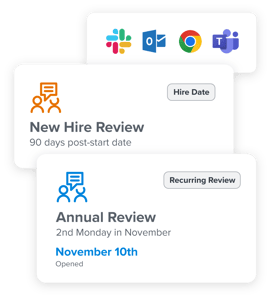
Continuous performance reviews represent a significant departure from traditional models, emphasizing regular, informal check-ins and ongoing feedback rather than infrequent, high-stakes evaluations. This agile approach allows for timely adjustments, immediate recognition of achievements, and swift intervention for performance challenges. The underlying principle is that feedback is most impactful when it is delivered close to the event or behavior it addresses, enabling employees to learn and adapt more effectively.
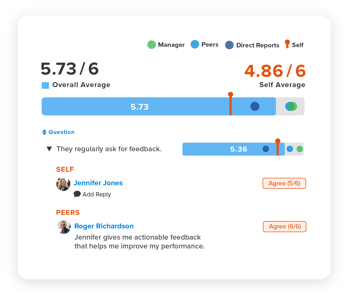
- 360-Degree Feedback: This multi-rater approach incorporates perspectives from peers, subordinates, and supervisors, offering a holistic view of an employee’s performance. In today’s interconnected and often matrixed work environments, this comprehensive feedback is crucial for understanding an individual’s impact across different relationships and functions. When built on a foundation of trust and focused on actionable development, 360-degree feedback can illuminate blind spots and foster self-awareness. For example, data from companies utilizing 360 feedback often shows a correlation between its implementation and increased employee engagement, as individuals feel more valued and understood when multiple voices contribute to their development.
- Peer Feedback: Recognizing that managers cannot observe every interaction, peer feedback taps into the unique insights of colleagues who work alongside employees daily. This form of feedback is invaluable for assessing collaboration, teamwork, and interpersonal skills that might not be apparent in formal reporting structures. A robust peer feedback system can surface issues related to communication, project contributions, and team dynamics, leading to a more cohesive and productive work environment. Studies have indicated that organizations with strong peer feedback mechanisms report higher levels of psychological safety, encouraging greater risk-taking and innovation.
- Team Performance Feedback: Moving beyond individual assessments, team performance reviews evaluate the collective progress and effectiveness of a group. This allows managers to identify strengths and weaknesses within the team, provide targeted coaching, and foster a shared sense of accountability. By analyzing how individuals contribute to team goals, managers can identify opportunities for cross-training, resource allocation, and process improvement. This approach is particularly relevant in project-based organizations where collaborative output is paramount.
- Upward Feedback: This mechanism empowers employees to provide feedback to their managers, creating a crucial two-way communication channel. When approached with openness and transparency, upward feedback fosters trust and drives continuous improvement at all levels of leadership. It allows employees to voice concerns, suggest improvements, and share what is working well from their perspective, providing leaders with actionable insights to refine their management style and support their teams more effectively. Companies that actively solicit and act upon upward feedback often report lower employee turnover and higher levels of managerial effectiveness.
2. Structured or Formal Performance Reviews: Ensuring Consistency and Objectivity
Structured or formal performance reviews are characterized by a defined process, consistent criteria, and documented expectations applied across the organization. These reviews typically occur on a predetermined schedule – annually, semi-annually, or quarterly – providing a clear framework for assessing progress, celebrating achievements, and identifying developmental needs. Their importance lies in fostering transparency, ensuring fairness in evaluations, and providing leadership with data-driven insights for critical decisions regarding promotions, compensation, and succession planning.
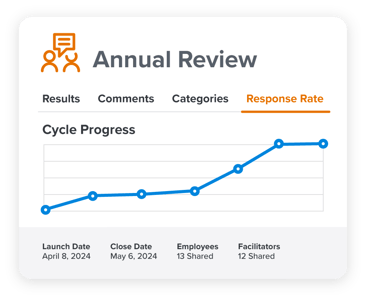
- Annual Performance Review: This traditional, yet still relevant, evaluation provides a comprehensive, once-a-year assessment of an employee’s overall contributions, strengths, and areas for growth. While it can be a significant event, its effectiveness is amplified when supplemented by continuous feedback throughout the year. Annual reviews serve as a formal touchpoint to summarize accomplishments, revisit long-term goals, and set the stage for the year ahead. Research suggests that when annual reviews are preceded by regular informal check-ins, they are perceived as more fair and constructive by employees.
- Mid-Year or Quarterly Reviews: These scheduled check-ins offer opportunities to assess progress against goals and performance expectations, providing a crucial mid-point correction or reinforcement. They allow for timely realignment of objectives, targeted coaching, and an ongoing pulse on the efficacy of departmental strategies and resource utilization. These reviews prevent performance issues from escalating and ensure employees remain on track toward their objectives, fostering a proactive rather than reactive management approach.
- Continuous Performance Review (as a structured element): While also a category in itself, the concept of continuous review can be integrated into structured cycles. This might involve managers being prompted to provide brief, documented feedback on specific projects or achievements throughout the year, which then informs the more comprehensive formal review. This hybrid approach blends the benefits of real-time feedback with the accountability of a formal process.
- Self-Assessment: Empowering employees to conduct self-assessments strengthens their sense of ownership and accountability. It provides managers with valuable insights into an employee’s own perception of their performance, challenges, and aspirations, enabling more targeted and effective coaching. This reflective practice encourages employees to critically evaluate their contributions and proactively identify areas where they can improve or seek support, fostering a culture of self-awareness and continuous learning.
3. Role/Project-Based Performance Reviews: Contextualizing Contributions
Role- or project-based performance reviews assess an employee’s contributions within the specific context of their responsibilities, deliverables, and objectives. These reviews can be adapted to include input from various stakeholders, depending on the organizational culture and the nature of the work. They are instrumental in maintaining alignment with organizational goals, identifying execution gaps or resource needs, and fostering cross-functional collaboration by clearly demonstrating the impact of individual and team efforts on broader outcomes.
- Task-Based or KPI-Focused Review: This type of review centers on how effectively an employee meets defined performance metrics, project milestones, or task-level expectations. By focusing on quantifiable outcomes, these reviews provide clear benchmarks for performance and ensure that individual efforts directly contribute to team and company-wide objectives. This approach is particularly effective in roles with clearly defined deliverables and measurable outputs, such as operations or project management.
- Sales Performance Review: This specialized review assesses an employee’s effectiveness based on sales targets, pipeline management, client engagement, and revenue-generating activities. It provides a critical measure of a sales team’s contribution to the company’s financial health and identifies areas where individual reps may need additional training or support. Data consistently shows that organizations with robust sales performance review processes experience higher conversion rates and improved sales cycles.
- Customer Service Review: Evaluating performance based on service quality, customer interactions, response times, and satisfaction metrics, this review is crucial for organizations that prioritize client experience. Positive customer service reviews directly correlate with customer loyalty, retention, and positive brand perception. Companies that excel in customer service often attribute their success to regular reviews and coaching focused on customer interaction skills.
- Product Development Review: This review assesses an employee’s effectiveness in driving product initiatives, from initial roadmap planning and cross-functional collaboration to execution and post-launch performance. It is vital for understanding how product teams are contributing to innovation and market competitiveness. Effective product development reviews can identify bottlenecks in the development lifecycle and ensure products meet market demands and strategic objectives.
4. Probationary/New Hire Reviews: Laying the Foundation for Success
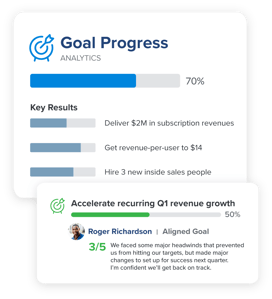
Probationary or new-hire performance reviews are structured feedback mechanisms designed to assess how well a new employee is integrating into their role, team, and the company culture during the initial stages of employment. These reviews provide HR and managers with critical insights into the effectiveness of onboarding processes, identify areas where additional support or clarification may be needed, and gauge the new hire’s adaptation to expectations.
- Interview Process Feedback: Post-hire, gathering feedback on the interview process from the new employee helps assess whether the role, expectations, team dynamics, and overall work culture were accurately represented. This feedback is invaluable for refining recruitment strategies and ensuring the candidate experience aligns with the reality of the position.
- 30-60-90 Day Feedback: These structured checkpoints over the first three months provide a clear roadmap for evaluating progress, learning curves, milestone achievements, cultural integration, and overall performance. This phased approach allows for early identification of potential issues and provides timely support to help the new hire succeed. Organizations that implement structured 30-60-90 day plans report higher new hire retention rates.
- Manager Onboarding Feedback: This review allows new hires to evaluate their manager’s effectiveness in providing guidance, clarity, communication, and training. It helps identify opportunities for managers to improve their onboarding support, ensuring new employees feel welcomed and adequately resourced.
- Cultural Alignment Review: This assessment examines how well a new hire is integrating into the team’s values, communication norms, and organizational behaviors. Successful cultural integration is a key predictor of long-term employee engagement and retention. Reviews focused on cultural alignment help ensure a good fit for both the employee and the organization.
Who is Involved in the Performance Review Process?
A successful performance review process is a collaborative effort involving key stakeholders: Human Resources, managers, and employees. Each plays a distinct and vital role in ensuring that reviews are fair, consistent, and genuinely contribute to individual and organizational growth.
- Human Resources: HR departments typically design and oversee the performance management system, providing guidelines, training, and ensuring compliance with company policies and legal requirements. They are instrumental in standardizing processes and maintaining data integrity.
- Managers: Managers are on the front lines of performance management, conducting regular check-ins, providing feedback, setting expectations, and formally evaluating employee performance. Their active participation and commitment are crucial for the process’s effectiveness.
- Employees: Employees are active participants, engaging in self-assessments, seeking feedback, discussing their performance and development goals with their managers, and contributing to a culture of continuous improvement. Their engagement ensures reviews are a two-way street.
When all team members actively engage in their respective roles, the performance review evolves from a bureaucratic exercise into a structured, transparent, and impactful process that fosters connection, supports growth, and drives stronger overall performance.
Streamlining Performance Reviews with Quantum Workplace
The complexities of modern performance management can be significantly simplified through the strategic use of technology. Quantum Workplace offers a comprehensive performance review software designed to enhance the effectiveness, efficiency, and engagement of these critical conversations. By providing managers and employees with reliable context and intuitive tools, the platform facilitates more objective and productive discussions, fostering a culture of continuous improvement.
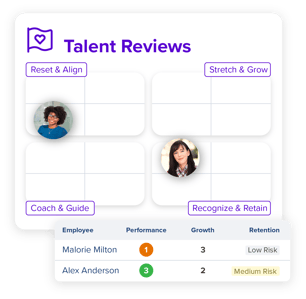
Quantum Workplace’s solutions empower organizations to:
- Customize Reviews: Tailor review modules to align with specific organizational needs and cultural nuances, allowing for flexible measurement of what matters most.
- Build Positive Manager Habits: Integrate performance management into existing workflows, making it easier for managers to coach effectively and ensuring consistent touchpoints through formal conversation cycles.
- Track Response Rates: Monitor the status of review cycles in real-time, promoting accountability and providing insights into participation levels across teams.
- Embed Performance Goals: Seamlessly integrate performance goals into evaluations, enabling managers to conduct objective, growth-oriented conversations that directly support strategic objectives.
- Orient Around Multi-Rater Feedback: Incorporate feedback from various sources into review cycles, offering a well-rounded perspective that supports development-focused performance conversations.
- Visualize Talent Data: Utilize talent dashboards to gain a comprehensive organizational view, enabling informed decisions regarding talent retention and development strategies.
By leveraging such platforms, organizations can transform their performance review processes from a potentially burdensome obligation into a strategic advantage, driving employee engagement, fostering talent development, and ultimately contributing to sustained business success.