
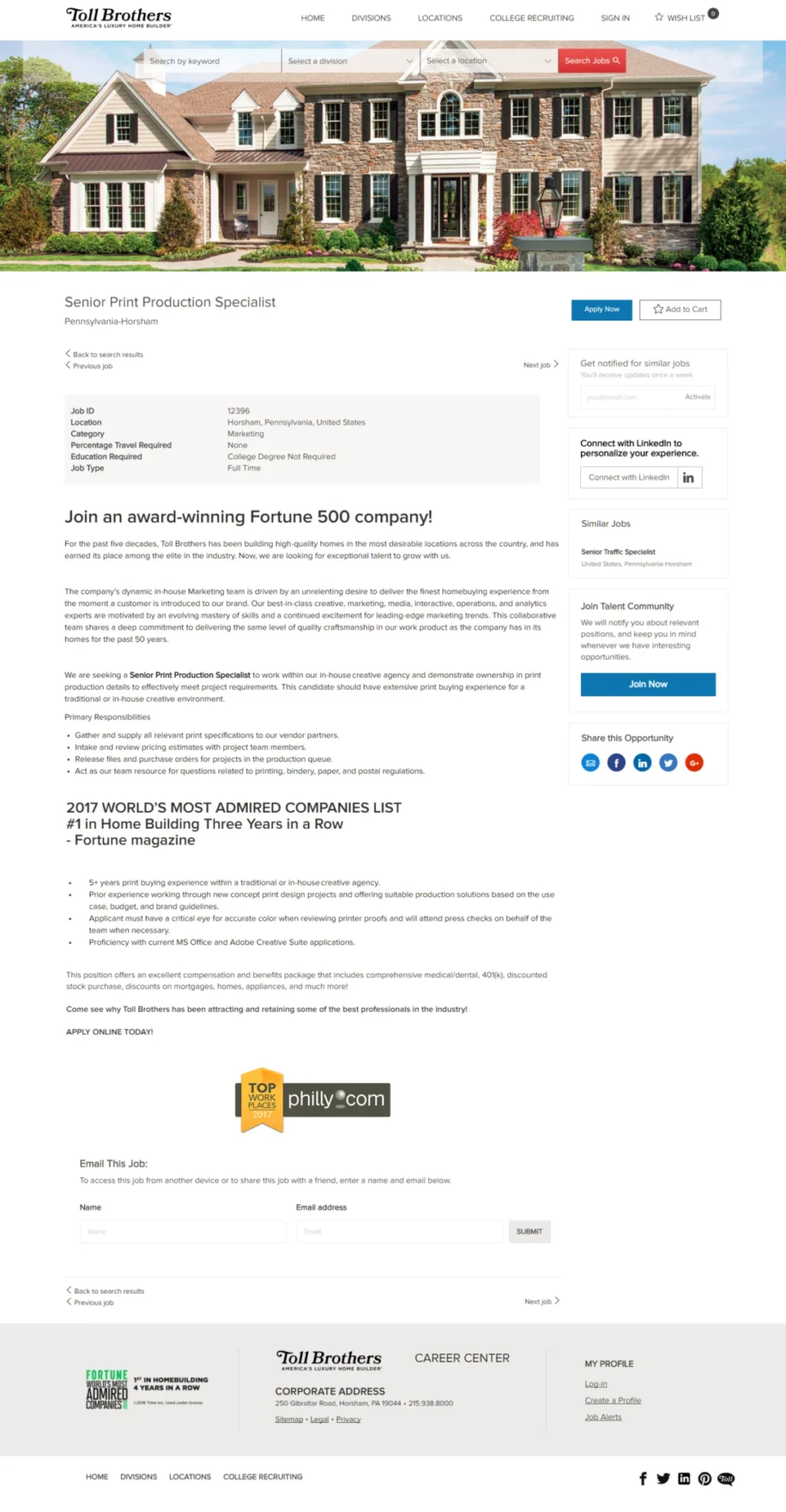
The paradigm of talent acquisition has undergone a profound transformation, moving beyond static job listings to embrace dynamic, engaging, and candidate-centric advertisements. In an increasingly competitive global talent market, employers are recognizing that effective job descriptions (JDs) are not merely administrative documents but powerful branding tools that attract top-tier professionals. This shift necessitates a strategic and creative approach to communicate not only job requirements but also the unique value proposition, culture, and long-term potential offered by an organization.
The Evolution of Job Advertisements: A Historical Perspective
The journey of the job advertisement reflects broader societal and technological changes. Historically, job postings were confined to newspaper classifieds, offering terse, information-dense text primarily focused on duties and qualifications. The advent of the internet in the late 20th century ushered in the era of online job boards, digitizing these traditional listings. However, these early digital iterations often mirrored their print predecessors in format and content.
As the digital landscape matured and the battle for talent intensified, particularly from the mid-2010s into the 2020s, a new imperative emerged: to humanize the recruitment process. Companies began to understand that candidates were not just seeking a role but a career, a culture, and a community. This realization spurred a move towards more robust, multimedia-rich, and engaging job advertisements. The period between 2018 and 2026, as evidenced by leading industry examples, marks a critical acceleration in this evolution, where job ads transformed into sophisticated marketing tools designed to captivate and inform potential employees. This contemporary approach emphasizes transparency, authenticity, and a holistic view of the employee experience, signaling a permanent departure from the bare-bones listings of yesteryear.
Key Pillars of Modern Job Descriptions
To stand out in this evolving environment, contemporary job descriptions must incorporate several vital components, each meticulously crafted to resonate with today’s discerning job seekers. These elements collectively form a compelling narrative that goes far beyond a simple list of tasks.
-
Strategic Job Titles: The job title serves as the initial hook, dictating visibility in search results and shaping candidate perception. While creative titles, such as "Chief Meme Officer," might garner attention, their primary function remains accurate representation of the role. A balance must be struck between innovation and clarity to ensure that the title is both intriguing and searchable. Ambiguous titles can deter qualified candidates who might overlook a relevant opportunity due to a lack of immediate understanding, underscoring the need for precision alongside originality.
-
Compelling Summaries and Role Overviews: Following the title, the summary acts as the advertisement’s elevator pitch. It must provide a concise yet captivating snapshot of the role, highlighting its core purpose, key contributions, and the unique aspects of the company. This section is crucial for immediate engagement, enticing candidates to delve deeper into the full description. Effective summaries use clear, accessible language, avoiding jargon, and immediately conveying why the position and the organization are appealing. It’s an opportunity to articulate the company’s mission and how the role contributes to it, providing a sense of purpose from the outset.
-
Detailed Yet Concise Responsibilities: This section outlines the day-to-day tasks and overarching expectations for the role. Clarity and specificity are paramount. Job seekers require a granular understanding of their potential duties to assess their suitability and interest. Industry best practices suggest presenting responsibilities using strong action verbs and bulleted lists, which enhance readability and allow candidates to quickly grasp the scope of the position. For instance, instead of "manage projects," a more effective phrase would be "lead cross-functional teams in agile project delivery," painting a clearer picture of accountability and impact.
-
Re-evaluating Qualifications: A Skills-First Approach: The traditional emphasis on academic degrees for all roles is being critically re-examined. An ongoing debate within human resources and talent acquisition circles questions the necessity of specific degree requirements, acknowledging that they can inadvertently exclude highly capable individuals. Many roles, particularly in technical fields, can be adequately performed by candidates with relevant certifications, vocational training, or demonstrated competencies acquired through experience. A skills-first approach prioritizes practical abilities and proven expertise over formal credentials, broadening the talent pool and fostering greater diversity. This progressive methodology not only enhances access to talent but also aligns with the evolving demands of a dynamic job market where continuous learning and adaptability are highly valued. Organizations adopting this approach gain a competitive advantage by tapping into a wider, often overlooked, pool of skilled professionals.
-
Transparent Benefits and Employee Value Proposition (EVP): Beyond compensation, a comprehensive benefits package and a clearly articulated Employee Value Proposition (EVP) are critical motivators for candidates. Modern job seekers increasingly prioritize work-life balance, comprehensive health and wellness programs, and robust parental benefits, including paid family leave. Transparency regarding salary ranges has also become a non-negotiable expectation for many, fostering trust and streamlining the application process. Highlighting unique company offerings, such as flexible work arrangements, professional development opportunities, or employee assistance programs, provides a holistic view of the employer’s commitment to its workforce’s well-being and growth. Industry forecasts suggest that benefits such as enhanced parental support and greater insurance subsidies will continue to be primary drivers for candidate choice through 2026.
-
Showcasing Authentic Company Culture: The cultural alignment between a candidate and an organization is a significant factor in long-term retention and job satisfaction. Job descriptions are invaluable platforms for showcasing a company’s values, ethos, and unique work environment. This can be achieved through employee testimonials, short embedded videos, or vivid descriptions of daily life within the organization. Innovative "pro tips," such as incorporating a visual "first 90-day roadmap," can provide new hires with a welcoming guide to company rituals (e.g., "healthy fruit Mondays," "gong celebrations for top performers," "reverse mentoring opportunities"). Such initiatives mitigate onboarding anxiety, particularly for entry-level positions, and offer a tangible glimpse into the company’s supportive and engaging atmosphere.
Fostering Inclusivity and Diversity in Recruitment
In the contemporary corporate landscape, diversity, equity, and inclusion (DEI) are not merely ethical considerations but strategic imperatives for organizational success. Crafting job advertisements with an inclusive lens is fundamental to attracting a broad and representative candidate pool.
-
The Imperative of Inclusive Language: The language used in job descriptions profoundly impacts who feels invited to apply. Avoiding gendered terms, ageist phrases, or culturally biased expressions is crucial. Instead, the focus should be on neutral, welcoming terminology that describes the role and its requirements without inadvertently deterring candidates from underrepresented groups. Studies consistently show that seemingly innocuous words can create unconscious biases, narrowing the applicant funnel.
-
Leveraging Technology for Bias Detection: To address inherent human biases, many organizations are turning to AI-powered solutions. Tools like Ongig’s Text Analyzer utilize sophisticated algorithms to identify and rectify biased language within job descriptions at scale. This technological assistance enables companies to create impactful JDs that resonate with a diverse audience, minimizing the risk of unconsciously alienating top talent. The systematic removal of biased language ensures that job opportunities are perceived as equally accessible to all qualified individuals.
-
Cultural Add vs. Cultural Fit: A nuanced understanding of "cultural fit" is also essential. Instead of seeking candidates who merely conform to existing norms, progressive organizations prioritize "cultural add." This philosophy values individuals who bring unique perspectives, experiences, and backgrounds that enrich and diversify the existing team. Emphasizing a company’s commitment to fostering an inclusive work environment, where all employees feel valued, respected, and empowered to contribute their distinct viewpoints, is critical in attracting this valuable cultural add.
Maximizing Reach: SEO and Digital Visibility
Even the most compelling job advertisement will fail to attract top talent if it remains undiscovered. Optimizing job descriptions for search engines is therefore a critical component of modern recruitment strategy.
-
Strategic Keyword Integration: Understanding the terminology job seekers use to search for roles is paramount. Incorporating these keywords naturally throughout the job description—in the title, summary, responsibilities, and qualifications—significantly enhances its visibility on job boards and search engines. A strategic approach ensures that the ad appears prominently in relevant search results.
-
Location-Specific Optimization: For roles tied to a specific geographic area, including the city, region, and even precise neighborhood in the job title and description is vital. This enables local candidates to easily discover opportunities in their vicinity, enhancing the relevance and effectiveness of the posting. Recruitment management platforms like Workable facilitate this by allowing recruiters to filter candidates based on preferred locations and manage ads across multiple offices.
-
Structured Data and Platform Optimization: Implementing structured data (e.g., schema.org markup) within job postings helps search engines better understand and display job listings. This can include explicit information about job titles, locations, salary ranges, and employment types, making the ad more machine-readable and increasing its chances of appearing in rich snippets or dedicated job search features.
-
The Mobile Imperative: A workforce survey revealed that a significant 67% of candidates apply for jobs from their mobile devices. This statistic underscores the absolute necessity of mobile-optimized job ads and application processes. Job descriptions must be responsive, load quickly, and be easily navigable on smaller screens to provide a seamless and positive candidate experience. Any friction in the mobile application process can lead to high abandonment rates, effectively repelling a large segment of the potential talent pool.
Effective Communication of Company Culture
Beyond the bullet points of responsibilities, a job description is a powerful medium for conveying the essence of a company’s culture. This communication is instrumental in attracting individuals who will not only perform well but also thrive within the organizational ecosystem.
-
Reflecting Company Values: The job description serves as a window into the organization’s soul, allowing companies to articulate their core values. Whether these values center on innovation, sustainability, social impact, or work-life integration, their clear expression helps candidates determine alignment. Organizations increasingly highlight awards such as the "Glassdoor Employees’ Choice Award," "Built In Best Places to Work," "Great Place To Work®" certifications, and even B Corp certifications to validate their commitment to ethical practices and employee satisfaction.
-
Painting a Picture of Your Work Environment: Descriptive language that evokes the daily work environment, whether it’s a dynamic startup atmosphere or a more structured corporate setting, helps prospective candidates visualize themselves within the organization. This transparency sets realistic expectations and aids candidates in self-assessing their cultural fit.
-
Showcasing Employee Benefits and Perks: The tangible benefits offered, from competitive compensation and robust health packages to unique perks like on-site childcare, flexible hours, or professional development budgets, are integral to the company culture. Highlighting these aspects demonstrates the organization’s investment in its employees’ well-being and growth, reinforcing its attractiveness as an employer.
-
Fostering Connection with Prospective Candidates: An effectively communicated company culture cultivates an immediate connection with candidates whose personal values resonate with the organization’s ethos. This early connection can significantly influence application rates and the quality of applicants, leading to more engaged and motivated employees from day one.
-
Enhancing Employee Retention: The accuracy and authenticity of cultural portrayal in job descriptions play a crucial role in long-term employee retention. By setting realistic expectations upfront, companies reduce the likelihood of disillusionment post-hire, contributing to higher job satisfaction and lower turnover rates.
Continuous Improvement: A Data-Driven Approach
The process of crafting effective job descriptions is not a one-time task but an ongoing cycle of feedback, analysis, and refinement. Continuous improvement ensures that recruitment efforts remain agile and responsive to evolving market demands and organizational needs.
-
Listen to Feedback: Actively soliciting and integrating feedback from various stakeholders—candidates, newly hired employees, and hiring managers—is crucial. Recurring questions, areas of confusion, or suggestions for improvement indicate where adjustments are needed to clarify and enhance job ads. This iterative feedback loop is vital for responsive talent acquisition.
-
Analyze Performance Data: A deep dive into performance metrics provides actionable insights. Tracking job description views, application rates, and, critically, the quality of candidates yielded (measured by their organizational performance and retention) can reveal areas for optimization. For example, high views coupled with low application rates might suggest an unoptimized call to action or a mismatch between the summary and the detailed requirements. Conversely, high application rates with low hiring quality could point to vague skill requirements that attract unsuitable candidates. AI sentiment analysis can further aid in identifying subtle trends in candidate feedback, such as a consistent desire for specific benefits like floating holidays or wellness programs, signaling potential gaps in existing talent policies.
-
Stay Agile and Flexible: The organizational landscape, industry standards, and candidate expectations are in constant flux. Job descriptions must therefore remain adaptable, reflecting new strategic priorities, evolving initiatives, or shifts in company culture. This flexibility ensures that job ads remain relevant and aligned with overarching organizational goals. User accessibility standards and job seeker behaviors, such as the increasing reliance on mobile devices for job applications, also necessitate continuous design and format adjustments.
-
Test and Iterate: Experimentation is key to optimization. A/B testing different versions of job descriptions—varying titles, summaries, visuals, or calls to action—can provide empirical data on what resonates most effectively with target audiences. This data-driven approach allows for continuous refinement, ensuring maximum impact.
-
Regularly Review and Update: Periodic review and updating of all job descriptions are essential. Even for roles that have not undergone significant changes, revisiting and refreshing the language ensures accuracy, relevance, and alignment with current employer branding efforts. This proactive approach maintains the integrity and effectiveness of the recruitment pipeline.
Conclusion
The modern era of talent acquisition demands a sophisticated, multi-faceted approach to job advertisements. By embracing creative content, prioritizing inclusivity, optimizing for digital visibility, authentically communicating company culture, and committing to continuous, data-driven improvement, organizations can transform their job descriptions into powerful tools for attracting, engaging, and retaining the best talent. This strategic evolution is not merely about filling vacancies but about building resilient, diverse, and high-performing teams that drive organizational success in a dynamic global economy.






