The strategic implementation of employee recognition programs is a cornerstone of effective human resources leadership, yet the financial constraints faced by organizations often present a significant hurdle. Recognizing employee contributions in a way that feels authentic, timely, and genuinely valued is paramount, but the reality is that budgets are not uniform across departments or companies. What might be a generous allocation for one team could be an unattainable aspiration for another. Instead of allowing budgetary limitations to dictate the impact of appreciation efforts, organizations are increasingly focusing on creativity and intentionality—the true drivers of memorable and effective recognition.
The notion that impactful appreciation solely stems from significant spending is a misconception. The most profound gestures of gratitude are often rooted in personalization, timeliness, and an understanding of individual employee preferences. In many cases, the most meaningful acknowledgments incur minimal to no financial cost. Investing time, engaging in thoughtful conversations, offering flexibility, or publicly expressing gratitude are consistently ranked among the most valued rewards employees receive. Indeed, research indicates that over 50% of employees consider recognition for their efforts more important than a 10% pay raise, and a staggering 85% of employees report that feeling appreciated directly impacts their productivity. When these fundamental, low-cost actions are complemented by occasional tangible rewards, the result is a workplace culture that fosters a sense of being seen, valued, and sustained.
This comprehensive guide explores practical, readily implementable employee appreciation strategies, categorized by budget. It moves from zero-cost options designed to cultivate everyday goodwill to low- and mid-range choices suitable for spot recognition, culminating in premium rewards befitting major milestones. The aim is to provide a versatile toolkit, enabling organizations to blend free, cost-effective, and higher-value tactics to create a recognition framework that is frequent, equitable, and genuinely resonant with their workforce. As the adage goes, "When budgets are tight, your most valuable resources are time, attention, and flexibility."
Maximizing Impact with Zero-Cost Recognition Strategies
The most impactful forms of recognition often cost nothing in terms of direct financial outlay; they require an investment of attention. By dedicating time, offering specific feedback, and demonstrating flexibility, organizations can make employees feel seen and valued in ways that monetary rewards alone cannot achieve. These zero-cost gestures are inherently inclusive and scalable, offering a rapid and effective means of boosting morale and engagement. Common examples include timely public shout-outs, peer nominations, providing schedule flexibility, conducting growth-oriented conversations, or sending a handwritten note.
These seemingly small, yet intentional, actions send a powerful message: "I notice you, I value your contribution, and I care about how you prefer to be recognized." This cultivates consistent momentum towards a stronger organizational culture without imposing additional financial burdens.

Flexible Time Off and Scheduling
Offering small concessions in terms of time or schedule control can be perceived as a significant expression of gratitude. When an employee consistently goes above and beyond, acknowledging their extra effort with compensatory time off or greater autonomy over their schedule can be highly effective. For instance, a manager might say, "Thank you for staying late to ensure the successful release of our project. To acknowledge your dedication, please feel free to start an hour later tomorrow, and block out your first hour for uninterrupted deep work – no meetings allowed." Such gestures demonstrate a clear understanding of the demands placed on employees and a willingness to reciprocate their commitment.
To ensure fairness and practicality in implementing flexible scheduling, organizations should establish clear guidelines. This involves defining eligibility criteria, outlining the process for requesting flexibility, and ensuring that these arrangements do not negatively impact team productivity or client service. Transparency in these policies helps prevent misunderstandings and promotes equitable application across the workforce.
Public Recognition and its Amplifying Effect
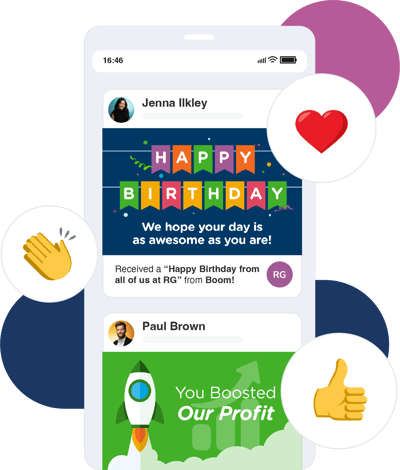
Public praise, when executed thoughtfully, not only uplifts the individual being recognized but also serves as a powerful model for desired behaviors across the entire team or organization. Companies like Reward Gateway, for example, utilize their internal employee engagement platform (EXP) to facilitate the sending of e-cards, dubbed "boom!," to celebrate achievements, significant moments, and both large and small wins. This practice fosters cross-team transparency and collaboration, helping employees understand how their individual contributions fit into the broader organizational picture.
Best practices for public recognition include being specific about the achievement, highlighting the positive impact of the employee’s actions, and ensuring the recognition is delivered through channels accessible to the relevant audience. Platforms for free public recognition can include internal communication channels such as company-wide emails, team meetings, internal social media platforms, or dedicated recognition channels within collaboration tools.
Empowering Peer Shout-Outs
Peer-to-peer recognition is a potent mechanism for scaling appreciation beyond the managerial hierarchy, surfacing valuable contributions that leaders might otherwise overlook. Employees regularly balance their individual responsibilities with collaborative efforts, and empowering them to acknowledge and thank one another significantly boosts internal culture. This practice also fosters greater cross-departmental empathy and collaboration, helping to dismantle silos and enhance overall team cohesion.
To initiate a successful peer recognition program, organizations can provide starter prompts designed to encourage thoughtful acknowledgments. Examples include: "Whose work made your week easier?" or "Who embodied our core value of ‘We Own It’ this sprint?" Establishing a clear process for peer shout-outs, such as a dedicated platform or regular team meeting segment, is crucial. Maintaining the health of such a program involves encouraging sincerity, ensuring recognition is distributed broadly rather than concentrated among a few, and providing feedback on the quality and impact of the nominations.
Leveraging Career Development as Recognition
Growth and development represent one of the most meaningful forms of appreciation, and many avenues for this are available at no direct financial cost, particularly when leveraging in-house expertise and real-world project opportunities. Zero-cost development ideas include offering opportunities to mentor junior colleagues, allowing employees to lead small projects or initiatives, providing access to internal training sessions led by subject matter experts, or encouraging participation in cross-functional team projects that offer exposure to new areas.
To make these development opportunities effective, organizations should ensure alignment with the employee’s career aspirations, provide clear objectives and support, and offer constructive feedback throughout the process. Integrating these opportunities into regular one-on-one meetings and performance reviews can help ensure they are not overlooked.
The Enduring Power of Handwritten Notes
A thoughtful, handwritten note transforms a simple acknowledgment into a tangible keepsake, signaling that the giver invested personal time and attention to detail. While digital thank-you notes serve a similar purpose and can minimize paper usage—appealing to organizations with corporate social responsibility and waste reduction objectives—the personal touch of a handwritten message remains uniquely impactful.
Tips for maximizing the impact of handwritten notes include being specific about the reason for the thanks, expressing genuine appreciation, and ensuring the note is delivered promptly. Handwritten notes can be utilized in various contexts, such as after a successful project completion, to acknowledge consistent hard work, to express gratitude for going the extra mile, or simply as a spontaneous gesture of appreciation.
Mid-Range Appreciation: $25-$100 Investment
This budget tier represents a "sweet spot" for many teams, offering sufficient funds to support meaningful experiences and professional development opportunities while remaining accessible for mid-sized groups and leaner budgets. Investing in this range allows organizations to move beyond small tokens to provide recognitions that feel substantial, shareable, and memorable, all while maintaining program scalability and fairness. The guiding principle here is to pair thoughtful moments with opportunities for development or enhanced experiences, creating a cadence of recognition that is both meaningful and resource-efficient.
Professional Development Stipends
A modest professional development stipend sends a clear and powerful message: "We invest in your growth." With an allocation of $25 to $100, employees can purchase a relevant book, enroll in a short online course or webinar, or cover the cost of a micro-credential. These investments empower individuals to acquire new skills, deepen their expertise, and stay current in their fields.

Implementing these stipends involves establishing clear guidelines on eligible expenses and the approval process. To make them truly meaningful, organizations should encourage employees to align their chosen development activities with their career goals and the company’s strategic objectives. This ensures that the investment benefits both the individual and the organization.
Catered Team Events
Food and shared experiences are powerful catalysts for fostering connection and rewarding collective effort. Within this budget, organizations can arrange for catered team lunches, send snack boxes to remote team members, or host informal offsite coffee hours. These events provide opportunities for team members to connect on a personal level, celebrate recent successes, and build stronger working relationships.
Practical tips for organizing catered events include polling team members for dietary preferences and restrictions, choosing venues or delivery services that accommodate remote employees, and ensuring the event timing is conducive to participation. These events serve not only as a reward but also as a valuable team-building exercise.
Local Experience Passes
Small, localized experiences can be highly memorable and are often cost-effective. This can include providing tickets to local museums or zoos, offering a spot in a community pottery class, or granting a drop-in pass to a local fitness studio. These opportunities allow employees to engage with their local community, explore new interests, and enjoy experiences outside of their usual work routine.
When rolling out local experience passes, organizations should consider geographical distribution and employee preferences, ensuring a diverse range of options. Accessibility and fairness are key considerations, with efforts made to provide equitable opportunities across different locations and employee needs.
"Choose Your Own Reward" Marketplaces
Reward marketplaces offer employees the flexibility to select rewards that are personally meaningful to them. This can include gift cards to their favorite retailers, access to gadgets, unique experiences, or the option to donate to a charity of their choice, all while simplifying program administration for the organization. These platforms empower employees by giving them agency in how they are recognized.

Implementation tips for reward marketplaces involve selecting a reputable provider, clearly communicating the available rewards and their associated values, and ensuring the platform is user-friendly. Program best practices include regularly updating the reward catalog, gathering feedback from employees on their preferences, and ensuring equitable access to rewards across the organization.
Subscription Bundles and Services
Short-term subscriptions, such as those for wellness apps, learning platforms, curated snack boxes, or meditation services, offer ongoing value that extends beyond a single moment of recognition. These services can contribute to employee well-being, professional development, and overall job satisfaction, providing a sustained positive impact.
Organizations can offer these subscriptions in various ways, such as providing a choice of wellness apps for a limited period, granting access to a professional development platform, or sending curated snack boxes on a monthly basis. When implementing these programs, it’s important to monitor usage and gather feedback to ensure they remain relevant and valued by employees. Considerations include subscription renewal policies and ensuring the services align with the company’s overall well-being initiatives.
Premium Recognition: $100+ Investment for Milestone Moments
This budget tier is specifically designed for significant milestone moments and outstanding contributions. These include work anniversaries, major project successes, recognition of top performers, or retention-focused rewards, where the investment should reflect the magnitude of the achievement. When organizations allocate resources to higher-value recognition, they can create experiences that feel truly celebratory and enduring. Crucially, the principles of personalization and flexibility remain paramount, even at this higher investment level.
Organizations should utilize these higher budget levels strategically and transparently. Premium rewards should be reserved for occasions that genuinely warrant them, with clear criteria communicated to all employees. It is also advisable to pair these significant gestures with frequent, smaller acknowledgments to ensure recognition feels continuous rather than sporadic. Thoughtful execution transforms an expensive gift into a meaningful milestone that reinforces desired behaviors and commitments.
Performance Bonuses and Spot Awards
High-impact moments and exceptional achievements merit high-impact rewards. Timely performance bonuses or spot awards serve to reinforce standout performance and unequivocally signal that extraordinary effort is both noticed and valued. For example, a statement like, "Thank you for leading the incident response that protected customer data and restored service. Your impact was significant and aligned with our value of ‘Own It.’ We’re recognizing you with a $250 spot award, effective this pay cycle," provides specific context and clear acknowledgment.

Implementation of performance bonuses and spot awards requires clear eligibility criteria, a streamlined approval process, and prompt disbursement. Fairness and compliance are critical, ensuring that these awards adhere to all relevant labor laws and company policies, and that they are applied equitably across the organization.
Premium Gadgets
The right high-quality gadgets can feel like a significant treat and demonstrably improve an employee’s daily work experience. Allowing employees to choose what genuinely helps them focus, create, or recharge empowers them and ensures the reward is highly relevant. Great options can include noise-canceling headphones, ergonomic accessories, high-performance laptops, or premium smart home devices that enhance productivity or well-being.
Implementation tips involve establishing a curated list of approved items or offering a voucher system that allows employees to select their preferred gadget from a reputable vendor. This ensures quality and provides a tangible benefit that can enhance their work environment.
Company-Sponsored Retreats and Offsites
Shared experiences are fundamental to building team trust and fostering collective momentum. A thoughtfully designed company retreat or offsite event can serve as a powerful platform for celebrating significant achievements, deepening interpersonal relationships, and aligning teams for future strategic initiatives. These events provide an immersive environment for collaboration, innovation, and team bonding.
Making these events meaningful involves careful planning that balances strategic objectives with opportunities for relaxation and informal interaction. Logistics and equity are paramount, ensuring that all employees, including remote or distributed teams, have equitable opportunities to participate and benefit from these experiences. This may involve virtual components or alternative arrangements for those unable to attend in person.
Spa Day Certificates and Wellness Experiences
Wellness rewards are particularly valuable for helping employees recharge after periods of intense effort. Spa certificates, massage sessions, or other wellness experiences can feel deeply restorative and personal, acknowledging the physical and mental toll that demanding work can take. These offerings demonstrate a commitment to employee well-being beyond the professional realm.

Organizations can offer these rewards by providing certificates for specific services or by offering a monetary voucher that employees can use at a wellness provider of their choice. Considerations include ensuring a variety of options to suit different preferences and offering these rewards in a way that feels accessible and inclusive. Sample wording for such a reward might be: "Thank you for going above and beyond this quarter. Please enjoy a $150 wellness certificate—choose the experience that helps you unwind, from a massage to a meditation day pass."
Professional Certification Course Reimbursements
Investing in professional certifications validates an employee’s expertise and can significantly elevate their career trajectory. Reimbursing employees for exam fees, prep courses, or professional membership dues signals a long-term commitment to their development and career advancement. This type of recognition demonstrates that the organization values continuous learning and professional growth.
Implementing these reimbursements requires clear policies on eligible certifications, the reimbursement process, and any required service commitments. Policy best practices include aligning eligible certifications with the company’s strategic needs and ensuring equitable access for all employees seeking professional development.
Crafting an Effective Appreciation Strategy for Your Budget
The selection of the most appropriate staff appreciation ideas hinges on clarity and intent. The overarching goal, regardless of budget, remains consistent: to provide recognition that is fair, frequent, and personal. The key is to construct a straightforward plan that aligns available resources with the moments that warrant acknowledgment.
Foundational Planning: Budget, Team Size, and Cadence
The process of developing an effective recognition strategy begins with working backward from what the organization can realistically sustain. This involves defining the annual recognition budget, understanding the total headcount, and determining the desired frequency with which each employee should feel recognized. A simple calculation for average spend per recognition can be derived by dividing the total budget by the product of headcount and the target number of recognitions per person. Establishing a baseline cadence—such as weekly peer kudos, monthly manager spot recognitions, and annual milestone celebrations—provides a framework for right-sizing the financial investment.
Blending Tactics for Comprehensive Reach
A blended approach that combines free, low-cost, and premium recognition tactics ensures that a wider range of employees can be acknowledged without diminishing the impact of the program. Zero-cost ideas are ideal for reinforcing everyday behaviors and fostering a positive daily work environment. Mid-range options ($25-$100) are well-suited for acknowledging successful project completion or exceptional efforts during sprints. Higher-value rewards ($100+) are best reserved for significant milestones and major achievements. Mapping specific tactics to particular moments ensures that the criteria for recognition are clear and repeatable. It is essential to provide equivalent recognition opportunities for frontline and distributed teams, such as offering time swaps or comp time as alternatives to time off, digital vouchers for on-site perks, and virtual options for in-person events.

Prioritizing Preferences to Drive Meaning
The personalization of rewards is a far more significant driver of meaning than the monetary cost. Organizations should actively capture employee recognition preferences during the onboarding process and in regular one-on-one meetings. This includes understanding whether individuals prefer public or private acknowledgment, time off versus tangible gifts, specific food preferences, accessibility needs, interest in growth opportunities, or a preference for certain types of gadgets. Offering choice, where feasible, through a reward marketplace or a concise menu of options allows employees to select what resonates most with them. When a preferred option is unavailable, providing a suitable alternative of equal value ensures that the spirit of personalized recognition is maintained.
Emphasizing Frequency and Timeliness Over Magnitude
Promptness and regularity are often more impactful than the sheer size of a reward. The aim should be to recognize contributions within a few days of their occurrence, prioritizing more frequent touchpoints with modest rewards over infrequent, large-scale splurges. Streamlining approval processes is crucial to enable managers to act within a 48-hour window. Every reward should be accompanied by a specific message detailing the behavior being recognized and its impact; the narrative is what transforms a moment into a lasting memory. Regular tracking of recognition reach and equity on a monthly basis is vital to ensure fair distribution and that the budget is being allocated effectively to the most impactful areas.
Fostering Daily Appreciation with Reward Gateway | Edenred
Effective employee appreciation thrives when it is consistent, personalized, and deeply integrated into the fabric of daily work life. Reward Gateway | Edenred offers a suite of tools designed to simplify the process of blending zero-cost gestures with tangible rewards, all meticulously aligned with individual preferences and organizational budgets. From facilitating peer-to-peer shout-outs and managing curated reward marketplaces to administering milestone bonuses, these solutions empower organizations to create recognition programs that scale effectively and maintain high levels of employee engagement.
Through seamless integration across communication channels and personalized options tailored to each employee, organizations can cultivate a culture where appreciation is not only frequent and meaningful but also a celebrated aspect of the company-wide experience. More importantly, it becomes an intrinsic part of the organizational culture.
Organizations ready to embark on building a robust culture of appreciation and recognition are encouraged to schedule a demonstration. This will provide an opportunity for their employee experience experts to showcase how, together, they can contribute to making their respective workplaces more positive and productive environments.