
The burgeoning field of artificial intelligence, while characterized by the immense valuations of companies like Anthropic and OpenAI, is demonstrating that its true return on investment (ROI) for enterprises is emerging not from the foundational models themselves, but from the innovative applications and the strategic utilization of data. This paradigm shift mirrors a similar evolution observed in the relational database market during the 1990s, where the focus moved from the database technology itself to the applications built upon it.
This transformation is particularly evident as the market matures with the proliferation of advanced "frontier" models from major players such as OpenAI, Anthropic, Google, and Microsoft (often referred to as MAI by Microsoft). Simultaneously, a robust ecosystem of free, open-source models, including GLM, Deepseek, Kimi, Mistral, and IBM’s Granite, has emerged. This abundance raises a critical question for businesses: are we past the stage of "buying AI" simply because of its novelty, and are we now ready to view it as a sophisticated tool for building practical business solutions?
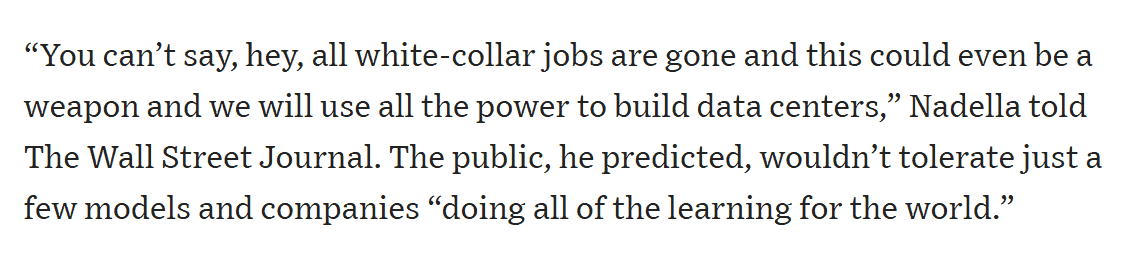
The prevailing sentiment within the enterprise technology sector suggests that we are indeed at this juncture. This perspective is echoed by prominent industry figures, including Satya Nadella, CEO of Microsoft, who articulated a similar viewpoint in a recent article titled "We Can’t Let AI Giants Eat the Economy." Nadella’s commentary underscores a growing concern that the unchecked dominance of a few AI providers could stifle broader economic innovation.
The Enterprise AI Landscape: From Novelty to Utility
Recent research, including an upcoming report titled "Enterprise AI Playbook" that surveyed over 200 companies, indicates that only approximately 8% of organizations are actively building genuine enterprise AI applications. A significant portion of the remaining companies appear to be adopting AI with an assumption that individual employees will independently discover its value. This often translates into AI being treated as an employee benefit, with the hope that serendipitous positive outcomes will materialize.

This approach, however, carries inherent risks. As observed in the practical application of AI tools like Galileo, which leverages models such as Claude and is designed to integrate with various LLMs, without a clear focus on specific domains and well-defined problem areas, companies risk wasting valuable time and resources on aimless experimentation. The allure of generative AI’s capabilities—from code generation and image creation to data analysis and question answering—can be captivating. Yet, the inherent "fun and interesting" aspects of these technologies do not automatically translate into substantial business value, especially when consumption comes at a significant cost. The true payoff for AI investments is increasingly tied to proprietary data, custom applications, and specific contextual understanding.
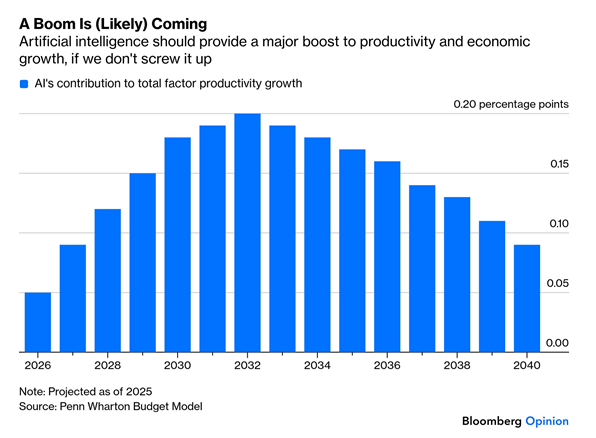
This shift in perspective is also reflected in the evolving economic outlook surrounding AI. Initially, there were inflated expectations regarding the immediate and widespread economic benefits of AI. However, a more pragmatic view is taking hold, as the costs associated with developing, deploying, and maintaining AI systems become clearer. The substantial investments made by forward-looking industrialists—estimated to be in the trillions of dollars—have funded the engineers, data centers, NVIDIA processors, and the very power plants that fuel AI innovation. As these investments mature, the era of offering AI capabilities for free or at nominal experimental costs is likely to wane, with businesses increasingly expected to bear the full financial burden of their AI endeavors. This is already being signaled by price adjustments, such as Apple’s recent 20% increase on its AI-related offerings, which suggests a broader trend towards more direct cost recovery.
The Emergence of a Commodity Market
The current competitive dynamics within the AI landscape are increasingly resembling those of a commodity market. The Wall Street Journal recently published articles highlighting an emerging "AI price war," a phenomenon that typically occurs when switching costs are low and vendors compete aggressively on price. This suggests that the frontier AI providers are not only vying for market share amongst themselves but are also feeling pressure to reduce costs.
This price pressure is a key indicator that AI models are becoming commoditized. Microsoft’s strategy, as articulated by Satya Nadella, exemplifies this trend. Microsoft’s MAI models are reportedly being positioned at a fraction of the cost of offerings from other leading AI providers, aiming to make AI more accessible and cost-effective for a broader range of businesses. This signals a move towards a "normal technology market," where pricing and costs align with the tangible value and specific problems that the technology solves.
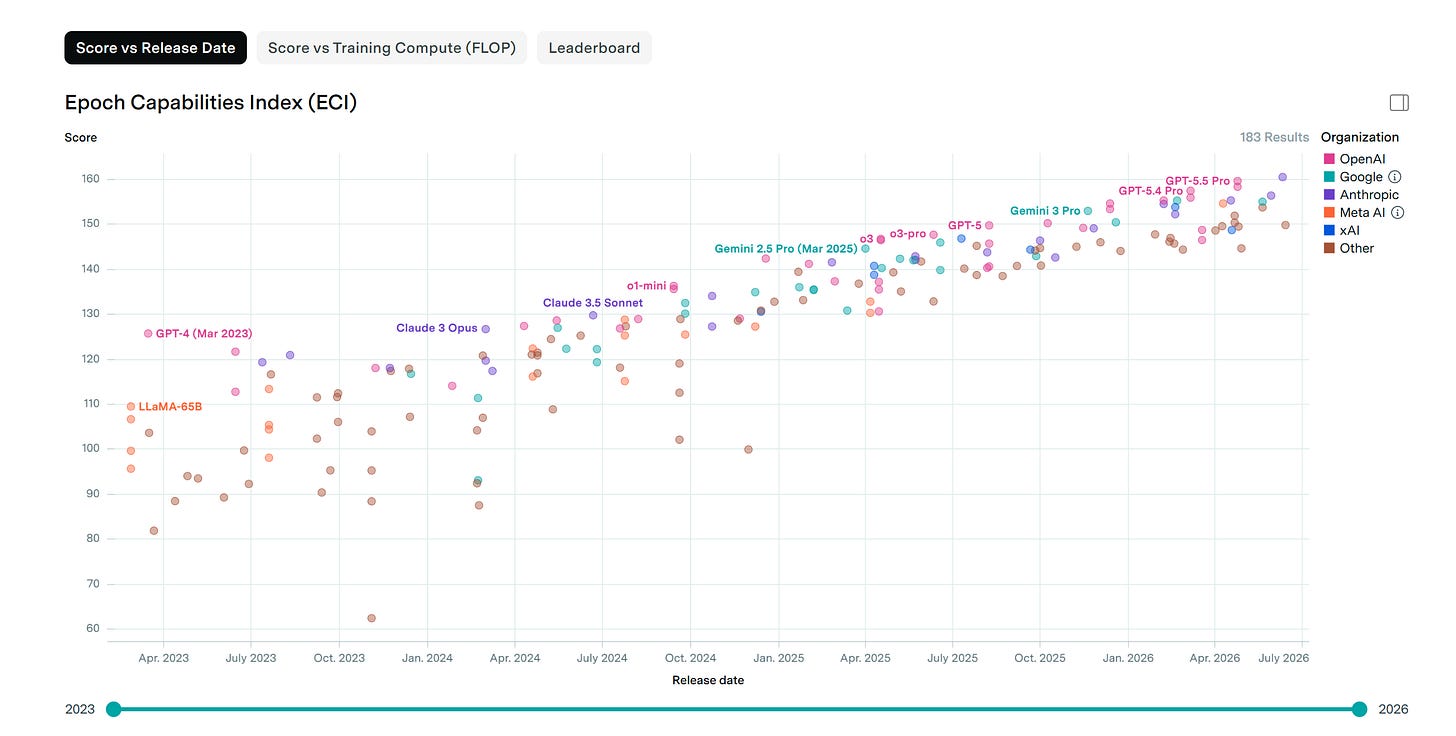
Furthermore, the pace of model improvement, while still rapid, is showing signs of deceleration. Analysis of AI capability evolution indicates a slowing trend in the rate of advancements. This maturation is beneficial for the enterprise, as it encourages a shift from merely chasing the latest technological breakthroughs to focusing on practical problem-solving. Companies are being compelled to move beyond simply "buying tech and hoping the fairy dust creates value" and instead to deeply integrate AI into their core operations and strategic initiatives.
The Reengineering Imperative: From AI Implementation to AI Application
The trajectory of enterprise AI is increasingly aligning with the established patterns of traditional enterprise technology adoption. In a "normal" technology purchase scenario, organizations typically undertake a rigorous process: identifying a need, developing a business case, collaborating with IT to ensure security and data integration, and ultimately acquiring a system with a clearly defined objective and a measurable ROI. This structured approach is characteristic of how companies procure solutions from vendors like Paradox, Eightfold, Radancy, or Sana, which offer specialized AI applications rather than broad AI platforms.
The distinction is crucial. Acquiring access to a foundational AI model like Claude and simply allowing employees to experiment without a defined strategy is fundamentally different from deploying a purpose-built AI application designed to address a specific business challenge. The latter involves a comprehensive integration process that necessitates careful planning, implementation, and ongoing management.
The "HR 2030" model, a framework for understanding high-value AI solutions in human resources, illustrates this point effectively. The most impactful AI use cases in HR, such as transforming and accelerating hiring processes, require more than just adopting new technology. They involve a strategic investment in a series of integrated "agents" and "superagents." This transformation necessitates close partnership with IT departments, a redesign of existing talent acquisition workflows, and potentially a significant reorganization of roles within the talent acquisition function. Vendors in this space, including Paradox, Maki, Radancy, and Smartrecruiters, are not just providing AI models; they are offering comprehensive solutions that integrate with existing systems and redefine operational processes.
Similarly, transforming employee service centers involves leveraging platforms like Microsoft Copilot, Workday Sana Core, or ServiceNow, alongside specialized solutions from vendors like Leena.ai. However, such initiatives are complex "projects" that demand policy consolidation, robust governance frameworks, meticulous data management, and cross-functional collaboration. The outcome is not merely the deployment of AI but a re-engineering of service delivery models and potentially the reorganization of learning and development functions.
Building high-performance onboarding programs, as demonstrated by companies like Rolls Royce and Lockheed Martin, also highlights the project-based nature of enterprise AI. These initiatives require building consensus on program elements, developing a multitude of global and role-specific use cases, and establishing a governance model that can effectively integrate tactical and strategic content while ensuring its ongoing relevance and currency. In these scenarios, the underlying Large Language Model (LLM) is a critical component, but it represents only a fraction of the overall solution.
The Relational Database Analogy: From Core Technology to Application Value
The current evolution of the LLM market bears a striking resemblance to the relational database market of the late 1990s. At that time, companies like Oracle, Sybase, Informix, Ingres, and Postgres offered powerful and sophisticated database management systems, each competing on advanced features like stored procedures and vertical indexing. However, as the technology matured and became more standardized, the unique selling propositions of individual RDBMS vendors diminished. The focus of businesses shifted away from the intricacies of the database technology itself and towards the applications that were built upon these databases. The value proposition moved from the "how" of data management to the "what" of business solutions powered by data.
A similar paradigm shift is unfolding in the AI sector. While the capabilities of LLMs are undeniably impressive, their "magic" is increasingly becoming a foundational element rather than the primary driver of business value. Companies are now recognizing that the true impact of AI lies in its application to solve specific, high-value problems.
At Galileo, for instance, the company has developed systems capable of modeling entire organizations and addressing complex issues in reorganization, pay structure, and skills analytics. This capability, which can condense months of consulting work into a matter of weeks, is the result of nearly four years of dedicated effort. The system did not spontaneously acquire this problem-solving ability; it was meticulously trained, integrated with custom workflows, and strategically leveraged the features of LLMs.
This underscores the critical role that HR and IT professionals will play in the coming years. Their focus will shift from merely experimenting with AI to identifying high-value business problems and then strategically applying AI—whether through building, buying, or customizing solutions—to address them. The inherent power of the LLM is becoming less of a differentiator and more of a utility, enabling the creation of sophisticated applications.
The substantial $1.5 trillion investment in AI is now poised to demand a tangible return. This necessitates a transition from broad experimentation to focused architecture and engineering. By embracing this reengineering process, organizations can unlock enormous payoffs from their AI initiatives. The future of enterprise AI lies not in the novelty of the models, but in the strategic application and innovative engineering that transforms these powerful tools into impactful business solutions.
Broader Implications and Future Outlook
The maturation of the AI market into a more commoditized landscape has several significant implications for businesses. Firstly, it signifies a move towards greater accessibility and affordability, enabling a wider range of companies to leverage AI capabilities. Secondly, it places a greater emphasis on domain expertise and strategic implementation. The success of AI initiatives will increasingly depend on an organization’s ability to identify specific business challenges, integrate AI solutions with existing data and workflows, and develop the necessary internal skills and processes to manage and optimize these deployments.
The trend towards "agentic" AI, where AI systems operate autonomously to perform specific tasks, further highlights this shift. The development of these agents, as outlined in frameworks like the HR 2030 blueprint which identifies approximately 130 agents for HR functions, requires careful prioritization, collaboration with IT, and preparation of teams for new roles and skills. This is not a passive adoption of technology but an active re-engineering of business processes.
As the market evolves, companies that can effectively bridge the gap between foundational AI models and practical business applications will be best positioned to capitalize on the transformative potential of artificial intelligence. The era of "buying AI" as a standalone commodity is giving way to an era of "applying AI" as a strategic imperative for driving efficiency, innovation, and sustained competitive advantage.