In today’s dynamic professional landscape, the imperative for managers to acknowledge and appreciate their teams is widely understood. A wealth of research substantiates the profound impact of recognition on employee motivation, productivity, creativity, and overall workplace connection. However, the translation of this knowledge into consistent, effective practice often encounters a persistent hurdle. Common sentiments expressed by managers include "I know I should, but I forget," "I know I should, but I don’t know where to start," and "I know I should, but I don’t know what to say." This hesitation, whether stemming from forgetfulness, a lack of direction, or uncertainty about articulation, can lead to fleeting opportunities for expressing appreciation being missed, ultimately hindering the cultivation of a truly motivated and engaged workforce. This article delves into practical, actionable strategies and ready-to-use message templates designed to help managers effectively bridge this recognition gap, fostering stronger, more resilient, and higher-performing teams.
The business case for consistent, meaningful employee appreciation is robust and compelling. Statistics reveal that a significant 75% of employees report that recognition motivates them to work harder, and an impressive 78% find value in recognition, even in the absence of monetary rewards. Conversely, a lack of recognition is cited as a primary reason for job searching by one in four individuals, according to a report by Reward Gateway | Edenred (RGER). Further underscoring this point, Gallup research indicates that employees who feel adequately recognized are 45% less likely to have transitioned to new employment after a two-year period. When employees experience authentic messages of appreciation, they are more inclined to invest discretionary effort, leading to enhanced team performance and elevated customer satisfaction. This heightened motivation, in turn, fuels innovation and collaboration, directly contributing to superior business outcomes.
The Pervasive Recognition Gap in Modern Organizations
Despite the well-documented benefits, a substantial disconnect persists between employee expectations regarding recognition and the reality they experience in their workplaces. Gallup’s findings reveal a sobering statistic: only 22% of employees believe they receive the appropriate level of recognition for their contributions. This widespread deficit can often be attributed to managers’ uncertainty about how to effectively express appreciation, resulting in missed opportunities to bolster morale and engagement.

However, empirical observations from organizational consultants suggest a powerful phenomenon: recognition begets more recognition. When managers initiate the practice by incorporating appreciation into regular team meetings, making an effort to acknowledge individuals in passing, or prioritizing formal recognition, a ripple effect often ensues. Other team members and leaders are encouraged to participate, gradually building a consistent and pervasive culture of appreciation throughout the organization. This emergent pattern highlights the critical role of leadership in setting the tone and establishing the foundational practices for a recognition-rich environment.
Leveraging Data to Understand the Impact of Recognition
The statistical evidence supporting the efficacy of employee recognition is substantial and multifaceted. Beyond the figures cited earlier, research consistently points to its role in combating burnout and enhancing psychological safety. A study published by the Harvard Business Review found that workplaces with strong recognition cultures reported lower levels of employee stress and higher levels of psychological safety, creating an environment where individuals feel comfortable taking risks and voicing their ideas. This correlation between recognition and a positive psychological climate is crucial for fostering innovation and adaptability, particularly in industries undergoing rapid change.
Furthermore, the impact of recognition extends to talent retention, a critical concern for businesses navigating competitive labor markets. Companies that prioritize recognition programs often see a measurable decrease in voluntary turnover rates. A report by Deloitte indicated that organizations with highly effective recognition programs experienced 31% lower voluntary turnover compared to those with weak programs. This reduction in turnover translates into significant cost savings related to recruitment, onboarding, and lost productivity.
Addressing the "How-To" Dilemma: Practical Appreciation Message Examples
To demystify the process of expressing appreciation and provide managers with tangible tools, a comprehensive collection of 30 employee appreciation message examples has been curated. These templates are categorized by common workplace scenarios, offering a diverse range of tones and lengths suitable for various communication channels, from brief Slack shout-outs to more detailed notes for formal recognition.

Messages for Everyday Hard Work and Dedication:
- "Thank you for your consistent effort on [specific task/project]. Your dedication doesn’t go unnoticed."
- "I really appreciate how you always [specific positive behavior, e.g., stay late to help a colleague]. It makes a big difference."
- "Your commitment to [specific area of responsibility] is outstanding. Thank you for your diligence."
- "I wanted to acknowledge your hard work this week on [specific initiative]. Your efforts are truly valued."
- "Thank you for your unwavering commitment to excellence. It’s inspiring to see your dedication."
Messages for Project Success and Milestones:
- "Congratulations on the successful completion of [project name]! Your leadership and hard work were instrumental."
- "Amazing job hitting the [milestone name] milestone! I’m so impressed with the team’s dedication and execution."
- "This project’s success is a testament to your efforts. Thank you for going above and beyond."
- "Well done on exceeding our goals for [project name]. Your contributions were critical to this achievement."
- "I wanted to express my sincere gratitude for your exceptional work on [project name]. The results speak for themselves."
Messages for Teamwork and Collaboration:
- "I’ve been so impressed with how you [specific collaborative action, e.g., stepped in to help a teammate]. Your team spirit is invaluable."
- "Thank you for fostering such a collaborative environment on the [team name] team. Your efforts make us stronger."
- "Your willingness to share your expertise and support your colleagues is truly appreciated."
- "The way you worked with [colleague’s name] on [task] was fantastic. Teamwork at its finest!"
- "I wanted to highlight your excellent collaboration on [project]. You made working together seamless and productive."
Messages for Work Anniversaries and Tenure:
- "Happy [number] work anniversary, [employee name]! Thank you for your dedication and valuable contributions over the years."
- "It’s a pleasure to celebrate your [number] anniversary with us. Your commitment and growth have been remarkable."
- "Congratulations on reaching your [number]-year milestone! Your loyalty and hard work are greatly appreciated."
- "Thank you for [number] years of service. Your impact on [company name] has been significant."
- "Happy work anniversary! We’re so grateful to have you as part of our team."
Messages for Remote and Hybrid Employees:
- "Even though we’re not in the office together, your contributions to [project] have been outstanding. Thank you for your dedication."
- "I appreciate your proactive communication and commitment to staying connected while working remotely. It truly helps keep us aligned."
- "Thank you for adapting so well to our hybrid model and for consistently delivering high-quality work. Your flexibility is valued."
- "Your ability to collaborate effectively with the team, regardless of location, is commendable. Thank you for making it work."
- "I wanted to acknowledge your hard work and positive attitude, even from afar. Your efforts are making a real impact."
Messages for Employee Appreciation Day:
- "Happy Employee Appreciation Day! Today, and every day, we celebrate your hard work, dedication, and the unique contributions you bring to our team."
- "On Employee Appreciation Day, I want to extend my sincere gratitude for everything you do. Your efforts are the backbone of our success."
- "Thank you for being an exceptional member of our team. Happy Employee Appreciation Day!"
- "Your commitment and passion are what make [company name] a great place to work. Happy Employee Appreciation Day!"
- "Today, we recognize and celebrate the incredible talent and dedication of our employees. Thank you for all that you do!"
It is crucial to remember that while these templates provide a starting point, their impact is amplified when they are personalized. Tailoring messages to be specific about the employee’s actions, the company values they exemplified, and the tangible impact of their contributions will make them resonate more deeply and feel more authentic.
Crafting an Effective Employee Appreciation Message: Key Elements
Effective appreciation messages share several fundamental characteristics that elevate them beyond perfunctory acknowledgments. These elements work in concert to ensure that the message is perceived as genuine, meaningful, and impactful.
- Specificity: Vague praise often falls flat. Instead of "Good job," aim for "I was impressed with how you handled the client’s challenging questions during the presentation, specifically how you provided data-driven answers." This highlights a particular action and its context.
- Sincerity: Authenticity is paramount. The message should reflect genuine gratitude and admiration. If the praise feels forced or insincere, it can have the opposite of the intended effect.
- Timeliness: Recognition is most powerful when it’s delivered promptly after the achievement or effort. Delaying appreciation can diminish its impact and make it feel less connected to the event itself.
- Impact: Explaining the positive consequences of an employee’s actions demonstrates their value to the team or organization. For instance, "Your quick resolution of the server issue saved us valuable downtime and prevented potential client dissatisfaction."
- Alignment with Values: Connecting an employee’s actions to core company values reinforces desired behaviors and strengthens the organizational culture. "Your willingness to collaborate across departments perfectly embodies our value of ‘Teamwork Makes the Dream Work’."
By adhering to these principles, managers can ensure their messages of appreciation are not only delivered but are also deeply felt and understood, fostering a more positive and productive work environment.
Strategic Timing: When to Deploy Appreciation Messages
The strategic deployment of appreciation messages can significantly enhance their impact. Integrating recognition into the natural flow of work and acknowledging milestones as they occur ensures that appreciation becomes a consistent and integrated aspect of the employee experience.
- Daily/Weekly Check-ins: Incorporating a brief moment to acknowledge recent contributions during regular team meetings or one-on-one sessions.
- Project Milestones: Celebrating the completion of key stages or the successful conclusion of projects, reinforcing the value of diligent work.
- Overcoming Challenges: Recognizing efforts made to overcome obstacles or solve complex problems, highlighting resilience and problem-solving skills.
- Exemplifying Company Values: Acknowledging actions that clearly demonstrate adherence to and promotion of organizational values.
- Work Anniversaries: Marking significant tenure milestones with personalized messages of appreciation for long-term commitment.
- Personal Achievements (if relevant and appropriate): Acknowledging significant personal achievements that may indirectly contribute to an employee’s overall well-being and motivation.
- Informal Moments: Seizing opportunities for spontaneous recognition in hallways, via instant messaging, or during casual conversations.
- Employee Appreciation Day/Week: Utilizing these designated periods to conduct broader recognition initiatives and reinforce the importance of appreciation.
Navigating Pitfalls: Common Mistakes to Avoid
While the intention to appreciate employees is commendable, certain common mistakes can undermine the effectiveness of these efforts. Awareness of these pitfalls can help managers refine their approach and ensure their recognition is well-received.
- Vagueness: As mentioned earlier, generic praise like "good job" lacks specificity and can feel dismissive.
- Inconsistency: Sporadic or infrequent recognition can lead employees to believe it’s not a genuine priority, diminishing its perceived value.
- Focusing Solely on High Performers: While acknowledging top performers is important, overlooking the consistent efforts of others can create feelings of neglect and resentment.
- Making it Transactional: Recognition should not feel like a mere transaction for good performance. It should stem from a place of genuine appreciation for the individual’s contribution and effort.
- Publicly Criticizing After Private Praise: This erodes trust and can make employees hesitant to receive recognition in the future.
- Using a One-Size-Fits-All Approach: While templates are helpful, failing to personalize messages for individual contributions can make employees feel like their unique efforts are not fully seen.
- Exaggeration: Overstating an employee’s contribution can lead to skepticism and undermine credibility.
- Ignoring Impact: Failing to articulate the positive consequences of an employee’s actions diminishes the perceived significance of their work.
By consciously avoiding these common missteps, managers can cultivate a more authentic, consistent, and impactful recognition program.

Beyond Messages: Building a Holistic Culture of Appreciation
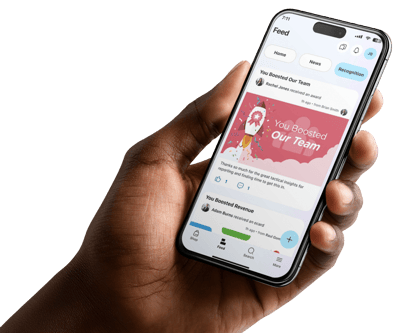
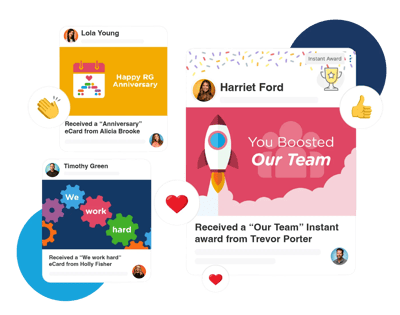
While powerful, appreciation messages are most effective when integrated into a broader organizational culture that genuinely values its employees. This holistic approach involves systemic recognition that goes beyond individual communication. Platforms such as Reward Gateway | Edenred offer integrated solutions designed to scale and simplify recognition across teams. These tools can facilitate recognition reminders, provide managers with timely notifications, offer AI-supported recognition storytelling, and enable social recognition, all of which complement and amplify the impact of individual appreciation messages. The "Building Human Workplaces" report by RGER highlights that a significant 84% of individuals believe technology enhances workplace efficiency, underscoring the role of digital tools in fostering a more streamlined and effective recognition ecosystem.
Establishing systemic recognition mechanisms fosters sustained employee motivation and embeds appreciation as a natural habit for managers. This proactive approach ensures that recognition is not an afterthought but a continuous and integral part of the employee experience, contributing to a more engaged, loyal, and productive workforce.
Frequently Asked Questions About Employee Appreciation Messages
Q: What should I say in an employee appreciation message?
A: Focus on the specific actions the employee took, the company values they upheld, and the positive impact their contributions had on the team or the organization. Personalization is key.
Q: How often should managers send employee appreciation messages?
A: Regularly is the operative word. Ideally, aim for at least weekly, but timely recognition delivered soon after an achievement or extra effort is most effective. Scheduling dedicated time on your calendar to review progress and send recognition can help establish this habit.

Q: What’s the difference between employee appreciation and employee recognition?
A: Appreciation is about expressing gratitude and valuing employees for who they are as individuals, acknowledging their inherent worth. Recognition, on the other hand, is about acknowledging and celebrating their specific work, performance, or achievements. Both are vital.
Q: Should employee appreciation messages be public or private?
A: Both approaches have their merits. Public praise can boost morale and increase visibility, serving as an example for others. Private notes foster a more personal connection and can be deeply meaningful. It is often recommended to default to public recognition to support a culture of widespread appreciation, while reserving private messages for more sensitive or personal acknowledgments.
Q: Can I use the same appreciation message for multiple employees?
A: If multiple employees contributed to the same task or project, a similar message can be appropriate, but it’s always better to personalize it to reflect their individual contributions. If you are pressed for time, a slightly adapted shared message is preferable to no recognition at all. However, employees rarely perform identical tasks, so tailoring messages to make individuals feel truly seen and valued is significantly more impactful.
Q: What are some low-cost ways to show employee appreciation beyond messages?
A: Numerous impactful yet inexpensive methods exist. Offering flexible work options, providing small perks like their favorite snack, verbally acknowledging accomplishments in team meetings, or simply dedicating time to actively listen to their ideas and concerns can all be highly effective.

Meaningful employee appreciation messages represent a simple yet potent tool for bridging the recognition gap that many organizations currently face. By adopting a thoughtful approach grounded in specificity, sincerity, and timeliness—and by integrating these messages into a broader culture of recognition—managers can significantly boost engagement, improve retention rates, and enhance overall performance. Solutions like those offered by Reward Gateway | Edenred empower businesses to cultivate vibrant, appreciative cultures that not only attract but also retain top talent, ultimately contributing to a more positive and productive work environment for all.